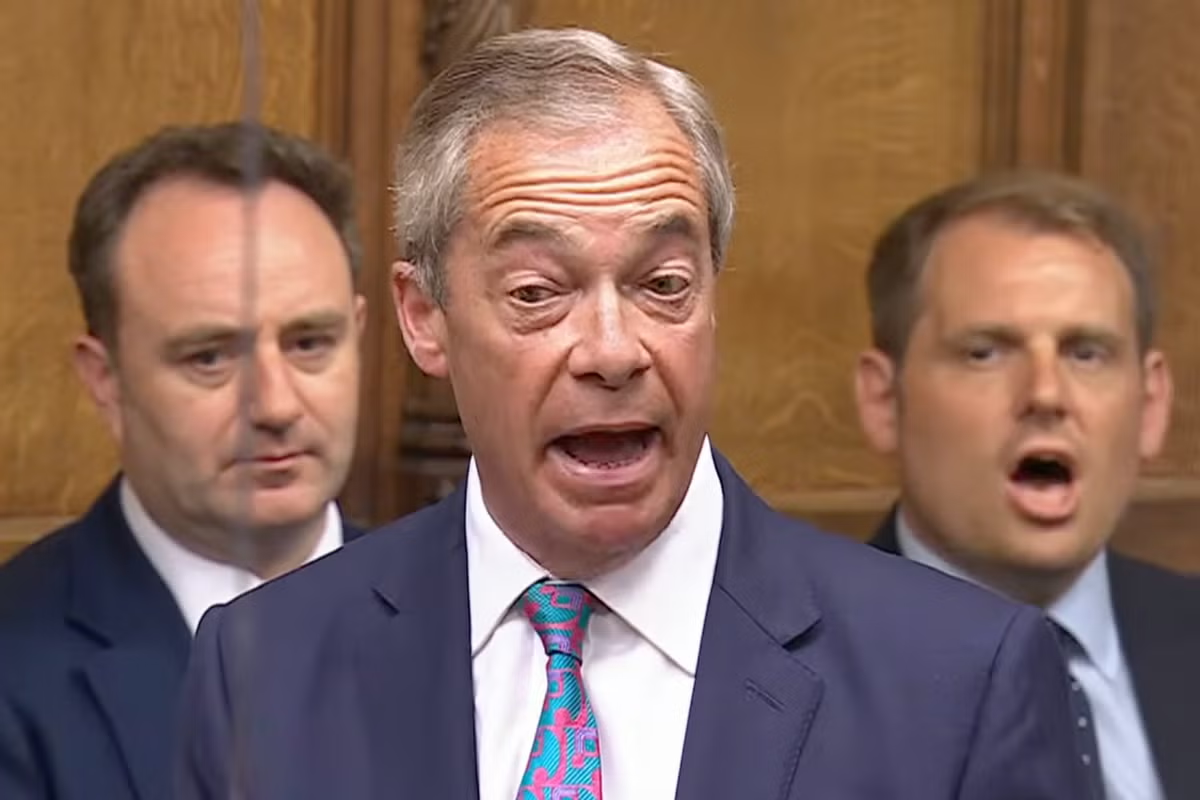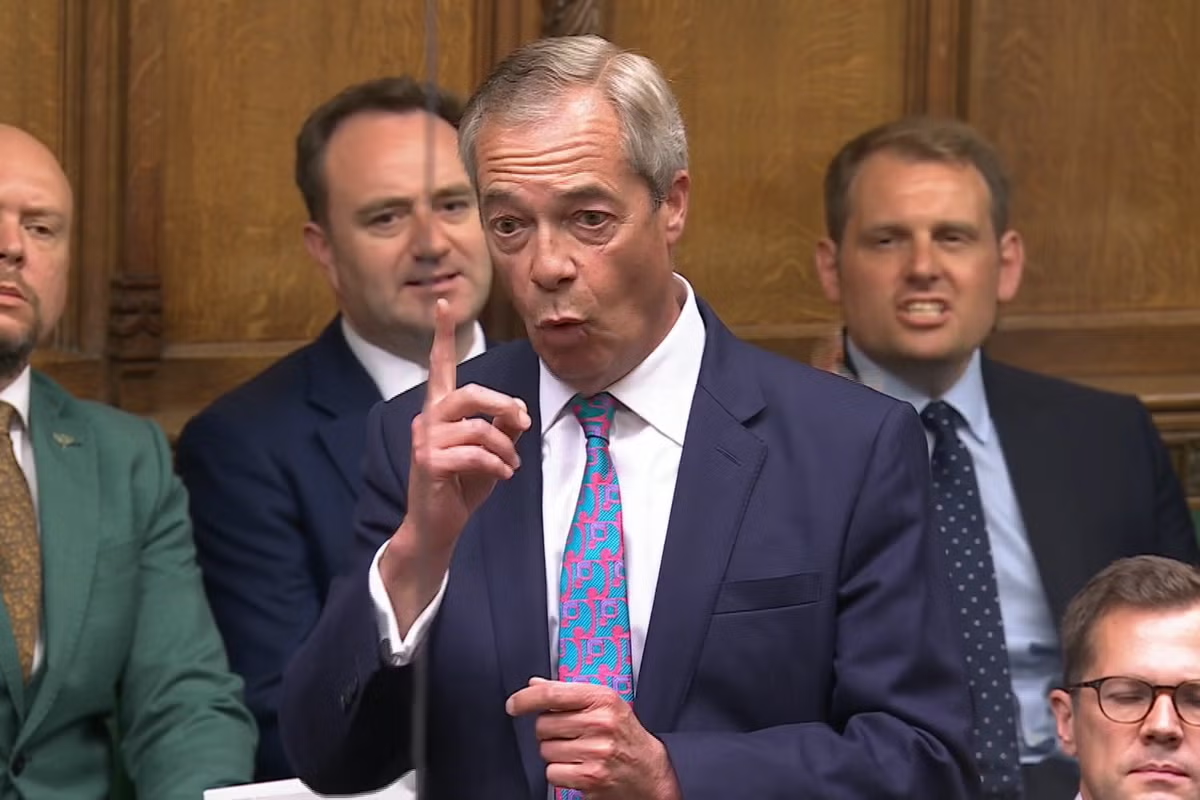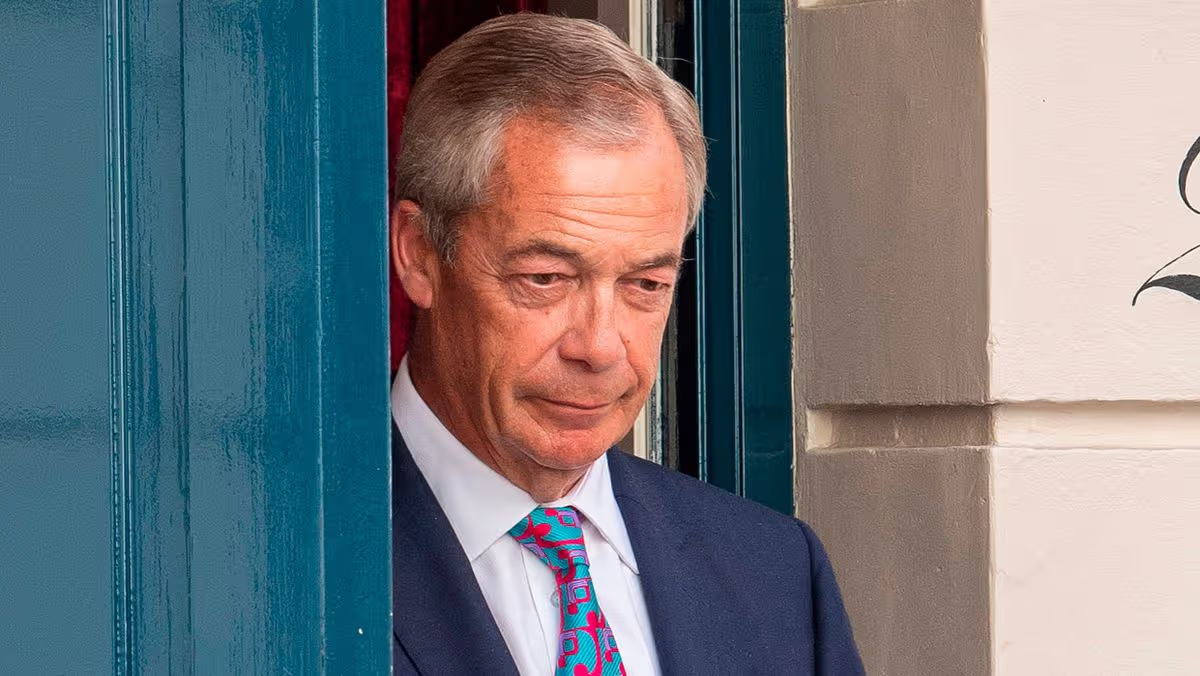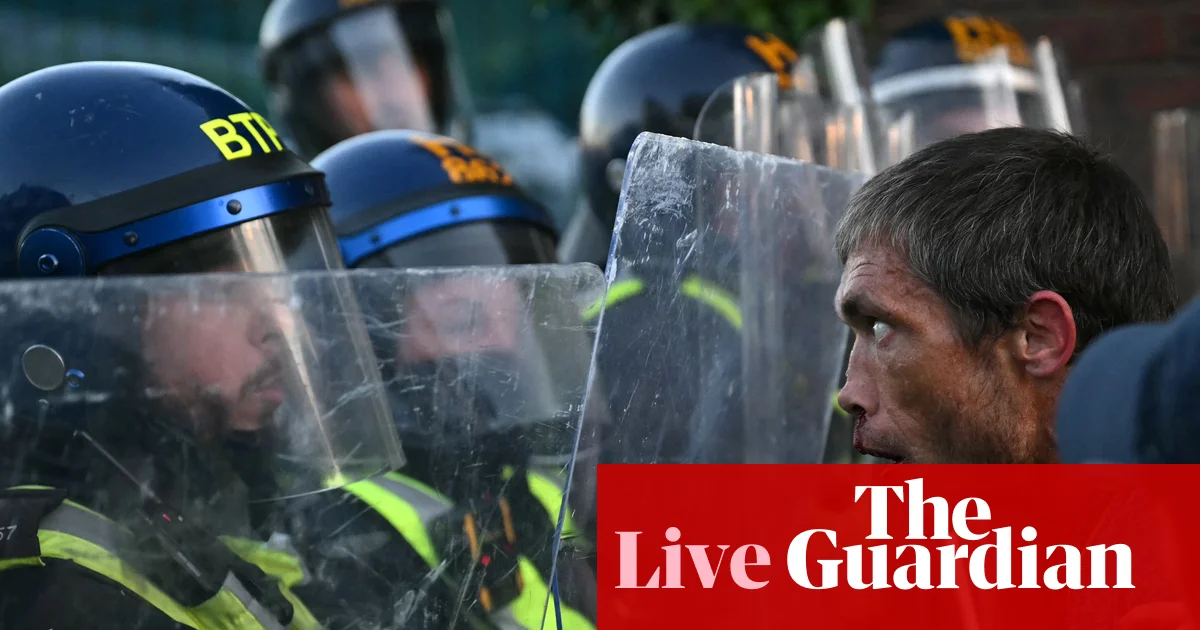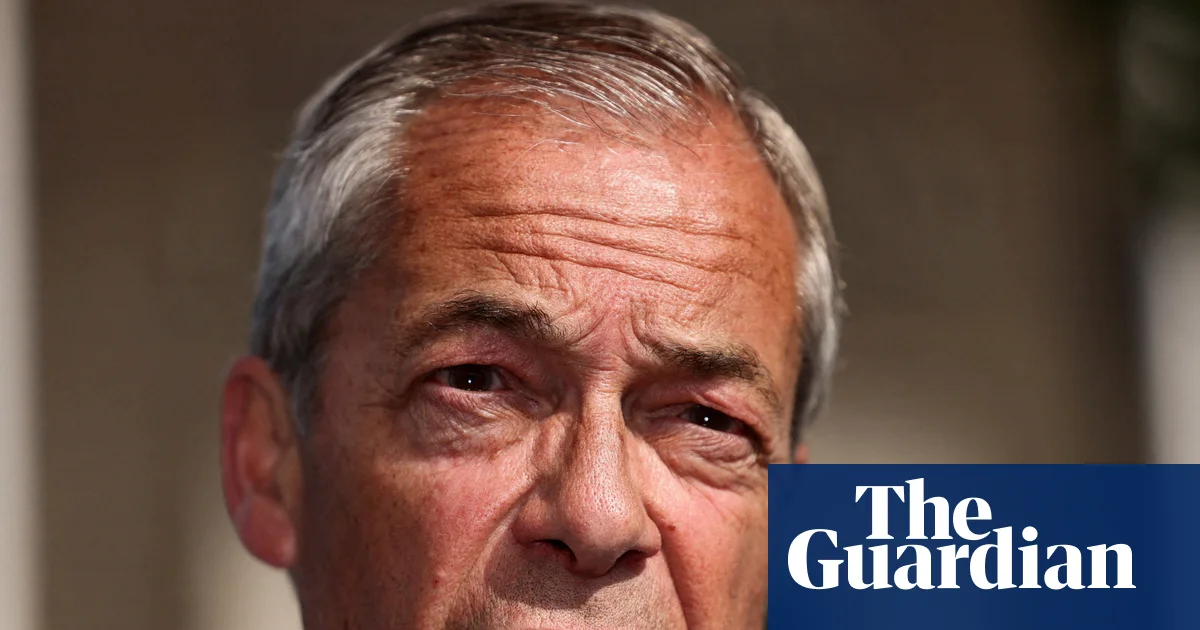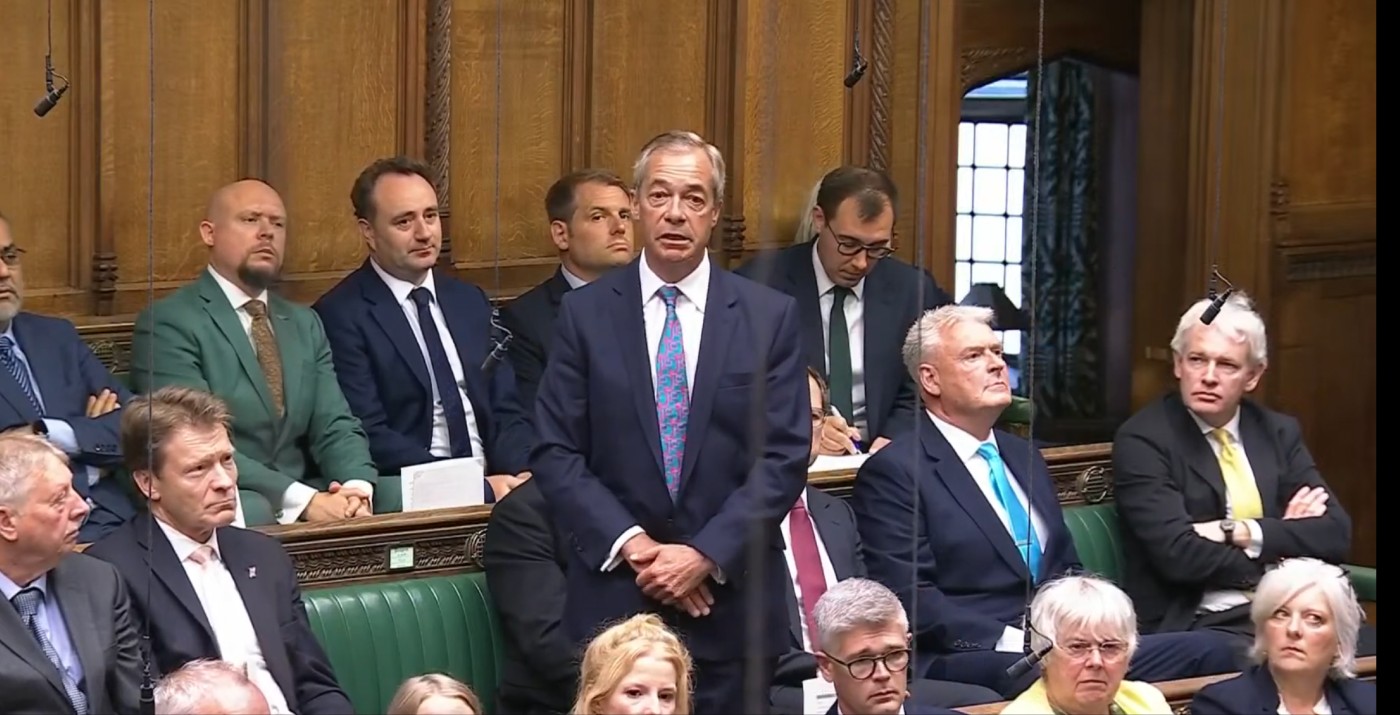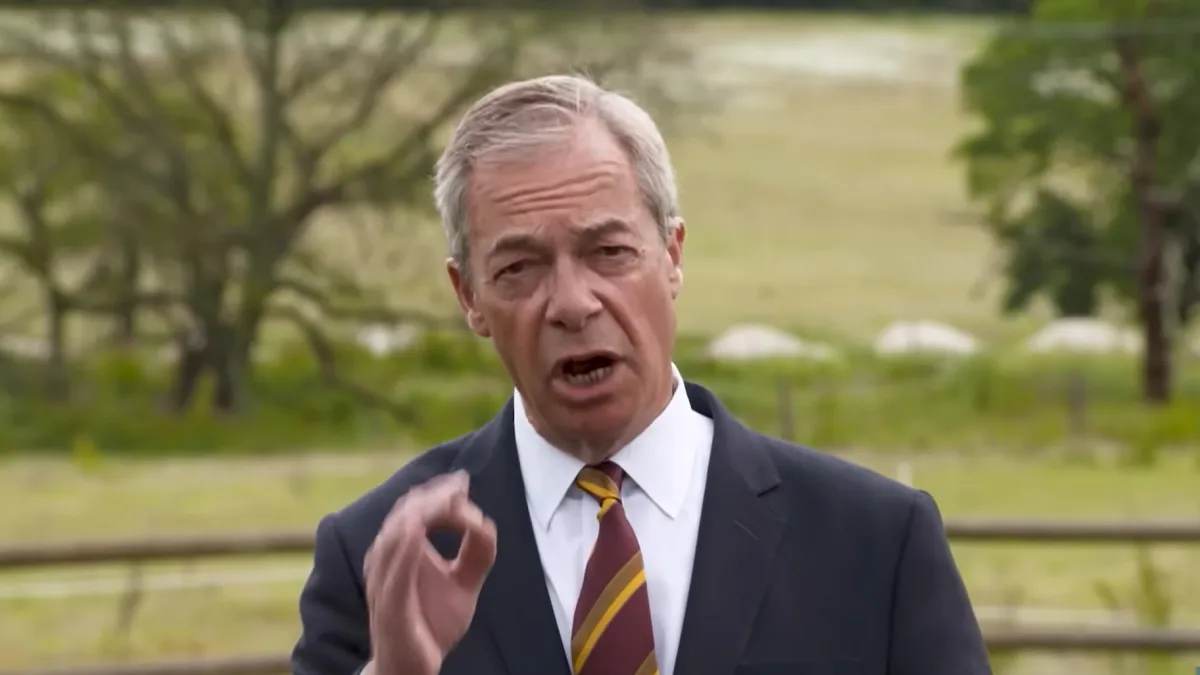
Exploiting this tragedy to create grievance and division would be wrong in any circumstances. But to do it when the family are expressly saying, ‘Please don’t’, is unforgivable. It shows exactly who he is.”So it does. In the House of Commons, prime minister Sir Keir Starmer surely spoke for the vast majority of the British people when he told Nigel Farage, in cold and precise terms, exactly why the leader of Reform UK has been so recklessly misjudged in his response to the desperately sad murder of Henry Nowak.At the trial, Henry was described as “much-loved, kind, hard-working and ambitious young man, devoted to his family and with a bright future”. He was 18 when he was fatally stabbed. As he lay bleeding on the pavement, he repeatedly told attending police officers, “I can’t breathe” – but, instead of administering aid, they put him in handcuffs and arrested him. Henry’s suffering was exacerbated by the callous lies of his killer, who had reported a racially motivated attack – and, it must be said, by the response from Hampshire Police. When, in his final moment, Henry said, “I’ve been stabbed”, an officer replied: “I don’t think so, mate.” Now, with Henry’s killer having been sentenced to life, and with the recently released arrest footage raising difficult questions about policing, the moment calls for calmness and dignity. Instead, there has been a riot.Alone among party leaders, Mr Farage has taken it upon himself to make an “emergency broadcast” that sought to forge spurious links between the circumstances of Henry’s death and so-called “two-tier policing” and, even more tenuously, “mass immigration” and hate speech laws – as if abolishing those would end knife crime. Cynically paying lip service to the Nowak family’s “extraordinarily dignified” statement, Mr Farage then said people should react with “pure, cold rage”, and incited what turned into civil unrest, with his unfounded claims about anti-white discrimination and “two-tier culture in this country, where the rights and privileges of white people matter less than those of ethnic minorities”.It’s hard to imagine saying anything more untrue, inflammatory and irresponsible than that. It worked, in the sense that tensions were turned into actions, with the agitator Stephen Yaxley-Lennon heading to Southampton for the fracas on Tuesday night. As usual, Mr Farage kept his distance. Even after police officers had been attacked and Hampshire residents terrified in the ensuing hours of disorder, Mr Farage was unable to criticise, let alone condemn, the violence (as MPs implored him to during Prime Minister’s Questions).Indeed, Mr Farage told the Commons that he thinks it will get worse. He “predicts a riot” once again – which solves nothing except, possibly, Reform UK’s loss of political momentum. In reality, as Sir Keir emphasised, it only goes to show how pathetically unsuited Mr Farage is to national leadership at a moment of crisis. Some observers might point to the Reform Party’s uncertain fate at the Makerfield by-election for some explanation for this particular act of trouble-making. Mr Farage has form in this respect – and he doesn’t care about facts, social cohesion or a grieving family. His party is finding it difficult to counter the appeal of Andy Burnham, and is losing votes and being outflanked on its even harder right by Rupert Lowe’s extreme Restore Britain grouping. The correct reaction to this shaming murder of a fine young man should be to find out why there was such an appalling failure by the police in this instance. The release of the body camera footage showed not only what happened in Henry’s final moments but also the contempt shown by officers to a young man bleeding to death in front of them. Mr Nowak’s father, Mark, is right to call his son’s treatment by police “inhumane and degrading”.According to the judge at the murder trial, it would sadly have made no difference had Henry’s repeated cries about his stabbing been heeded and an ambulance summoned; it was, in any event, too late to save his life. But the shocking thing is that the police didn’t make that call – because they didn’t take enough care to examine Henry, and instead chose to believe the wicked lie from his assailant, who claimed he had been racially abused and acted in self-defence. The judge’s narrative of what happened that night adds much context, including the important fact that the extent of the deep injury to Henry’s chest was not obvious to the attending officers, because “It was dark, and Henry was wearing a dark top”.This is only one of the many aspects of the police response – undeniably inadequate in the event – that will now have to be examined by the Independent Office for Police Conduct. The National Police Chiefs’ Council and the Hampshire force will also need to examine whether its anti-racism guidelines – which hold that officers should respond to individuals and communities “according to their specific needs”, which “does not mean treating everyone ‘the same’, or being ‘colour blind’” – put the safety of the public first. The attending officers and a now-former officer may be held accountable.As in all aspects of policing, public opinion matters because officers can only do their jobs with public consent. A swift review of these matters is therefore essential. Spreading baseless claims, inciting violence, and rioting does nothing to improve the situation and only adds to the distress of a grieving family. It adds further disquiet to a troubled nation.It also happens to prove that those who seek to exploit grievances and invent new ones cannot ever be entrusted with the governance of the country. The voters of Makerfield will draw the appropriate conclusion about Reform UK.
Nigel Farage’s rabble-rousing proves he is unfit to run the country
Editorial: The Reform UK leader’s exploitative response to the murder of Henry Nowak has shown him to be pathetically unsuited to high office. The people of Makerfield must now send him a strong message
946 words~4 min read