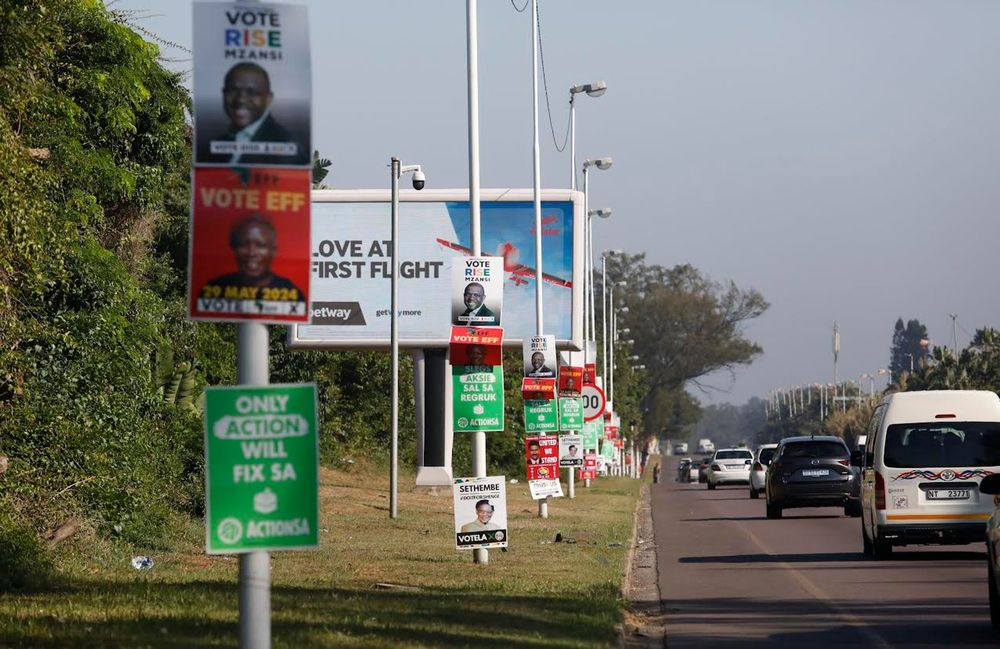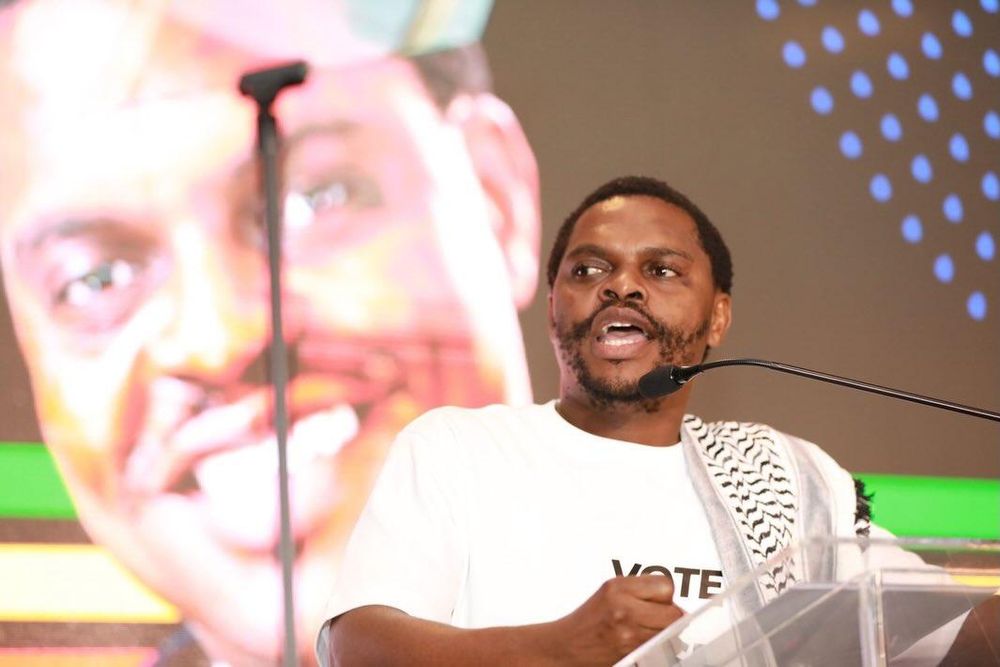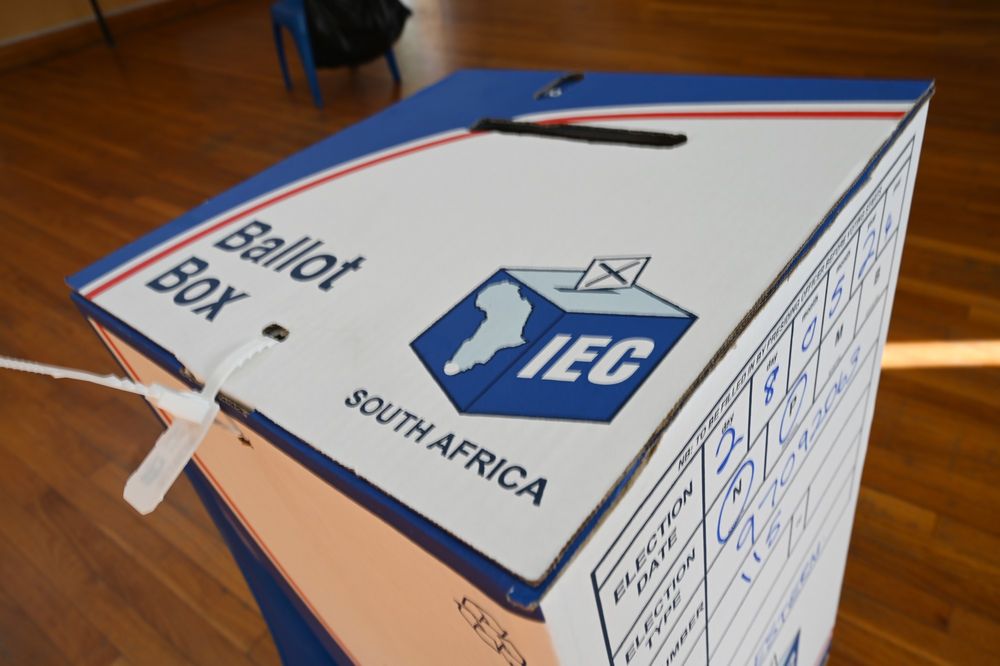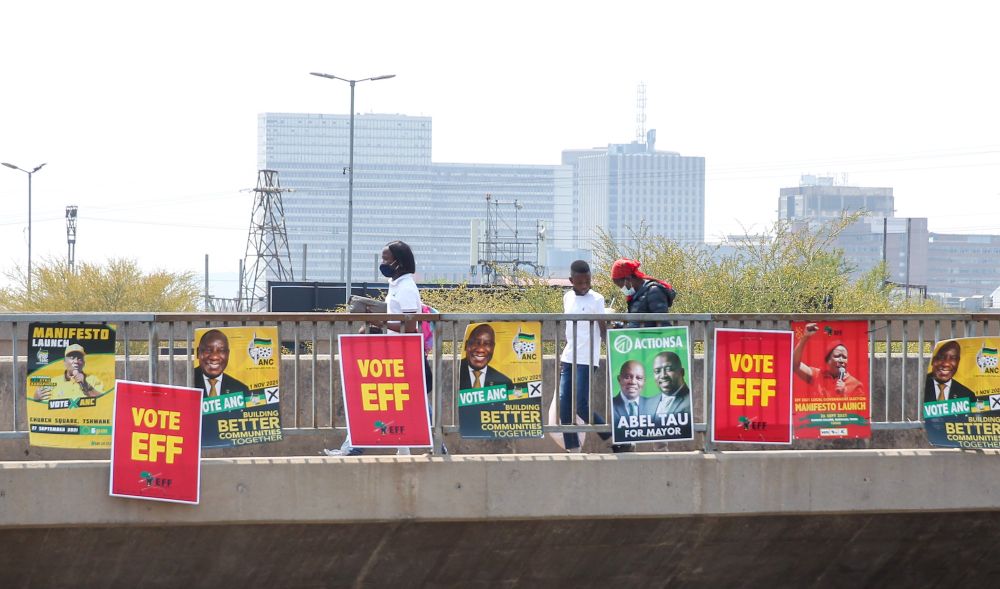
The Electoral Commission of South Africa (IEC) has raised concerns over a R30m loan that was later converted into a donation to Rise Mzansi, saying it will engage the political party to assess whether the transaction complies with legislation.It also directed the ANC to submit representations regarding donation declarations amounting to hundreds of thousands of rand.Rise Mzansi, however, maintained that there is nothing untoward about the transaction, arguing that it is effectively being punished for voluntarily disclosing the matter and being transparent about the donation. In a statement on the declaration of political party donations for the fourth quarter of 2025/26 (January to March 2026), the IEC said five parties made declarations during the reporting period, collectively declaring R97.2m, with monetary donations accounting for R94.7m and in-kind donations R2.4m. The report comes as the country is set to hold its much-anticipated local government elections on November 4. It also comes after the revised disclosure framework approved by parliament, which increased the disclosure threshold from R100,000 to R200,000 and the annual upper donation limit from R15m to R30m. The DA declared R57.3m in the period under review, followed by Rise Mzansi (R30m), ActionSA (R9.9m), Alliance of Citizens for Change (R440,500), and Build One SA (R113,794). “The R30m declaration made by Rise Mzansi represents a conversion of a previous loan into a donation. The terms of this conversion are still to be clarified by the commission,” the IEC stated. “Consequently, the Electoral Commission of SA will further engage with the party on this loan-donation conversion to ascertain compliance with the requirements of the Political Party Funding Act.”The donation by Rise Mzansi, which was launched in April 2023 and received 138,528 votes (0.42%) during the 2024 general election — translating into two parliamentary seats — was from an “entity known as ‘We Are The People (WATP)’”. “The donation arose from the conversion of a previous loan to the party and constitutes one of the largest single declarations made since the commencement of the Political Funding Act,” the IEC said. Responding to questions from Business Day, Rise Mzansi national communications director Mabine Seabe said in 2023/24 the party took several loans with WATP to cover its election expenses. These were captured in Rise Mzansi’s audited financial statements for the 2024 financial year submitted to the IEC. Rise Mzansi has paid back just more than R1m in servicing the loans. “While we have made best endeavours to service the loans, we have nonetheless struggled to do so, as post-election donations had dwindled (evidenced by successive IEC reports where Rise Mzansi had not received individual donations worth declaring),” Seabe said. “We therefore negotiated with WATP to write off those loans. When a loan is written off, it is still classified as a ‘donation’ in that it is money the political party will no longer have to pay. It is still a ‘financial benefit’. That is why this appeared in the [first quarter] declarations. “There is nothing untoward with this arrangement. The only reason there is even a discussion about it is that most political parties simply do not declare such arrangements to the IEC, but Rise Mzansi chooses to,” Seabe said.Regarding the ANC, the IEC said it received donor declarations “indicating the following declarations to the ANC: Valumax Projects donated R500,000 to the Ekurhuleni branch of the ANC on March 20 2026, and Captrust Investments (Pty) Ltd donated R270,000 to the Veterans League on April 16 2026″.“Furthermore, two late [declarations about] donations to the ANC amounting to R10,501,230.21 were made by the party. These late declarations comprise R501,230.21 from Friedrich-Ebert-Stiftung (FES) on July 31 2025 and R10m from Botho-Botho Commercial Enterprises (Pty) Ltd on December 15 2025.” Botho Botho-Commercial Enterprises has historically been a regular donor to the ANC. Political analyst Thabiso Maphosa said it is strange that only five political parties declared their donations during the period under review. “Some of these political parties are linked to dodgy characters linked to serious corruption allegations.” Tshwane University of Technology political analyst Lesiba Teffo said the political parties that are not declaring their sources of funding have found a way of “circumventing the Political Party Funding Act”.“Legally, they may get away with it, but are these the calibre of leaders we want?” said Teffo.Nelson Mandela University political analyst Ntsikelelo Breakfast said some political parties find it daunting to declare funding because “it exposes them”. “After they have been funded, the electorate wants to know your policy posture and connect the dots, so it exposes them.”The IEC said the Multi-Party Democracy Fund (MPDF) received contributions totalling R4.5m during the reporting period, comprising R3m from VodacomSA and R1.5m from Standard Bank. The MPDF allows companies, individuals and other organisations to donate money to political parties without giving directly to them. The fund is intended to reduce the risk of undue political influence by allowing donors to support democratic participation without forming direct financial relationships with political parties.Donations paid into the fund are shared out every quarter, with one-third divided equally among all represented parties and the remaining two-thirds allocated in proportion to the number of seats each party holds in legislatures.“While many of the donations declared in this report predate the formal announcement of the 2026 LGE [local government election], the size and magnitude of the declarations demonstrate that the election season is firmly under way,” the IEC said.
IEC probes Rise Mzansi’s R30m loan-to-donation conversion
ANC, DA among five parties revealing large contributions ahead of local elections
890 words~4 min read