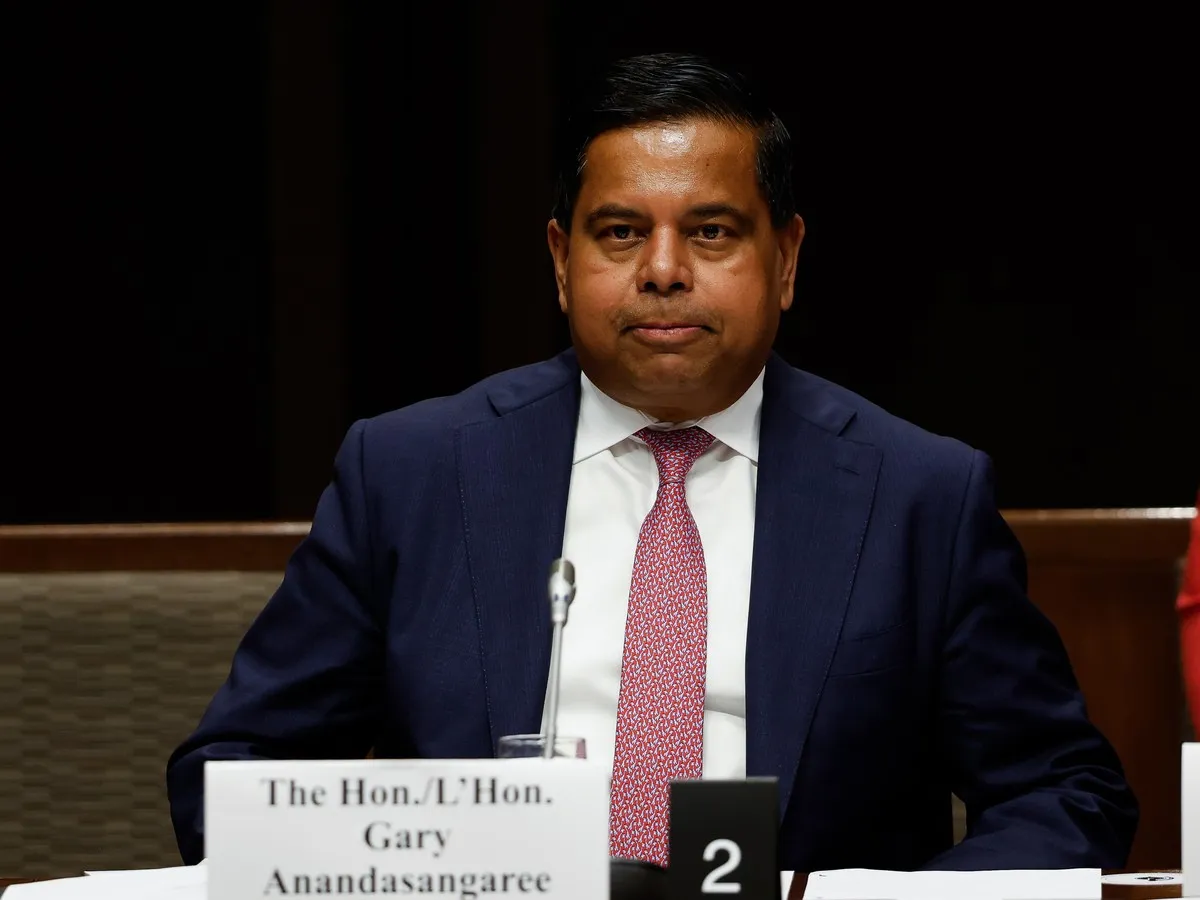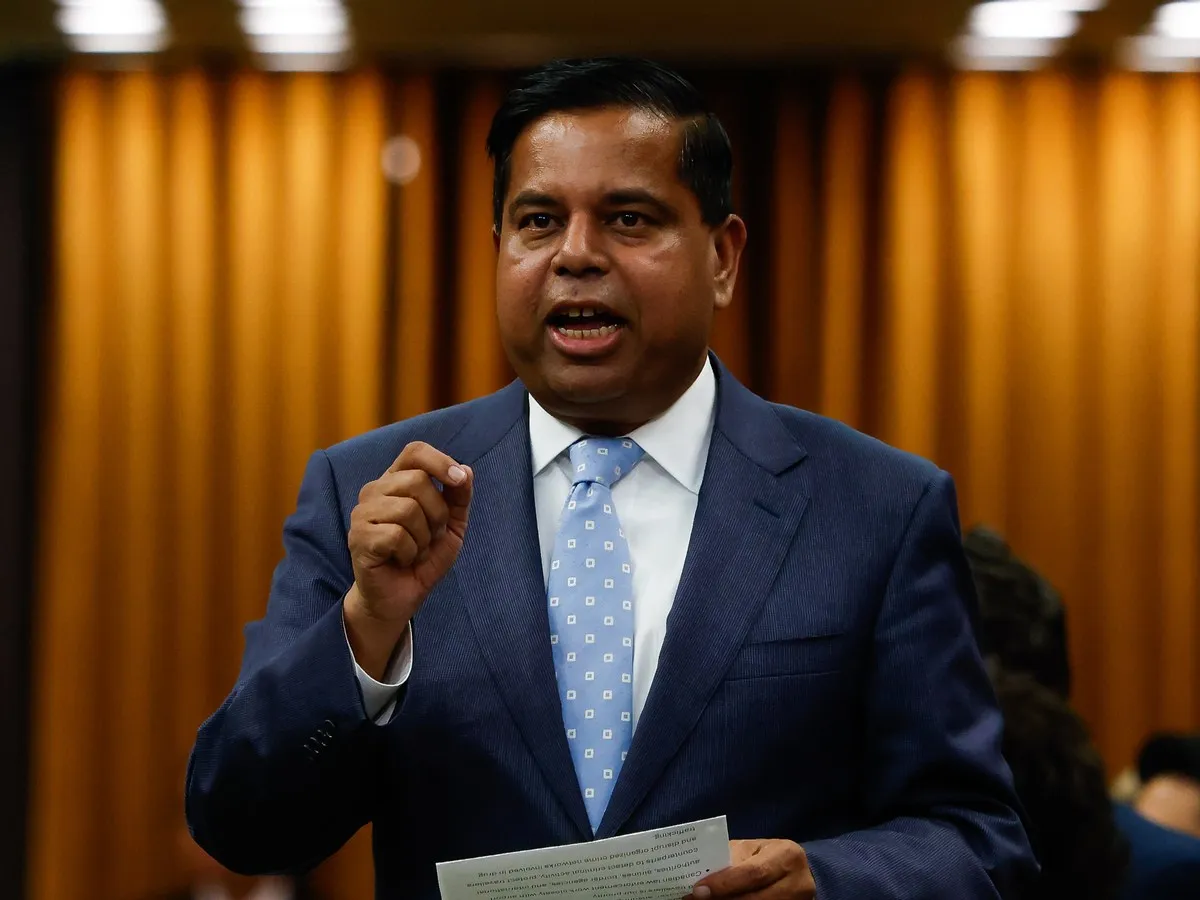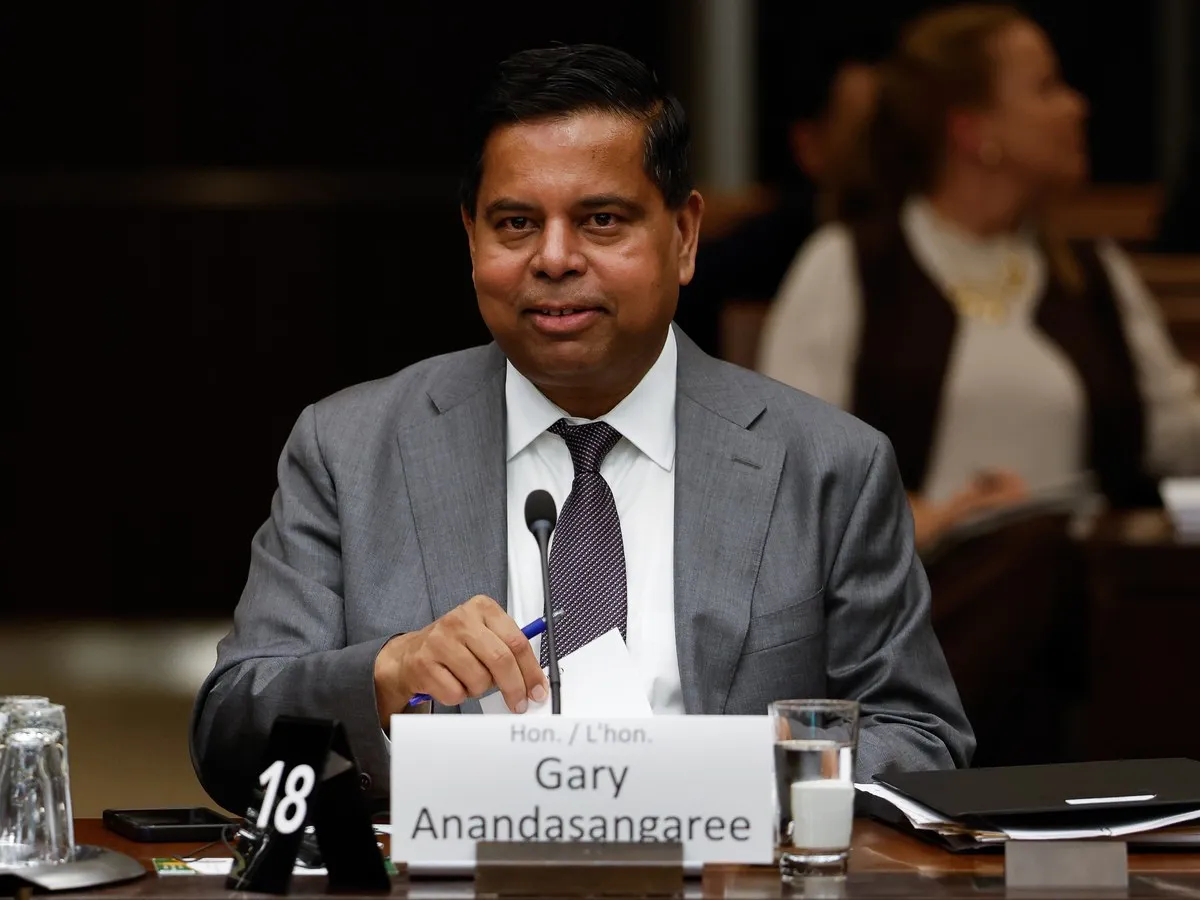
Skip to Content Subscribe Our Offers My Account Manage My Subscriptions FAQ Newsletters Canada Canadian True Crime Canadian Politics Health World Israel & Middle East Financial Post NP Comment Longreads Puzzmo Diversions Comics NP News Quiz New York Times Crossword Horoscopes Life Eating & Drinking Style Sponsored Play for Ontario Travel Travel Canada Travel USA Travel International Cruises Travel Essentials Culture Books Celebrity Movies Music Theatre Television Business Essentials Advice Lives Told Tails Told Shopping Buy Canadian Home Living Outdoor Living Tech Style & Beauty Kitchen & Dining Personal Care Entertainment & Hobbies Gift Guide Travel Guide Deals Savings National Post Store More Sports Hockey Baseball Basketball Football Soccer Golf Tennis Driving Vehicle Research Reviews News Gear Guide Obituaries Place an Obituary Place an In Memoriam Classifieds Place an Ad Celebrations Working Business Ads Archives Healthing Epaper Manage Print Subscription Profile Settings My Subscriptions Saved Articles My Offers Newsletters Customer Service FAQ Newsletters Canada World Financial Post NP Comment Longreads Puzzmo Diversions Life Shopping Epaper Manage Print Subscription HomeNewsCanadaCanadian PoliticsMinister says he won't split up bill to enhance police search powersConservatives promised to help pass the first part of C-22 by the summer recess if the Liberals agreed to split the bill You can save this article by registering for free here. Or sign-in if you have an account.Minister of Public Safety Gary Anandasangaree attends the Senate Committee on National Security, Defence and Veterans Affairs at Senate of Canada building in Ottawa on Monday, May 4, 2026. Photo by HYUNGCHEOL PARK /PostmediaOTTAWA — Public Safety Minister Gary Anandasangaree kiboshed a Conservative request to split his controversial lawful access bill in half, as a former CSIS director called the lack of such a regime for Canadian police and intelligence agencies “absolutely unacceptable.”Enjoy the latest local, national and international news.Exclusive articles by Conrad Black, Barbara Kay and others. Plus, special edition NP Platformed and First Reading newsletters and virtual events.Unlimited online access to National Post.National Post ePaper, an electronic replica of the print edition to view on any device, share and comment on.Daily puzzles including the New York Times Crossword.Support local journalism.Enjoy the latest local, national and international news.Exclusive articles by Conrad Black, Barbara Kay and others. Plus, special edition NP Platformed and First Reading newsletters and virtual events.Unlimited online access to National Post.National Post ePaper, an electronic replica of the print edition to view on any device, share and comment on.Daily puzzles including the New York Times Crossword.Support local journalism.Create an account or sign in to continue with your reading experience.Access articles from across Canada with one account.Share your thoughts and join the conversation in the comments.Enjoy additional articles per month.Get email updates from your favourite authors.Create an account or sign in to continue with your reading experience.Access articles from across Canada with one accountShare your thoughts and join the conversation in the commentsEnjoy additional articles per monthGet email updates from your favourite authorsSign In or Create an AccountorThe day after Conservatives tabled a motion requesting the Liberals split Bill C-22 on lawful access, Anandasangaree was categorical that that wasn’t happening.“No, we’re not. Lawful access, Bill C-22 as presented, we are very comfortable with the balance between part one and part two and we are not prepared to split that bill,” Anandasangaree told reporters.“These are stalling tactics that are now coming forward to derail and delay the bill itself,” he said, adding that he suspects the move is because there is discord within the Conservative caucus over supporting the reform.On Tuesday, during a committee hearing studying the contentious bill, Conservatives promised to help pass the first part of C-22 by the summer recess if the Liberals agreed to split the bill, allowing for further study of the more controversial second part.Bill C-22 aims to reform Canada’s lawful access regime, which regulates the most intrusive powers afforded to police and intelligence agencies. The new regime would make it easier for police and intelligence agencies to intercept private communications or personal data as part of their investigations.The bill is divided into two parts. The first proposes that police and the Canadian Security Intelligence Service (CSIS) be able to approach telecommunications companies and ask them if, yes or no, an individual is a client before having to get a warrant. It then sets out a new path for authorities to obtain client information from the companies with the appropriate warrant.The second part of the current bill proposes new obligations to electronic service providers to organize and retain various types of client data — some for up to one year — in a way that makes it obtainable by law enforcement or CSIS with a warrant.That means that if passed, the bill would compel electronic service providers to store and make information like device locations or cameras available to police or CSIS with the requisite warrant. That could be used to track a person’s live location in case they pose a threat to national security or are considered to be in danger, the government cited as examples.The reform has faced fierce and growing pushback from opposition parties, tech giants, privacy and civil liberty groups, who argue it does not do enough to protect Canadians’ privacy and encryption services.Some companies, such as encrypted messaging application owner Signal, have even threatened to leave the Canadian market if the bill as drafted becomes law.But the reform is strongly supported by police and intelligence agencies, who argue that their investigations are increasingly hampered or even stalled by the lack of necessary legal tools to obtain evidence in the digital age.On Tuesday, recently retired CSIS director David Vigneault told attendees of an event at the University of Ottawa that it is embarrassing that Canadian law enforcement has to rely on tips from foreign allies to know what threats are happening in Canada because outdated laws don’t allow them to obtain the information themselves.Vigneault headed CSIS for seven years until his retirement in July 2024.“Bill C-22 absolutely needs to be debated, but I can tell you from experience, the number of times that we had to essentially rely on foreign sources of information about what was happening in our country is absolutely unacceptable,” he said at an event organized by the university’s Centre for International Policy Studies.“We owe it to our citizens to find that right balance. The status quo, Canada being the only advanced country, democracy, government with the rule of law, that does not have an adequate regime for lawful access is completely unacceptable,” he added.On Wednesday, the three largest police associations issued a joint statement calling on MPs to pass the bill “without delay” because it is “long overdue.”They argued that the bill does not give police new investigative powers but ensures that companies have the information police seek after successfully obtaining a warrant from a judge.“For police officers and investigators, lawful access is not an abstract policy debate. It can determine whether authorities can quickly locate a missing child, identify the source of a livestreamed sexual assault, or intervene before online extremist threats become real-world violence,” reads the statement by the heads of National Police Federation, the Canadian Police Association and the Canadian Association of Chiefs of Police.National Postcnardi@postmedia.comOur website is the place for the latest breaking news, exclusive scoops, longreads and provocative commentary. Please bookmark nationalpost.com and sign up for our politics newsletter, First Reading, here. Join the Conversation This website uses cookies to personalize your content (including ads), and allows us to analyze our traffic. Read more about cookies here. By continuing to use our site, you agree to our Terms of Use and Privacy Policy.
Minister says he won't split up bill to enhance police search powers
Public Safety Minister Gary Anandasangaree kiboshed a Conservative request to split his controversial lawful access bill in half.
1,261 words~6 min read