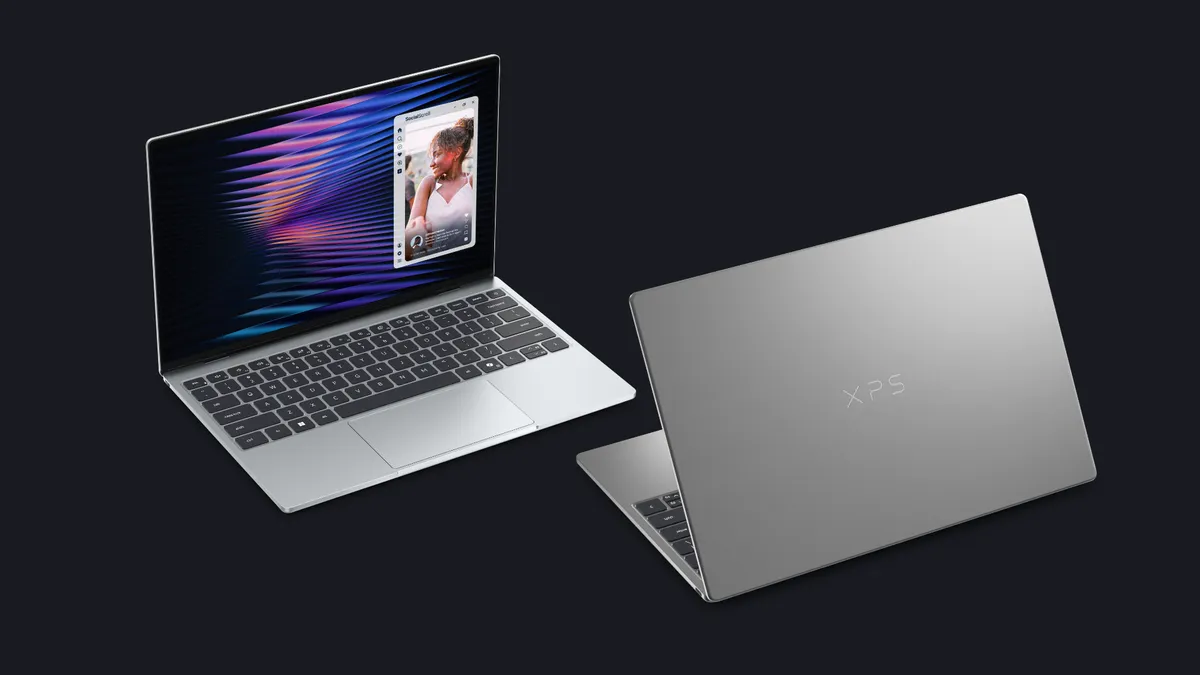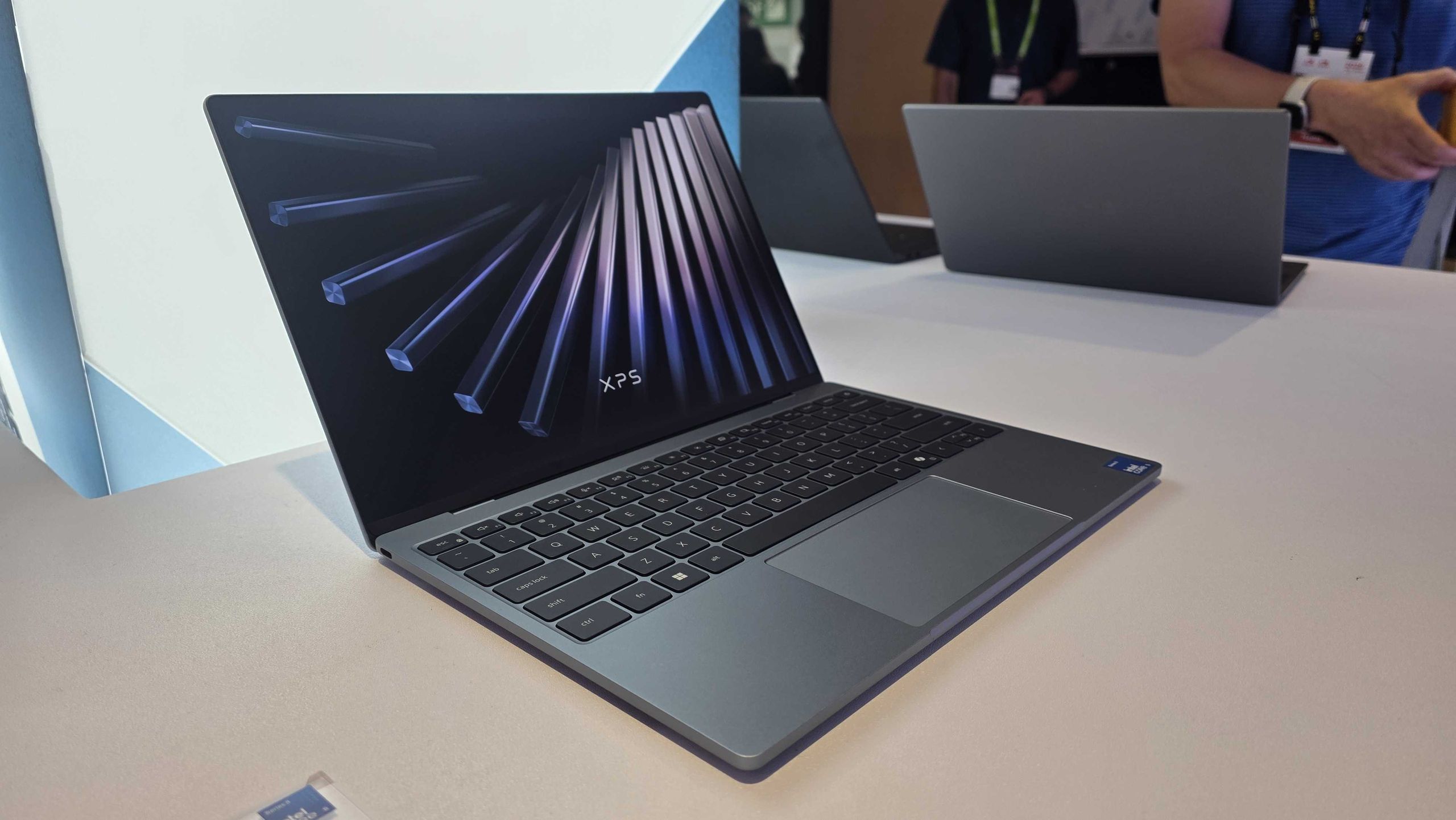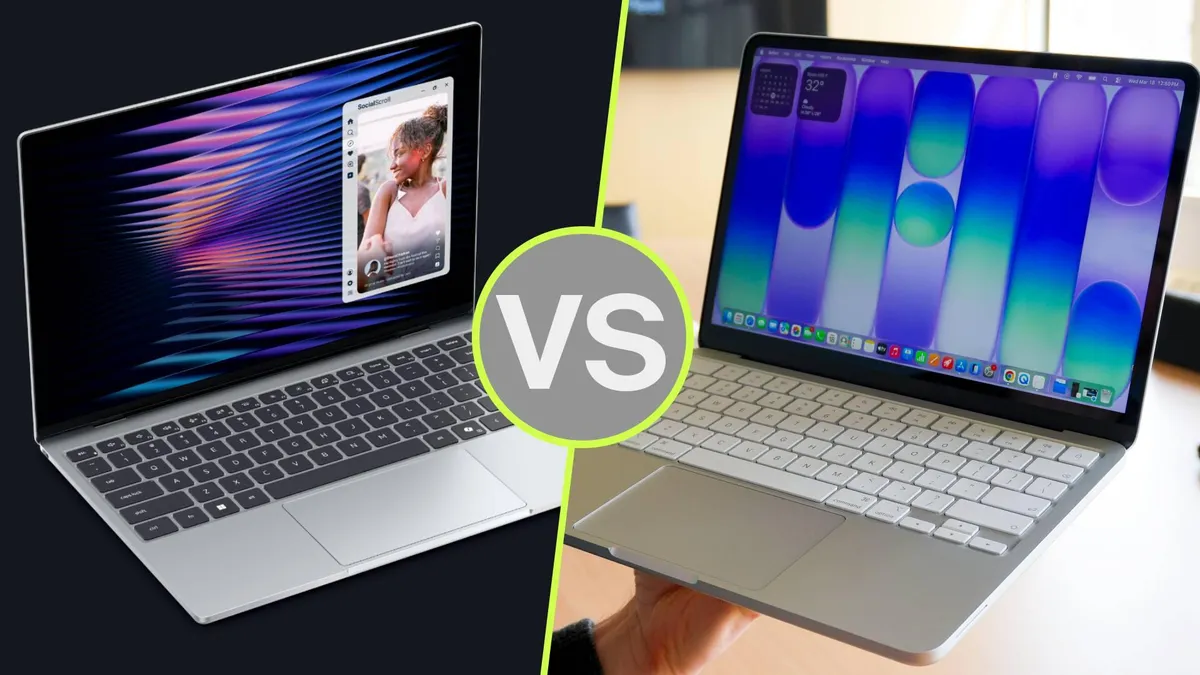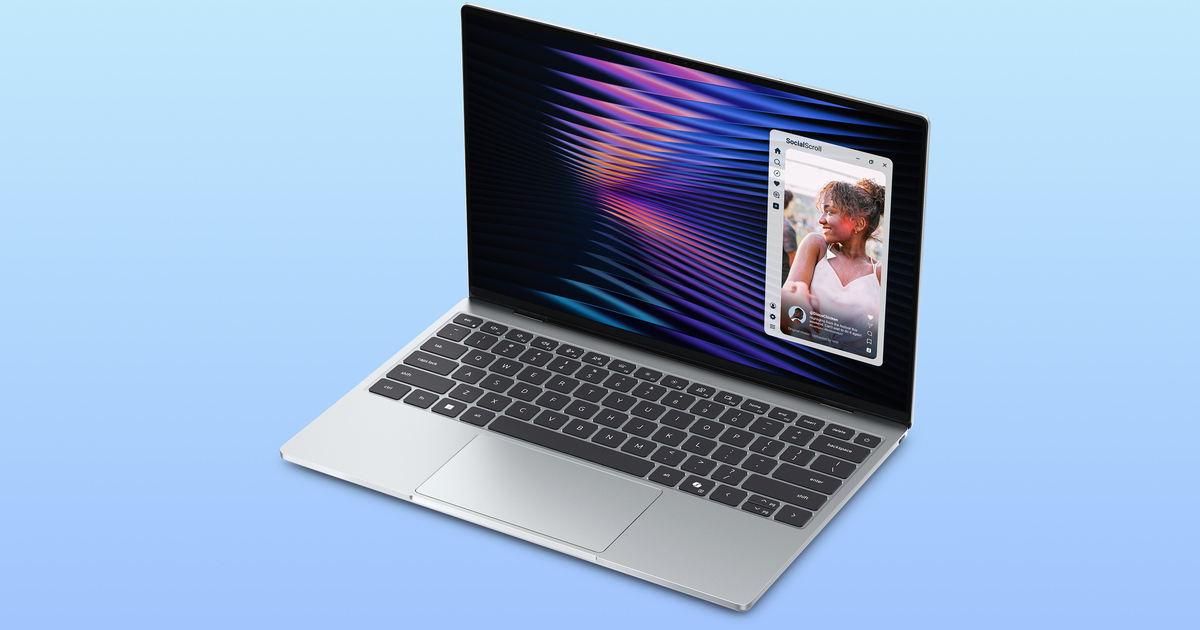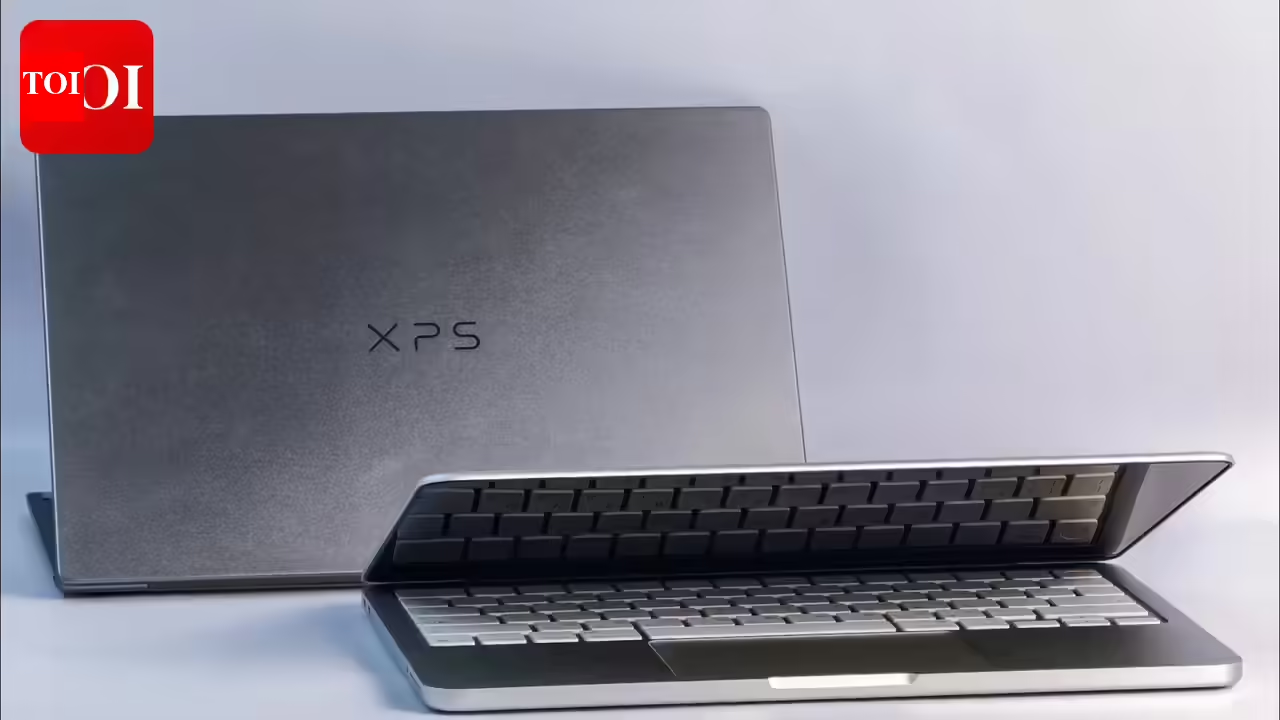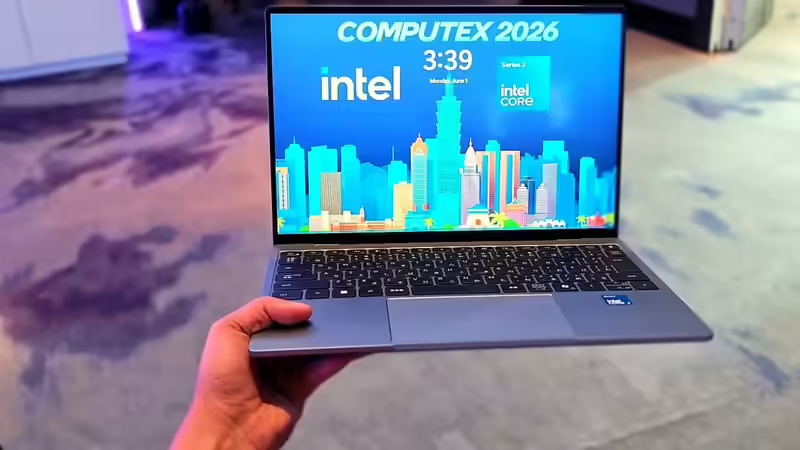
Dell has built the XPS 13 (2026) for one purpose: to stand opposite the Apple MacBook Neo and prove a Windows machine can wear a premium crown at $699. At Computex Taipei, Dell and Intel revealed a 0.9kg CNC-aluminium ultrabook with a 2.5K 120Hz touch display, opening at $699 retail and $599 for students, powered by Intel's new Core Series 3 "Wildcat Lake" silicon. The hardware lands the blow. The marketing around its AI credentials is where the story turns slippery. And the contest it joins now holds three claimants, because Google's Aluminium OS arrives in the autumn to redraw the same battlefield.Key TakeawaysThe Dell XPS 13 (2026) opens at $699 (Intel Core Series 3 "Wildcat Lake", 8GB RAM, 512GB SSD), with a $599 student price and a June 2026 release; India pricing awaits confirmation.Apple's MacBook Neo at $599 (A18 Pro, 8GB/256GB, 13-inch Liquid Retina) set the entry-premium bar in March 2026, and the XPS 13 answers with touch, a 120Hz variable-refresh panel and Windows compatibility.Intel Core Series 3 "Wildcat Lake" pairs a monolithic 18A compute die with a small external platform-controller tile, reaching up to 40 TOPS of combined AI performance and up to 17 hours of battery on the XPS 13.The Copilot+ claim carries an asterisk: Microsoft demands 40 TOPS on the NPU alone plus 16GB RAM, while Wildcat Lake's NPU sits near 18 TOPS and the base XPS 13 ships with 8GB.Google's Aluminium OS, announced on 12 May 2026 and rebranding consumer laptops as Googlebooks, opens a third front against both Apple and the Windows-Intel pairing from the autumn.A premium brand, priced for the hand the market was dealtThe new XPS 13 exists because Apple moved first and Dell chose to hold the entry tier rather than surrender it. In March 2026 the $599 MacBook Neo rattled a PC industry already wrestling with component shortages and DRAM prices that have quadrupled inside a year. Gartner has gone as far as noting that vendors are losing the ability to assemble PCs below $500. Into that squeeze, Dell did something its own history would once have called heresy: it took the XPS badge, a name reserved for the $1,000-and-up prosumer tier of CNC metal and bleeding-edge silicon, and pinned it to a $699 machine.What's in a name, Juliet asked, and Dell is betting the answer is "quite a lot." Konstantin "KT" Tuv, the company's head of consumer product, described the buyer journey he wants the XPS 13 to begin. "We want this to be their first XPS," he said, picturing a student who buys in, then climbs the portfolio as needs mature, all the way to developer-grade machines. The brand carries the signature down a price ladder it has avoided for a decade.The crown is heavy, though. Uneasy lies the head that stretches a premium name across a value price, because the same gesture that wins a student risks cannibalising the high-end SKUs that built the marque. KT waved that worry away, casting the timing as intent rather than reaction. Dell has worked on the device for longer than 30 weeks, he said, with Cupertino in view the whole time. By his telling there was no scramble to answer the Neo; the answer was always in production.SpecificationDell XPS 13 (2026)Starting price$699 retail / $599 students (India pricing awaited)ProcessorIntel Core Series 3 "Wildcat Lake"; Core Ultra 7 355 "Panther Lake" option later in summerMemory8GB base, up to 16GB (Wildcat, single-channel); 16GB/32GB on Core Ultra (dual-channel)Storage256GB to 1TB SSDDisplay13.4-inch 2.5K (2560 x 1600) InfinityEdge touch, 30–120Hz variable refreshChassisCNC-machined aluminium, 0.9kg, 12.7mm thin, dual-fan coolingAudioQuad speakers, 8W, Dolby AtmosConnectivityWi-Fi 7, two USB-C 3.2 Gen 2 portsBatteryUp to 17 hours (streaming)AvailabilityJune 2026Can a $699 Windows laptop actually match the MacBook Neo?On build, screen and connectivity, the XPS 13 meets or beats the Neo; Apple keeps its edge on chip efficiency and ecosystem gravity. The two machines arrive as Hotspur and Prince Hal: one trading on established honour, the other an upstart who insists the throne was always within reach.AttributeDell XPS 13 (2026)Apple MacBook NeoStarting price$699 ($599 students)$599 ($499 students)ChipIntel Core Series 3 "Wildcat Lake"Apple A18 ProDisplay13.4-inch 2.5K, 120Hz VRR, touch13-inch Liquid Retina, 60HzWeight0.9kg~1.22kg (2.7lb)RAM (base)8GB (up to 16GB)8GB (fixed)Storage (base)512GB256GBBatteryUp to 17 hoursUp to 16 hoursOperating systemWindows 11macOS TahoeThe spec sheet flatters Dell. The XPS 13 adds a touchscreen Apple withholds on the Neo, runs a high-refresh variable panel against Apple's fixed 60Hz, doubles the base storage, and undercuts the Neo on weight by roughly a third of a kilogram. The asking price runs $100 above the Neo, and Apple keeps year-round student pricing where Dell ties its $599 deal to the back-to-school window. Honour, in other words, costs a little more in Camp Dell.Apple holds the ground that matters most for a fanless machine: sustained behaviour. The A18 Pro, lifted from the iPhone 16 Pro with one fewer GPU core, glides through web, mail, documents and light editing, yet one published deep-dive measured CPU utilisation falling about 64 per cent within 15 seconds of a full burst as the chassis throttled. Wildcat Lake answers with a dual-fan cooling system inside that 12.7mm shell, a luxury the Neo's silent design forgoes.Then there is memory, the quiet battleground. Both machines open at 8GB, and macOS has long squeezed more from 8GB than Windows manages, through aggressive unified-memory handling. A student who multitasks hard on the Windows side may meet the ceiling sooner, which is why Dell's path up to 16GB on Wildcat, and 32GB on the later Core Ultra parts, reads as the real insurance policy.The perception problem put to Intel and DellIntel and Dell concede the perception exists and answer it with measured battery-life claims and the XPS badge rather than spec bravado. The charge is old and sticky: Intel chips run hot and thirsty, the argument goes, because Windows and Intel are two separate houses, software and silicon negotiating across a moat, while Apple designs both sides of the wall.David Feng, who leads PC segments at Intel's Client Computing Group, met the point head-on. For a long time, he allowed, battery-life claims and real-world experience lived in different postcodes. Since Lunar Lake under Core Ultra Series 2, then Panther Lake, and now Wildcat Lake, he argued, the gap has closed sharply. Intel's reference platform for the new silicon posts up to 18.5 hours of local YouTube playback, 12.5 hours of office productivity, and 9.6 hours of Zoom with AI effects running. Those are the receipts Feng points to when he insists Intel now ships "sincere and truthful" claims that land on devices buyers can verify in their own hands.There is a touch of the player king in the performance: Intel acting out the role of the efficient partner it once struggled to be, and asking the audience to believe the part has become the person. The purest treasure mortal times afford, Shakespeare's Mowbray says, is spotless reputation, and Intel is spending heavily to launder a decade of "power-hungry" reviews.KT took the brand half of the question. Delivering a premium experience was the point, he said, which is exactly why the XPS name fit: it let Dell reset expectations for what a premium device feels like at this price, and the company intends to keep pouring into the marque. The subtext is plain. Dell is selling the feeling of the metal, the hinge, the display, against a rival whose entire identity is the feeling of the metal, the hinge, the display.Why India's students sit at the centre of this pitchIntel and Dell built the value story around first-time buyers and students, and India's young, price-sensitive, Android-first market is the prize they keep returning to. Feng described a "booming younger generation in India" working through life transitions, the family buying a first device or upgrading to a second across middle school, high school and beyond. He stopped short of designing a chip for one country, yet conceded the silicon suits that demographic almost perfectly.For anyone who grew up on the after-school Cartoon Network block, the dynamic Nish Neelalojanan described will ring a bell. Nish, who heads product architecture for client SoCs at Intel, put it bluntly: the everyday compute market has "always gotten the hand-me-downs," the cast-off CPUs and recycled chassis, the way a younger sibling inherits the older one's cycle and the older one's half-broken controller. Wildcat Lake, he argued, breaks that custom. The youngest finally gets a new machine rather than Dee Dee's dented hand-me-down out of Dexter's laboratory.Nish leaned hard on compatibility as the value that travels furthest in emerging markets. Students there still plug in external drives, old printers, decade-old Windows software a college still runs. Everything connects, he said, with the ports and the legacy support that a closed ecosystem would refuse. KT extended the thread into the workplace: a student moves from a Chromebook to this machine, then into a first job where enterprise computing runs on Windows, and the XPS 13 becomes the bridge that readies them for it.There is even an entry-gaming pitch, the Toonami action block of the proposition. KT reckons students who finish their homework, or skip it, will find a gaming story on Windows they simply cannot get on the other side of the fence. It is a modest claim about a value chip, yet it speaks to the same India teenager Intel keeps describing, the one who wants one device to study, stream and play.Inside Wildcat Lake: the chip Intel right-sized for the everydayWildcat Lake is a deliberately right-sized SoC, a monolithic 18A compute die paired with a small external platform-controller tile, engineered for battery life and cost rather than peak power. Nish told the room the team set out to take only the IP the segment needs and build it fresh, abandoning the Foveros 3D-stacking that defines Intel's premium parts in favour of a simpler layout and a cheaper interconnect.Picture the Atlantis expedition arriving in another galaxy with a fraction of the Ancients' arsenal, choosing salvaged-but-sufficient technology over the full city of weapons. That is the Wildcat philosophy. Nish, asked whether the whole package is monolithic and internally manufactured, answered "yes, yes," and the spirit of the claim holds: the big compute die, with CPU, Xe3 graphics and NPU, sits on Intel's own 18A node. Intel's own specification refines the picture by listing a separate platform-controller tile built on an external process, so the package runs as two tiles rather than one, with the heavy lifting kept in-house. The distinction matters for accuracy more than for the buyer, yet it is worth stating plainly.The battery story leans on what Feng called the low-power island, the part of the chip that handles light productivity, browsing and content while the rest of the silicon sleeps. Think of it as the Zero Point Module humming beneath the city, drawing exactly the power the moment requires and no more, with Windows redistributing tasks to the most efficient block the way McKay reroutes energy to keep Atlantis aloft. That island stays consistent across the Series 3 stack, so the everyday experience on Wildcat Lake feels of a piece with the pricier Panther Lake parts above it.PlatformBrandingNPU (TOPS)PositionMeteor LakeCore Ultra Series 1~11First Intel mobile NPULunar LakeCore Ultra Series 2~48Cleared the 40-TOPS Copilot+ barPanther LakeCore Ultra Series 3~50Premium 2026 mobileWildcat LakeCore Series 3~18Value tier; ~40 TOPS combined with iGPUThe Copilot+ asterisk Intel would rather you skim pastThe XPS 13 runs many Copilot-style features, yet the base machine sits below Microsoft's formal Copilot+ bar. This is the seam in the marketing, and it deserves daylight. Microsoft's rule is specific: a Copilot+ PC needs an NPU rated at 40 TOPS on its own, plus 16GB of RAM and 256GB of storage. The NPU figure stands alone; a vendor combining CPU, GPU and NPU to reach 40 counts for nothing under the certification.Nish stated the rule correctly, then walked a careful line around it. Copilot+ wants 40 TOPS from the NPU, he acknowledged, before laying out Wildcat Lake's split: roughly 18 TOPS from the NPU and close to 20 from the Xe3 integrated graphics, for a combined figure above 40. The machine "can run a lot of the Copilot Plus experiences," he said. Read the verbs closely. "Can run experiences" lives a long way from "is certified." A base XPS 13 with an 18-TOPS NPU and 8GB of RAM misses the Copilot+ standard on two counts at once.The honest read came when the Meteor Lake comparison landed. Pressed on whether this amounts to Meteor-Lake-level AI, Nish agreed on the NPU and pointed to the graphics block as the differentiator, since rival value chips ship without integrated-graphics AI at all. Feng widened it usefully: of the 200-plus AI features across Intel's PC stack, most stay well within an 11-TOPS budget, the Meteor Lake ceiling, so an 18-TOPS NPU carries real headroom for everyday utility AI. Noise suppression on a call, background blur, live captions, real-time antivirus detection, light photo cleanup; all of it runs. Local large language models and the Copilot+ badge are the line in the sand, and crossing it means stepping up to Core Ultra. Everyday AI, yes. The certified future, later and dearer.Three claimants to one throne: Apple, Windows-Intel, and GoogleThe entry-premium category now holds three philosophies competing for the same student, and Dell's wager is that choice plus compatibility outlasts the alternatives. Asked how the XPS 13 stands against the wave of Google machines coming with Intel, Qualcomm and MediaTek silicon and Android compatibility, KT called them "supplementary stories" for now. The Google option, he suggested, serves the Android-phone owner who wants a smoother path into Google's world, while the XPS 13 serves the student who needs a finished machine today.That courtesy understates the threat. On 12 May 2026, at exactly 15 years and one day after the first Chromebook shipped, Google announced Aluminium OS, a unified Android-and-ChromeOS platform that retires the Chromebook brand and rebrands consumer laptops as Googlebooks. It runs on both x86 and ARM, which means Intel and Qualcomm and MediaTek all feed it. "Intelligence is the new spec," Google's Alexander Kuscher declared at the launch, a line aimed straight at the TOPS-counting both Apple and Intel have been doing.So three houses press their claim to one crown. Apple rules a sealed kingdom: one chip, one configuration, macOS wringing the most from 8GB, ecosystem as moat. The Windows-Intel-Dell court answers with the open field: configuration choice, a vast software estate, ports and legacy support, a ladder from $699 to the Core Ultra tiers. Google plays the insurgent, betting that an Android app library and on-device intelligence redefine what a laptop is meant to do, with Qualcomm's roughly $300 Snapdragon C chip waiting to drag the floor lower still.Dell's real achievement is also Apple's. Premium design has been democratised, and the MacBook Neo lit the fuse. The XPS 13 proves the Windows side can match the feel for a $100 premium and a touchscreen in hand. Yet the device that wins India's students will be the one that makes the cheapest configuration feel uncompromised, and that is a memory-and-software problem as much as a silicon one. The crown, this season, goes to whoever makes 8GB feel like enough.Frequently Asked QuestionsWhat is the price of the Dell XPS 13 (2026)?It opens at $699 for the retail configuration and $599 for students aged 16 and above, covering the 8GB/512GB Wildcat Lake model. Dell plans a June 2026 release, with Core Ultra 7 355 configurations following later in the summer. India pricing and availability await confirmation from Dell.Is the Dell XPS 13 (2026) a Copilot+ PC?The base model sits below Microsoft's Copilot+ certification, which requires an NPU rated at 40 TOPS together with 16GB of RAM and 256GB of storage. Wildcat Lake's NPU delivers about 18 TOPS, and the entry machine ships with 8GB. It runs many everyday AI features, while the formal Copilot+ badge belongs to higher tiers such as Core Ultra.Dell XPS 13 or Apple MacBook Neo, which should a student pick?Choose the XPS 13 for a touchscreen, a 120Hz display, double the base storage, Windows software compatibility and configuration choice. Choose the MacBook Neo for the lower entry price, the A18 Pro's efficiency, macOS and tight iPhone integration. The decision rests on ecosystem more than raw specifications.What is Intel Wildcat Lake?Wildcat Lake is the codename for Intel's Core Series 3 mobile processors, launched in April 2026 as the value-tier counterpart to Panther Lake (Core Ultra Series 3). It uses a monolithic 18A compute die with up to six cores, Xe3 graphics, and up to 40 TOPS of combined AI performance, aimed at everyday laptops and edge systems.How does Google's Aluminium OS affect this?Google announced Aluminium OS on 12 May 2026, merging Android and ChromeOS into one platform and rebranding consumer laptops as Googlebooks. From the autumn it will run on x86 and ARM silicon from Intel, Qualcomm and MediaTek, adding a third choice for students alongside Windows and macOS.Can the Dell XPS 13 (2026) handle gaming and video editing?It suits light gaming and entry creative work through its Xe3 integrated graphics, which carry their own AI acceleration. Sustained multi-threaded jobs such as heavy video editing and local AI models call for the Core Ultra configurations arriving later in the summer.end of article
Dell XPS 13 2026: How Intel Wildcat Lake Targets Apple MacBook Neo
At Computex, Dell and Intel built a 0.9kg, 2.5K touch XPS 13 on new Core Series 3 Wildcat Lake silicon to answer the MacBook Neo, just as Google's Aluminium OS opens a third front.
2,866 words~13 min read