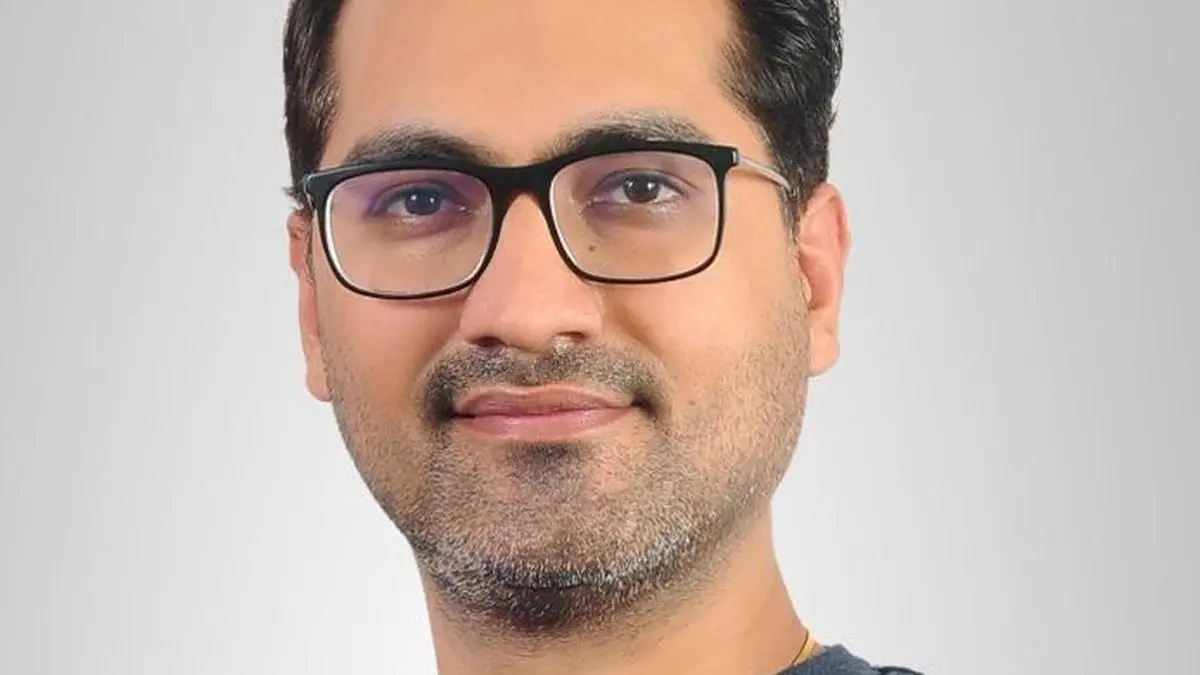
Sahil Madan, Co-Founder and CBO, Handpickd
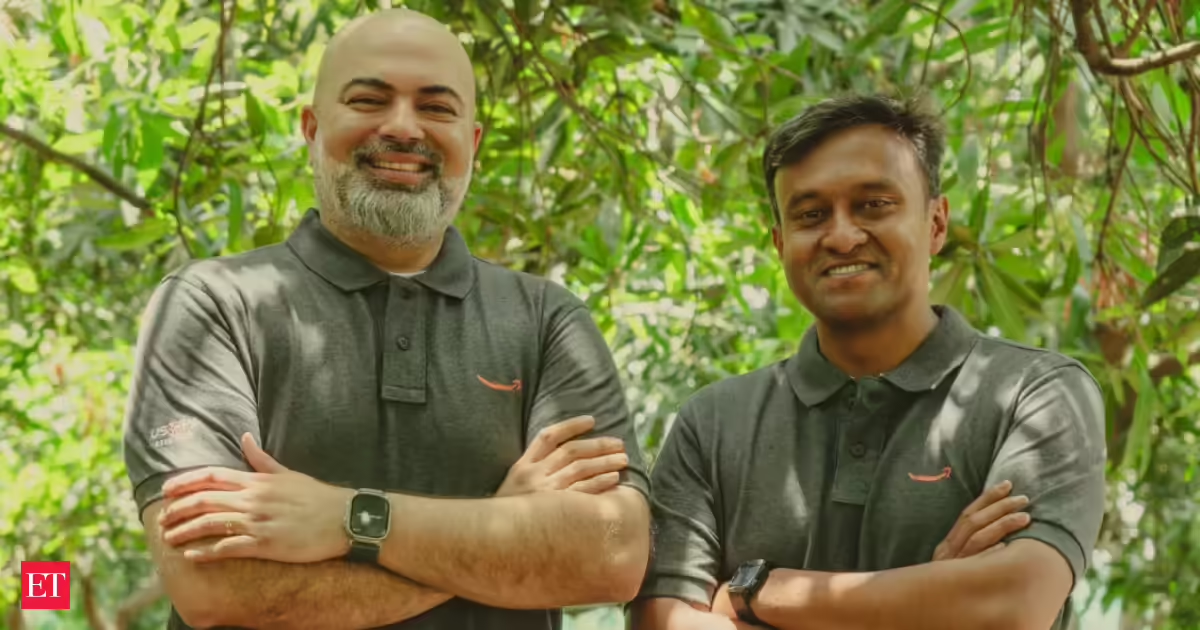
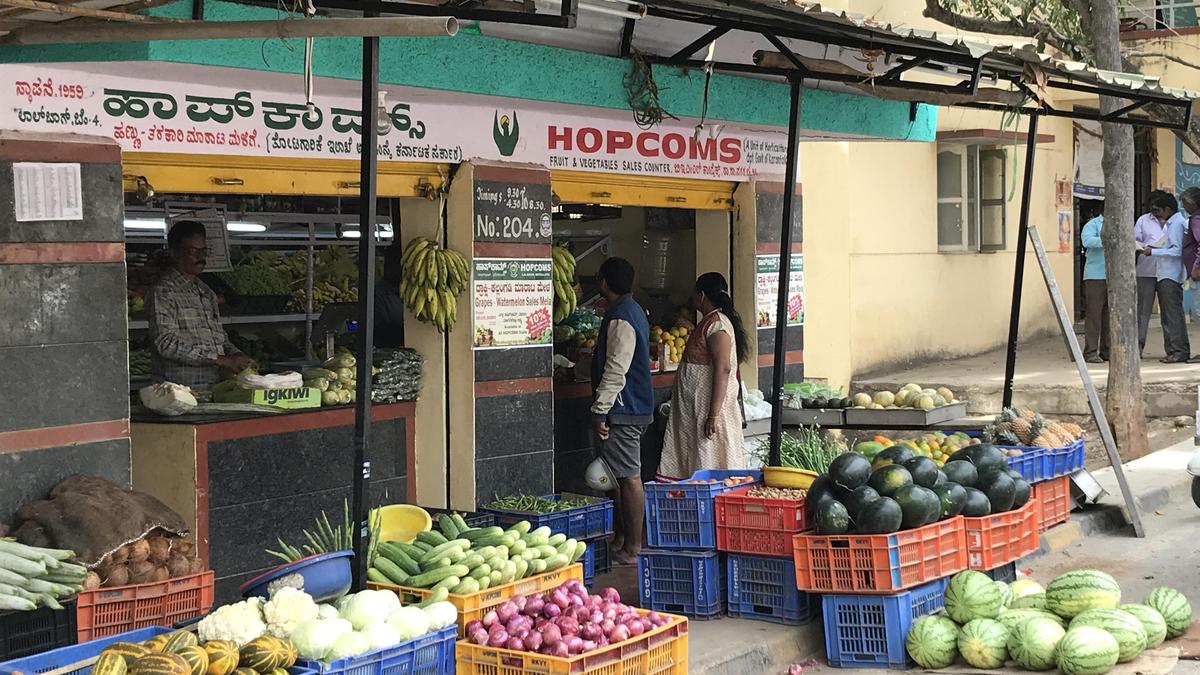
Handpickd, a zero-inventory, farm-to-home fresh produce delivery platform, plans to develop 30 new micro-markets and build farmer sourcing contacts closer to the market to consistently source quality fresh produce for its consumers.The platform collects customer orders a day in advance, procures the exact quantity and quality of produce from farmers overnight, and delivers it to customers the following morning.Sahil Madan, Co-Founder and CBO, Handpickd, said the demand-first model in itself ensures consistency, because the company is not buying in bulk with the hope of selling it at any cost. “We are buying exactly what is needed, which means farmers get clearer, more predictable order signals rather than erratic spot purchases,” he said.Consistency in fresh produce is a system-driven problem disguised as an agronomy issue. Farmers have been growing good produce for generations but they rarely get a feedback from buyers on why a certain batch was rejected or what customers actually prefer.However, Handpickd take the feedback to farmers and provide them the right signal on what is preferred by consumers, said Madan who had worked with leading consumer-focused brands such as Milkbasket, OYO and Housing.com before co-founding Handpickd.“We have plans to target 30 new micro-markets and each new market requires a corresponding build-out of local sourcing infrastructure. You can’t serve Bengaluru from a Gurugram supply network,” he said.The vision, ultimately, is to take “mandis to the doorstep of consumers,” rebuilding consumer trust in freshness while driving sustainability, ensuring pesticide-free, plastic-free and wastage-free delivery, said Madan.Handpickd sources produce directly from local farmers and vendors, leveraging a network of micro-entrepreneurs for their efficient sourcing capabilities.Depending on the crop, geography and volume, the company works with a mix of direct farm partnerships and aggregators. For staple and high-volume items it maintains direct relationships with farmers near the operating cities to ensure consistency and traceability. For seasonal and specialty produce, it works through trusted intermediaries who can aggregate from multiple smallholder farmers, effectively functioning like informal FPOs.“What we are actively building is deeper direct integration: fewer middlemen, more predictable quality signals and better economics for the farmer,” he added.Published on June 3, 2026