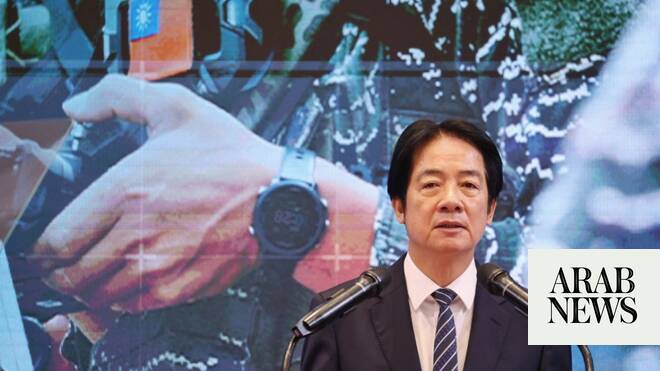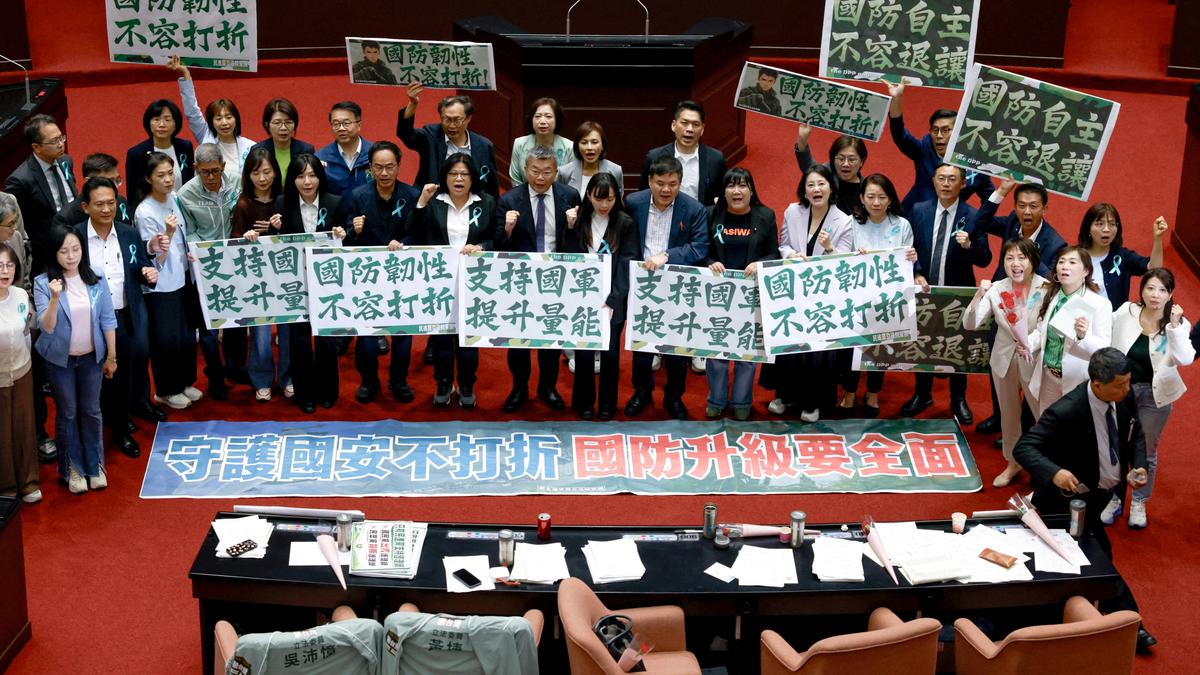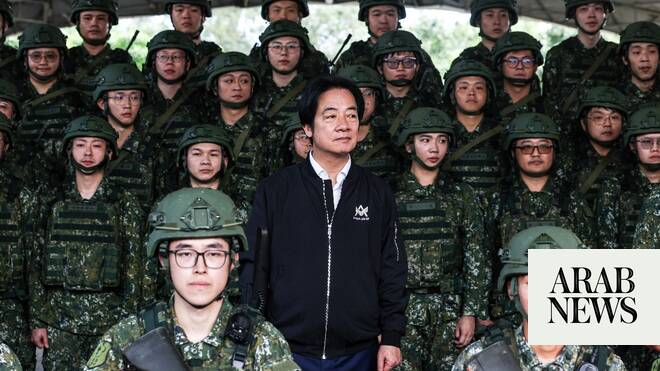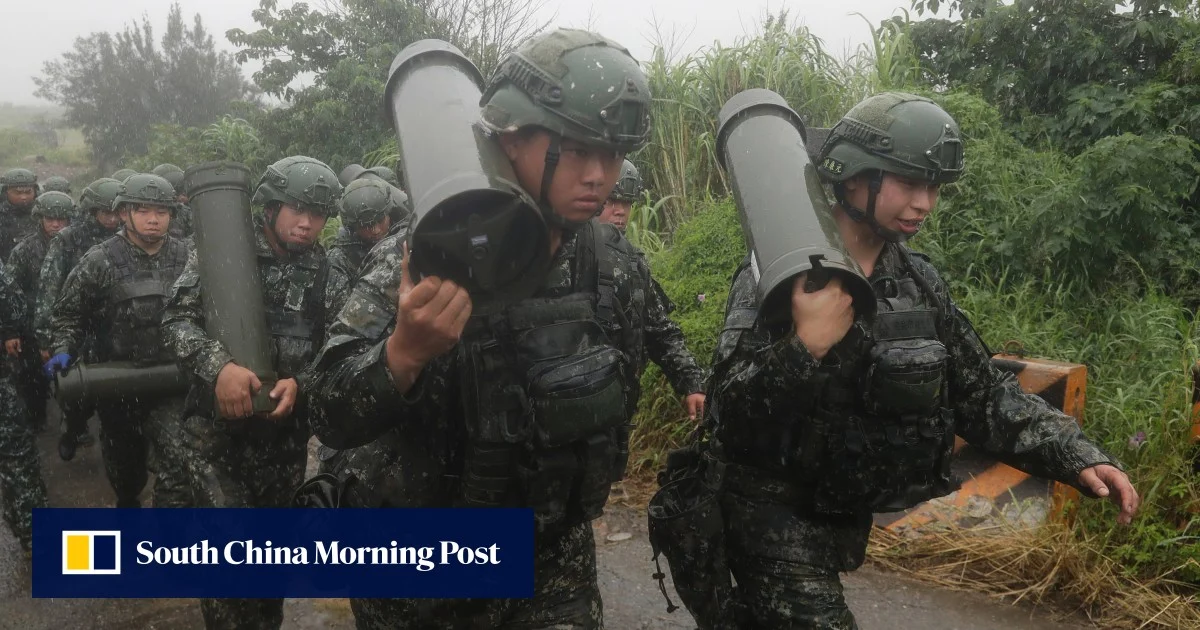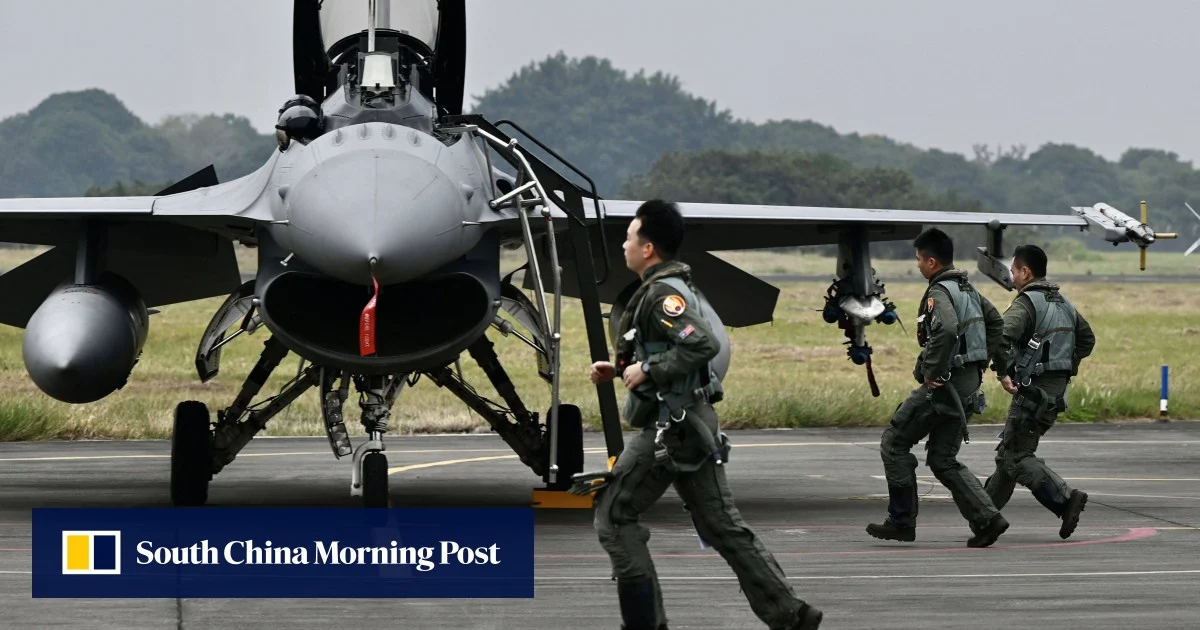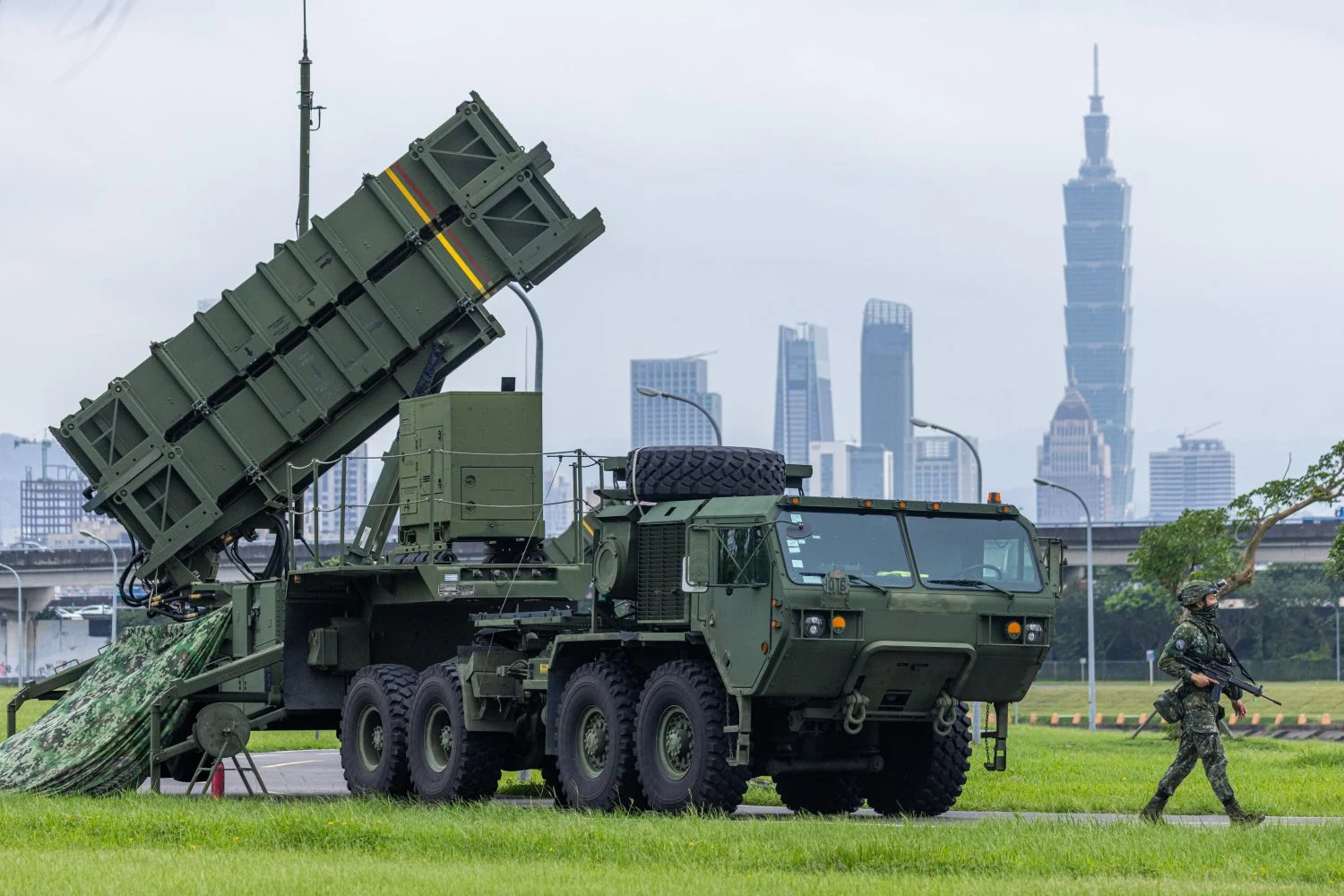
In Washington, much of the debate over Taiwan’s security has focused on the island’s defense budget and purchases of U.S. weapons. On the first, Taiwan is headed in the right direction since President Lai Ching-te pledged to spend 5 percent of GDP on defense by 2030. On the second, the Trump administration has announced that a record $14 billion package of arms sales to Taipei is now on hold as a “negotiating chip” with Beijing. But while it is possible that future U.S. arms deliveries will be delayed or bundled in smaller packages, arms sales will likely continue.
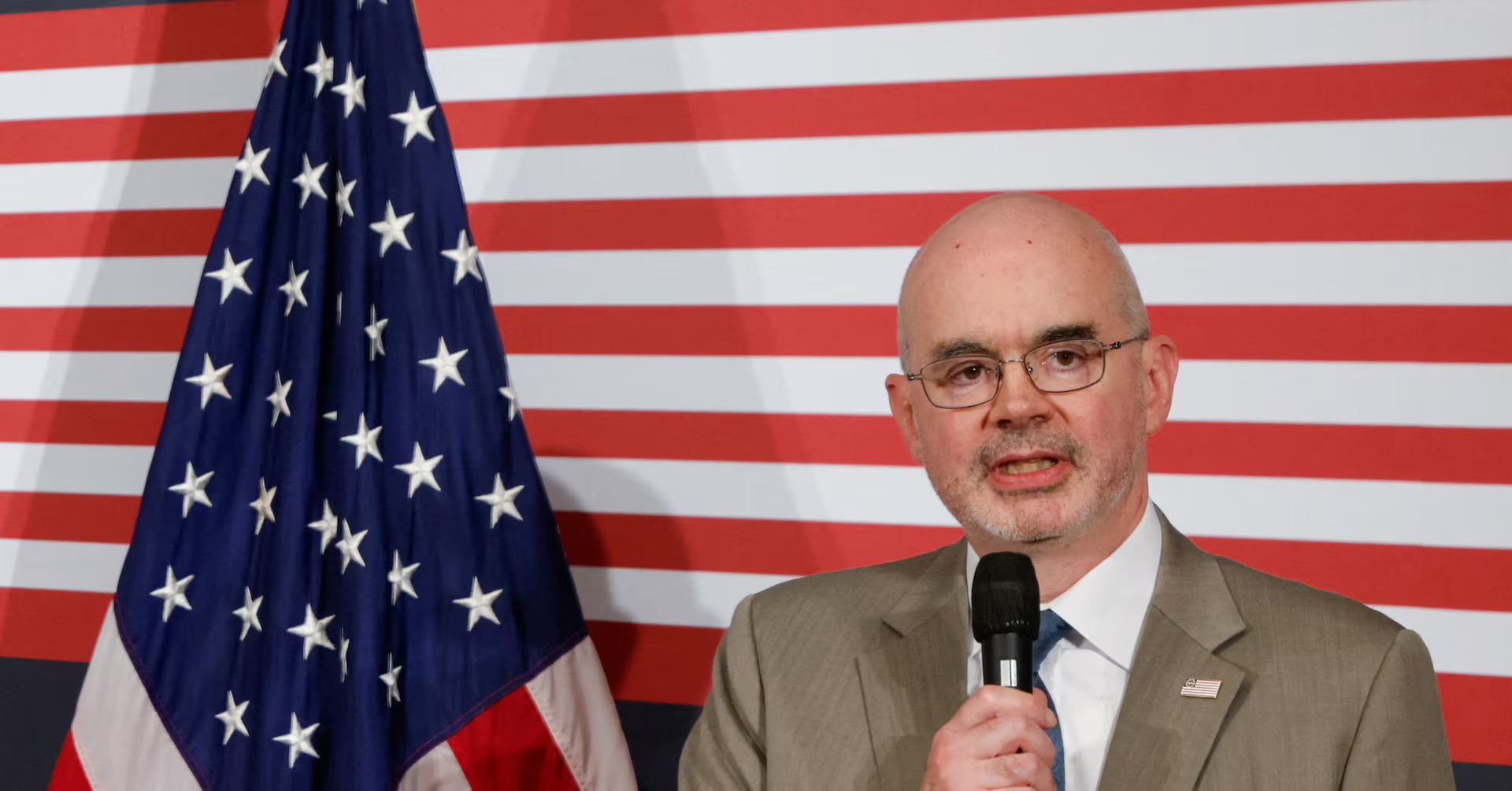
U.S. President Donald Trump has also been ambiguous about the United States’ willingness to come to Taiwan’s assistance if China invaded or blockaded it. Although this is consistent with a long-established U.S. policy of strategic ambiguity on the issue, Trump’s statements stand in contrast to his predecessor’s, Joe Biden, who said that he would intervene to defend Taiwan on multiple occasions—statements that were quietly walked back by a spokesperson each time.
In Washington, much of the debate over Taiwan’s security has focused on the island’s defense budget and purchases of U.S. weapons. On the first, Taiwan is headed in the right direction since President Lai Ching-te pledged to spend 5 percent of GDP on defense by 2030. On the second, the Trump administration has announced that a record $14 billion package of arms sales to Taipei is now on hold as a “negotiating chip” with Beijing. But while it is possible that future U.S. arms deliveries will be delayed or bundled in smaller packages, arms sales will likely continue.