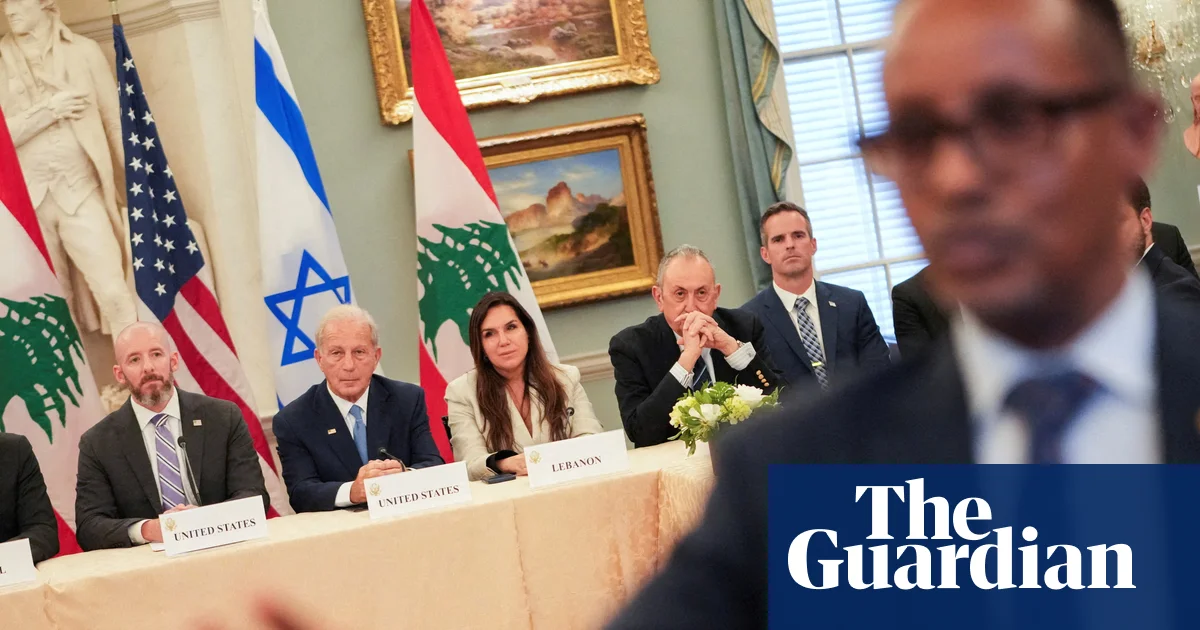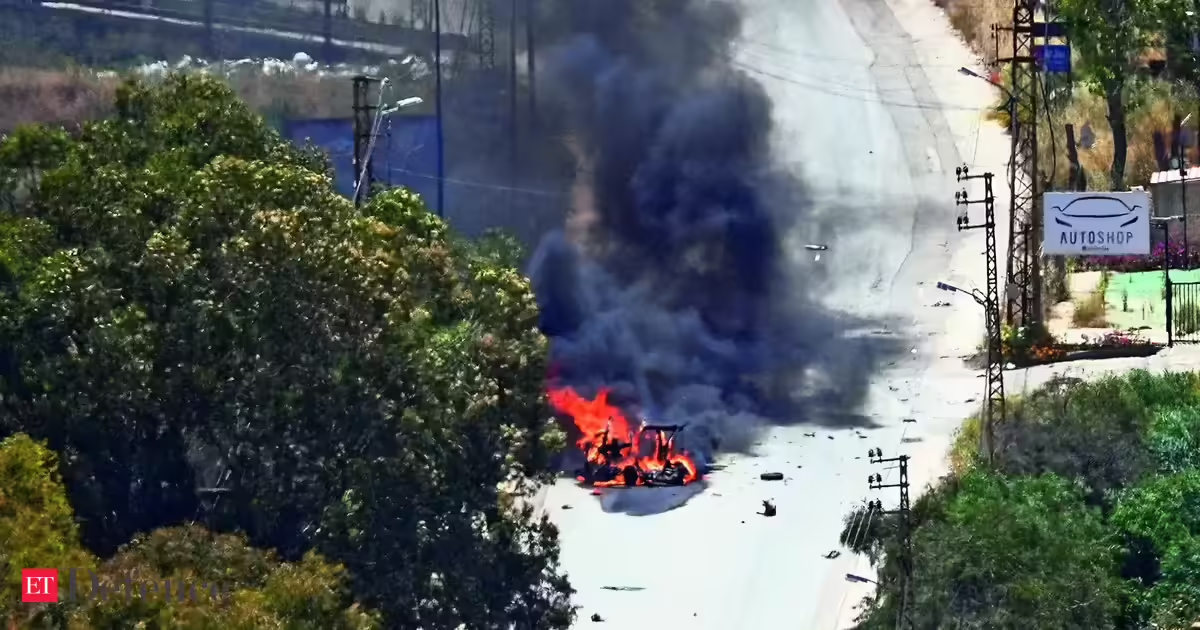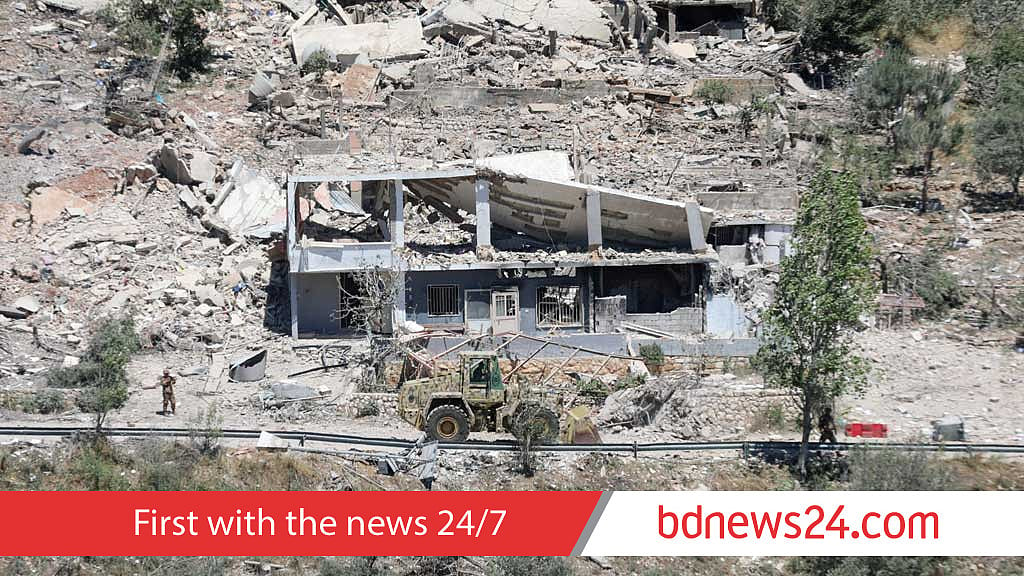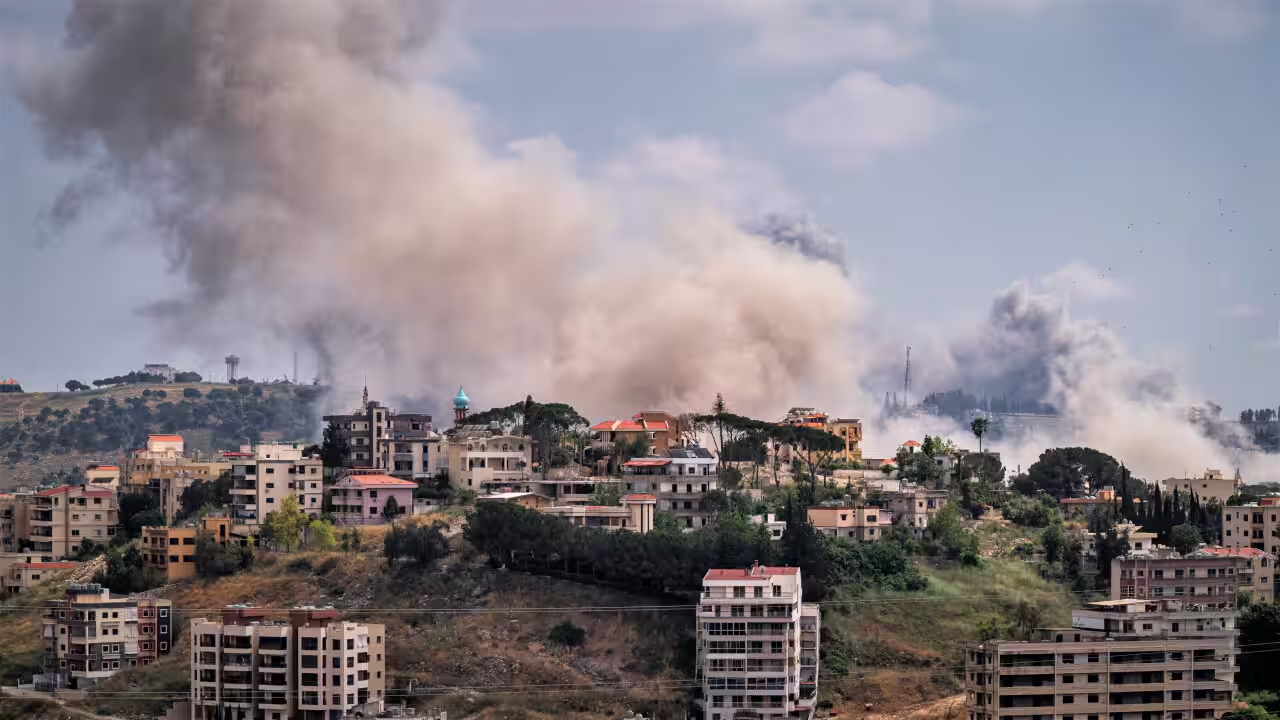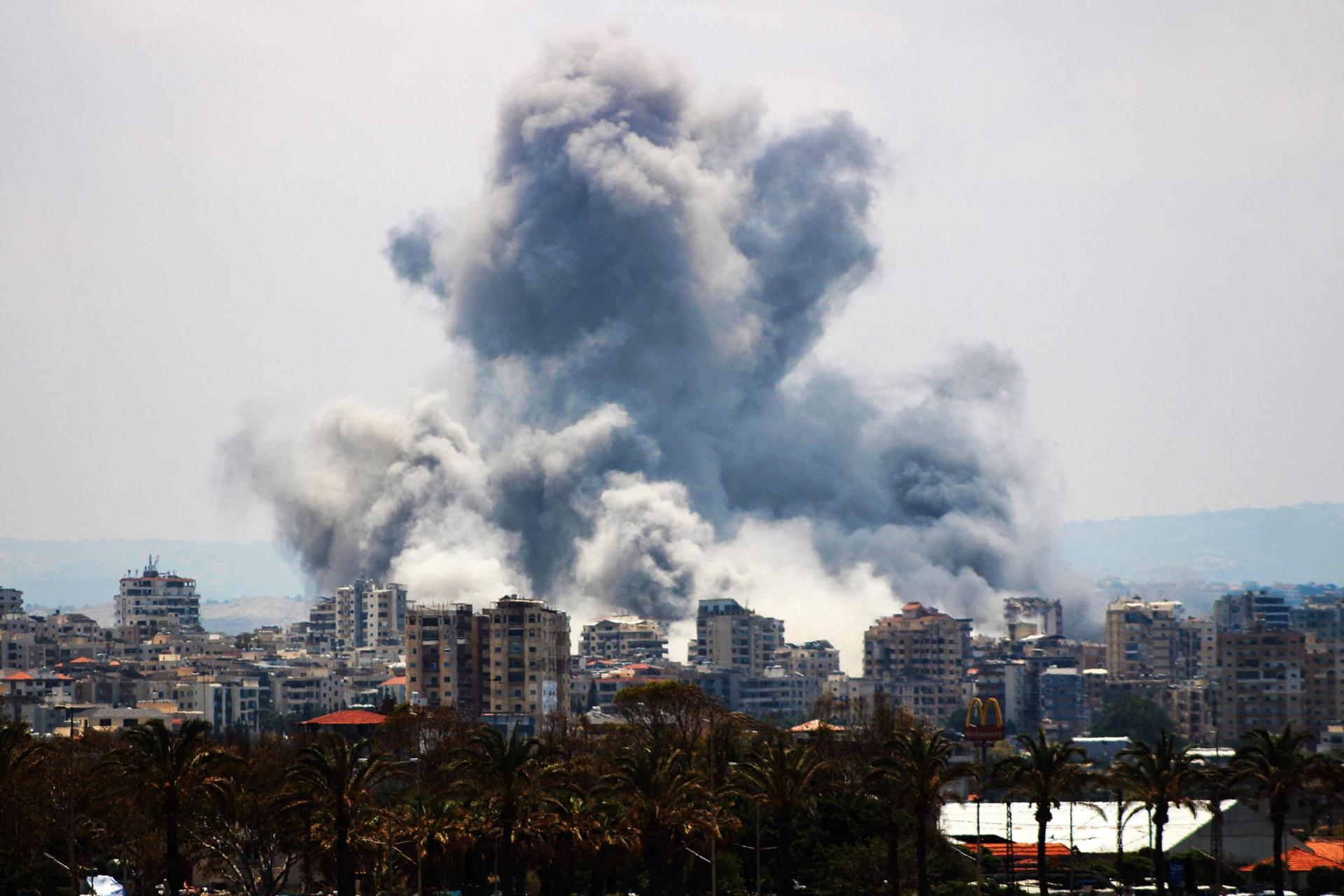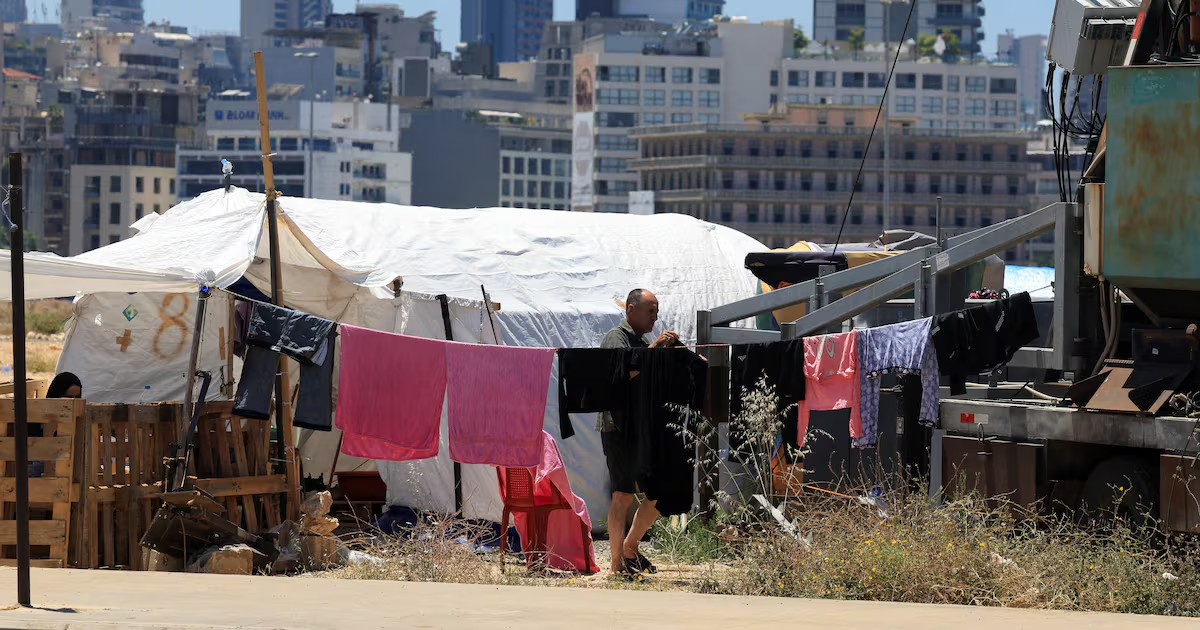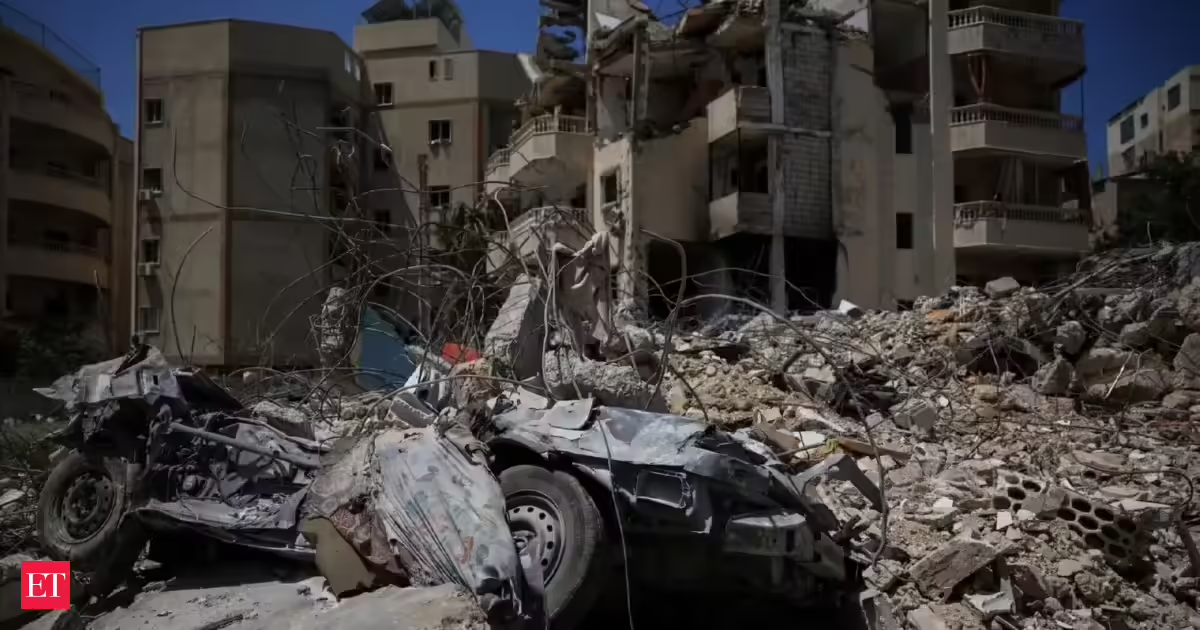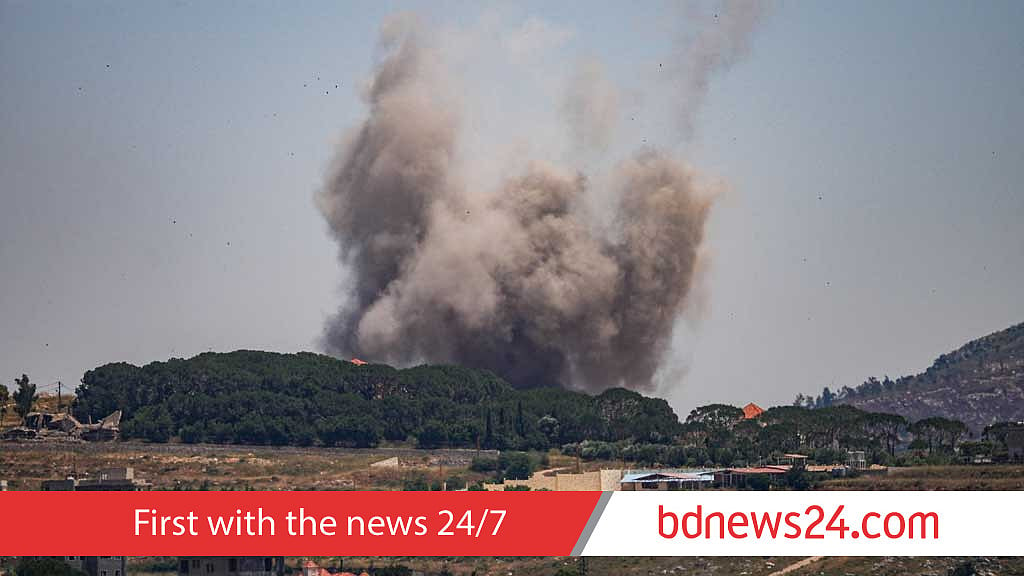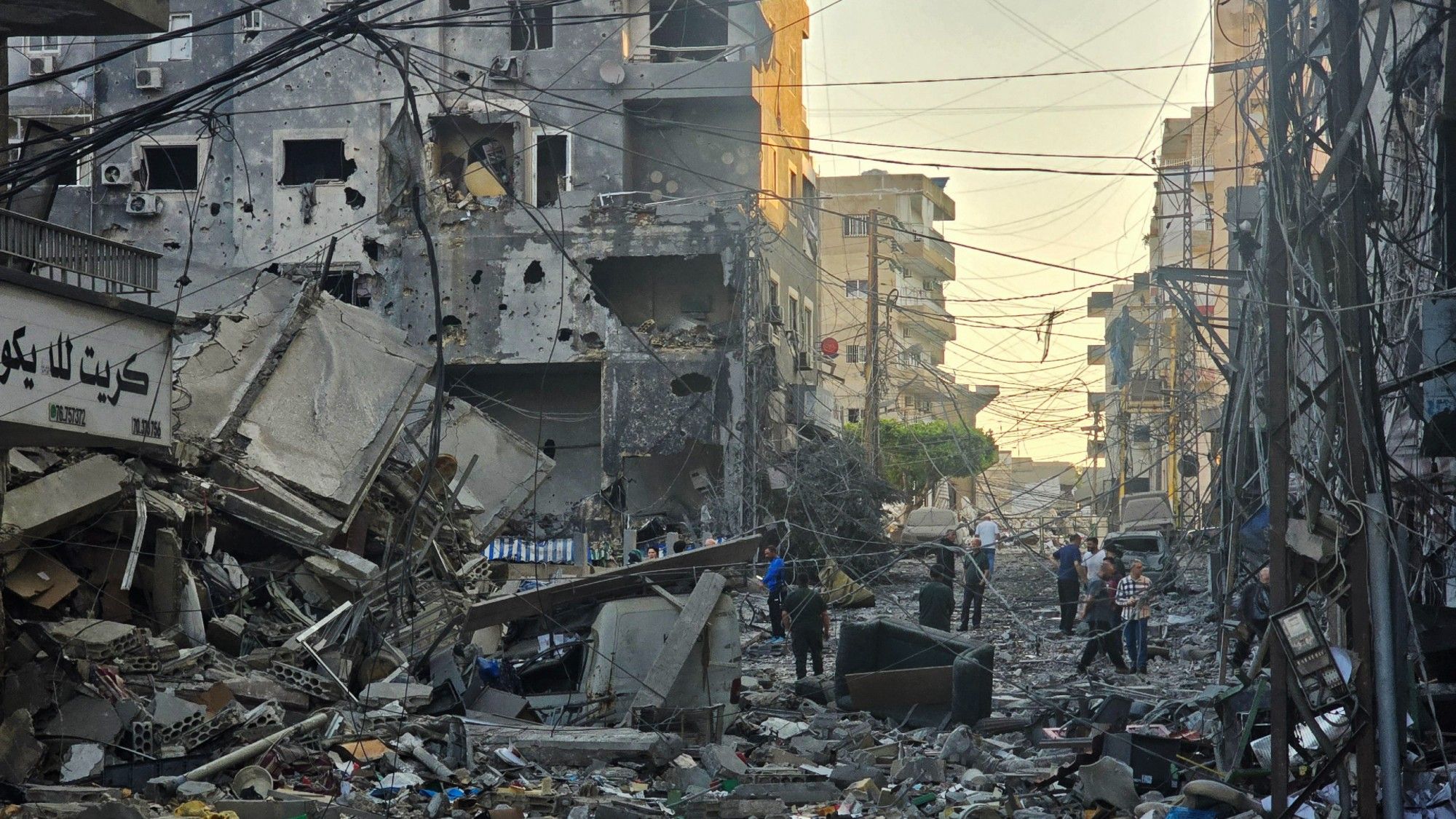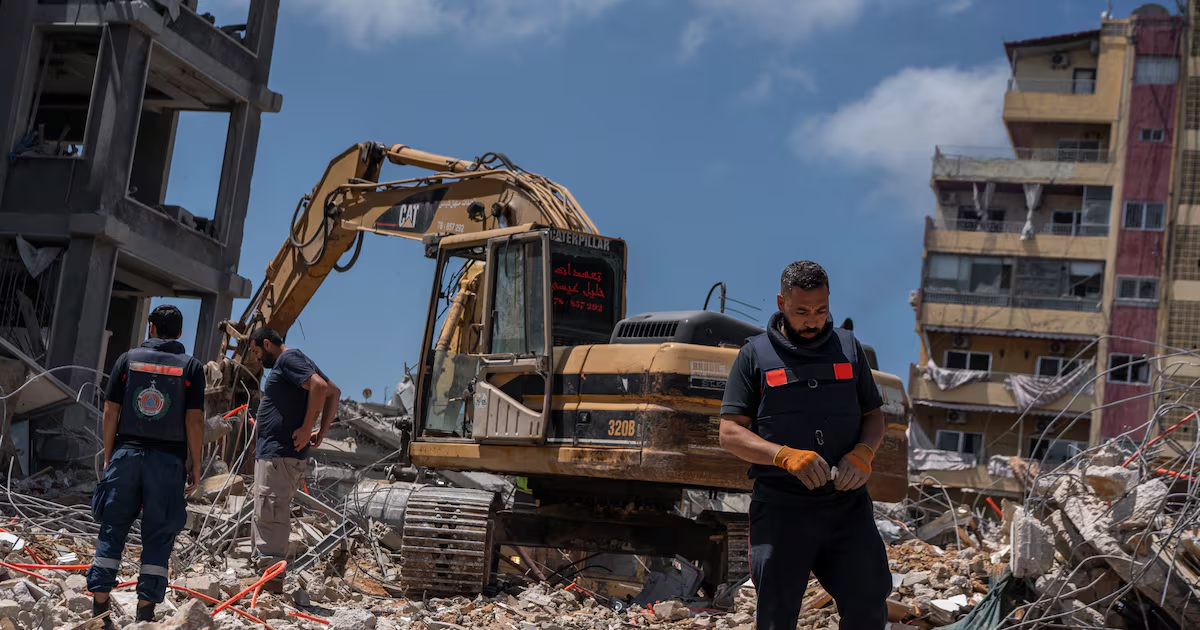
Tehran insists that any ceasefire in the US-Israel war with Iran must also cover the conflict in Lebanon. Hostilities have continued in Lebanon despite the agreement announced on Monday that led Israel to step back from attacking the Hizbullah-controlled southern suburbs of Beirut, and the Iran-backed group to halt cross-border strikes. In exchange for the lifting of sanctions, the Trump administration has demanded an end to Iran’s nuclear programme – which has been largely destroyed by US-Israeli bombs – and the termination of Iran’s regional alliances with Yemen’s Houthis, Iraqi Shia militias, and Hizbullah in Lebanon.While Lebanon’s government has pledged to disarm Hizbullah and other armed militias, its army cannot implement this commitment. There are contradictory reports about a potential Israeli withdrawal from southern Lebanon, while the US has suggested it could train the Lebanese army to assume control of the border zone and prevent attacks by Hizbullah on Israel. According to Lebanon’s health ministry, more than 3,500 people have been killed by Israeli attacks since March 2nd, when Hizbullah opened fire in solidarity with Iran. The ministry says those killed include a total of 705 women, children and medics. The health ministry toll does not say how many combatants are among the dead. More than 1.2 million people have been displaced. Israel says 26 of its soldiers and four civilians have been killed in Hizbullah attacks since March. With his domestic approval rating low in advance of November’s midterm elections, US president Donald Trump wants the Strait of Hormuz to be reopened as quickly as possible. The strait, which was blocked by Iran after the war began in late February, handled the transport of about 20 per cent of global oil and gas exports. Trump has predicted a deal within a week, but Iran is not in a hurry and insists its demands be met before traffic can flow. [ Signs of strain surface in Trump-Netanyahu relationshipOpens in new window ]Tehran does not trust Trump, who in 2018 withdrew from the 2015 agreement to lift sanctions on Iran in exchange for limits on its nuclear programme. Negotiated over 18 months and endorsed by the UN Security Council, that deal was concluded when Iran’s nuclear facilities were “primitive” in the view of United Nations monitors.Tehran’s ceasefire demands are: an end to the US-Israel war on Iran; a halt to Israel’s campaign in Lebanon and withdrawal from the south; international commitments that Iran will not be attacked again; compensation for war damage; the unfreezing of Iranian foreign assets; and an end to sanctions that prevent Iran from selling oil and trading freely. In the absence of a deal, Iran has threatened to block not only Hormuz but also Bab al-Mandab, the Red Sea gateway, which would impact Saudi oil exports. – Additional reporting: Reuters
Iran insists ceasefire must cover conflict in Lebanon
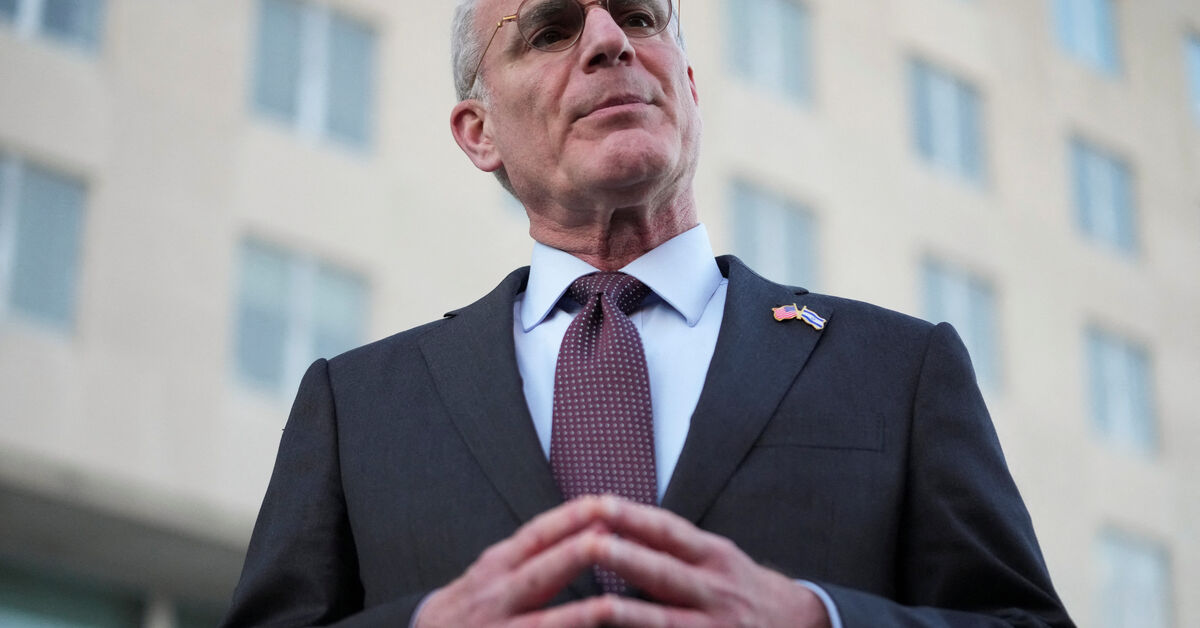
Donald Trump is demanding an end to Tehran’s nuclear programme
463 words~2 min read