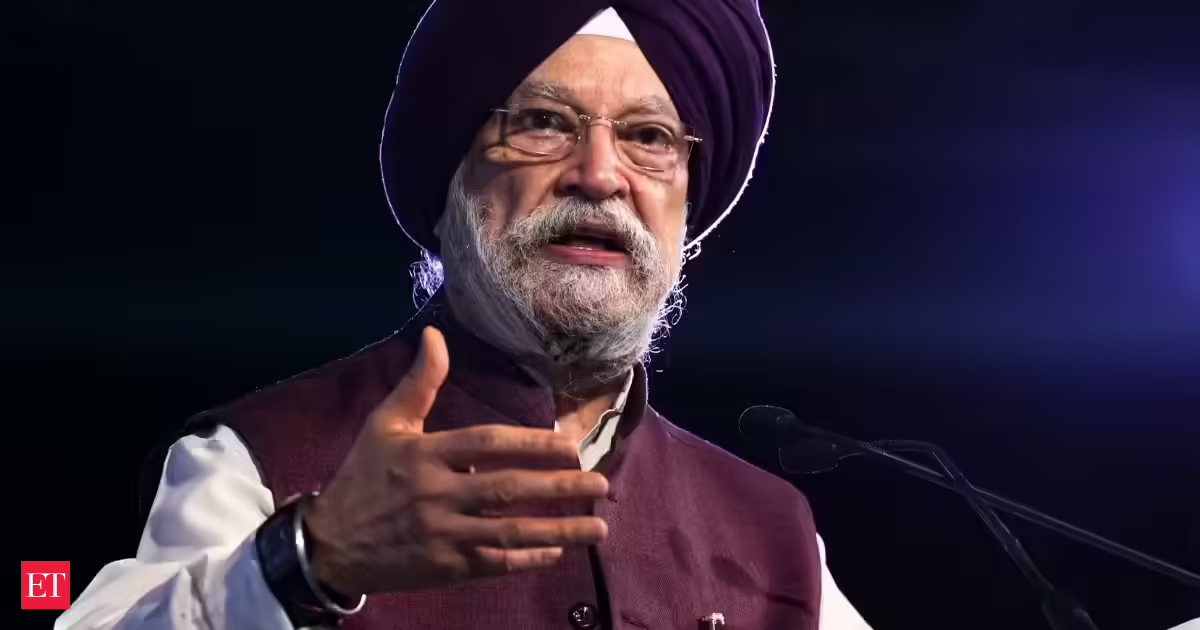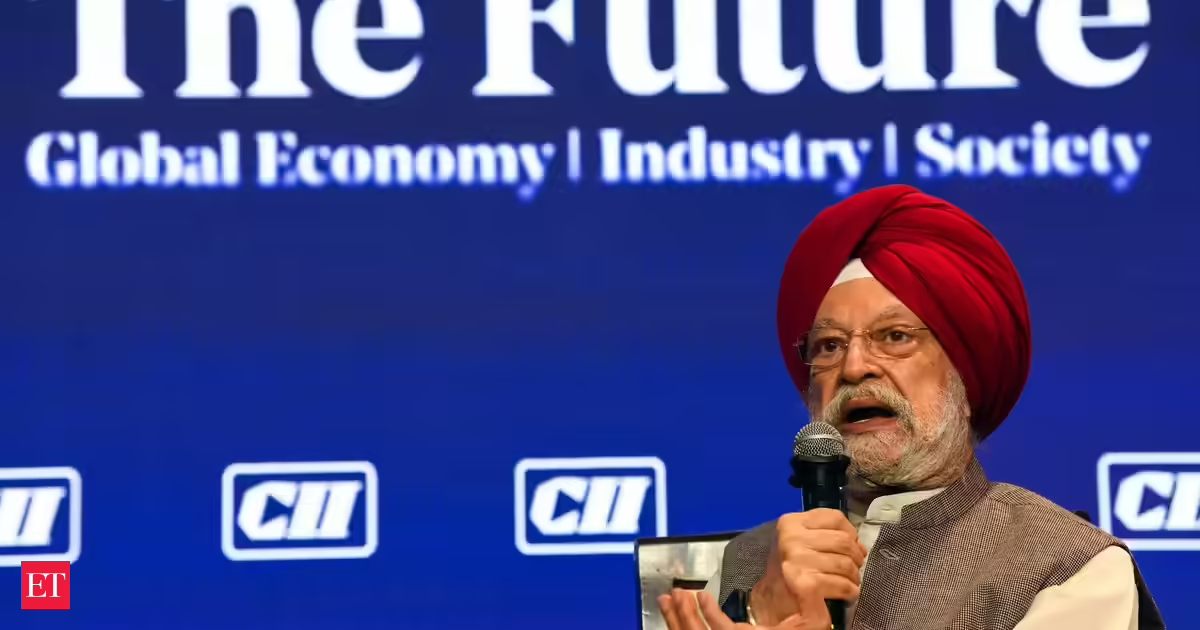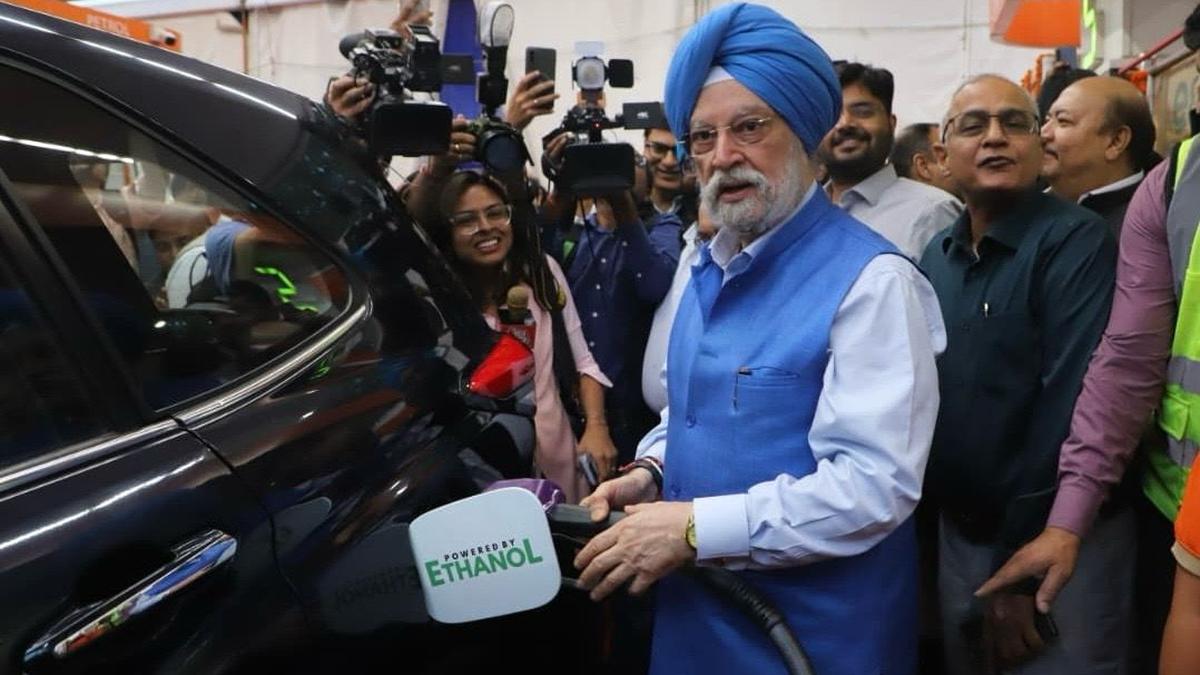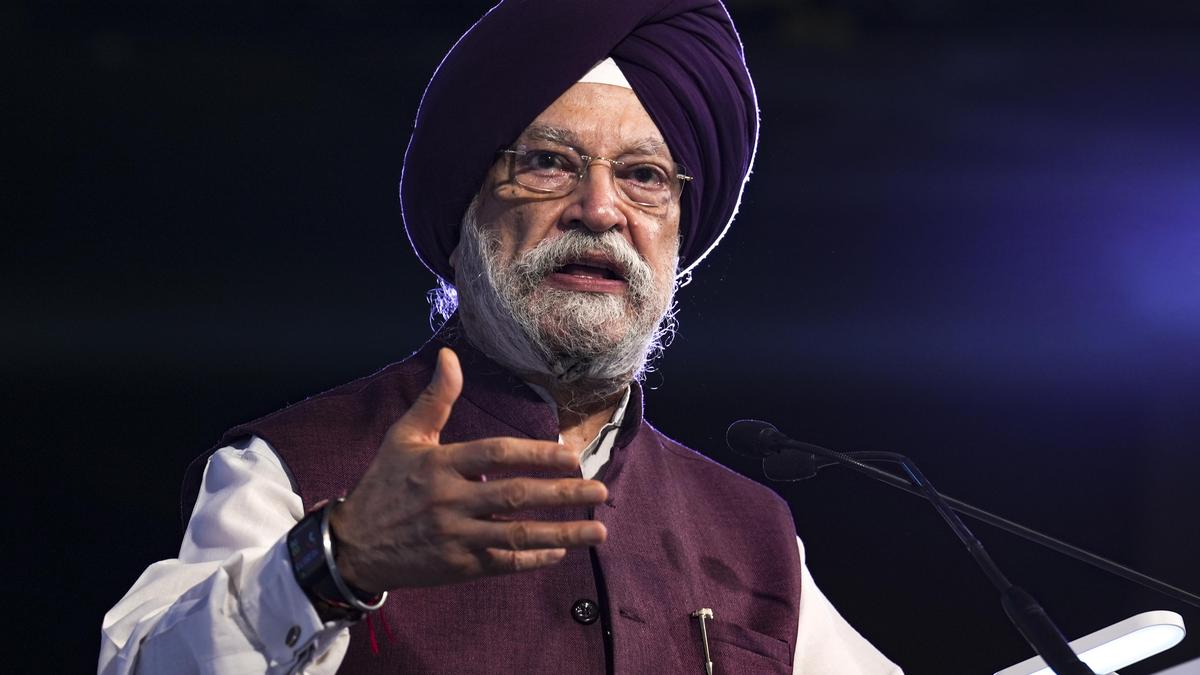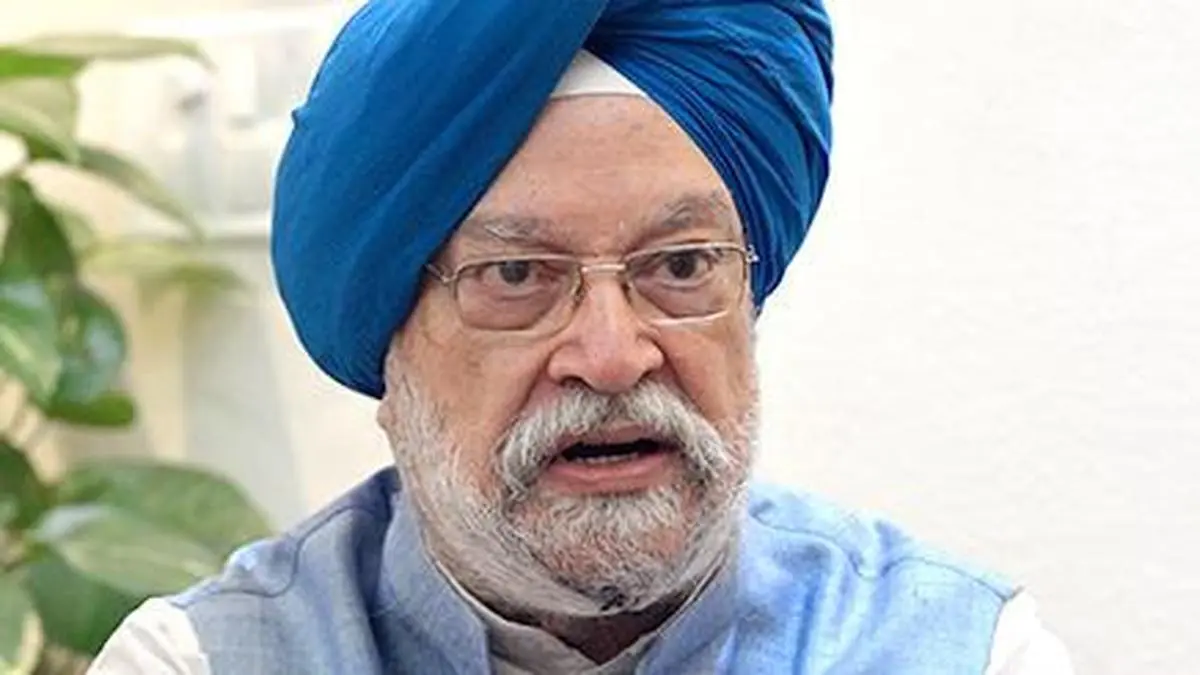
Hardeep Singh Puri, Union Minister for Petroleum and Natural Gas
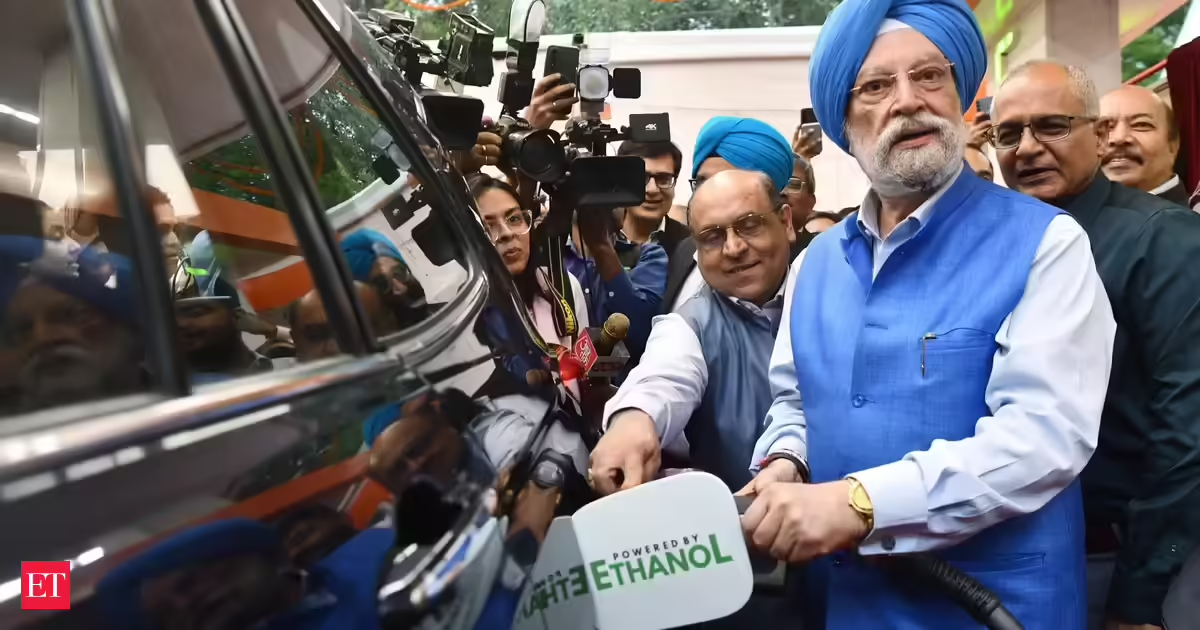
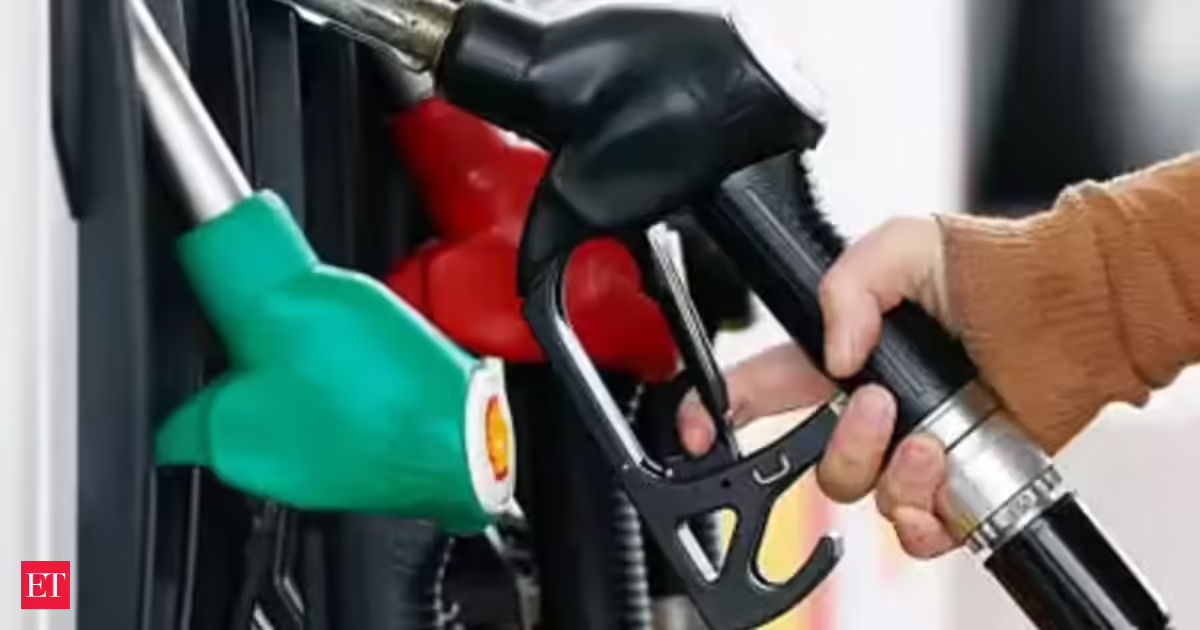
New DelhiThe Centre is working on a pricing framework for E85 ethanol-blended fuel that will make it significantly cheaper than regular petrol as part of efforts to accelerate flex-fuel vehicle adoption and reduce dependence on imported crude oil.According to Hardeep Singh Puri, Union Minister for Petroleum and Natural Gas, the Centre is actively examining policy measures to support the rollout of higher ethanol blends.“E85 fuel will be used for vehicles compliant with E85. It will be substantially cheaper than normal fuel,” said Puri at the launch event of Hero MotoCorp’s flex-fuel variants of Splendor and HF Deluxe motorcycles in New Delhi.The Minister did not provide details on the proposed pricing structure but he indicated that a policy announcement could be made shortly. “We are actively examining supportive policy frameworks to accelerate affordable adoption,” he said. “I’ve already said it will be substantially cheaper. You’ll find out in a few days.”Ethanol pushThe development comes as India seeks to move beyond its conventional ethanol-blending programme, which has emerged as a key pillar of the government’s strategy to lower crude oil imports, reduce emissions and support rural incomes. Besides, Puri said that India has increased ethanol blending in petrol from around 1.5 per cent in 2014 to 20 per cent currently, achieving its original 2030 target six years ahead of schedule.The Minister said the ethanol-blending programme has helped save ₹1.84 lakh crore in foreign exchange, substitute 302 lakh metric tonnes of crude oil and reduce carbon dioxide emissions by 909 lakh metric tonnes. In addition, farmers have earned around ₹1.58 lakh crore through ethanol production, he added.Puri said the launch of Hero MotoCorp’s flex-fuel motorcycles marks India’s entry into mass-market flex-fuel mobility. The Minister noted that even a limited shift towards E85-compatible vehicles could generate substantial ethanol demand.Puri added that India’s future mobility strategy will not rely on a single technology pathway, but will combine electric vehicles, biofuels, hydrogen and renewable energy solutions based on sectoral requirements.“A calibrated approach comprising fuel price support and targeted fiscal incentives can create strong consumer economics and accelerate adoption,” he said.At present, India has an active fleet of more than 300 million two-wheelers, giving an opportunity for wider adoption of ethanol-based fuels. Consequently, if only one per cent of annual petrol vehicle sales transition to E85 during the 2026-27 ethanol supply year, more than 40 million litres of incremental ethanol demand could be created, while foreign exchange savings may reach approximately ₹195 crore.Published on June 3, 2026