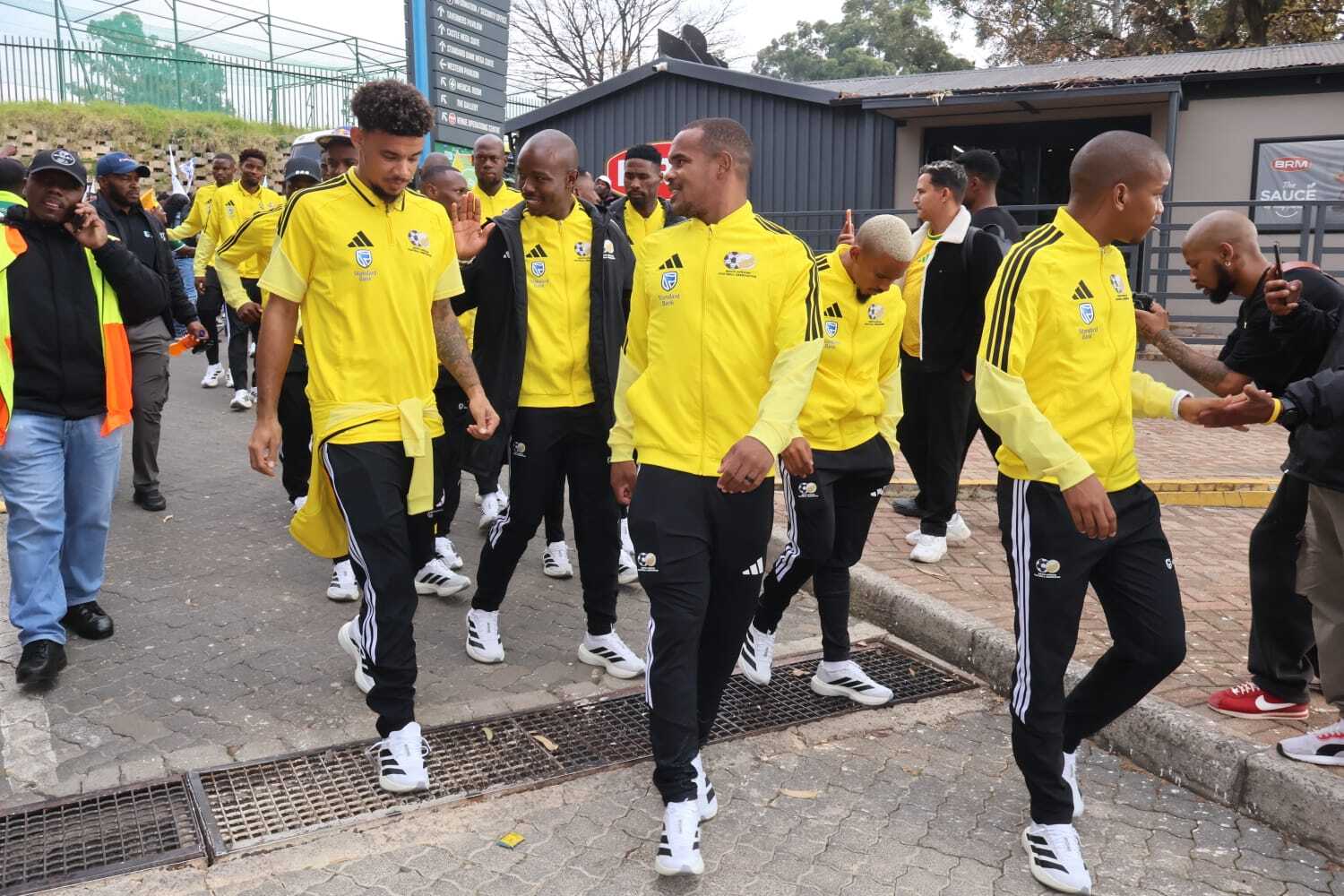
Bafana Bafana will take on Mexico in the opening game on 11 June. (Bafana Bafana/X)
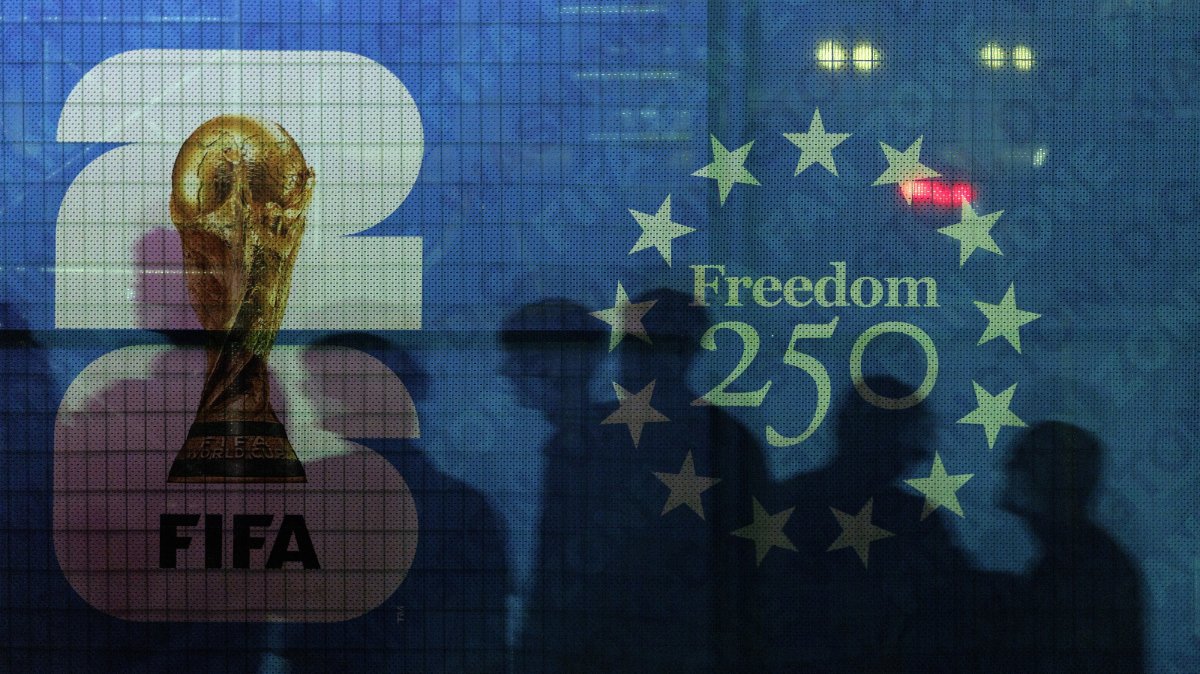
The FIFA World Cup begins on 11 June 2026, hosted across Canada, Mexico and the United States—the first time the tournament has been shared by three countries. It opens, however, in a world gripped by convulsions: war in the Middle East, war in Sudan, insecurity across the Sahel, and conflict and tension in many other regions. Even public health anxieties have not disappeared. At such a moment, any event that gathers humanity around a common spectacle carries a significance larger than entertainment. It reflects not only our vulnerabilities, but also our aspirations and our capacity for joy.
The World Cup has never been insulated from politics or war. The 1934 tournament in Mussolini’s Italy was deployed as a showcase for fascist propaganda. The 1978 World Cup in Argentina unfolded under a military dictatorship that sought international legitimacy even as it faced accusations of grave human rights abuses. Two World Cups—those scheduled for 1942 and 1946—were cancelled altogether because of the Second World War. Football does not stand outside history. It plays within history, and sometimes helps to shape it.