The Pulse | Diplomacy | South Asia
Bangladesh’s security lies not in becoming part of someone else’s strategic rivalry, but in becoming economically strong, diplomatically flexible, and internally legitimate.
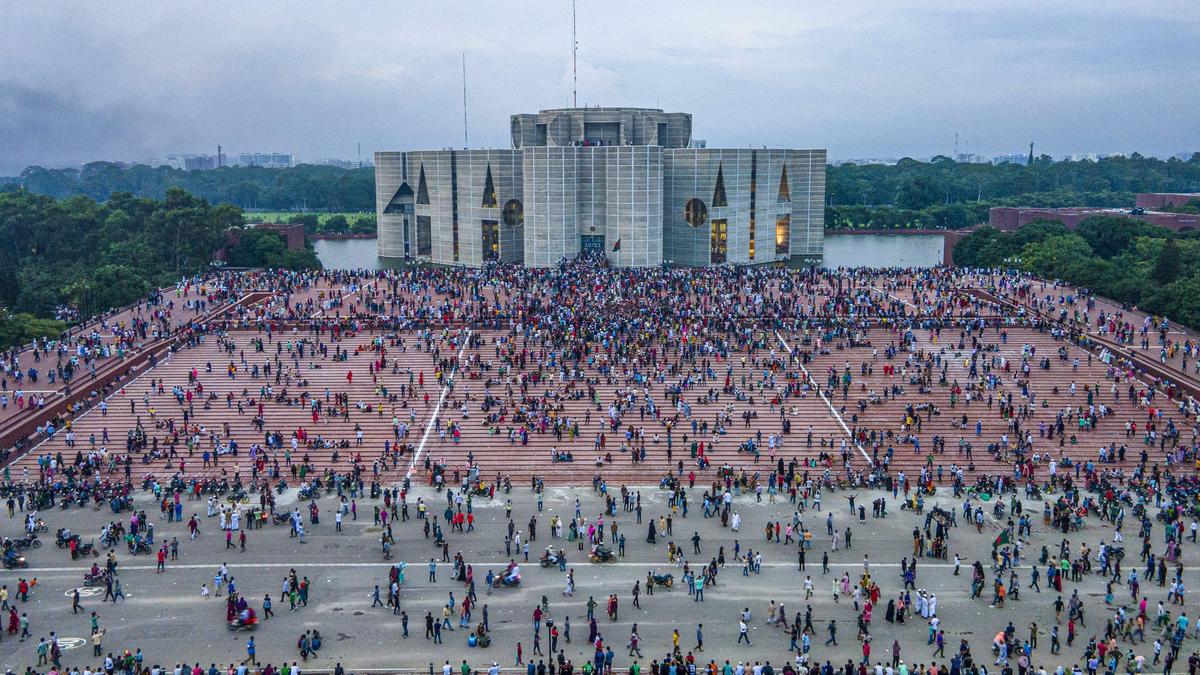
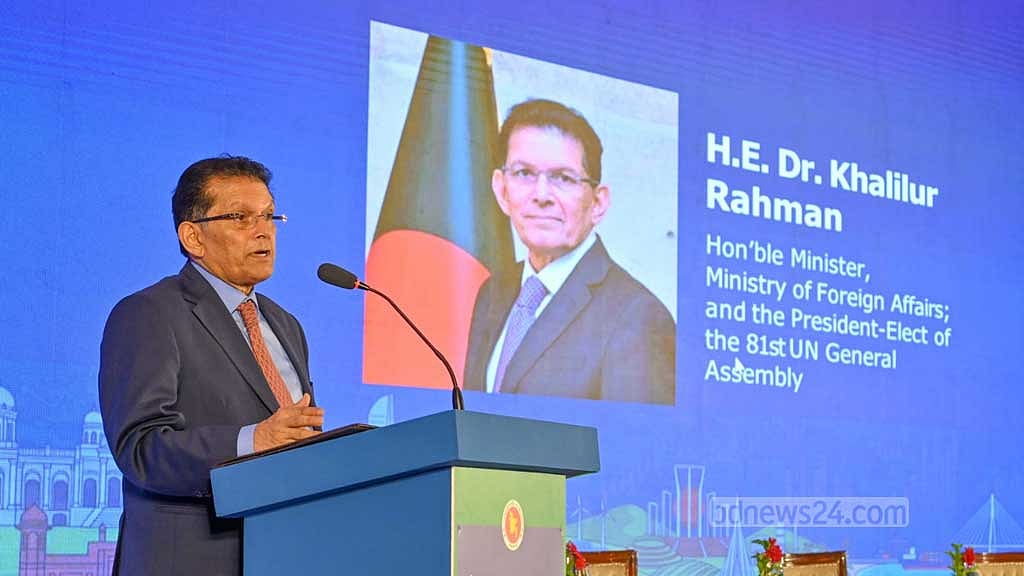
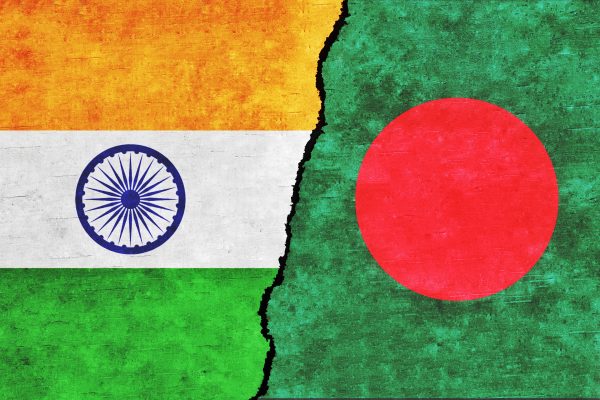
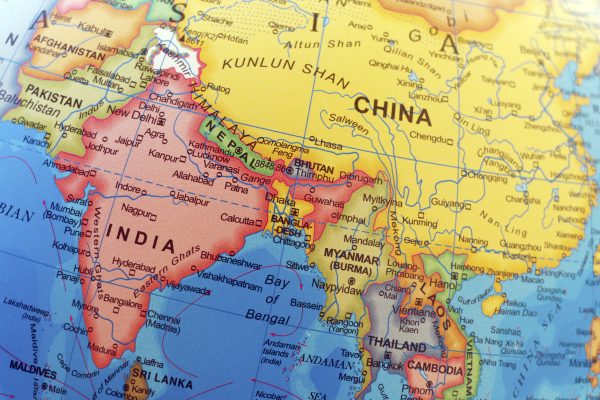
Bangladesh is entering a decisive phase in its political and economic evolution. After the upheavals that began with the fall of Sheikh Hasina’s government in August 2024, followed by a period of interim government rule under Muhammad Yunus, and then the formation of a new Bangladesh Nationalist Party (BNP)-led government under Tariq Rahman, Dhaka faces two urgent tasks. The first is domestic: to restore public confidence in governance and revive an economy damaged by the COVID-19 pandemic, political turmoil, and instability from the Iran war. The second is external: to manage relations with four nuclear powers — India, China, Pakistan, and the United States — without becoming subordinate to any one of them.
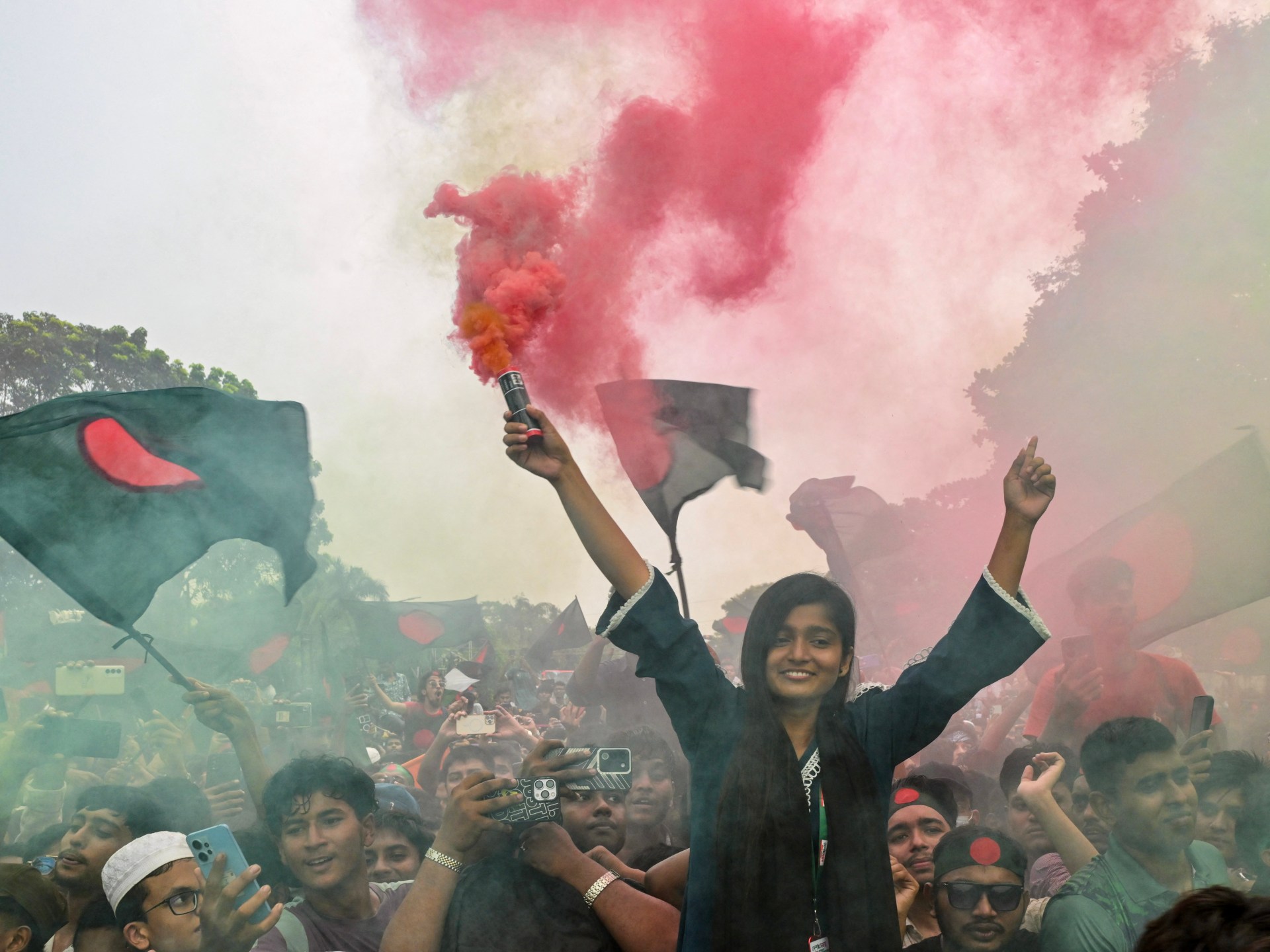
The most important priority for Bangladesh must be the economy. Foreign policy realignment may attract headlines, but for ordinary Bangladeshis, the central issues remain jobs, growth, inflation, exports, investment, and the fair distribution of public goods. The anger that brought down the previous order was not only about authoritarianism; it was also about a perception that the benefits of growth were distributed selectively. Young people, especially Gen Z, felt excluded from opportunity. Therefore, the new system cannot simply replace one political party and network with another. Its legitimacy will depend on whether it can convince citizens that the state serves the public rather than the ruling party.