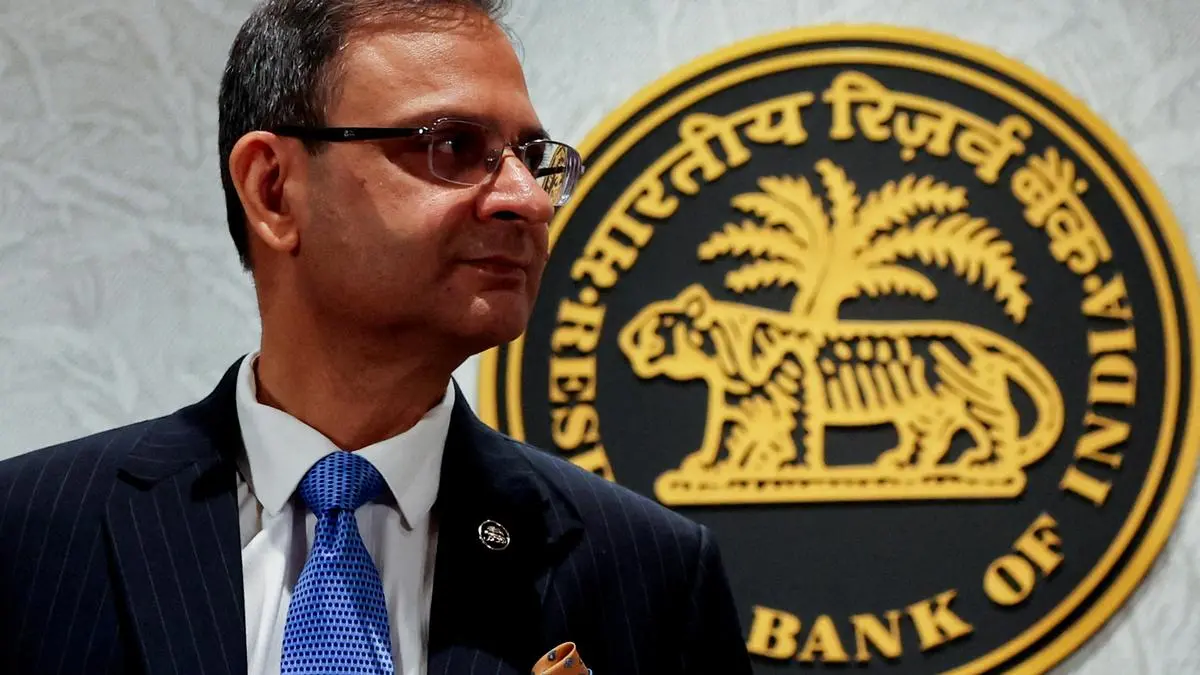
SynopsisIndian banks face a new era of resilience. RBI Deputy Governor Swaminathan J highlighted the need to manage complex uncertainties from geopolitics, climate change, and AI. This shift moves beyond balance sheet stress. Banks must adapt to unpredictable risks. The Indian financial system is entering this phase with strong fundamentals.ANI RBI Deputy Guv Swaminathan JKolkata: Banks need to be prepared for managing uncertainties from varied sources beyond their balance sheets since shocks can emerge from geopolitics, climate change, artificial intelligence (AI), technological disruption and the reordering of supply chains, Reserve Bank of India deputy governor Swaminathan J said Monday."The next phase of banking resilience will be less about addressing known balance sheet stress and more about managing complexity and uncertainty," Swaminathan said on June 1, while delivering a speech on "Resilience by Design: Lessons from India’s Banking Sector" at Columbia University.RBI published the speech Wednesday."A weak banking system can quickly transmit stress from financial balance sheets to firms, households, public finances and the broader economy," Swaminathan warned.Also Read | RBI likely to hold rates as West Asia crisis impact on growth remains unclear: Bank of Baroda ReportHe called for attention from banks as well as supervisors as AI, cyber risk, third-party dependencies and climate-related risks raised the level of financial interconnectedness."The task, therefore, is not only to prepare banks for known risks, but also to make them adaptable to risks whose timing, form and transmission may be difficult to predict," he said, even as the Indian financial system enters this uncertain phase with healthier balance sheets, comfortable capital buffers, improved profitability and non-performing assets at multi-decade lows.The entire financial ecosystem has become more interconnected with banks, non-banking financial companies, fintech entities, payment systems and third-party technology partners enjoying a fair share in credit delivery, payments, customer acquisition, servicing, making the transmission of risk more complex. Swaminathan however gave credit for banks' resilience to improved supervisory vigilance, stronger prudential frameworks, transparent recognition of stress, credible repair mechanisms and improvements within banks themselves.Also Read | RBI reviews expected credit loss rules amid concerns over impact on SME credit costsThe regulator also underscored the need for stronger underwriting standards and fair lending practices amid the expansion of retail credit and digital lending,"Retail credit, digital lending and microfinance have expanded access, but they also require careful underwriting, fair recovery practices and close monitoring of borrower leverage," he said.The broader Indian economy has also shown resilience, supported by strength in industrial and services activity, broad-based demand and improving corporate performance. Despite supply-chain disruptions, local inflation remained well within RBI's target level of 4%."Risk has a habit of building quietly in good times and introducing itself loudly when conditions change," he said, calling for improved governance and risk discipline. "Resilience must therefore be built before it is tested," he said.Read More News on...moreless
RBI’s Swaminathan warns banks on rising risks beyond balance sheets
Indian banks face a new era of resilience. RBI Deputy Governor Swaminathan J highlighted the need to manage complex uncertainties from geopolitics, climate change, and AI. This shift moves beyond balance sheet stress. Banks must adapt to unpredictable risks. The Indian financial system is entering this phase with strong fundamentals.
TL;DRAI
RBI Deputy Governor Swaminathan warns banks to manage unpredictable risks from geopolitics, AI, climate beyond balance sheets. Tech leaders must strengthen governance and third-party risk frameworks as regulatory focus shifts to AI, cyber, and ecosystem resilience.
467 words~2 min read