Column
Obesity Medicine Association
June 03, 2026
8 min read
Add topic to email alerts
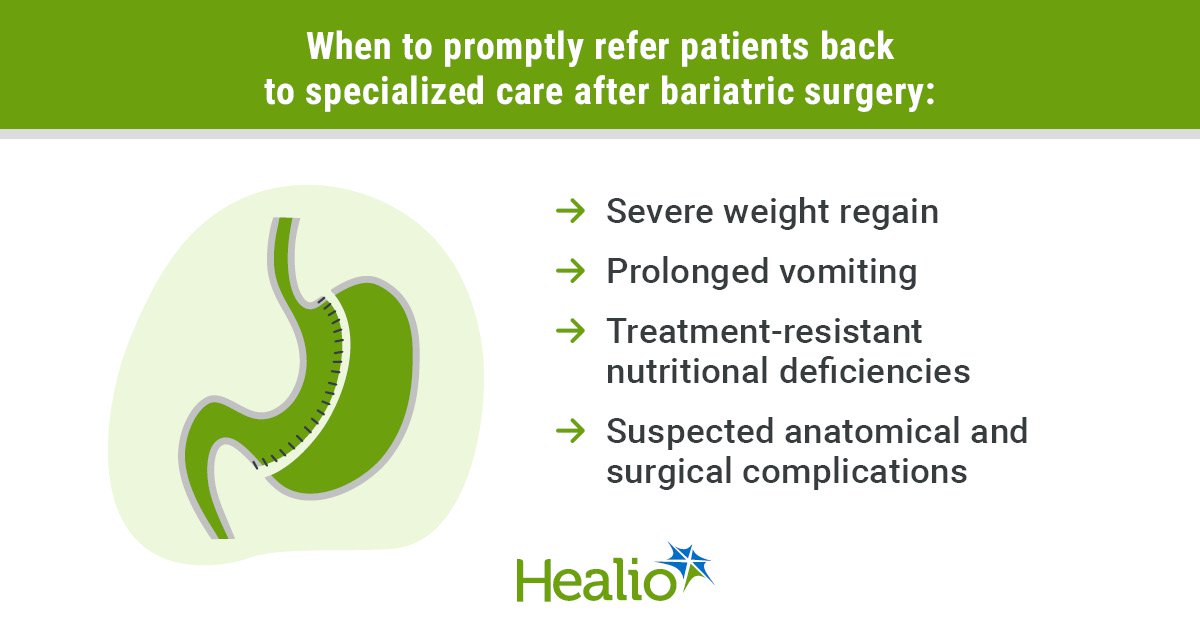
Bariatric surgery is one of the most effective interventions for chronic weight management and the treatment of obesity. However, it is not a one-time intervention.Long-term outcomes depend on ongoing clinical care, with clinicians playing a crucial role in monitoring progress, managing complications and providing ongoing support to patients over time.
Bariatric surgery achieves type 2 diabetes remission 30-70% at 10 years, hypertension remission 56-60%. Lifelong clinical monitoring with annual labs and supplementation is critical; ~24% diabetes and 54% hypertension relapse within years.
Column
Obesity Medicine Association
June 03, 2026
8 min read
Add topic to email alerts

Lifestyle intervention remains a core component of obesity management, alongside the emergence of more potent pharmacotherapy.The…
AGA’s recent white paper provides a framework to navigate the latest innovations in obesity care, including GLP-1 receptor…

Bariatric surgery may confer greater long-term weight loss than semaglutide or tirzepatide for adults with obesity, according to…

Find the latest Primary Care and Obesity news articles, videos, podcasts, and meeting coverage from medical experts and key…
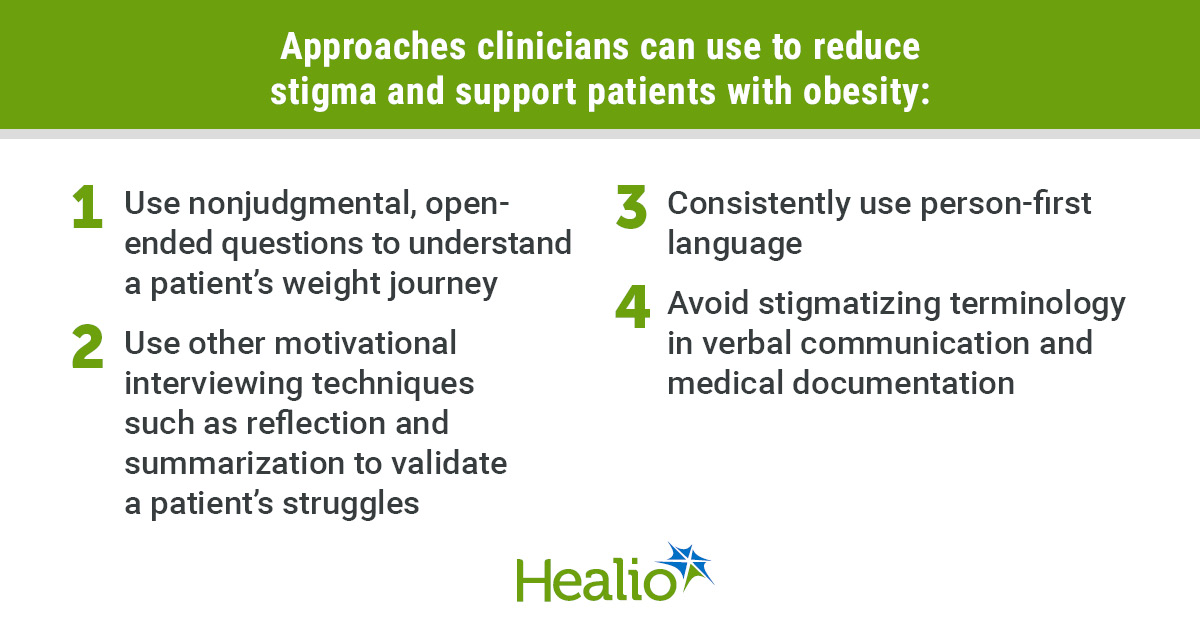
Weight bias and stigma have been increasingly recognized as a major barrier to effective obesity care and the mental well-being…

People who undergo bariatric surgery and see substantial weight loss are better able to cope with household tasks such as…