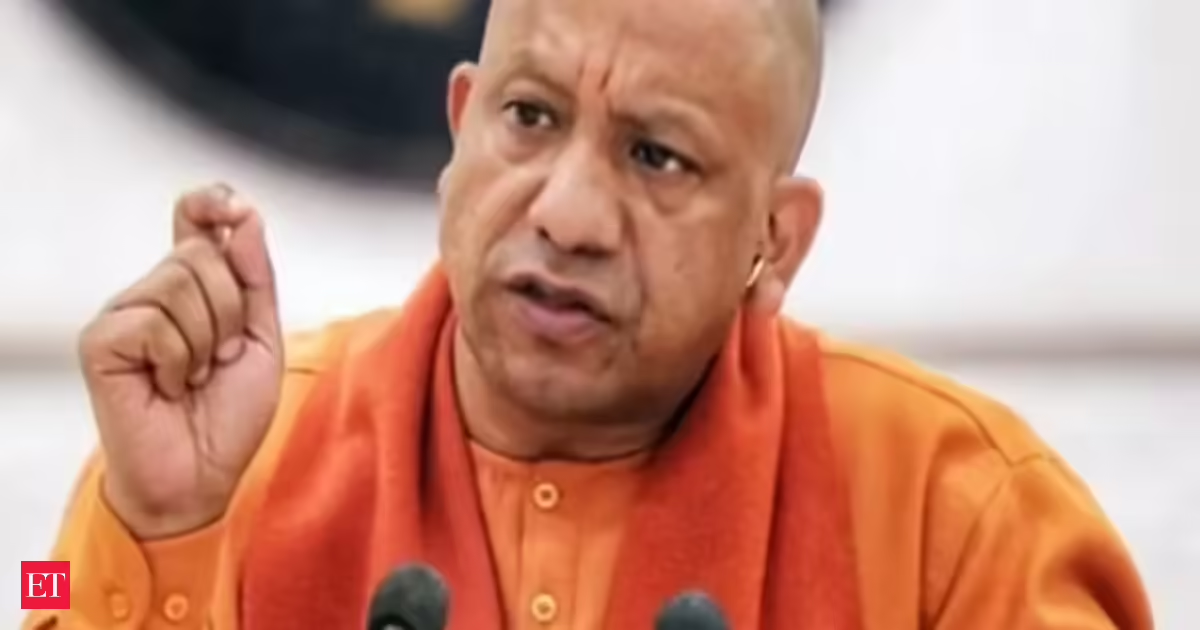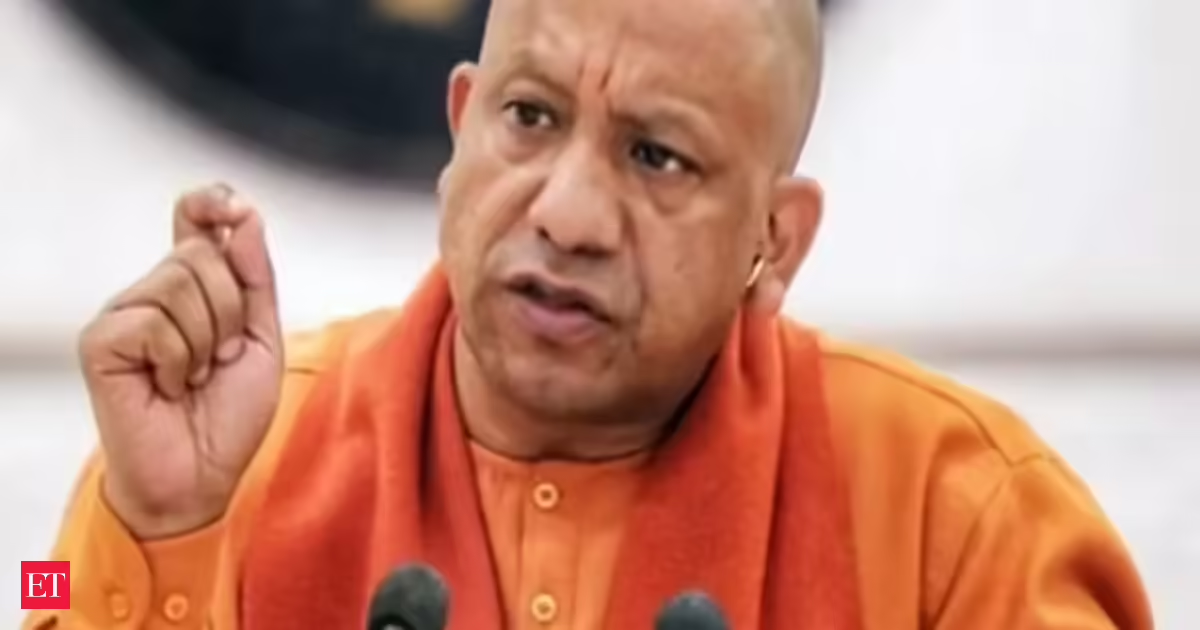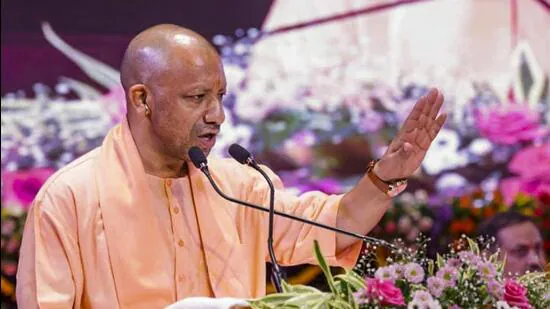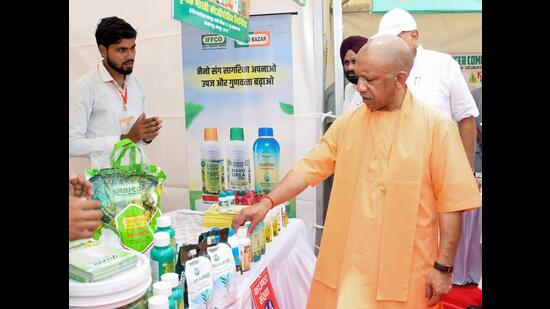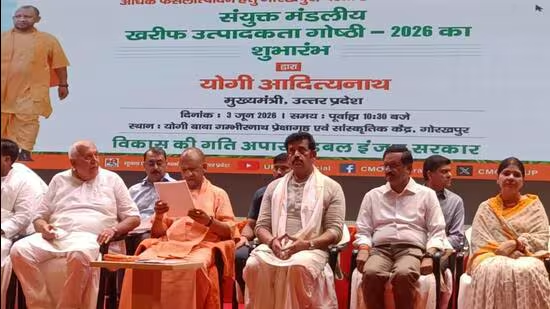
Chief minister Yogi Adityanath on Wednesday said that empowering farmers is essential to India’s journey towards self-reliance and highlighted Uttar Pradesh’s growing role in the country’s agricultural sector. He said the state contributes 21% of India’s agricultural output despite possessing only 11% of the country’s cultivable land.CM Yogi Adityanath and others at the Kharif Farmers’ Conference in Gorakhpur on Wednesday. (HT)Addressing a Kharif Farmers’ Conference attended by farmers from the Gorakhpur, Basti and Azamgarh divisions at Baba Gambhirnath Auditorium here, the chief minister emphasised the need for greater adoption of technology and export-oriented farming to enhance farmers’ incomes.“A self-reliant farmer is essential for a self-reliant India. Strengthening the farming community remains one of our government’s foremost priorities,” Adityanath said.The chief minister noted that Uttar Pradesh’s agricultural growth rate has increased from 8% to 18%, reflecting the impact of sustained policy interventions, improved infrastructure and wider adoption of modern farming practices.Recalling the difficulties faced by cultivators between 2005 and 2014, he said many farmers across the country suffered due to inadequate irrigation facilities, poor-quality seeds, lack of remunerative prices and insufficient protection against natural disasters.“Today, farmers are receiving quality seeds, better irrigation support, crop insurance coverage and direct financial assistance. These interventions have strengthened the agricultural sector and improved farmers’ incomes,” he said.Calling upon farmers to focus on producing export-quality food grains, fruits and vegetables, the chief minister said this would enable them to secure better prices in both domestic and international markets. He cited the example of mangoes, which sell for ₹40-50 per kg in India but can fetch as much as ₹800 a kg in international markets.Adityanath said the state government has established the Chaudhary Charan Singh Seed Park across 250 acres and developed cargo facilities for the transportation of agricultural produce. He added that the upcoming Agriculture and Technology University in Kushinagar would create new opportunities for agricultural research and technological advancement.The chief minister also highlighted the completion of several long-pending irrigation projects, including the Bansagar and Saryu canal projects, which have extended irrigation facilities to nearly 2.4 million hectares of additional farmland.“Farmers in Uttar Pradesh are now receiving free electricity for private tube wells, and the state government spends around ₹3,000 crore annually on this initiative,” he said.Noting that Uttar Pradesh ranks fourth in geographical area among Indian states, Adityanath said it leads the country in the production of food grains, sugar, ethanol, potatoes, vegetables and milk. He attributed this achievement to the efforts of farmers and the support provided by the government.“Our goal is to ensure that farmers benefit from value-added and export-oriented agriculture. For this, the adoption of technology and scientific farming methods is indispensable,” he said.The chief minister stressed that modern agricultural techniques, innovation and stronger market linkages would be crucial for improving productivity and increasing rural incomes.He further stated that Uttar Pradesh operates the highest number of sugar mills in the country and that sugarcane farmers are receiving a State Advised Price (SAP) of around ₹400 per quintal.Adityanath urged farmers to further accelerate agricultural growth and help transform Uttar Pradesh into a global hub for high-quality agricultural exports. He noted that nearly 86% of the state’s agricultural land is irrigated, one of the highest proportions in the country.Referring to major central government initiatives, the chief minister said schemes such as the Soil Health Card Programme, Pradhan Mantri Fasal Bima Yojana and Pradhan Mantri Krishi Sinchai Yojana have provided farmers with scientific guidance and protection against crop losses.“The government is concerned not only about the health of people but also about the health of Mother Earth. Sustainable farming practices and balanced use of resources are essential for ensuring long-term agricultural prosperity,” he said.
Self-reliant farmers essential for self-reliant India: Adityanath
The chief minister noted that Uttar Pradesh’s agricultural growth rate has increased from 8% to 18%, reflecting the impact of sustained policy interventions, improved infrastructure and wider adoption of modern farming practices. Recalling the difficulties faced by cultivators between 2005 and 2014, he said many farmers across the country suffered due to inadequate irrigation facilities, poor-quality seeds, lack of remunerative prices and insufficient protection against natural disasters.
609 words~3 min read