On the very first day of his second term, President Donald Trump revoked Joe Biden’s AI executive order, which required AI companies to disclose details of their internal safety testing.
A month later, Vice President JD Vance railed against the notion of “AI safety” at a summit in Paris. “The AI future is not going to be won by hand-wringing about safety,” he said.
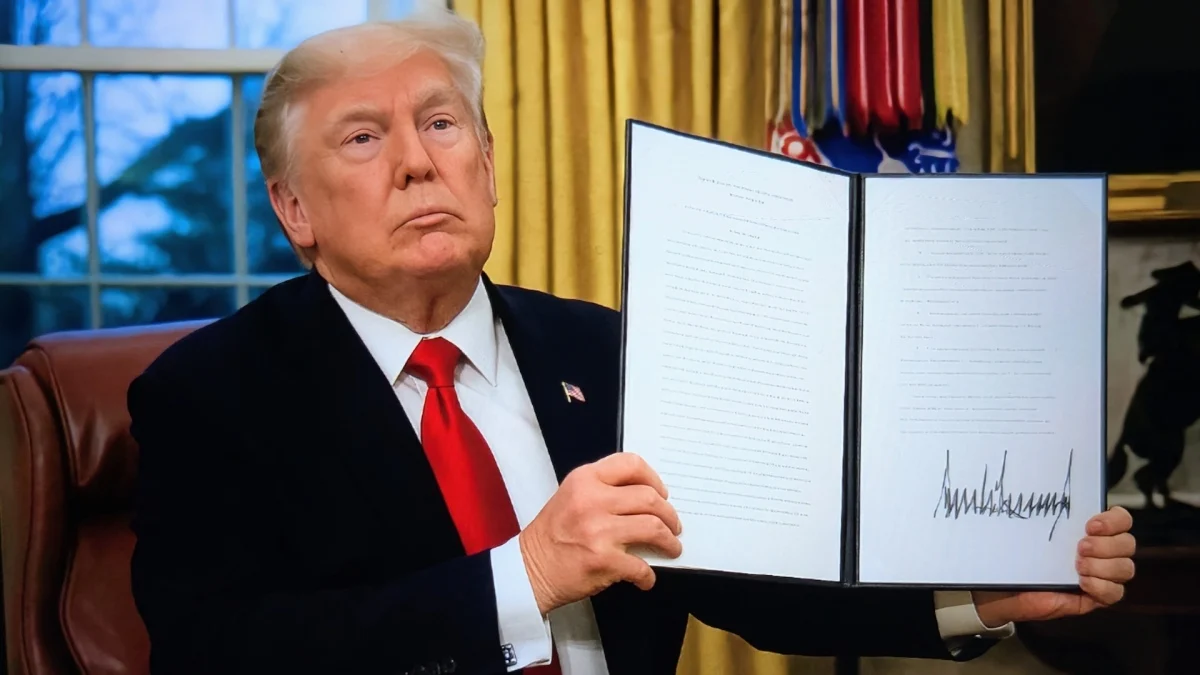
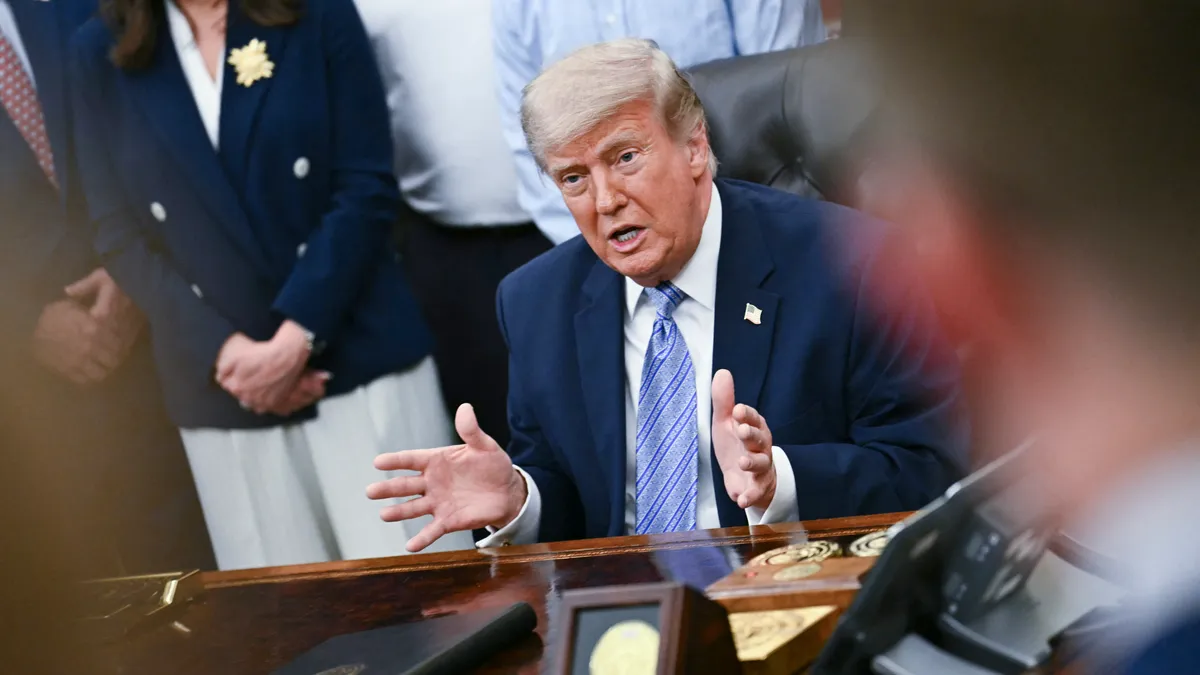
Sixteen months into the presidency, the White House is acting very differently. After a chaotic few weeks, on Tuesday President Trump signed an executive order on AI — and with it, crushed the dreams of regulation opponents.
The new EO establishes a voluntary pre-deployment evaluations regime to tackle catastrophic cyber risk to America’s “vital functions.” When companies develop new frontier models, they’ll share them with the government for testing. If the model meets a certain (classified) threshold for cyber capabilities, the government will have exclusive access to the model for up to 30 days — the intention seemingly being that the government can use its head start to secure critical infrastructure before attackers get similar capabilities.
This was inevitable. For years, the AI safety argument for government regulation has rested on a simple principle. Models will become powerful enough to pose national-security-relevant risks, and we will need regulation to deal with them.