When Chinese authorities replaced Mongolian with Mandarin as the language of instruction for core school subjects in 2020, the move triggered the largest public protests Inner Mongolia had seen in decades. Six years on, the classroom fight is effectively over, and the campaign has followed Mongolian speakers into the one space they had left: the internet.
A report released in January 2026 by PEN America and the Southern Mongolian Human Rights Information Center documented the systematic removal of Mongolian-language content from Chinese online platforms – social media groups shut down, accounts deleted, and informal digital communities dismantled.
The findings are difficult to verify independently, as is much reporting from a region under tight information control. But the censorship fits a clear trajectory. The target of the linguistic crackdown is no longer Mongolian as a language of formal instruction. It is Mongolian as a living language of everyday life.
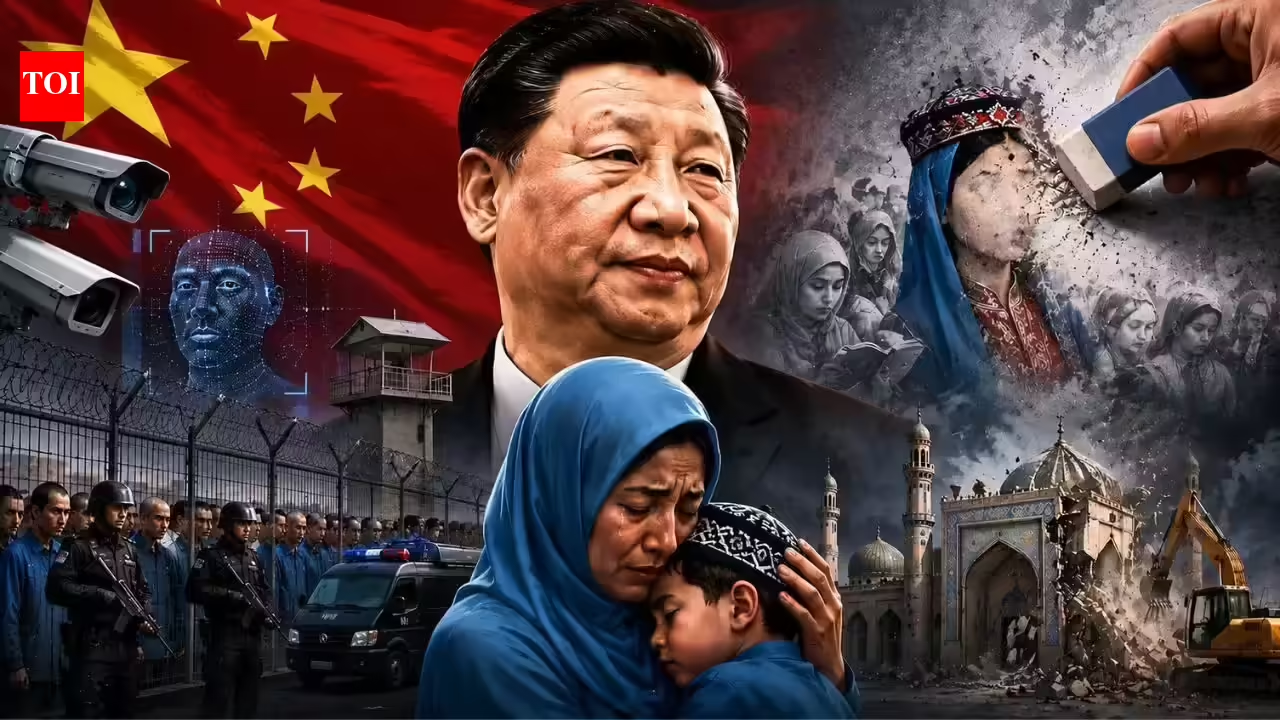
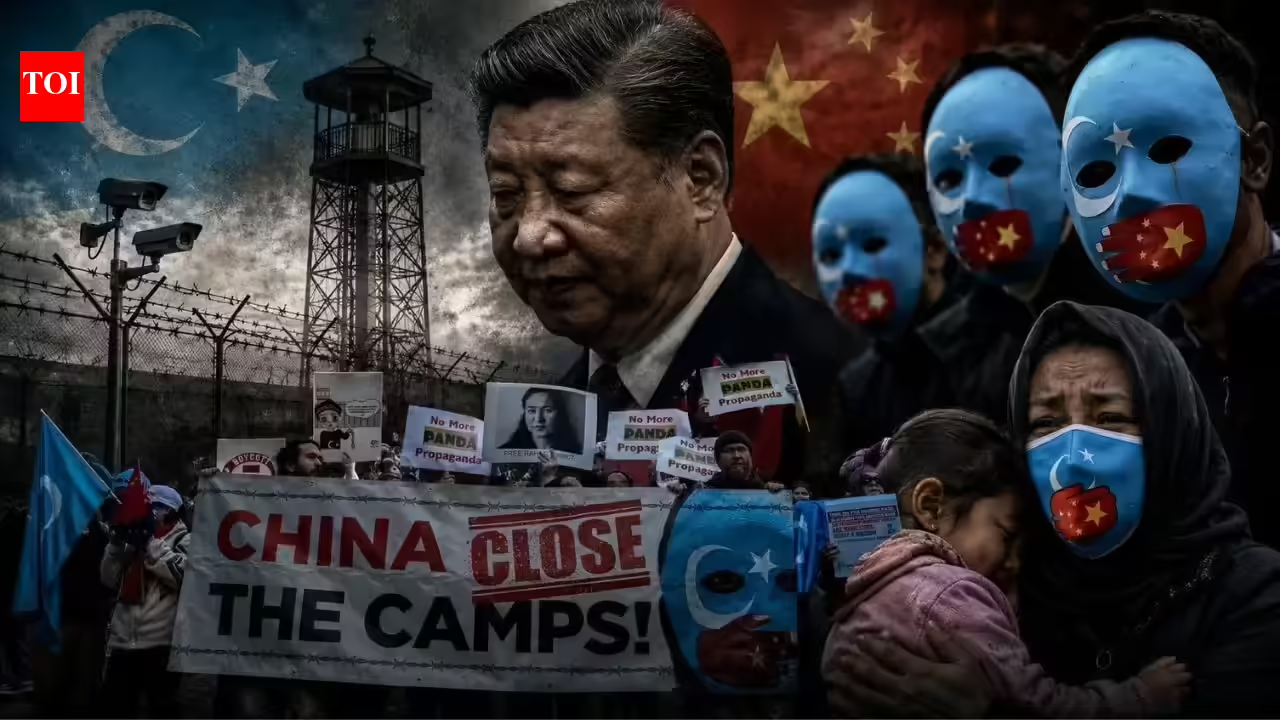
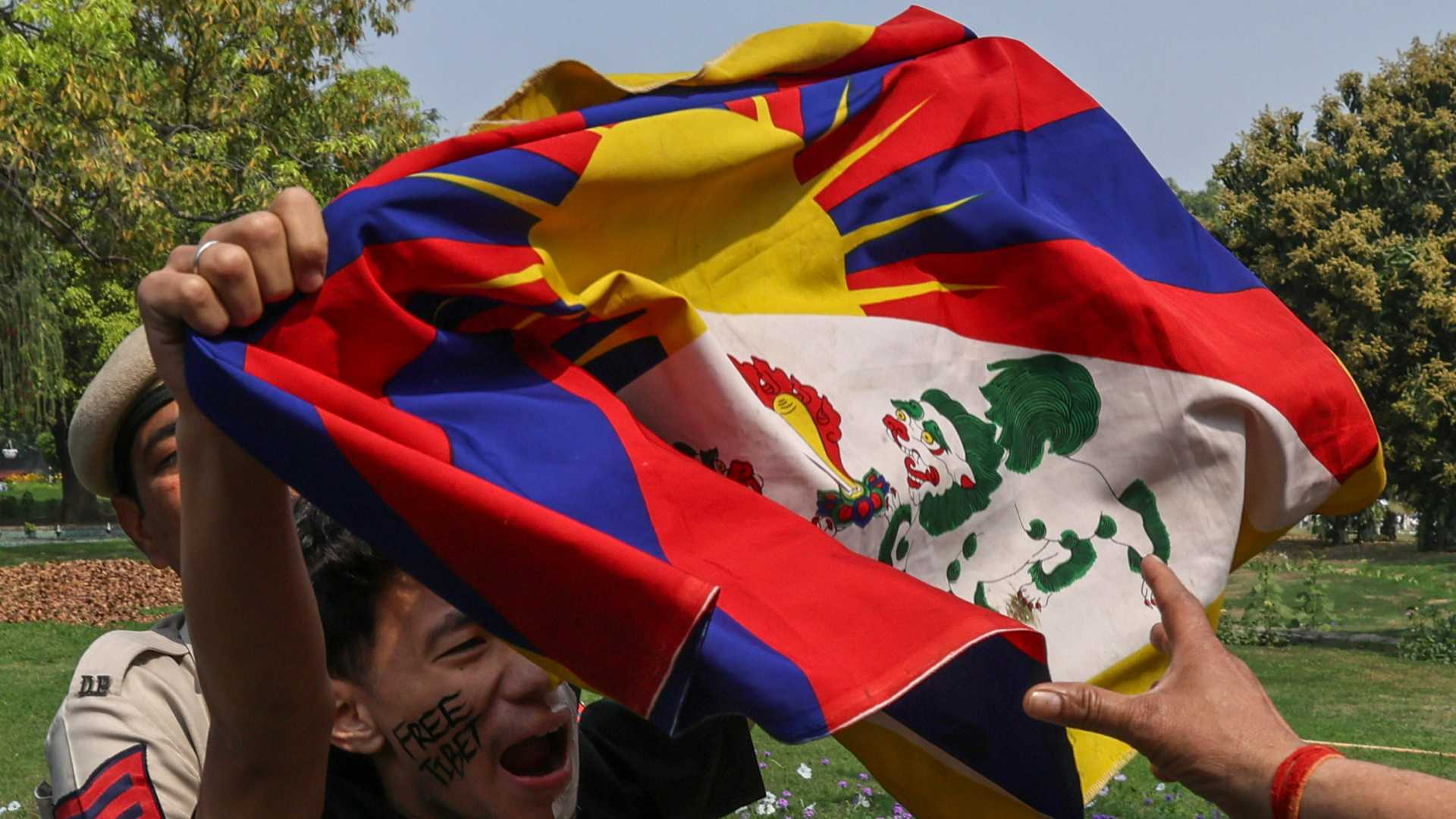
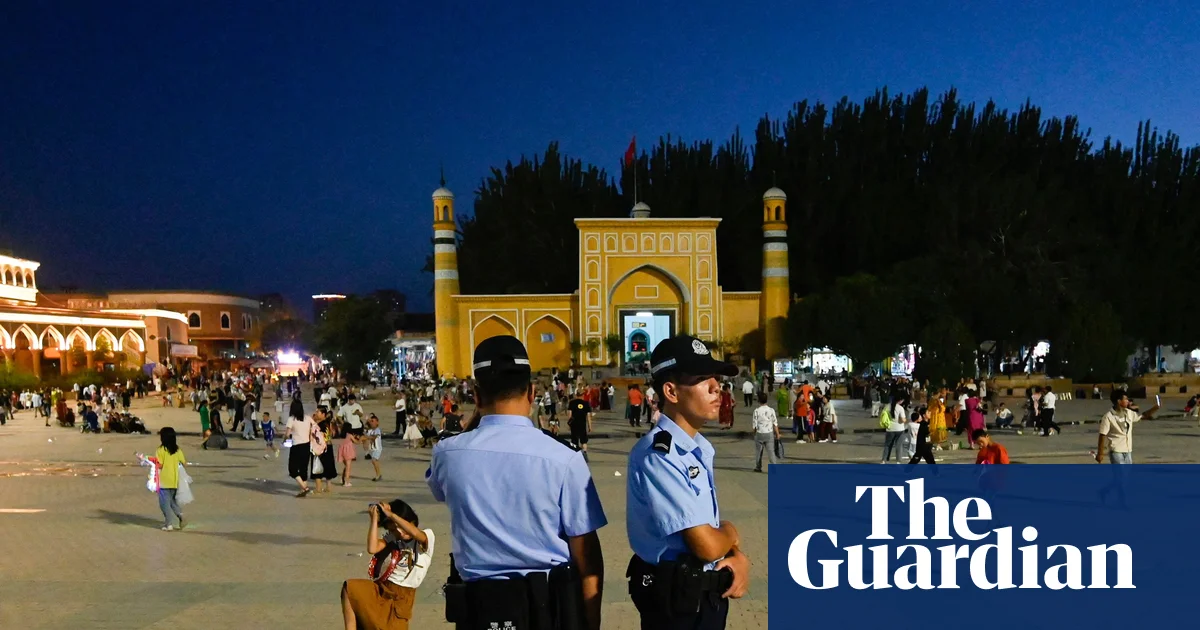
Notably, the careful deletion of Mongolian is targeting an ethnic group that has never posed a separatist or terrorist threat – the rationale the Chinese government uses to justify similar campaigns of cultural erasure in Xinjiang and Tibet.