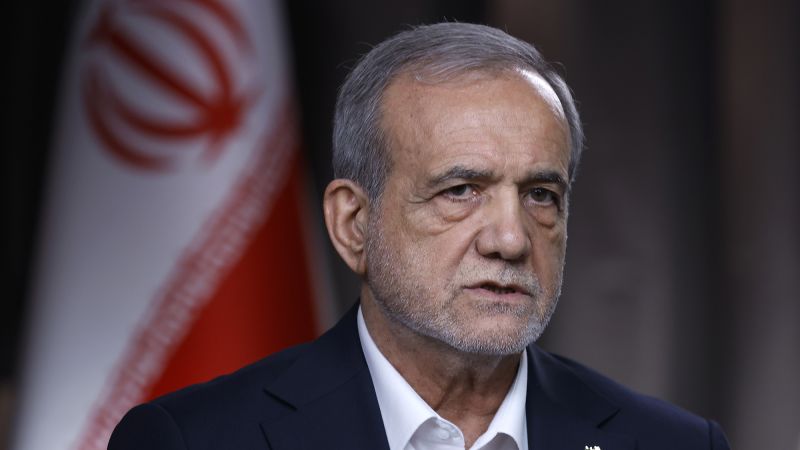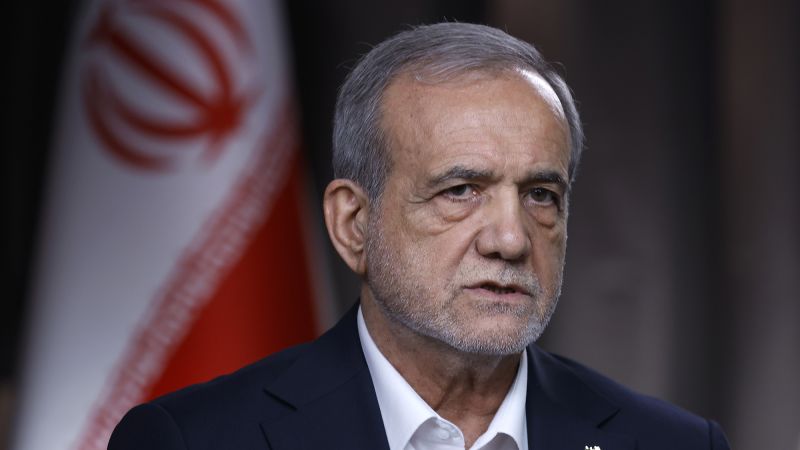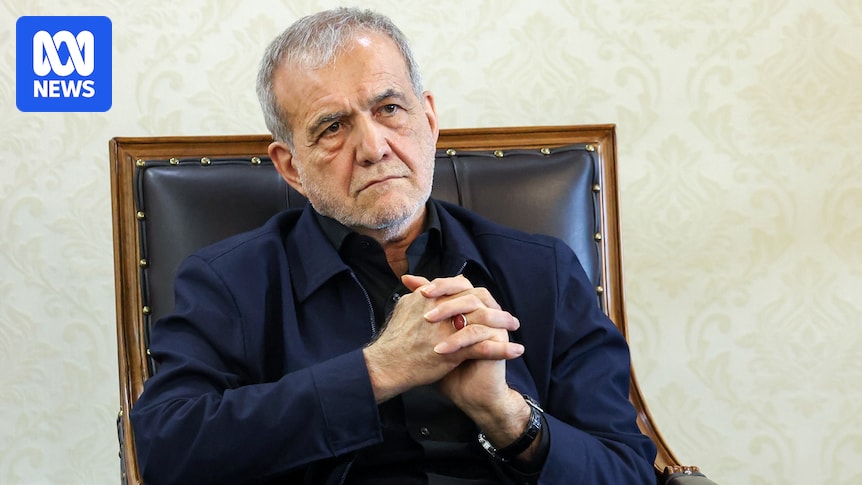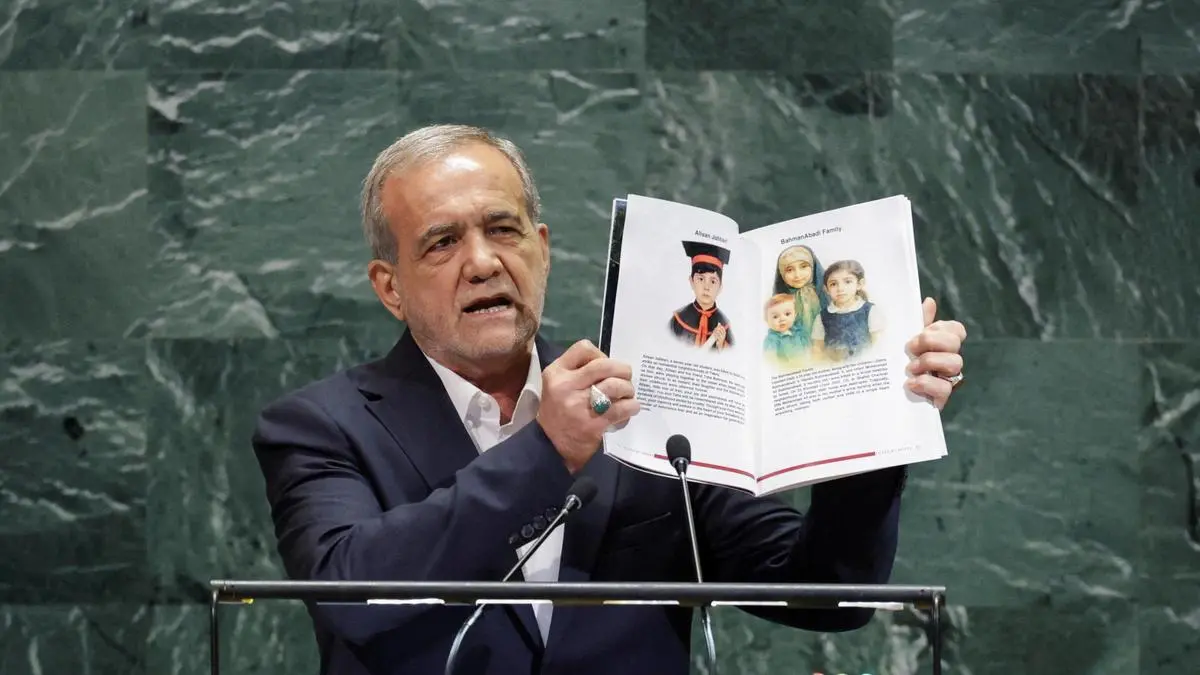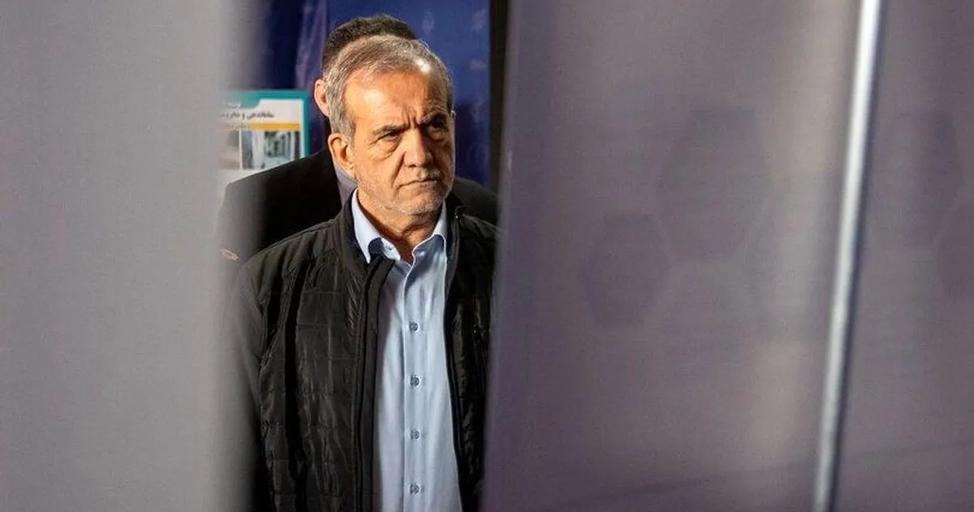
The 14th government, led by Masoud Pezeshkian, assumed power with the claim of removing the shadow of war from the country; yet, during his tenure, the nation has endured two wars and currently stands on the precipice of another. He had come to free Iranians from their “cage” and dismantle internet filtering and shutdowns. Instead, Iranians have experienced the most severe internet blackouts under his administration. Nevertheless, his chief of staff stated, “Many officials who have held responsibilities in the country over the past few decades acknowledge that the hardest period to govern the country is the tenure of the 14th government.”
Throughout the months of war, Pezeshkian was not only unable to seize the initiative in foreign policy or the people’s livelihoods, but by adopting an approach of merely managing the status quo, he effectively became an executor of decisions made by higher oversight bodies. This development effectively marginalized his initial invitation to elites and specialists to help run the country. In the absence of specialized figures, and with their influence weakened within this administration, the war further exacerbated the situation, worsening the country’s economic state, a condition most visibly manifested in an 83% inflation rate. Under these circumstances, Pezeshkian is attempting to prevent public protests against these pervasive shortcomings by relying on the rhetoric of austerity and crafting narratives around national unity; yet, it appears he holds no real leverage.