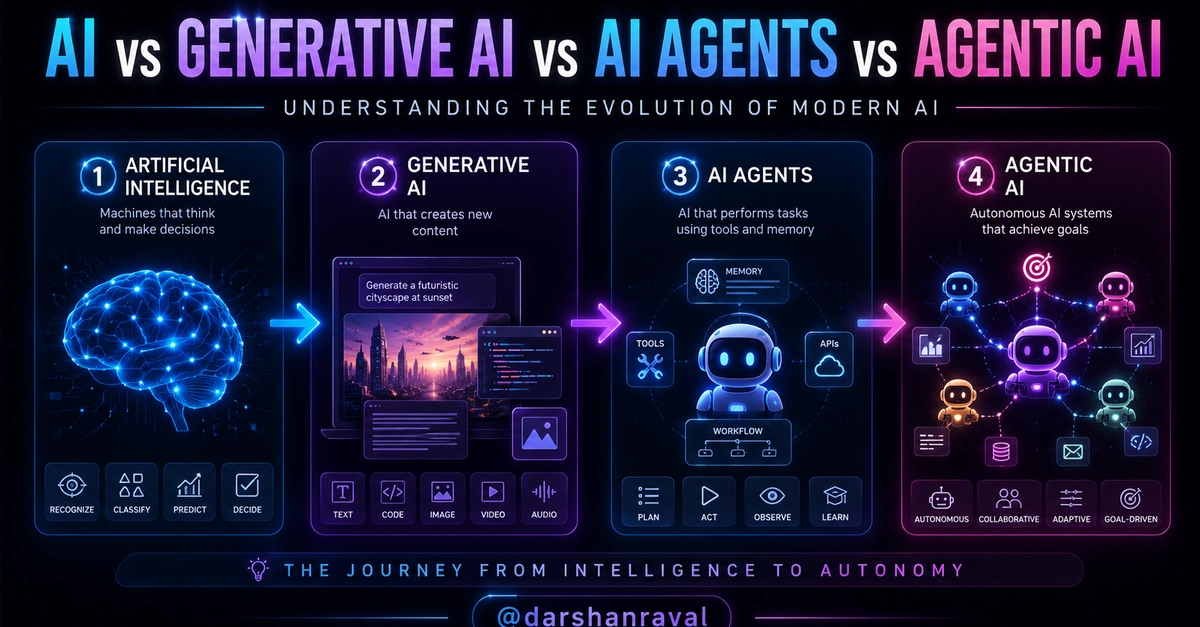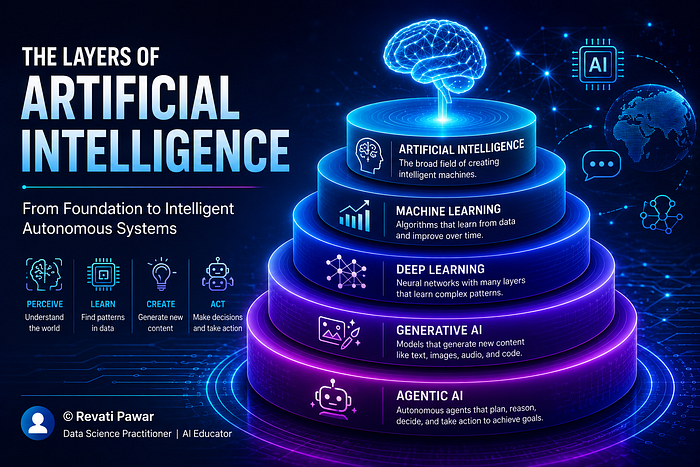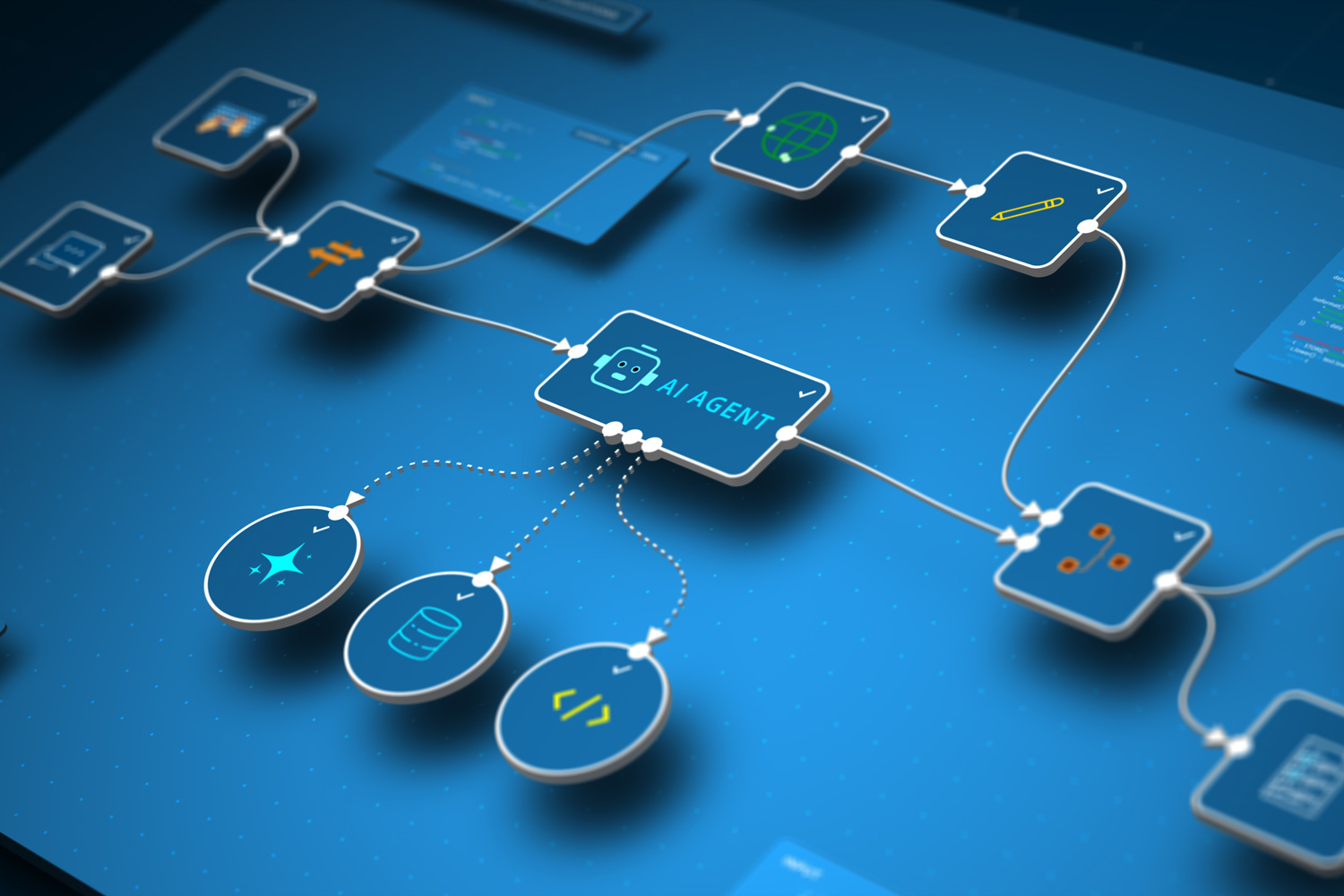
Steven Carlini, Chief Advocate, Data Centers and AI, Energy Management Business Unit, Schneider Electric.gettyWhen generative artificial intelligence (GenAI) went big after the release of ChatGPT in November 2022, many people were under the impression that this AI came out of nowhere. But generative AI can be traced back to 1964, when MIT developed ELIZA as a virtual psychotherapist. The first physical AI was invented in 1966, with the first AI robot, Shakey, developed by the Stanford Research Institute.There are many types of AI, and their presence and familiarity will only increase. However, the use cases, IT stack, power and cooling, and techniques used (computer vision, machine learning, reasoning, etc.) differ for each. Here is a simplified breakdown of what they are and what they do:• Industrial AI: AI for analytics, quality, maintenance and optimization in manufacturing, energy and supply chain logistics.• Physical AI: AI systems that perceive, decide and act in the physical world, controlling robots, vehicles, smart infrastructure and devices.• Generative AI: AI that generates new content or outputs, such as text, image, code, audio and video.• Agentic AI: An approach using one or multiple AI models that can plan and execute tasks with varying autonomy levels and minimal human supervision. Understanding The Multiple AI TypesNow that we’ve defined the most popular and emerging types of AI, let’s look at how each type can deliver value in practice.Industrial AIPredictive analytics using IoT sensors and data analytics to monitor equipment condition in real time and predict potential failures before they occur is a popular industrial AI application. Another emerging example is leveraging AI in computer vision for employee safety. When developing these solutions, the models must take into account many variables. For example, when we develop AI models for working on electrical equipment, the computer vision can make sure the technician has on the correct PPE gear, but also that they are working on the equipment using safe techniques and that the conditions, like weather, are conducive for the duration of the repair or maintenance. Physical AIBeyond Shakey, an example of physical AI is autonomous robots for warehouse picking and sorting, transport, palletizing and automated logistics for labor-intensive tasks. There are also robotic lawn mowers and construction automation, like demolition and bricklaying. This type of AI can be used for harsh or toxic environments, keeping humans out of danger.Because these AI systems interact with the physical world, reliability and safety are essential. For instance, we incorporate reinforcement learning in these AI models to learn from data and outcomes under various conditions without needing preprogrammed instructions, which organically advances these protective mechanisms for industrial processes. Generative AIBy far the most common application is GenAI for transforming content creation to produce text, images, videos and code based on user prompts and queries. It has been highly leveraged to speed up asset generation, allowing people to produce more personalized content at scale. Popular uses include personalized marketing emails, blog posts, landing pages and social media content, while other applications include customer support chatbots utilizing conversational AI. While the goal is to provide instant, human-like and context-aware responses, AI chatbots today are often easy for most people to recognize. Agentic AIAgentic AI, which excels in scenarios requiring reasoning, planning and acting, is meant to operate autonomously. However, it seldom works as a single agent. It performs best when handling complex, multistep tasks because it orchestrates a team of specialized AI models and agents, sometimes by function, such as researcher, coder or content writer. This approach is called inter-agent collaboration or mixture of agents (MoA). Applying The Right AI For Your NeedsAI is no longer a single category of technology. It is evolving its capabilities and beginning to reshape how organizations operate and automate. Understanding the differences between agentic, industrial, physical and generative AI, along with how they build on each other, is essential for ensuring your deployments are successful. Generative AI provides content generation and reasoning, industrial AI can streamline and automate processes, physical AI executes tasks and keeps humans safe, and agentic AI agents handle orchestration. When deploying models and agents, I recommend integrating AI into existing workflows rather than creating stand-alone tools. This might look like utilizing specialized AI agents to handle one step in a multistep workflow, such as engineering design or coding—what I'd call a "digital teammate" approach. It's also important to note that we are still at the stage of maturity where human-in-the-loop validation is needed. AI has already started to make an impact on our everyday lives, but we are still in the early stages. Hardware innovations in the IT stack and data center build-outs that are matched to the models will enable AI functionality to advance and mature at a very high rate. By aligning the right AI approach to the right business problem, you can make sure you're not just using AI tools, but changing how work gets done. Forbes Technology Council is an invitation-only community for world-class CIOs, CTOs and technology executives. Do I qualify?
Industrial, Physical, Generative And Agentic AI Explained
Let’s look at the different types of AI and how each type can deliver value in practice.
830 words~4 min read