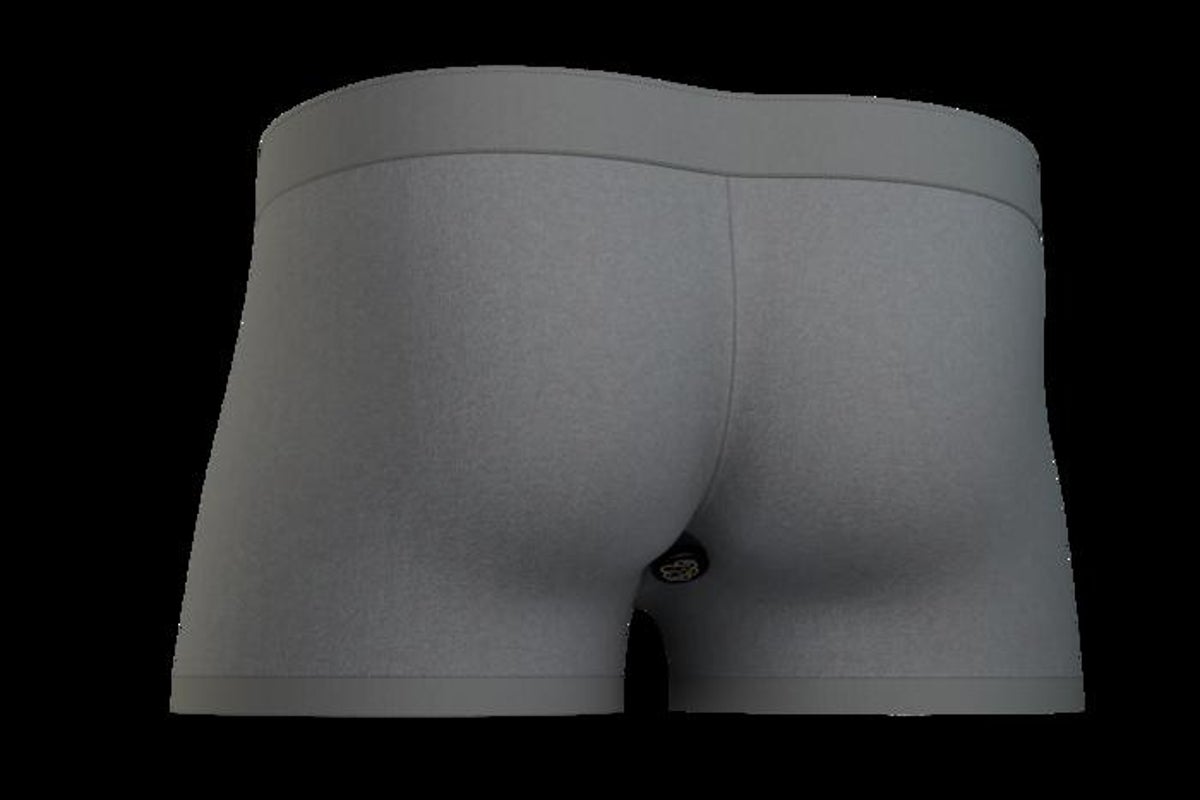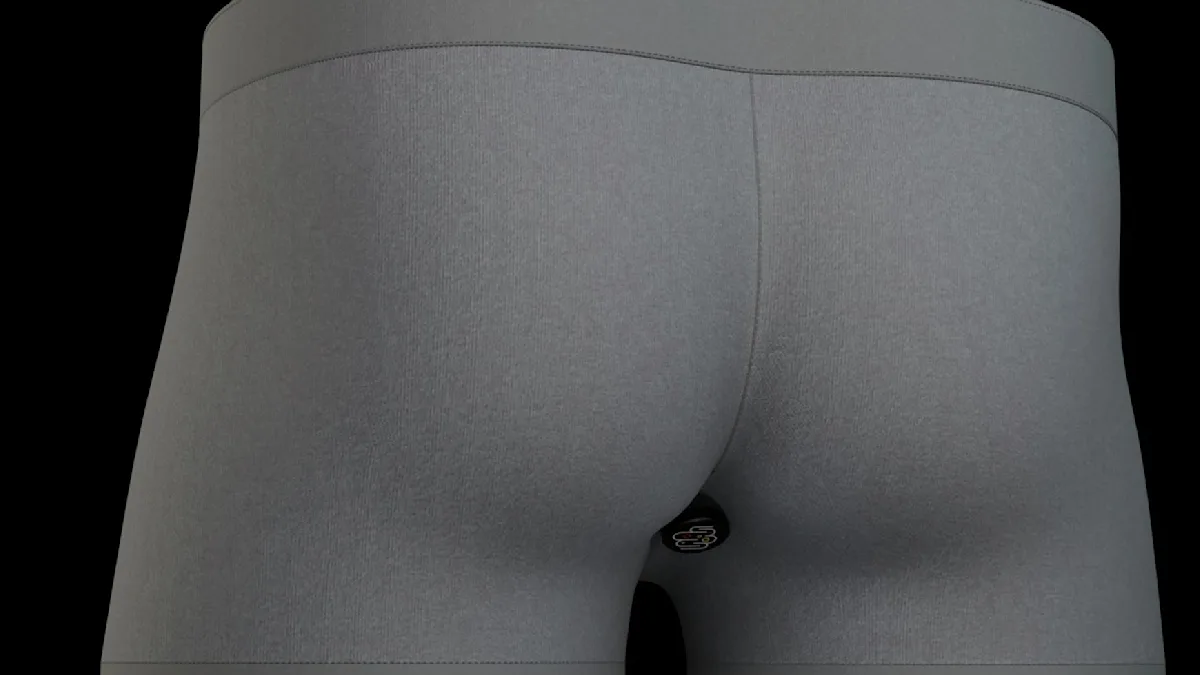
My mornings are fairly consistent, thanks largely to the furry alarm clock that demands breakfast at 7 a.m. sharp, my cat Cheddar. The last few days, though, I’ve had to add a novel item to my morning ritual: carefully sticking a nickle-sized device onto my underwear so that it can track my farts for the next 21 or so hours. Ah, but don’t worry, it’s all in the name of science.
I’ve now had the opportunity—nay, the privilege—to test out the Smart Underwear wearable developed by researchers at the University of Maryland, led by Brantley Hall. Hall and his team are using the device and hundreds of eager volunteers to answer the many enduring questions surrounding our flatulence. What they learn will not only shed light on a vital biological function we rarely discuss in polite company, it could someday help people improve their gut microbiome and health. Fartology Bar none, the first question my friends and family asked when I mentioned my little experiment was: Why? Why are scientists even bothering to study our farts in the first place? It’s a query that Hall is well used to, and he’s got a succinct response. “The short-term goal of this project right now is to set the baseline,” he told me over Zoom. “We don’t really have an up-to-date view of what the normal flatulence pattern is.” That’s not to say no one has tried to figure out our farts before. Gastroenterologist Michael D. Levitt dedicated roughly seven decades of his life to studying flatulence until retiring in 2023—so much so that he became known as Dr. Farts. Levitt’s pioneering work in the field, compromised of more than 200 research articles, revealed certain mysteries about farting, including its usual gas composition. He helped confirm that only a small percentage of these gases, roughly 1%, actually account for a fart’s notorious smell and that these stinky gases are sulfur-based.