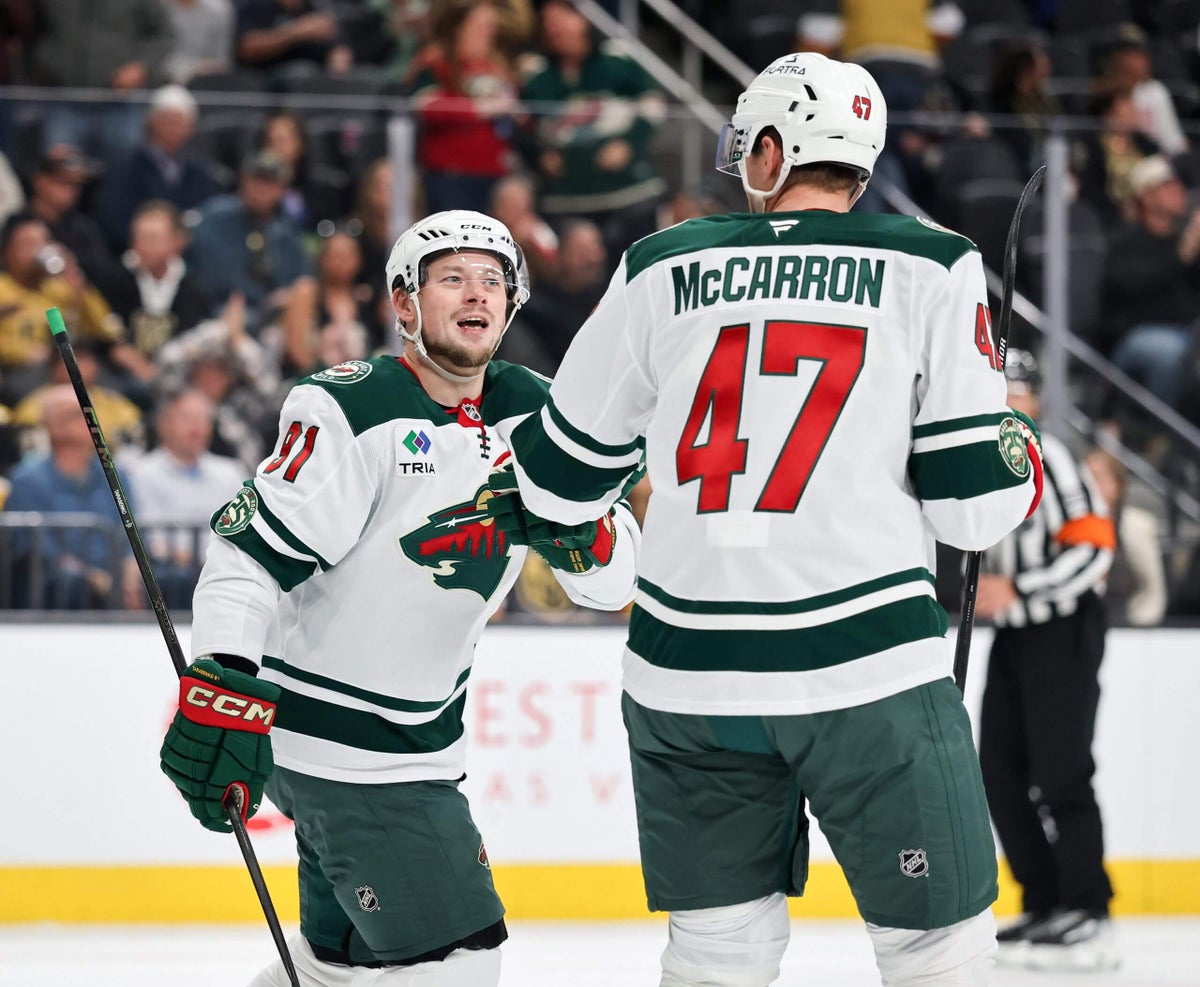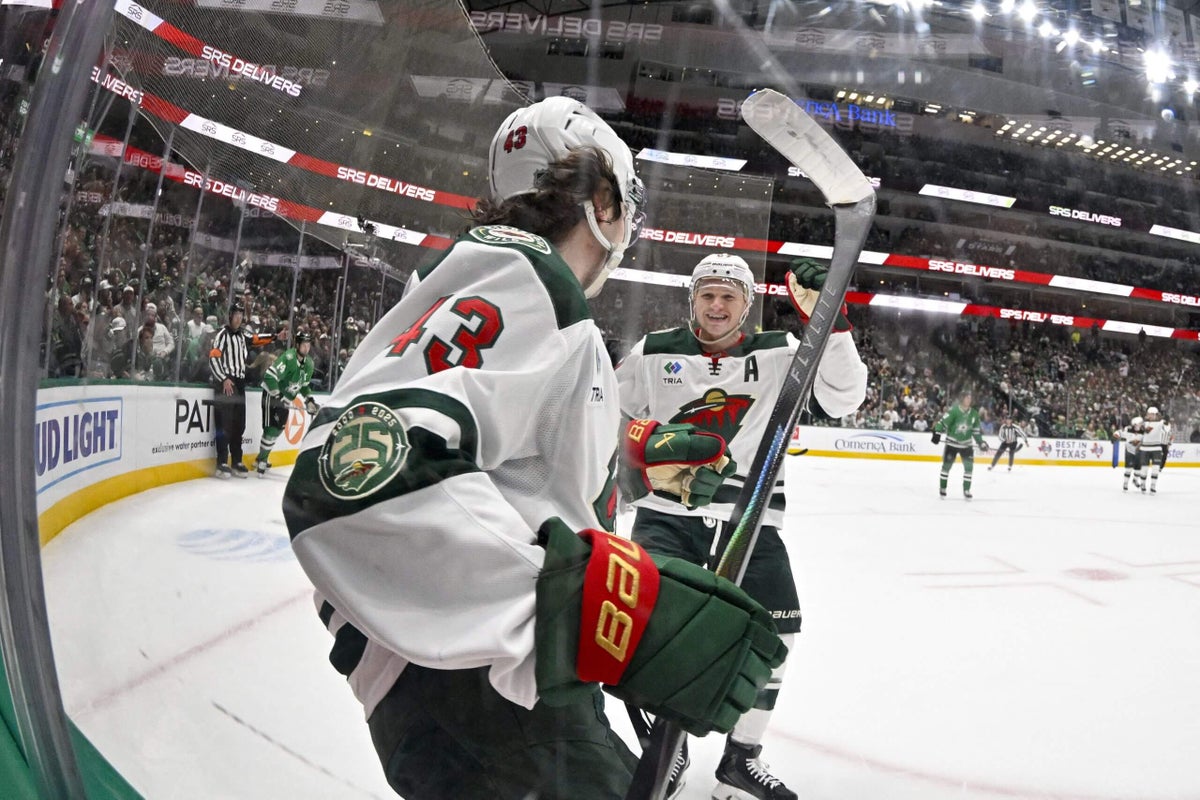
The Minnesota Wild had never been a serious Cup contender until this past season, and it changed in a hurry.Trading for defenseman Quinn Hughes transformed the franchise, putting it in win-now mode more than it had been in its 25-year history.“We’re in a window now,” Wild president of hockey operations and general manager Bill Guerin said. “We want to make sure that we don’t just open the window three-quarters of the way. If there’s a chance to get better, we will.”That will make it a fascinating offseason as Minnesota will still have a loaded division in 2026-27.The Wild thought they could have beaten the Presidents’ Trophy-winning Colorado Avalanche in the second round — the absences of Jonas Brodin and Joel Eriksson Ek clearly cost them — but clearly they need more than just the regular roster churn.It’s hard to imagine them re-signing all eight of their unrestricted free agents. Who stays and who goes will play a part in determining what holes they need to fill.What holes should they be most determined to fill?To help assess how the team measures up to a championship standard, let’s look at it in relation to the Stanley Cup checklist.Projecting some of the team’s more likely offseason moves (re-signing Mats Zuccarello, for example), here’s where things stand. All projected values are age-adjusted based on each player’s profile of comparable peers.What the Wild haveThe Wild’s star power is what makes them a contender. The combination of Kirill Kaprizov and Matt Boldy up front, plus Hughes and Brock Faber on the back end, is outright dynamic.Kaprizov’s 2025-26 wasn’t as dominant as seasons past, but he is still an electric, franchise-caliber winger. He drives play despite not having a ton of help down the middle.Boldy leveled up this year, in the regular season and in the big moments. And at 25, he’s peaking in what should be Minnesota’s window. That makes for a strong one-two punch at wing.Eriksson Ek rounds out the core forward group, but he is considered only passable in his role. There’s a high threshold for a player as a contender’s top 200-foot shutdown forward, and Eriksson Ek’s defense wasn’t nearly as stout this past season, when Minnesota actually allowed a higher expected-goals rate in his five-on-five minutes, relative to his teammates, for the first time in his career. If he can rebound to his usual shutdown heights, it’ll solidify the top of the lineup.Hughes was the missing piece in Minnesota’s core — a game breaker who brings a pace, puck moving and an elite possession game to the back end. He’s elevated Faber’s play — and his presence knocks Faber down to a more-fitting No. 2 spot.That has a ripple effect down the depth chart. Brodin as a shutdown threat in the supporting core is a luxury, as is Jared Spurgeon as the No. 4 on the blue line.The strength on the back end trickles into the blue paint. Filip Gustavsson has shown he can be a very solid No. 1, but Jesper Wallstedt’s breakthrough rookie season relegated him to the bench for all but one game in the playoffs. If the 23-year-old Wallstedt can build on that, especially with Gustavsson having hip surgery this summer, it should lock him in as the starter for years to come.What the Wild needGuerin didn’t hide from the obvious.“The talk here is always No. 1 center,” Guerin said.The Wild can learn how important that is from this season’s Cup finalists. The Vegas Golden Knights have an embarrassment of riches up the middle — led by Jack Eichel, Tomas Hertl and William Karlsson — and the Carolina Hurricanes have a star No. 1 in Sebastian Aho, Logan Stankoven at 2C and captain Jordan Staal right behind.
Wild’s Stanley Cup contender checklist: With just a few pieces missing, the time is now
The Wild are in a contention window and could get over the top with a few tweaks. What do they still need?
1,753 words~8 min read