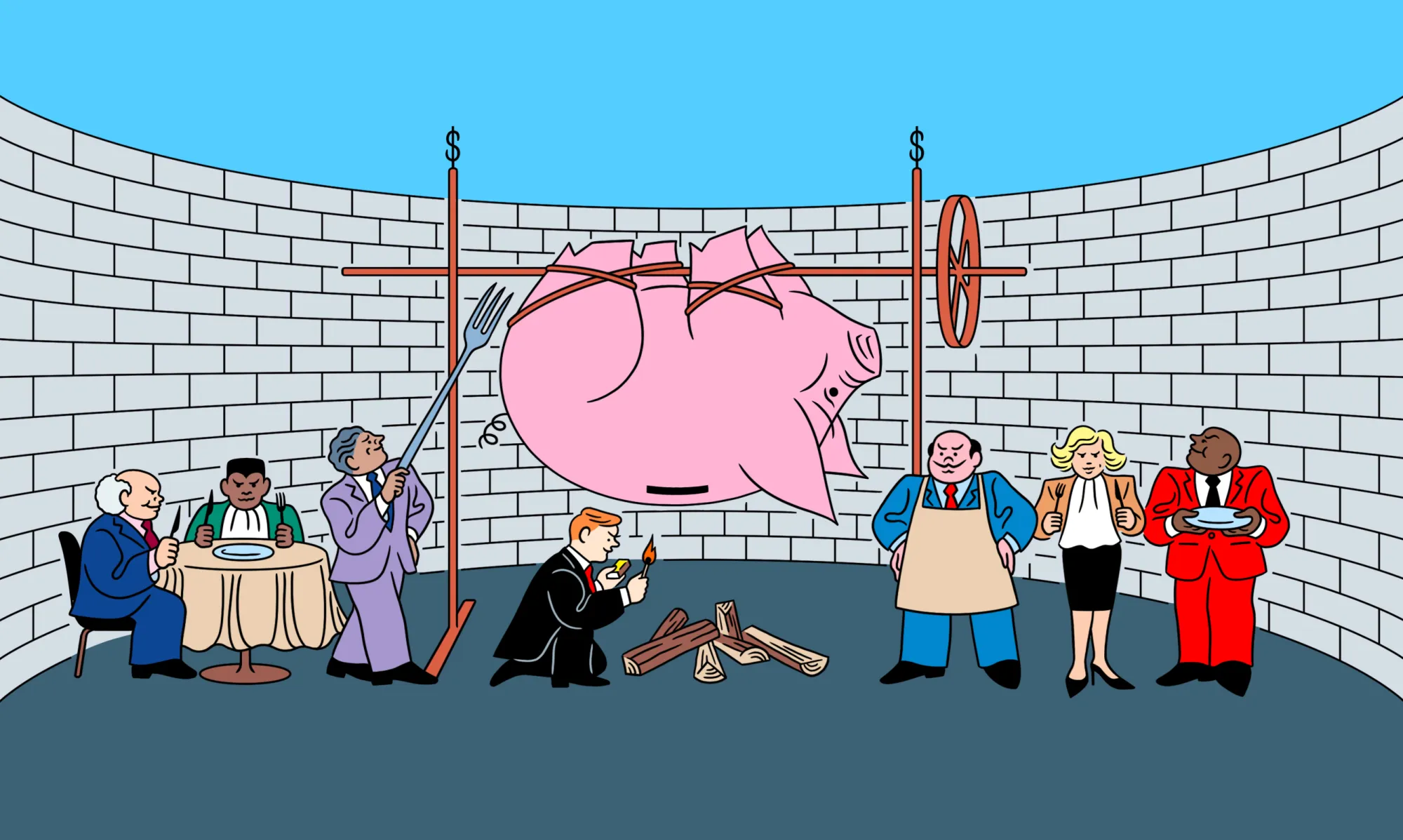
Americans saving for retirement often follow the “buy and hold” strategy, urging them to block out the daily volatility of markets, stick to long-term investment plans, and avoid playing stockbroker. The stock market’s growth over the last 15-20 years proves why that approach makes sense despite financial crises, geopolitical conflict, and fiscal showdowns.However, laws on the books in most states, if not properly reformed, could jeopardize the retirement nest eggs of those who saved and invested in a responsible manner. What very few Americans know is that their state government may have the legal right to undermine the “buy and hold” approach to saving. If you do not engage with your brokerage account in specific ways, the state deems your assets lost and assumes ownership on your behalf. This shocking maneuver is called escheatment.
Take Walter Schramm, who opened an E-Trade account in the 1990s and invested about $6,000 worth of Amazon stock. He waited 20 years to check in on his savvy investment, which should have grown to around $100,000. When he logged into his account, the balance was zero.
Delaware had escheated the AMZN assets and liquidated them in 2008 for $8,000, deciding that, by not interacting with his account, Schramm must have lost record of it. In “abandoning” his account, Walter forfeited his right to any appreciated value after the state took ownership of his investment. Today, he continues to seek legal remedies to recoup the loss of $92,000 in market growth.