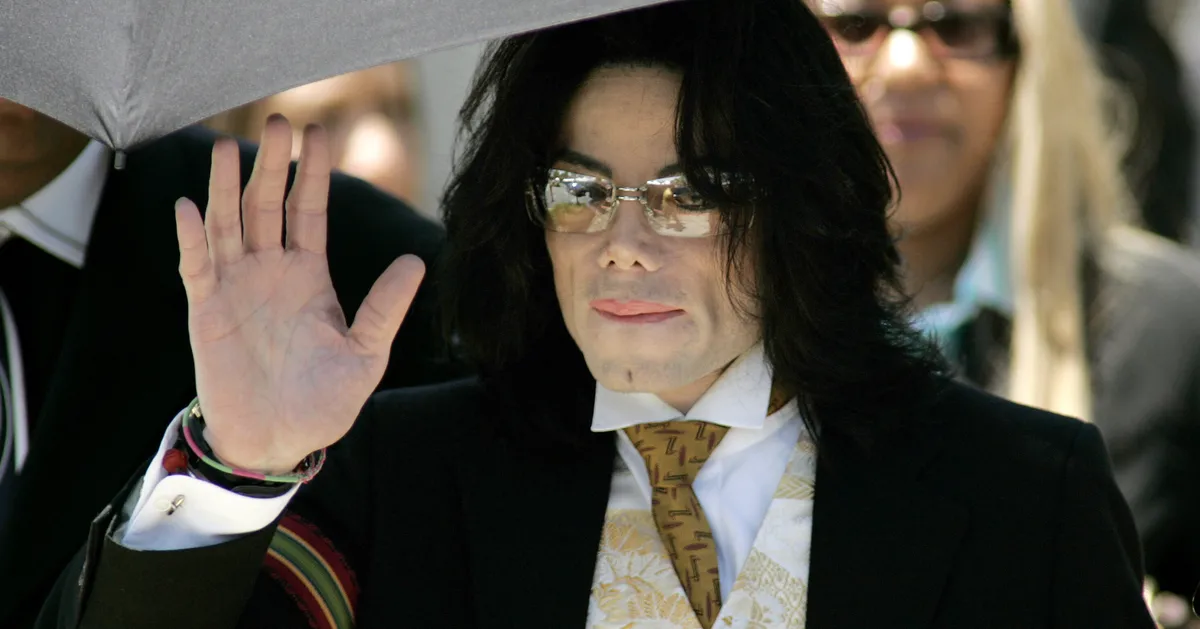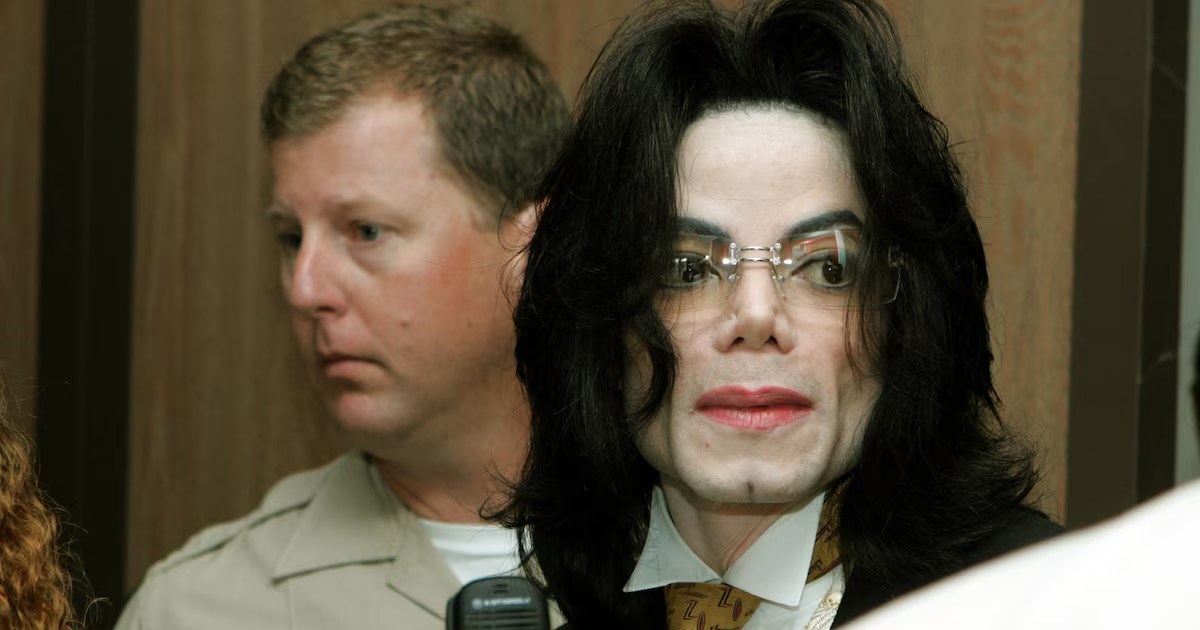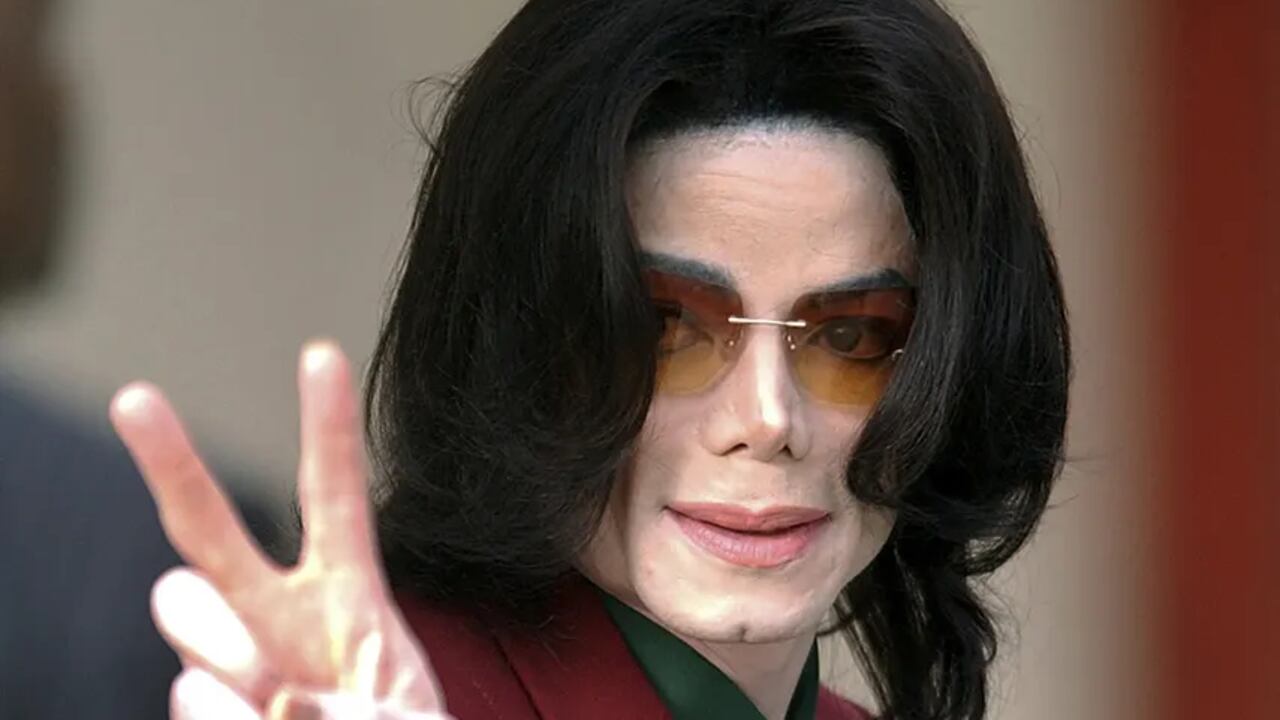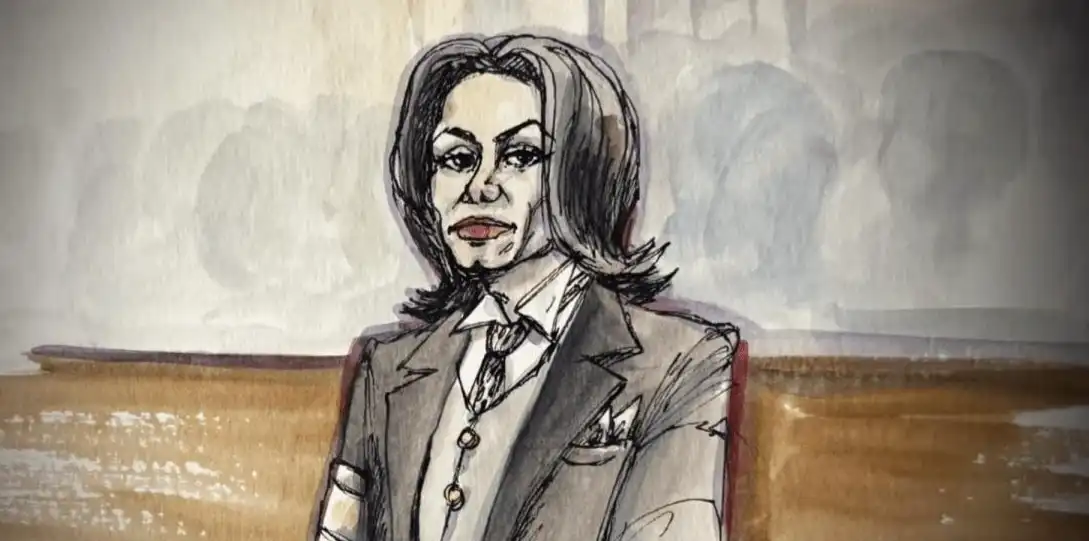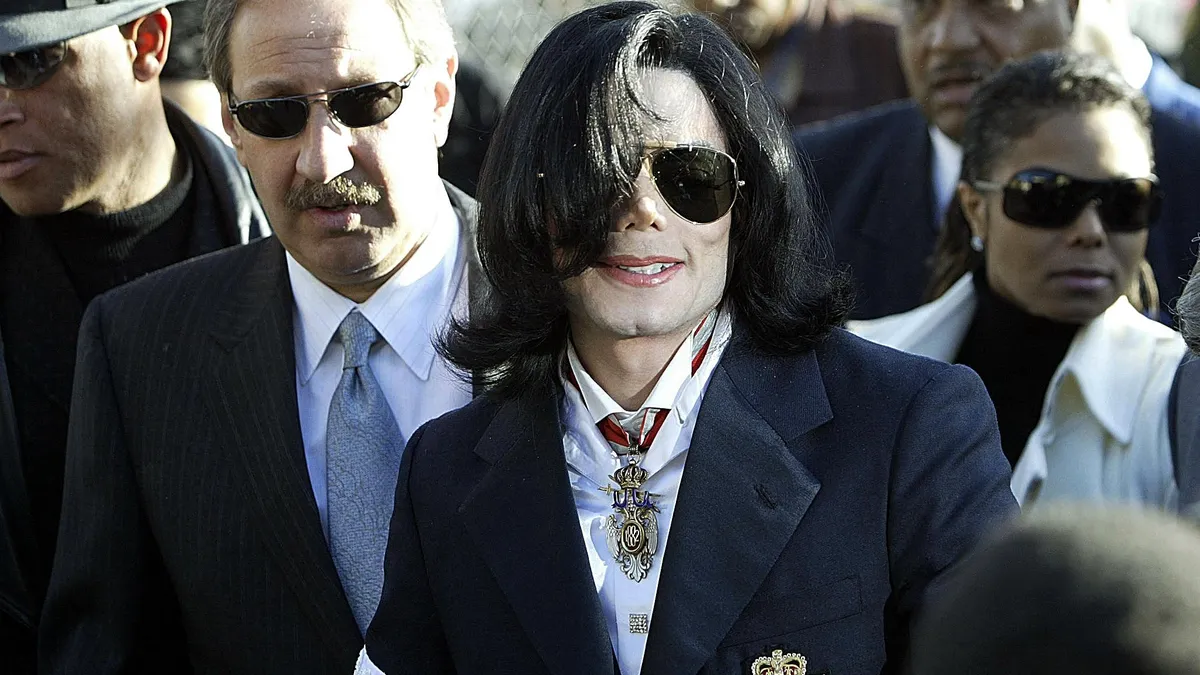
From allegations of child pornography and lewd nicknames, here is what we learned about the pop star's 2005 trial in "Michael Jackson: The Verdict."Show Caption
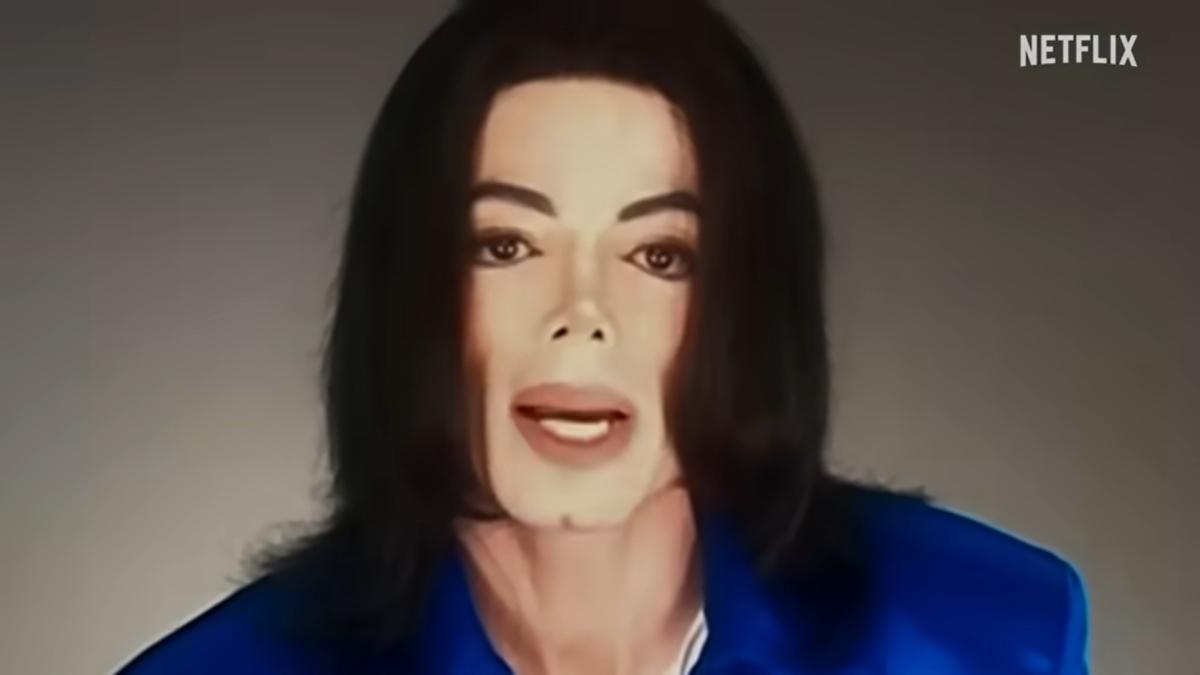
As Michael Jackson’s biopic continues to ignite the box office, an unnerving new docuseries is revisiting one of the icon’s darkest chapters.“Michael Jackson: The Verdict” (now streaming on Netflix) is a three-episode documentary exploring Jackson’s 2005 criminal trial, when he was accused of molesting 13-year-old Gavin Arvizo. The singer was ultimately acquitted on all counts, with jurors citing insufficient evidence.“The Verdict” features interviews with attorneys, journalists and people in Jackson’s inner circle. It also includes sheriff’s footage of Arvizo’s interview with law enforcement and officers raiding Jackson’s Neverland Ranch home in California.Here are some of the most shocking revelations from the new film:Michael Jackson allegedly had lewd nicknames for young boysOne of the key figures of the docuseries is Vincent Amen, who came to work for Jackson in 2002 and was tasked with looking after the Arvizo family, who had returned to Neverland Ranch to ride out the media storm.At one point, Amen pulls out a series of old Polaroids that he held onto from Neverland, all featuring Gavin’s mom, Janet, and younger brother, Star. Janet captioned one of the photos: “Dearest loving Michael, we appreciate you being our family. What God brings together, no man can undo. We love you.”Star, meanwhile, handwrote another caption, saying: "I love you, my daddy Michael." He then signed the photo, "Your son," along with a suggestive moniker.“These are the nicknames that Michael would give these young boys,” Amen says.Jackson and his confidante allegedly ordered child pornographyAt the end of Episode 1, Amen describes how many of Jackson’s associates had their homes searched in the wake of his arrest. Jackson’s longtime friend and assistant, Frank Cascio – also known as Frank Tyson – allegedly cleaned his house of anything that came from Neverland Ranch.Amen alleges that Tyson gave him a Nike bag. Feeling suspicious about its contents, Amen apparently filmed himself opening the bag, which according to the docuseries, contained a lascivious and illegal magazine.“Start flipping through it, and there was a Sharpie … circles around the video ordering section,” Amen says. “Someone wanted these videos, circled the ones they want. These videos, which are children naked. Some with family, some just naked children.“I confronted Frank,” Amen continues. “I said, you know, ‘Frank, what is this magazine? … There’s circles around videos with naked children.’ He says, ‘That’s just a phase that Michael and I went through. He circled the videos that he wanted, I ordered them, it was a phase that we went through.’ They watched them together. When I heard that, I was in disbelief.”According to a title card at the end of Episode 1, Tyson couldn't be reached for comment by the filmmakers.Jackson allegedly spent 'several days' with teen boys amid Neverland raidJackson wasn’t home at Neverland when it was raided by the FBI and the media ran wild about his mysterious whereabouts. According to Diane Dimond, an investigative journalist who reported on the case, the pop star was allegedly hiding out in Las Vegas, hoping that it would blow over.“I find out from a source, he’s holed up in this villa, and he only opens the door wearing a colorful dashiki muumuu garment, only enough to get the food brought in, and then he slams the door,” Dimond alleges in the docuseries. “And he’s having wild parties. There were cigarette burns in the leather couches and chairs. There were empty liquor bottles on every table. And this is where Michael Jackson had been for several days, entertaining young teenage boys, who all spoke German.”Jackson's substance abuse was allegedly 'astronomical' following arrestJackson surrendered himself to the Santa Barbara County Sheriff’s Department two days after the Neverland raid. The singer had his mugshot taken and was then released after posting a $3 million bond.In the days and weeks to follow, “he was enormously stressed,” defense attorney Mark Geragos says in the docuseries. “All of a sudden, there is a reality to what has been theoretical. I watched him just disintegrate, literally disintegrate. The ingestion of substances was just astronomical. There was a time when I actually saw him in the fetal position on the floor, and I thought, ‘What do we do?’ I mean, you don’t want his death to be on your hands because you took some inaction.“It was a horrific time for him and those around him,” Geragos continues. “We had genuine concerns [whether] he could even withstand a trial: physically, mentally.”