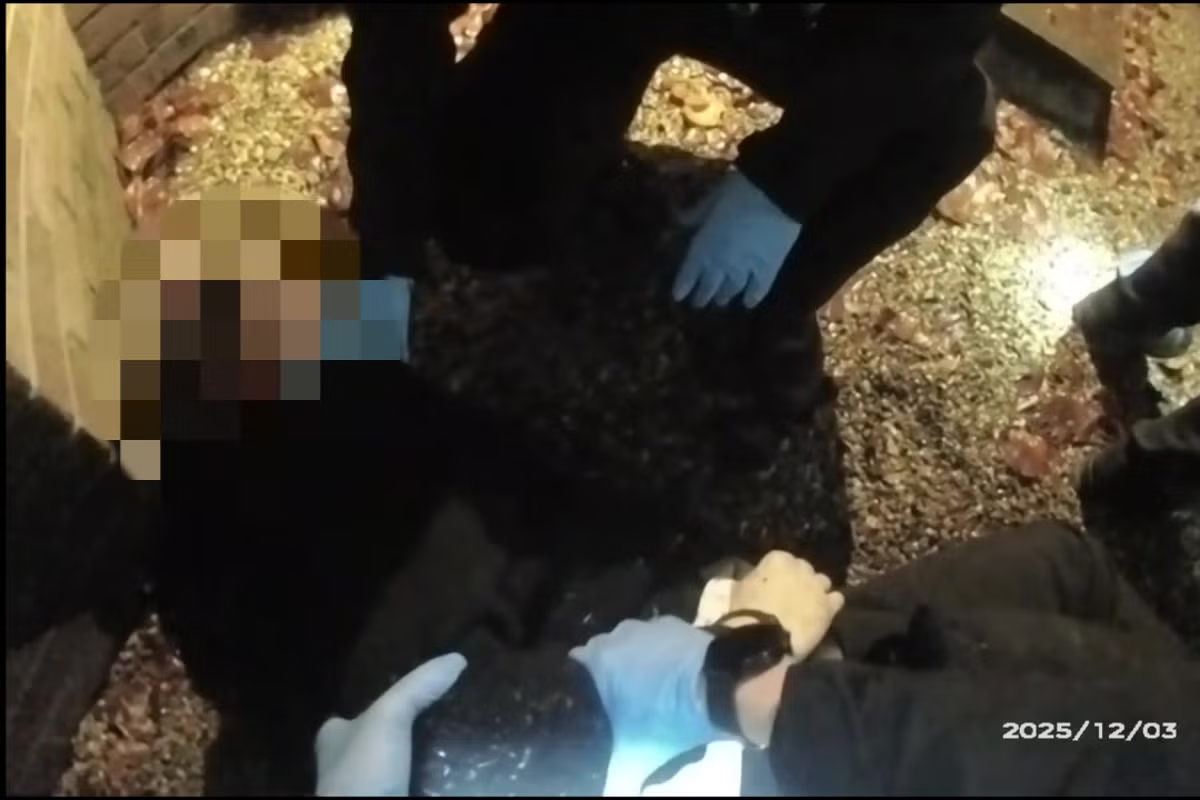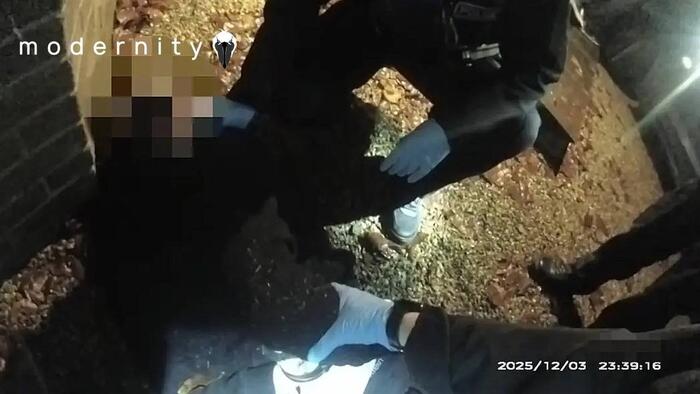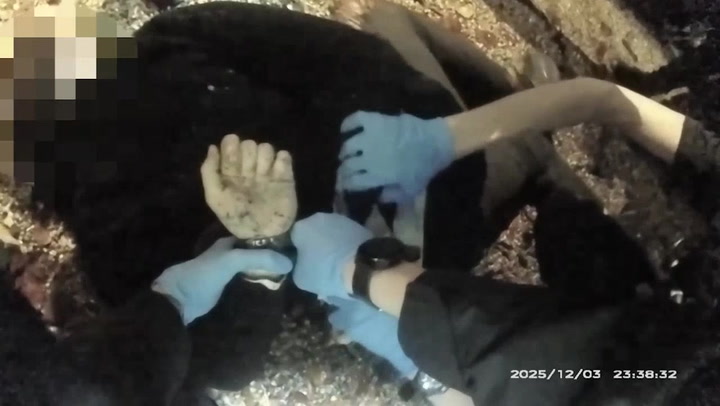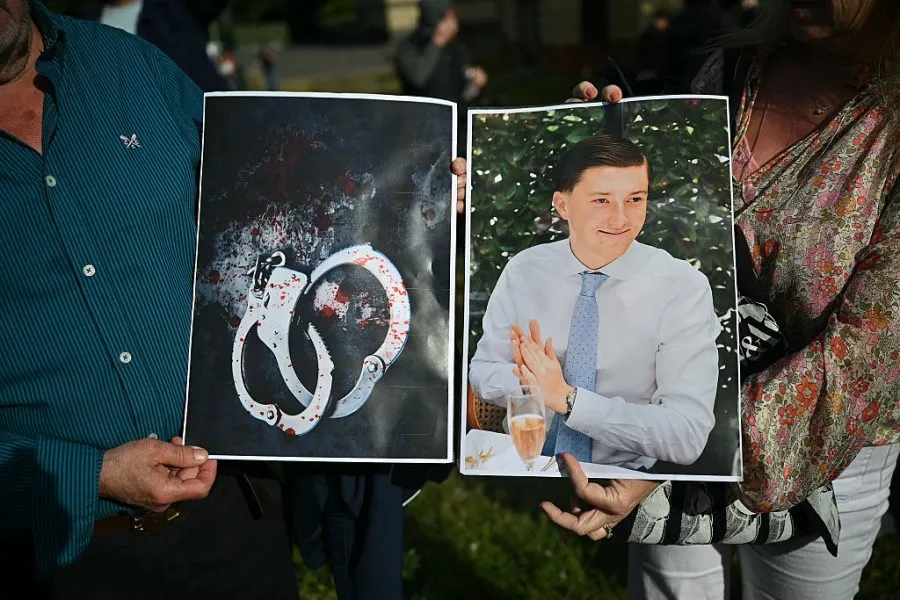
Henry Nowak died in handcuffs on a cold December night. In his university room, his advent calendar still hung on the wall, only the first three doors opened. He was 18 years old, a university student, a beloved son and a friend. In the final minutes of his life, the officers who found him treated him as a problem to be managed rather than a victim in mortal distress.
There is something almost unbearable about that small detail from his bedroom. It places Henry back where he belongs: not in the language of policy, race management or ham-fisted institutional self-protection, but in the ordinary life of a teenager in early December, marking the days to Christmas.
By the end of that same day he was lying in the road in Southampton, bleeding to death, repeatedly telling police officers that he had been stabbed and that he could not breathe. Between those two polarities sits the real scandal of this case: the charge that not only did officers get it wrong, but that they allowed an instant assumption to override the plain evidence in front of them.
Police recruits are taught, explicitly and implicitly, that allegations of racism are uniquely charged
When officers arrived, they made an immediate judgement about who mattered and who did not. They chose to believe the man who had stabbed Henry, who claimed he was the victim of a drunken, racially aggravated assault. They chose to doubt the teenager on the ground who said he had been stabbed and was struggling for breath. That judgement, made in seconds, framed everything that followed.