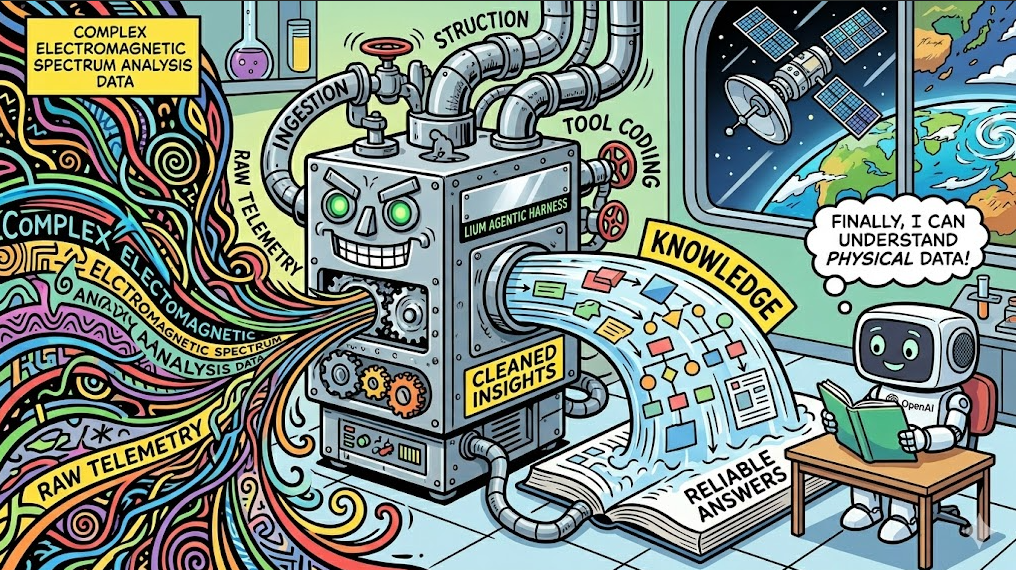
Science can already tell you what a molecule is and what it looks like. What it has never been able to tell you, cheaply and at scale, is how the thing behaves once it meets the messy conditions of the real world. That gap is where drugs quietly fail in trials, where food products miss the palate they were built for, and where, increasingly, artificial intelligence runs out of road.
Apoha, a London company spun out of 15 years of interfacial physics, says it has built the missing measurement. On 3 June it emerged from stealth with $36M in funding, announced at the Frontier Technologies Stage at SXSW London.
The round is led by Singular, with participation from Tim Draper’s Draper Associates and continued backing from seed investors Redalpine, Seedcamp, Wilbe and Nucleus, alongside grant funding from Innovate UK.
The company calls its data layer Liquid State Intelligence, a new category it places alongside sequence and structure. Where genomics digitised the language of biology and structural biology digitised design, Apoha wants to digitise behaviour: what matter actually does under stress. The funding, it says, will go toward making that a foundational data class for biologics, food, materials and physical-world AI.