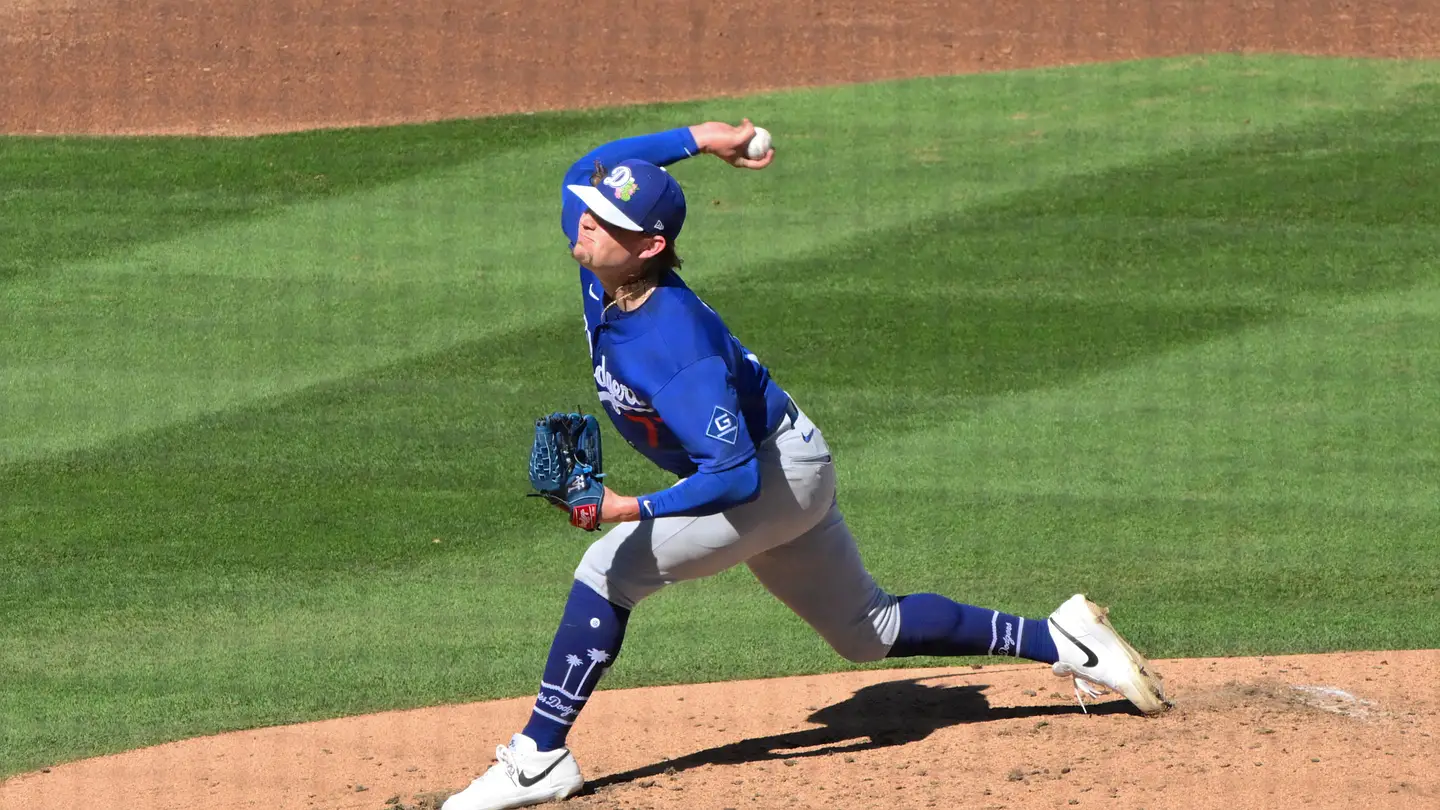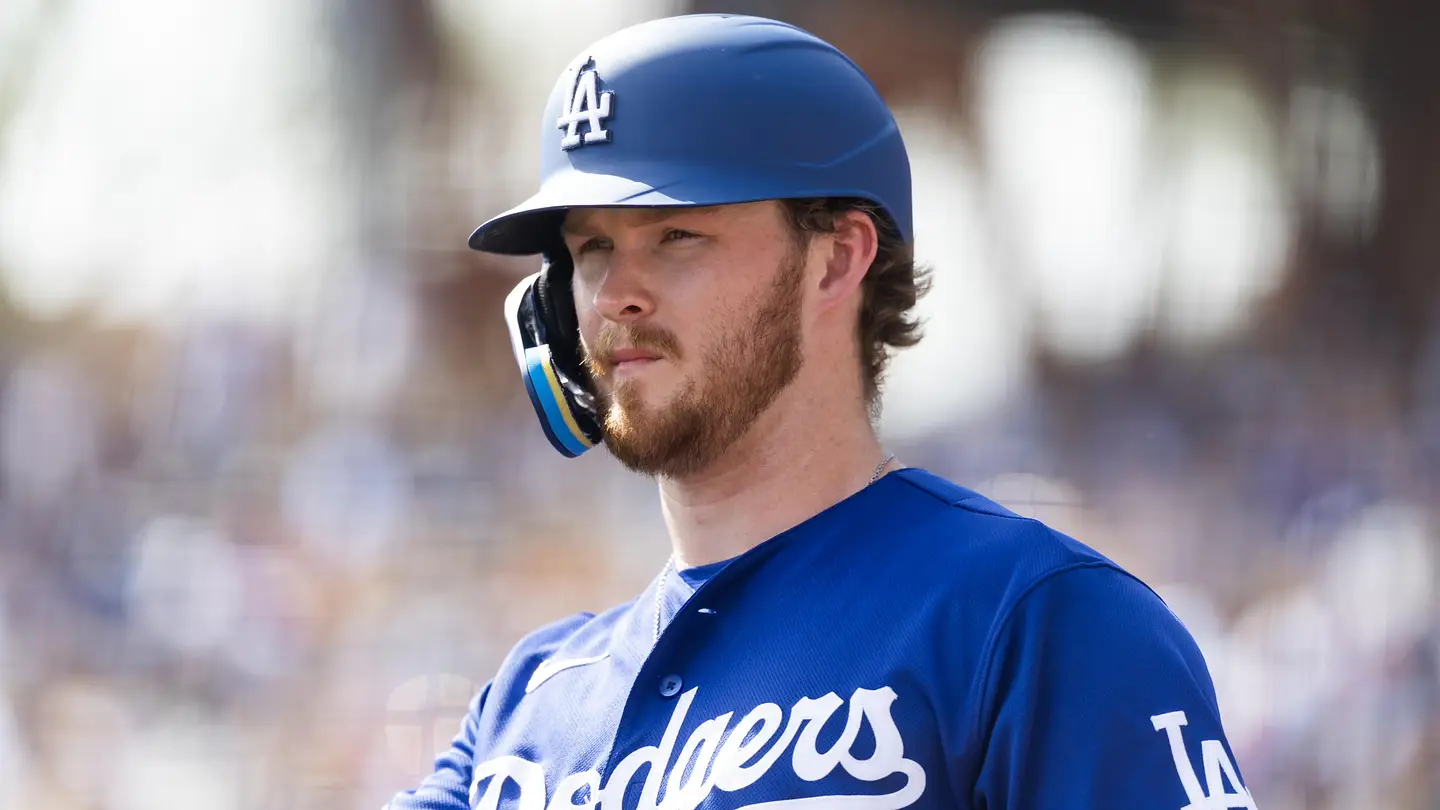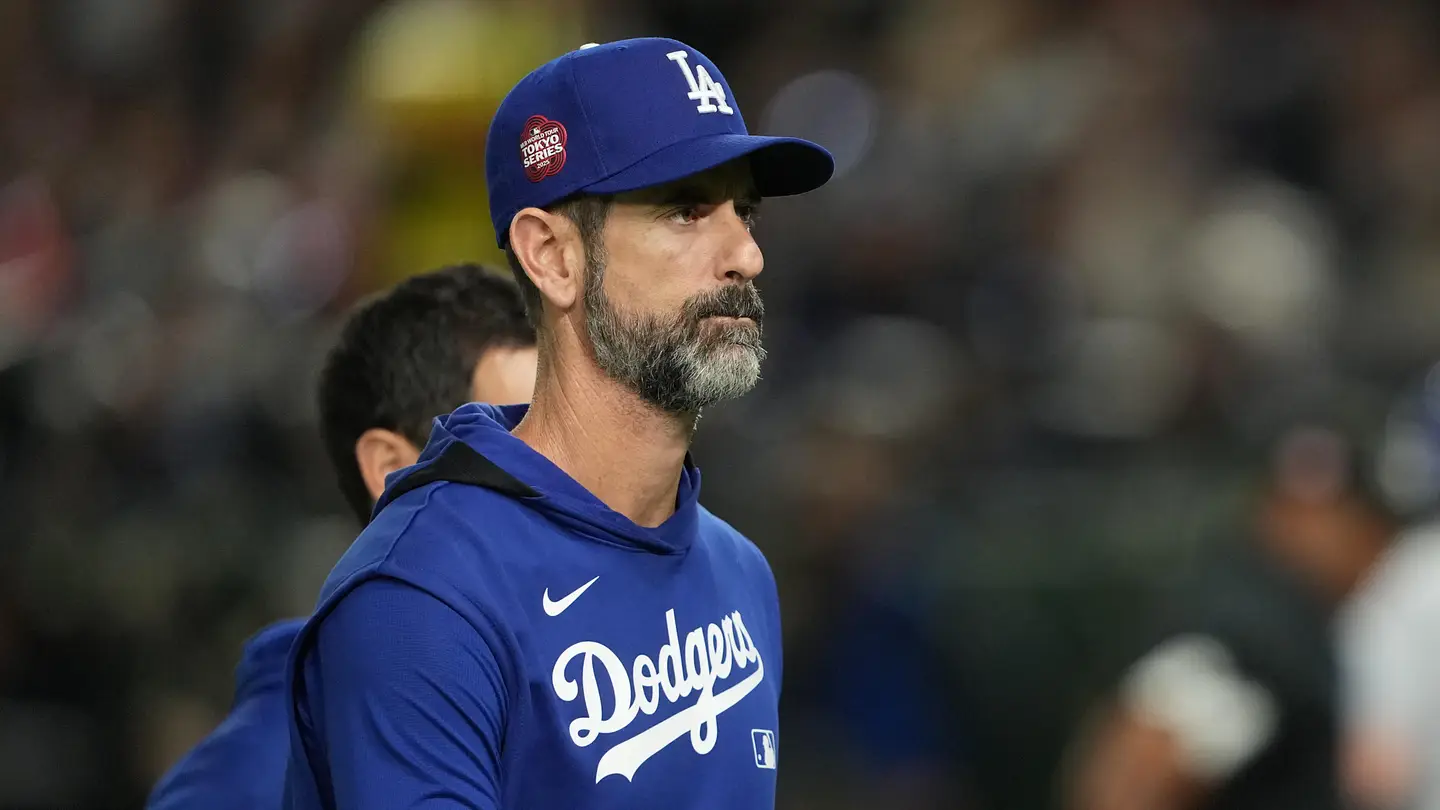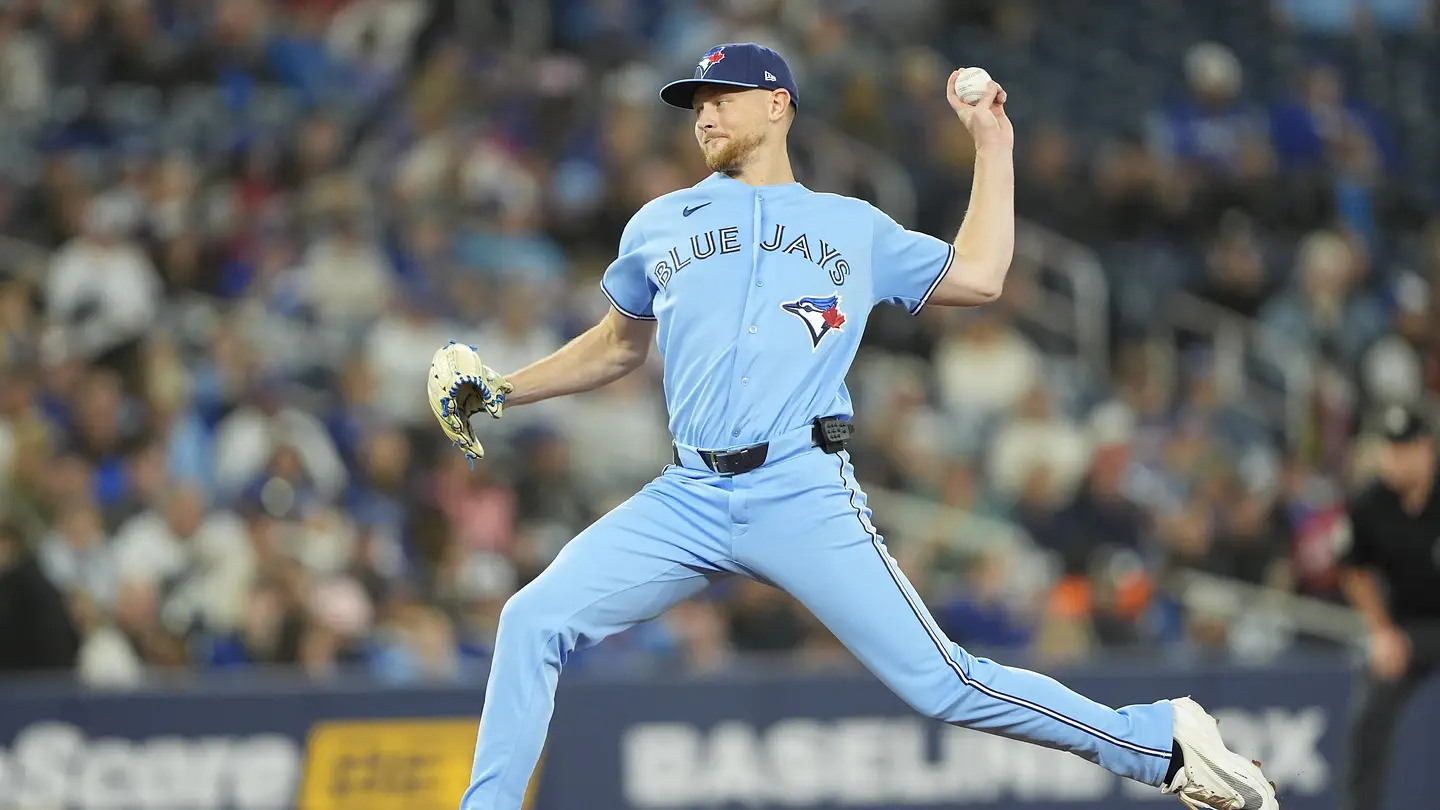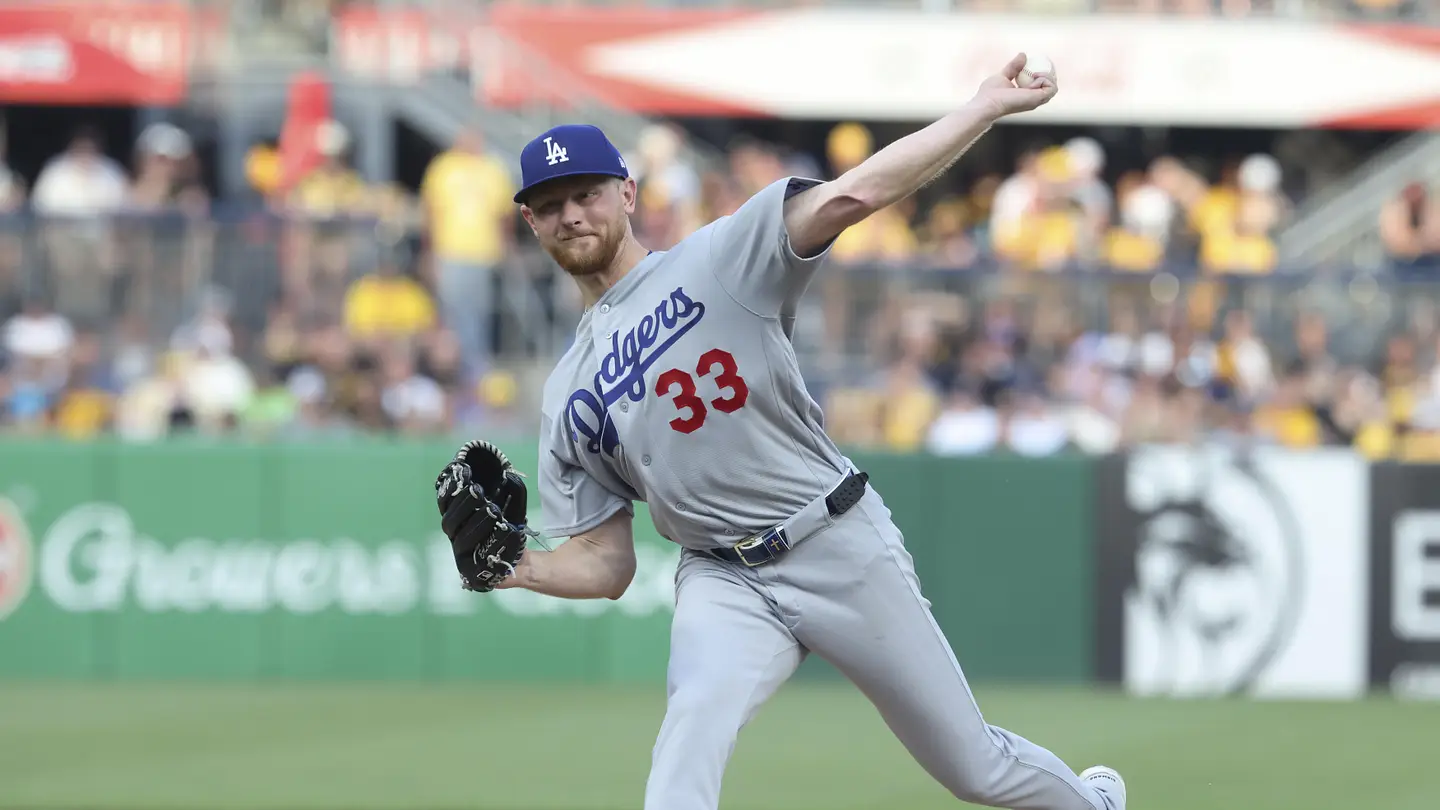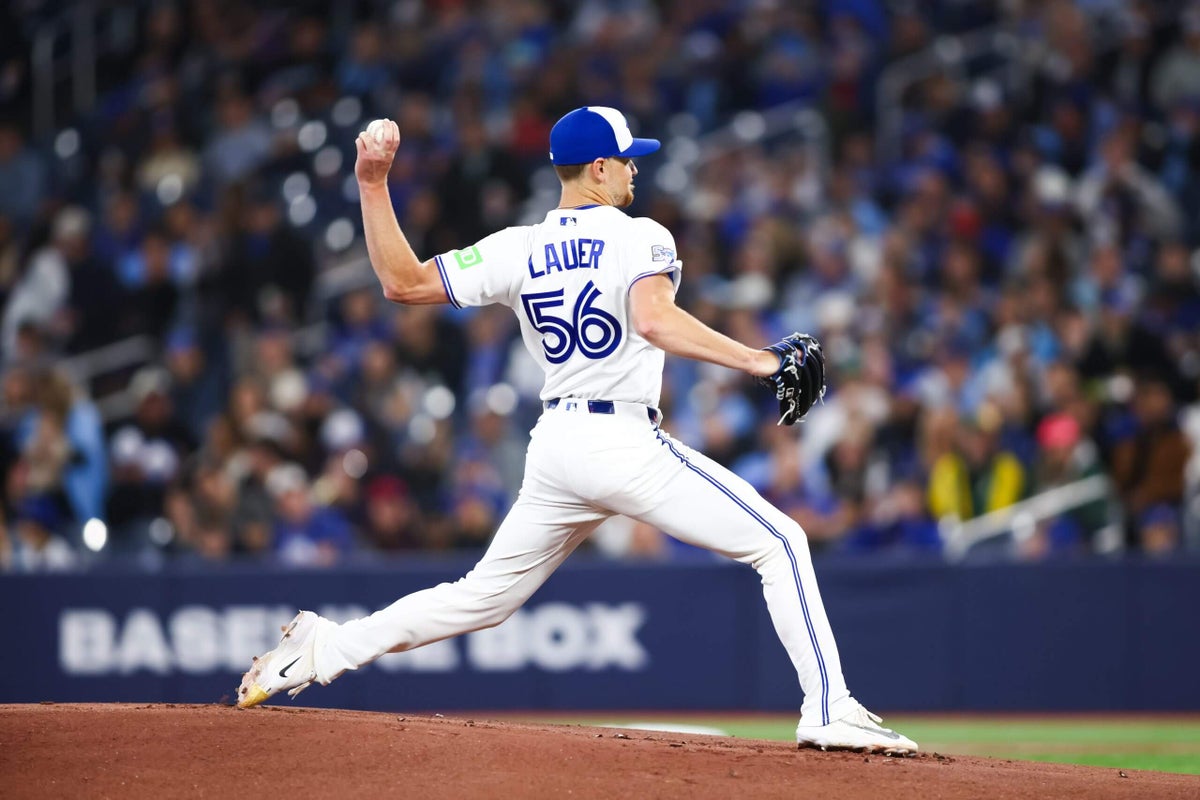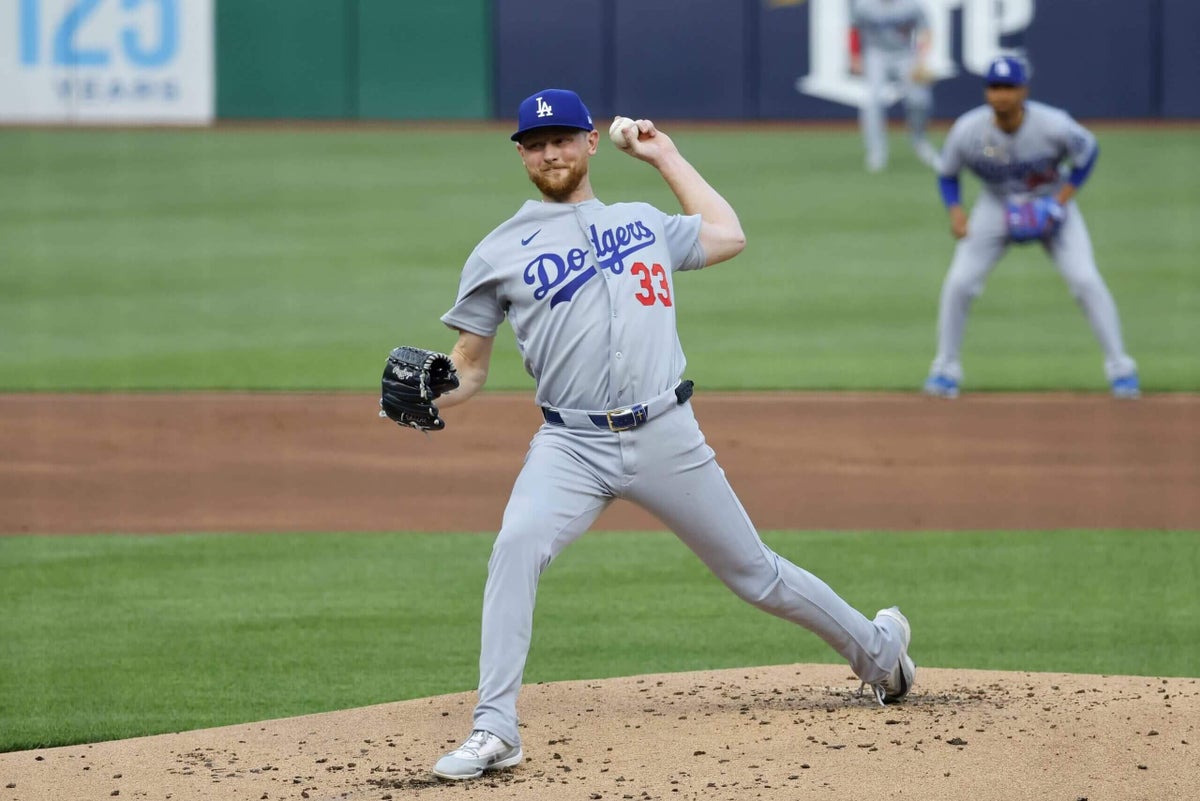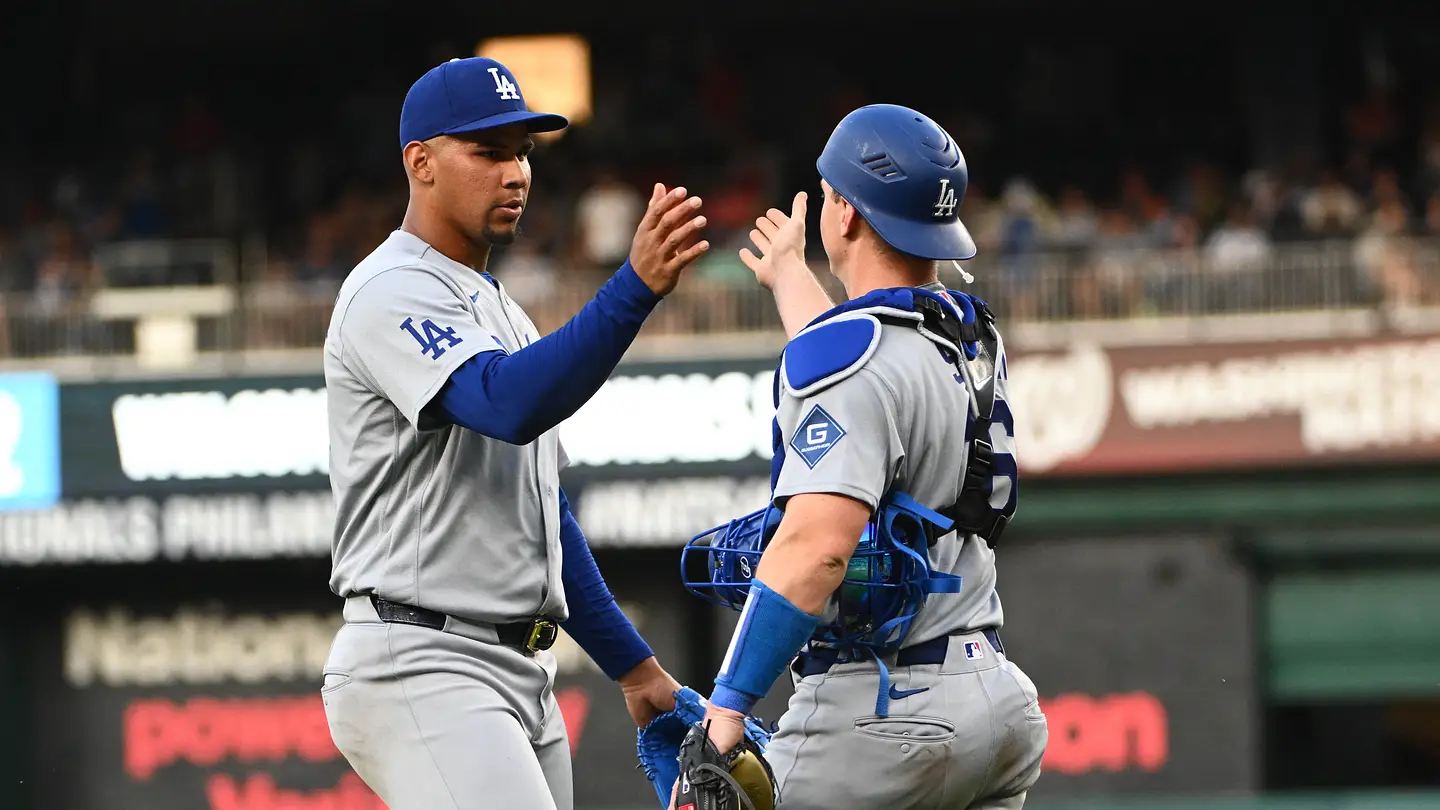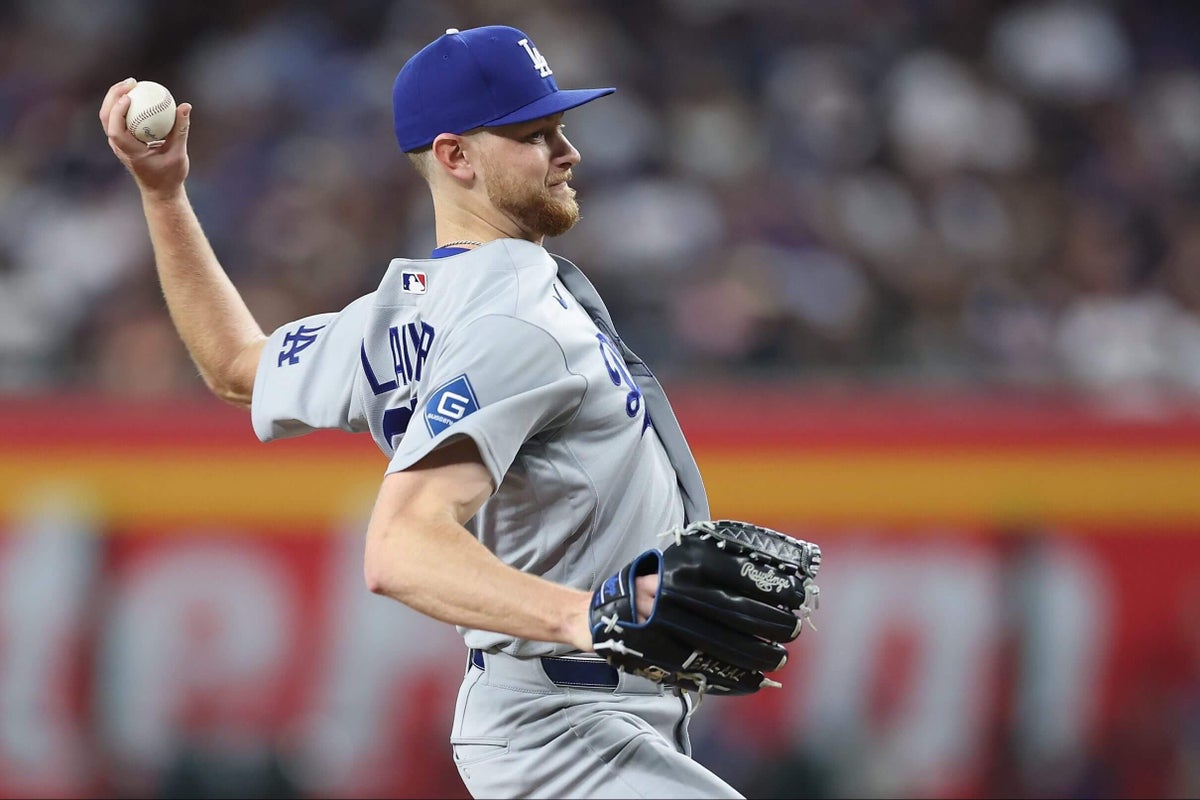
PHOENIX — Eric Lauer’s line against the Arizona Diamondbacks on Tuesday was exactly what the Los Angeles Dodgers needed from their newest sixth starter.Lauer mostly mitigated damage versus one of baseball’s best clubs against left-handed pitching, allowing two earned runs over 4 2/3 innings in the Dodgers’ 6-5 win. The line score was nothing flashy, and not much really popped off the page, but the Dodgers don’t need Lauer to overpower the opposition. They simply need him to post a solid start once a week, and let the rest of the rotation take it from there.The Dodgers traded for Lauer, who was designated for assignment by the Toronto Blue Jays in mid-May, because of their commitment to using a six-man rotation. For a team with October aspirations and a deep pool of starting pitching talent, utilizing extra rest days throughout the season was a no-brainer. That the Dodgers have been able to maintain using six starters — despite key injuries to Blake Snell and Tyler Glasnow — for the first two months into the season has directly contributed to the rotation’s overwhelming success.Winners of 15 of their last 19 and owners of the second-best record in MLB (39-22) the Dodgers boast one of the best starting staffs in baseball, this despite being without Glasnow (back spasms) for nearly a month, and getting just three innings from Snell (shoulder inflammation, elbow surgery). Entering Tuesday, the Dodgers rotation led the National League in ERA (3.05), innings pitched (342 2/3), and led the majors in strikeouts (337), WHIP (1.05) and quality starts (34).It helps to consider the pedigree of the rotation. Shohei Ohtani looks like a National League Cy Young contender in his first full-season of two-way duties since 2023. Yoshinobu Yamamoto has solidified himself as an ace after his 2025 World Series heroics. And the young arms are promising, too: Justin Wrobleski is coming into his own — as is Emmet Sheehan — and Roki Sasaki continues to take significant steps forward.But the Dodgers feel they’ve unlocked the key component to their starting pitching success. They knew coming into the season they’d look into implementing a six-man rotation when able. The primary rationale was to provide as much recovery — especially for Ohtani — as possible. But that extra recovery time has helped the pitching across the board, keeping Yamamoto and Sasaki on a schedule they’re familiar with (in Japan, starting pitchers usually pitch once a week) while providing opportunities for Wrobleksi and Sheehan to establish themselves as key rotation pieces. It’s also allowed Sasaki to continue developing at the major-league level, and the fruits of that decision are starting to bear.“The benefit is it allows (Ohtani, Yamamoto and Sasaki) to be on a routine that they’re more accustomed to,” pitching coach Mark Prior said. “It’s also another way for us with some of our younger guys to come up not tax them right out of the chute. In this environment, you’re already adding the stress of pitching to this level versus the minor leagues, so these are all just little benefits I think we’ve seen in the margins.”
Dodgers’ commitment to six-man rotation has created one of baseball’s best staffs
The Dodgers are seeing the fruits of their plan on a regular basis as they lead both the NL and MLB in multiple pitching categories.
1,247 words~6 min read