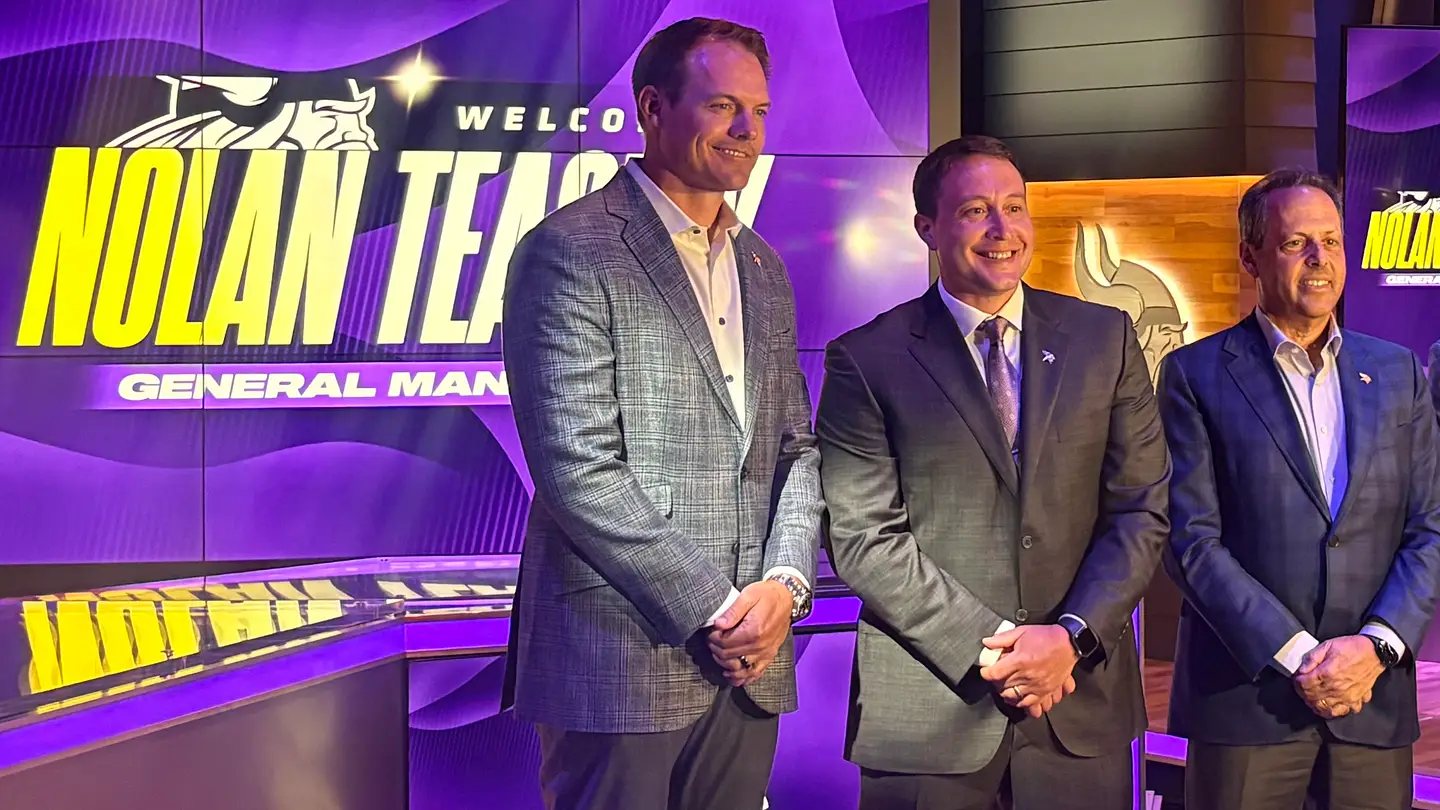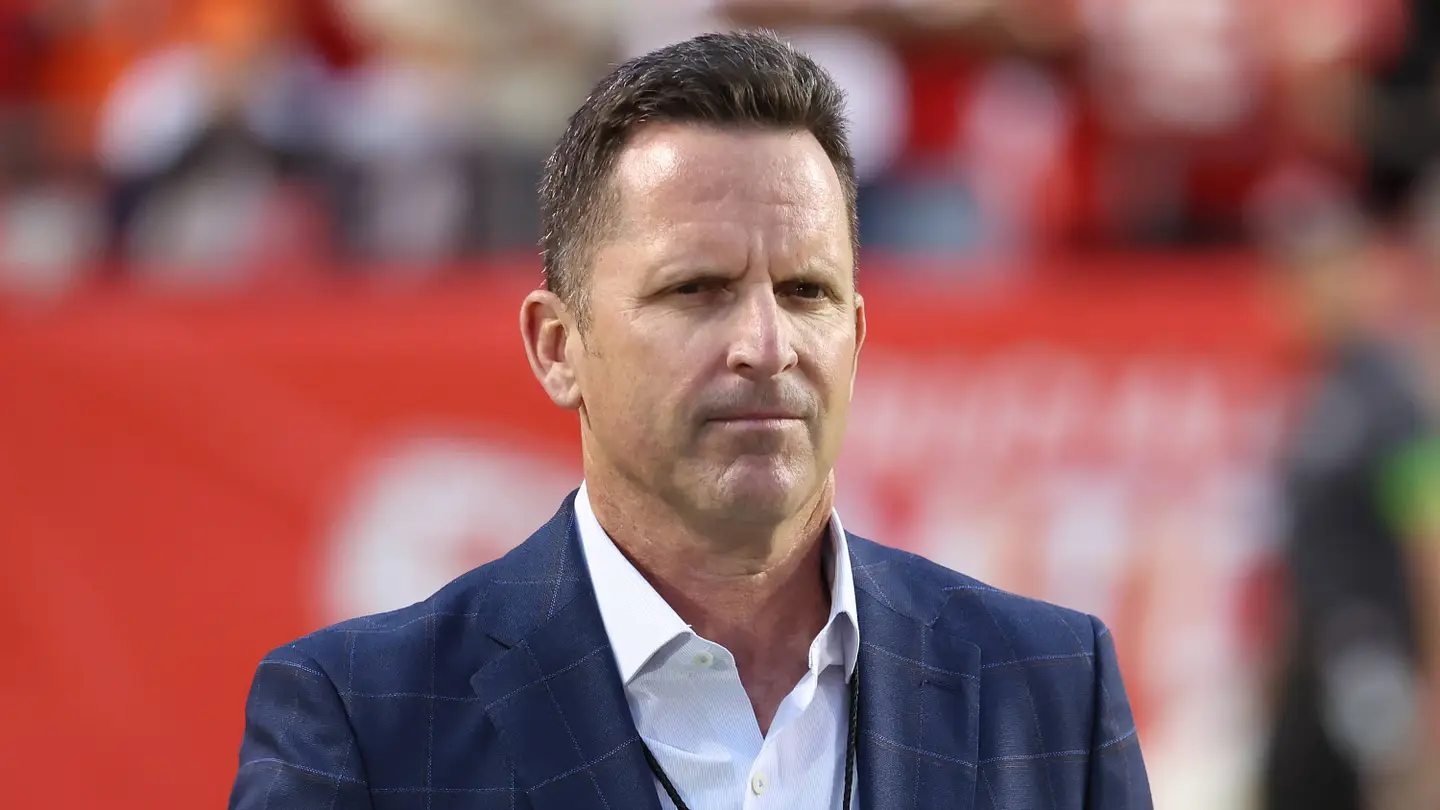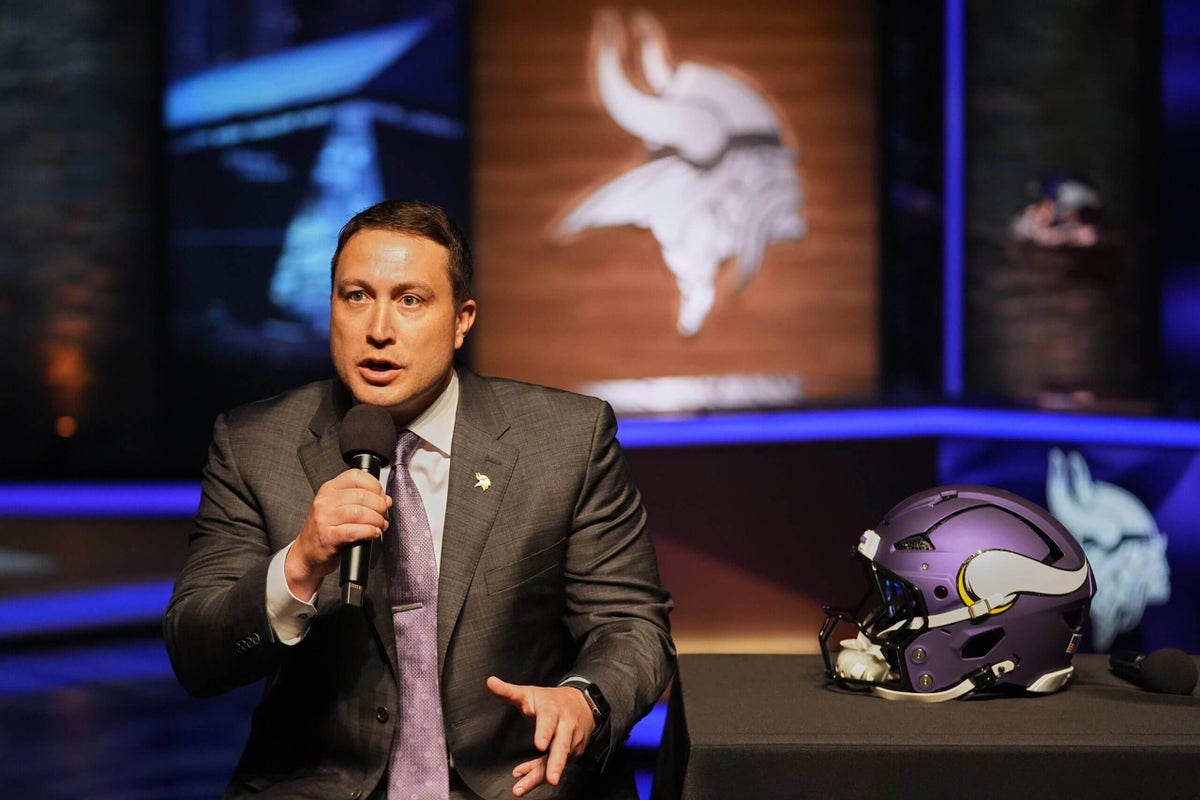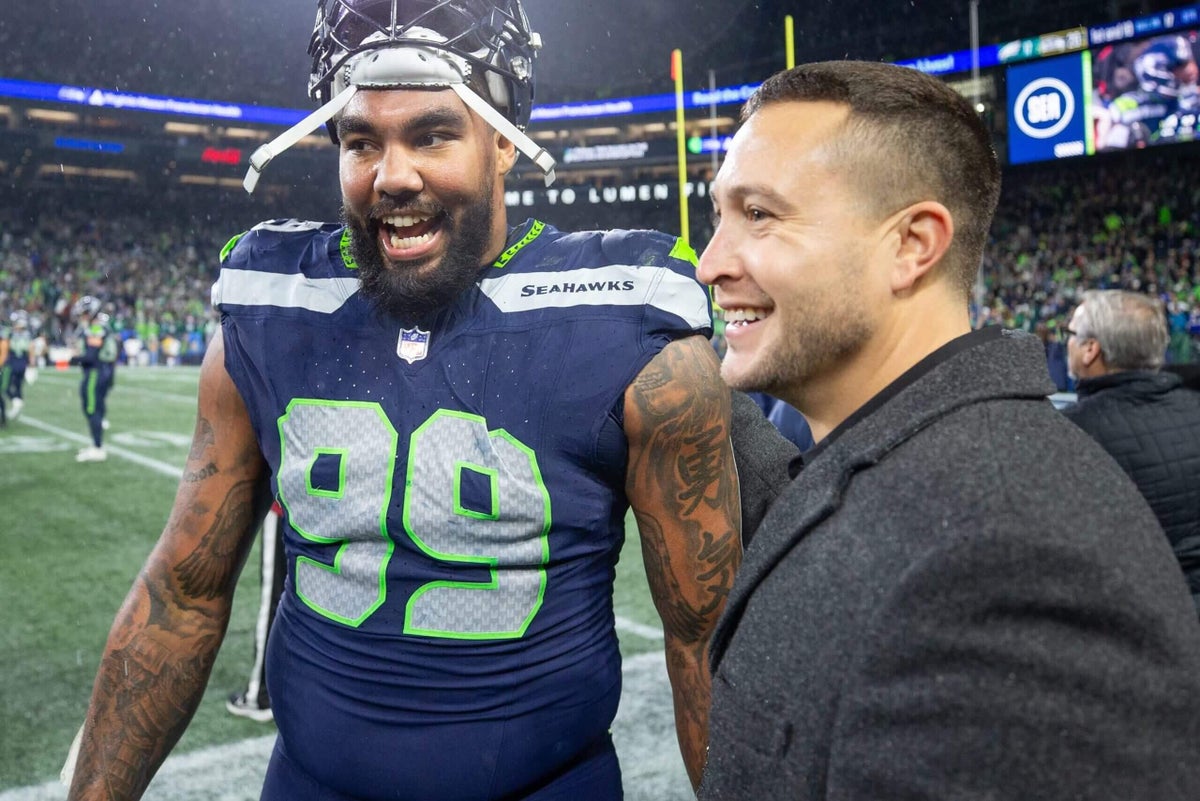
In every sport, certain general managers evoke a degree of mysticism. Reporters describe them as “geniuses” or “wizards.” They rarely speak publicly, or, when they do, they remain private, which only furthers the narrative. It’s as if they’re guarding their team’s secret sauce.Seattle Seahawks executive John Schneider fits this prototype in many ways. He began as a scout. He ascended as a player personnel staffer with a keen eye for finding strengths and weaknesses on film. Building two Super Bowl-winning teams (with two different cores) in 15 years has earned him praise, accolades and reverence.It also masks perhaps his most important quality. As much as his player-evaluation chops come up in conversations with people well-versed in Seattle’s approach, Schneider stands out for his willingness to listen.Schneider does not pretend to have all the answers. If you have an idea or a thought, no matter who you are, he will hear you out. Like, actually hear you.“He just wants to come to the correct conclusion,” Leslie Frazier, the Seahawks’ assistant head coach, said. “It’s not about who gets the credit. That’s rare.”Almost every NFL organization talks about its front-office process being collaborative, aligned and synergistic. This is a sensible North Star.But what happens when two knowledgeable and accomplished people disagree on a player or a roster-construction path? What happens when a younger scout is presenting to an experienced coaching staff? Does the scout walk on eggshells? Does the coach roll his eyes? Is everyone scared to buck the hierarchy of power or titles in pursuit of the optimal result?True culture reveals itself in situations like these, and true leaders establish, from the outset, an open forum without ego.Schneider champions this as well as anyone in the NFL. By extension, so does newly hired Minnesota Vikings general manager Nolan Teasley.“When Nolan talks, he always says, ‘No ego,’” Scott Fitterer, the longtime Seahawks executive and former general manager of the Carolina Panthers, said. “That’s a John Schneider thing. Nolan lives that.”Teasley, 42, is a former running back at Central Washington University. For 13 years, he bore witness to the Seahawks’ process. He learned why the team’s area scouts stayed. He recognized why player agents viewed opportunities to sign with Seattle as enticing. He experienced the progression of a robust performance-science department, analytics staff and player development infrastructure.At the core of it all was Schneider’s tact. In a way, he blindly trusted his strategically hired experts to inspire ideas and fuel growth.As the Vikings searched for a new primary decision-maker to pair with coach Kevin O’Connell and executive vice president Rob Brzezinski, they didn’t waste their time thinking they could find the fictitious super scout, someone who could squint at plays and consistently spot something nobody else saw. Even the most accomplished evaluators miss.Instead, they coveted someone of Schneider’s ilk. Someone who empowers coaches. Someone who takes in several perspectives before making decisions. Someone who sees the game through the eyes of a player and scout but buys into any morsel of useful information.The Vikings saw Teasley as someone who isn’t focused on being the star, who doesn’t care about being seen as the reason the organization succeeds, even if his fingerprints are all over it.“He is proactive, very aware and has a way of solving problems without pissing people off,” Schneider said.Talk to Teasley’s high school teammates, former coaches, colleagues and employees, and they all paint this type of picture.“I think ‘connector’ is the best way to say it,” Tanner Swanson, one of Teasley’s closest friends and the director of catching for the New York Yankees, said. “He has this ability to take different people from different types of roles and make everybody feel like they have a seat at the table.”Teasley and Swanson met at Central Washington in Ellensburg, Wash., which is Teasley’s hometown. Swanson, who played baseball, had heard of Teasley’s high school football dominance as a running back. In one game as a junior against Hanford, Teasley rushed for 331 yards on 18 carries. As a senior, he topped that number against Hanford with 352 yards on 38 carries.Their paths ran parallel. Both left college and entered corporate America at the same time. Swanson taught. Teasley worked in marketing. Neither felt fulfilled, and both sought any possible entry into the games that shaped their dreams as kids.Swanson set out on a path, questioning much of the conventional wisdom around how catchers are taught. He eventually found his way to the major leagues. Meanwhile, after penning letters to NFL teams for months, and following a recommendation from Seahawks scout Aaron Hineline, Teasley earned a watch-film-and-review-a-prospect interview with the Seahawks.He gave up a decent salary for hourly pay to do things like shuttle prospects back and forth from the airport. He passed up nine-to-five comfort for the around-the-clock, never-ending nature of professional football.“Nolan comes in, and I’m thinking, ‘Why would this guy want to be a scout?’” Fitterer said. “He was so much smarter than us. He stood out right away.”The more time they spent together, the more Schneider felt comfortable adding to Teasley’s plate. Teasley helped Fitterer dissect free agents and prepare scouting reports on opponents. He met with agents to determine player value. He influenced some of the analytical models, almost translating the scouting staff’s positional priorities into numbers.Teasley spoke sparingly in staff-wide meetings, but his words often clarified multiple realms of thought. He even attended coaches’ presentations with players, absorbing football expertise at the most detailed level.Curiosity has defined his NFL career thus far.“He thinks long and hard about things before he gives an answer,” Jason Rittereiser, a friend since second grade, said. “He’s an intellectual guy.”More recently, Schneider tasked him with designing a player development system called “Just One Thing.” Typically, position coaches and strength staffers meet with players to provide areas of growth. The Seahawks preferred a more consistent feedback loop. Teasley incorporated input from all areas of the organization, and Frazier suggested that the benefits affect players’ decisions about whether to stay with the Seahawks.Replicating a similar program isn’t the central appeal of Teasley, but exposure to an environment capable of building this type of program is.Schneider created a world in Seattle willing to admit it doesn’t have all the answers. This approach allows for evolution and change. It fosters a feeling of freedom for employees who have ideas. They can ask questions. They can speak their minds. They can do what every valuable member of a great team wants to do: contribute something that helps the entire group.
New Vikings GM Nolan Teasley understands the secret that makes the Seahawks great
"When Nolan talks, he always says, 'No ego,’" former Panthers GM Scott Fitterer said. "That's a John Schneider thing. Nolan lives that."
1,083 words~5 min read