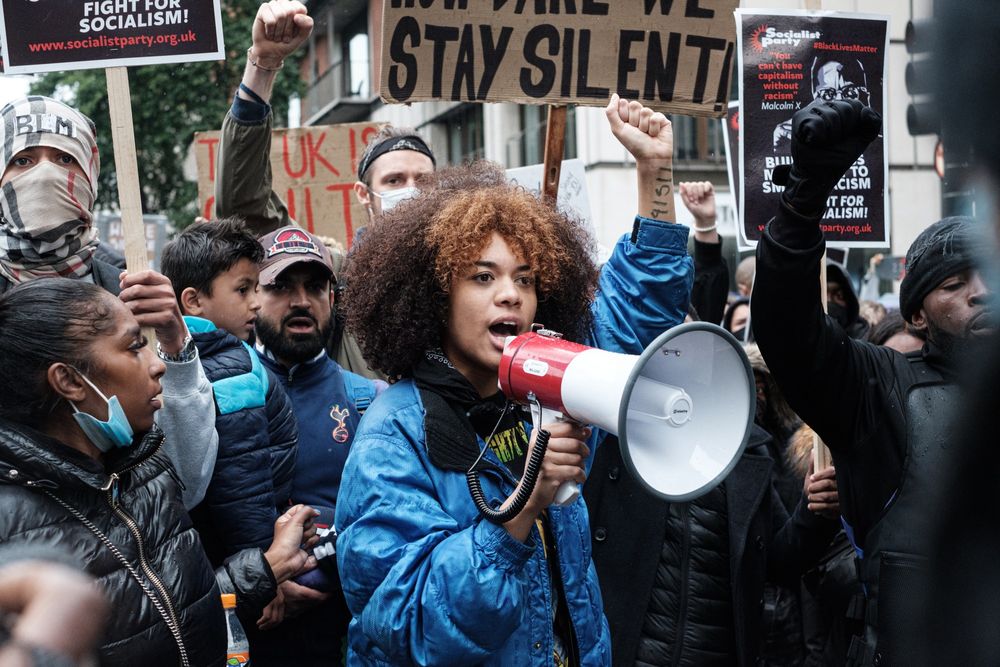
Women's voices should be heard in shaping Africa's future, the writer says.
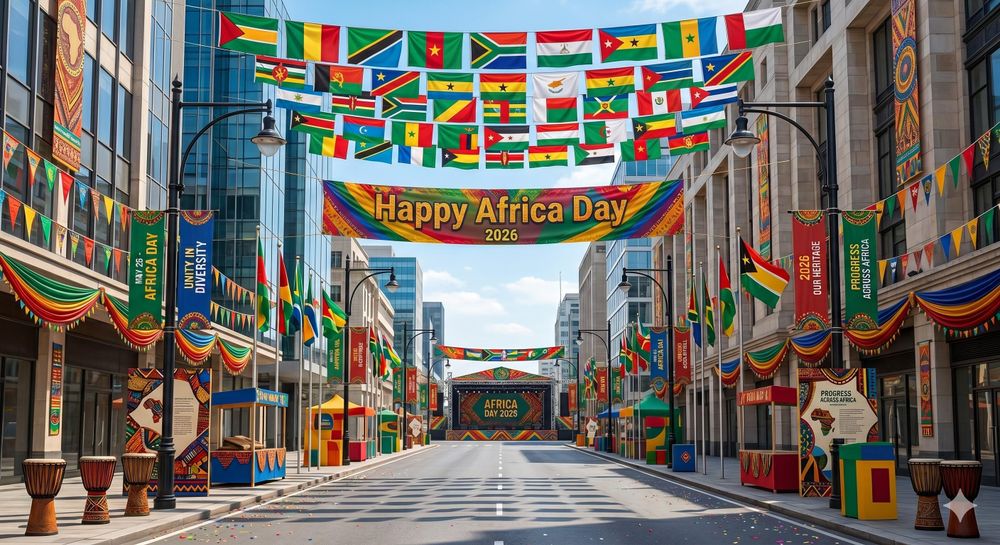
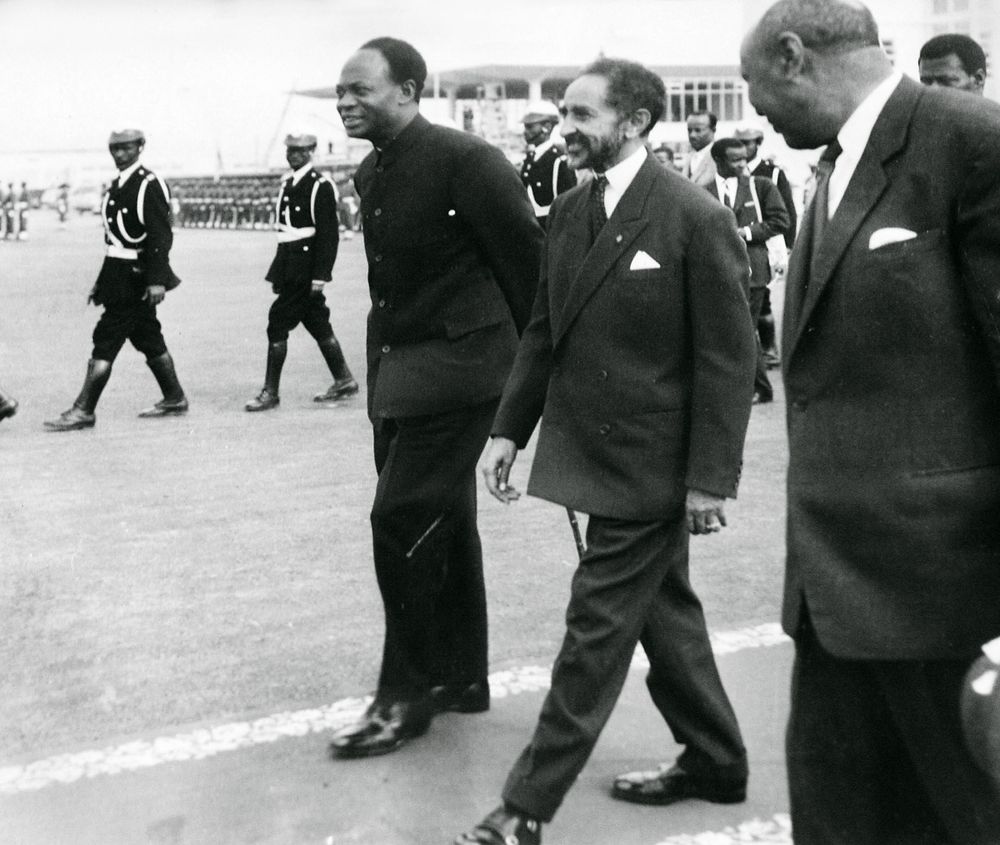
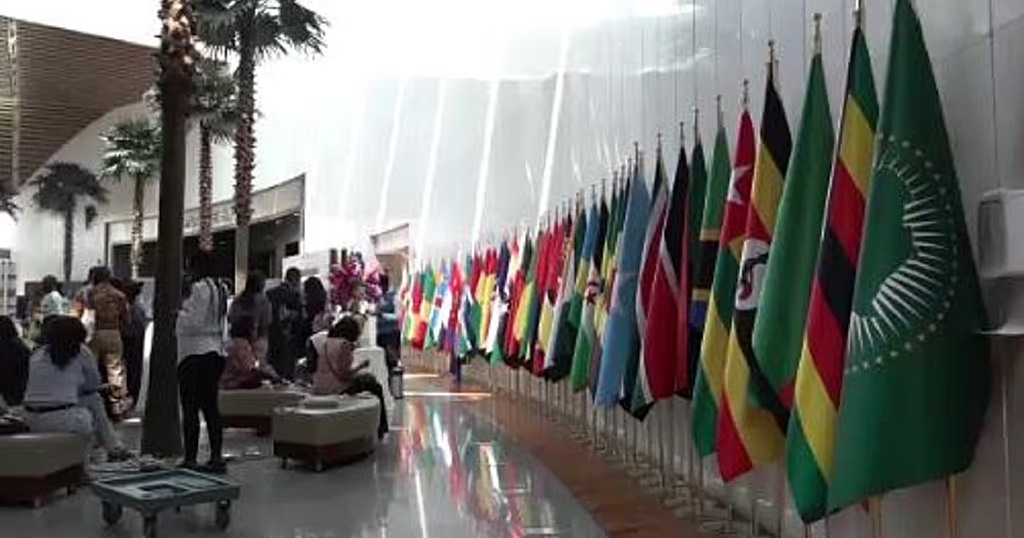
Annually, Africa Day celebrations across the continent are filled with reminders of the promises of unity and solidarity for the continent. In South Africa, Africa Day is commemorated by a diversity of commemorative activities propagating this very idea of unity - started by the Organisation of African Unity (OAU), the precursor to the African Union (AU) on May 25, 1963.
Within the South African Higher Education milieu, the celebrations continued this year despite ongoing tensions of Afrophobia in the country, marking the relevance of universities as places of continued reflection in the context of conflict.
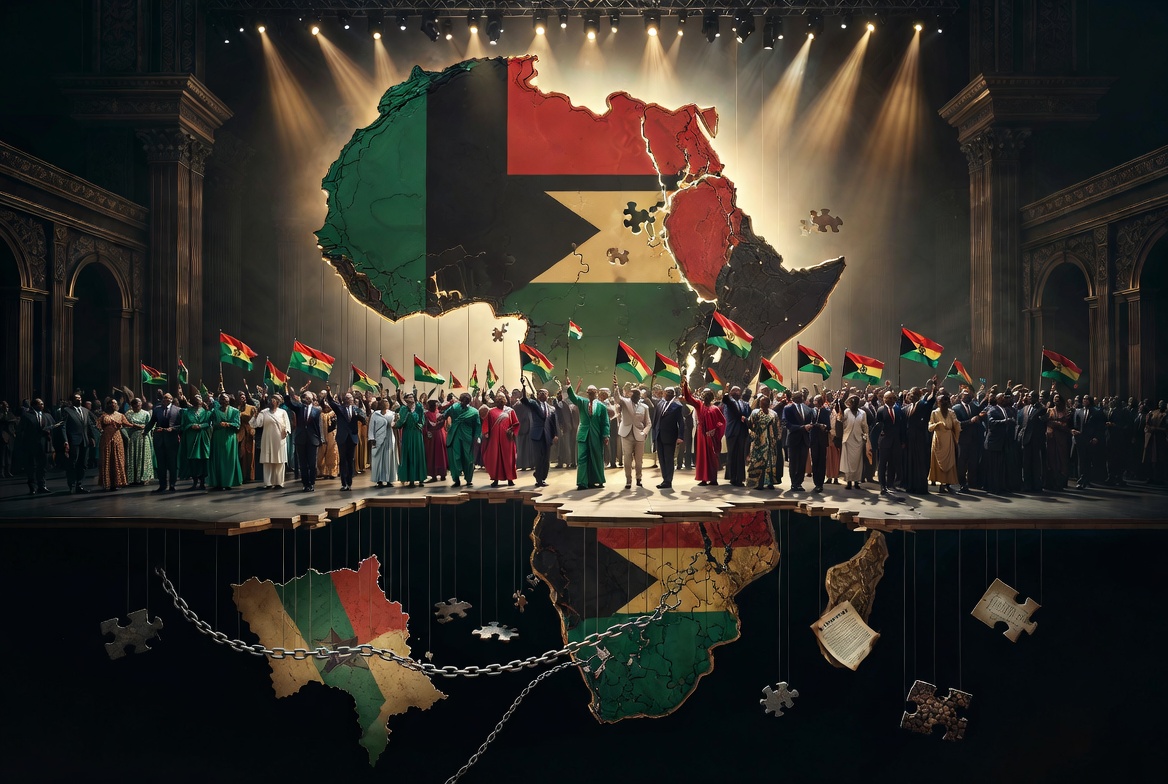
Some of the debates rightfully focused on trying to find solutions for continued African solidarity in the context of the continuing "scramble for Africa", growing geopolitical conflicts, technological shifts and the opportunities offered by multipolarity.
While the debates coming out of the celebrations are important for shifting the needle towards generic unity, what is not showing up is the position of women in this work to develop and unite the continent. This is disturbing as African women, both adult women and young girls, make up 50%-plus of the continent’s population. Thus, 50% of the population dividend that many proponents of Africa's development emphasise, is made up of a group seldom centred in formal African development initiatives – adult women and young girls.