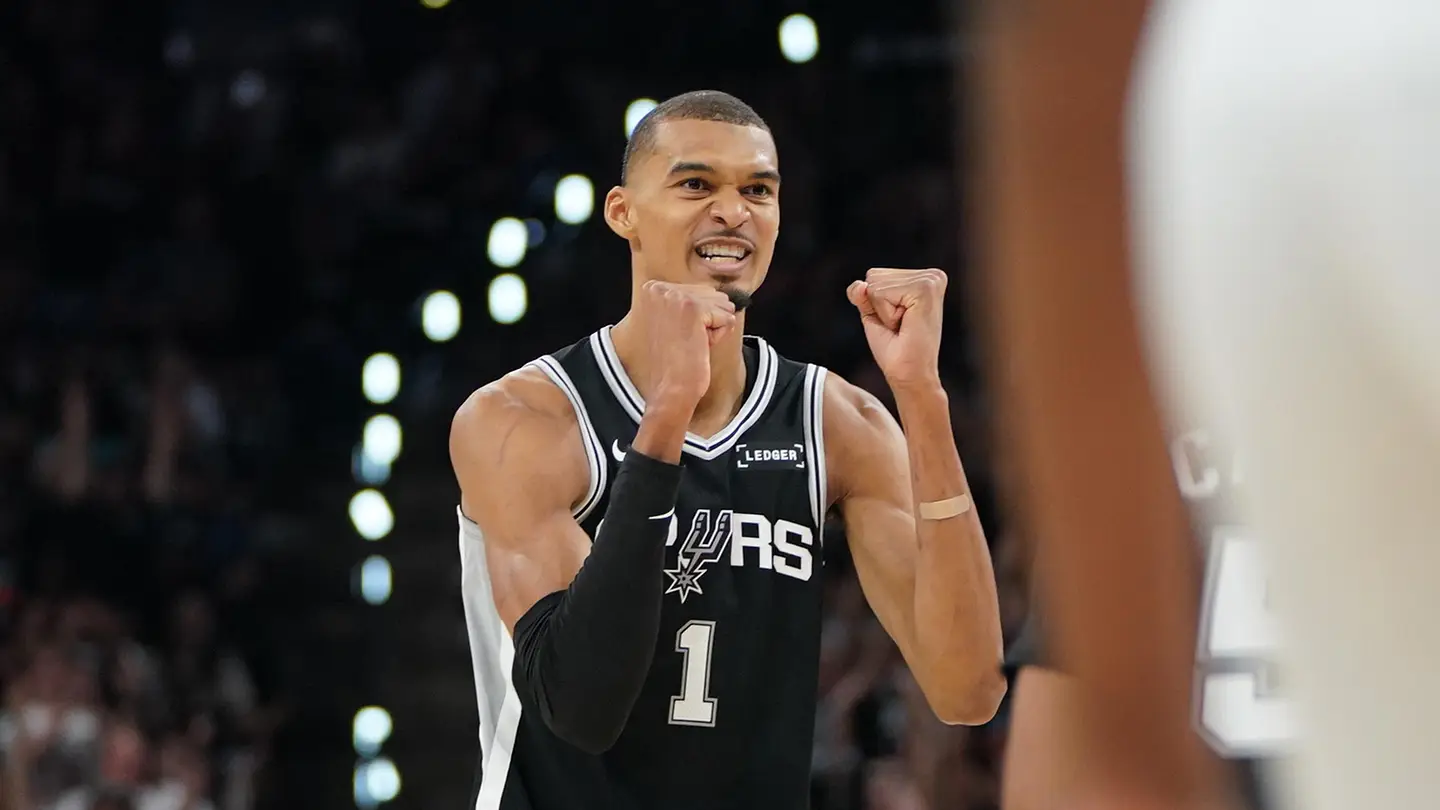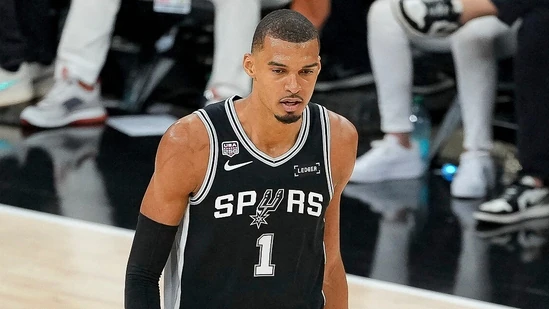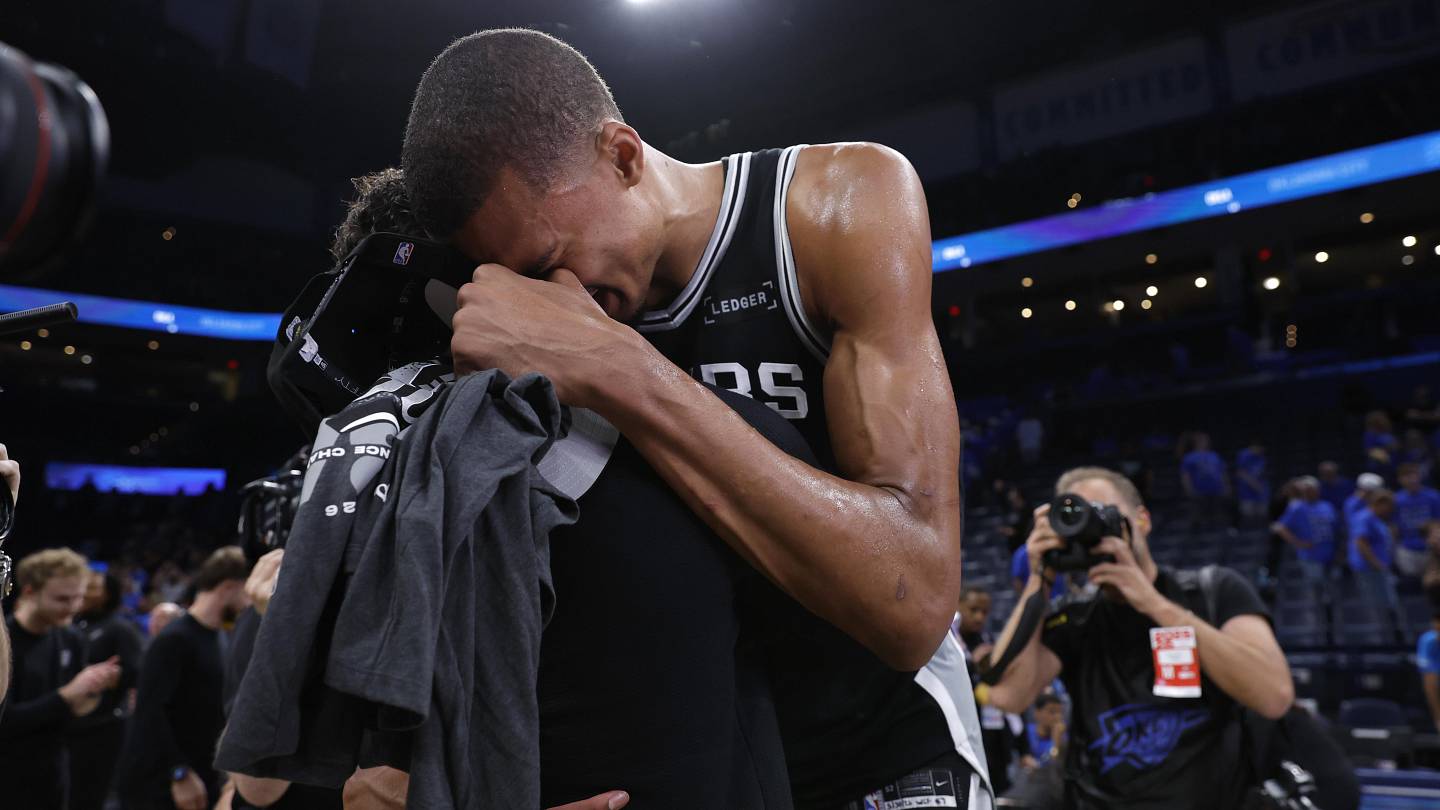
This story is part of Peak, The Athletic’s desk covering the mental side of sports. Sign up for Peak’s newsletter here.Victor Wembanyama sat on the bench with his San Antonio Spurs teammates, visibly emotional as he watched his team secure a victory over the Portland Trail Blazers in the NBA playoffs.After the game, a French reporter asked Wembanyama why he believes athletes often struggle to display their feelings.“Personally,” Wembanyama said, “I refuse to carry the burden of having to hide my emotions.”When Brad Stulberg, a University of Michigan professor and author of “The Way of Excellence,” heard the comment, he immediately thought of what he calls the “epidemic of nonchalance.” A culture where caring deeply can be mistaken for weakness and emotional investment is often treated as something to hide.To Stulberg, it’s exactly why Wembanyama’s answer stood out.Stulberg works in the graduate school of public health at Michigan, where he researches, writes about and teaches human performance. Wembanyama is a particularly fascinating case study.A 7-foot-4 center from France, Wembanyama has become one of the biggest stars in the NBA in just his third season. And he has done it by wearing his heart on his sleeve, including crying after leading the Spurs to the NBA Finals.To Stulberg, it underscores a larger idea. He said a lot of people convince themselves they don’t care about something as much as they actually do in the hope that it’ll soften the blow if things fall through.But he sees that less as confidence, and more as self-protection, or what he calls a “built-in handicap.” The problem, he said, is that protecting yourself from failure or judgment often means holding back from giving 100 percent of yourself.
Victor Wembanyama isn’t afraid to cry. One performance expert thinks we need more of it
“The world needs more people who have the guts to care,” said Brad Stulberg, a University of Michigan professor.
755 words~3 min read