1. Article continues after advertisement
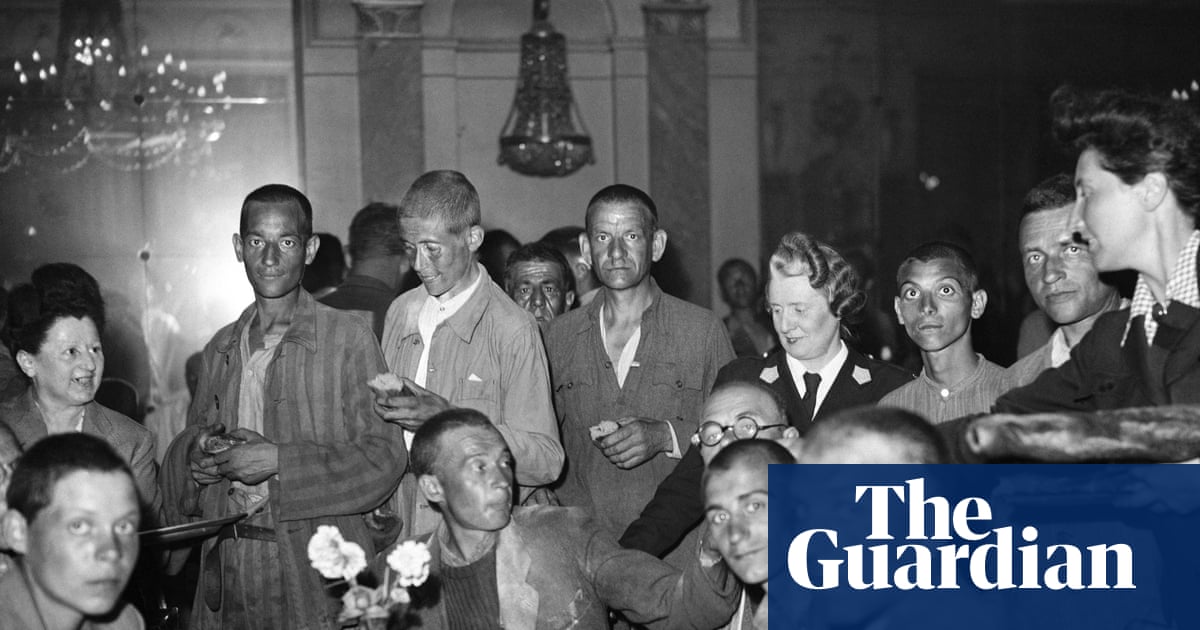
The International Refugee Organization (IRO) put the three women up in Paris. My eighteen-year-old mother, Ursula; her sister, Traute; and my grandmother, Gertrud. It was supposed to be a one-night layover, just long enough for them to get their entry visas stamped at the Ecuadorian embassy, then transit fifteen hours by train to Genoa, where the SS Marco Polo was waiting to make the crossing to Guayaquil, at which point they’d finally be reunited with my grandfather after eight years of anxious separation.
This was 1948. It would be almost sixty years later that my mother would tell me the fullest version of the story, not long after her cancer diagnosis. I’d just been in Paris myself. In fact, I’d been there three times that year, on a lucky streak I was too naive to appreciate at the time. I’d taken the most recent trip in connection with a documentary film a friend of mine was making about Mavis Gallant, for which I’d done the interviews. Mavis and Iate dinner at Le Dôme and Wadja in Montparnasse. She never really answered any of my writing questions, though at the end of one evening, she told me I reminded her of her ex-husband, Johnny. She was holding my arm tightly as we stepped around puddles toward a taxi in Boulevard Raspail. She was eighty-three that year.