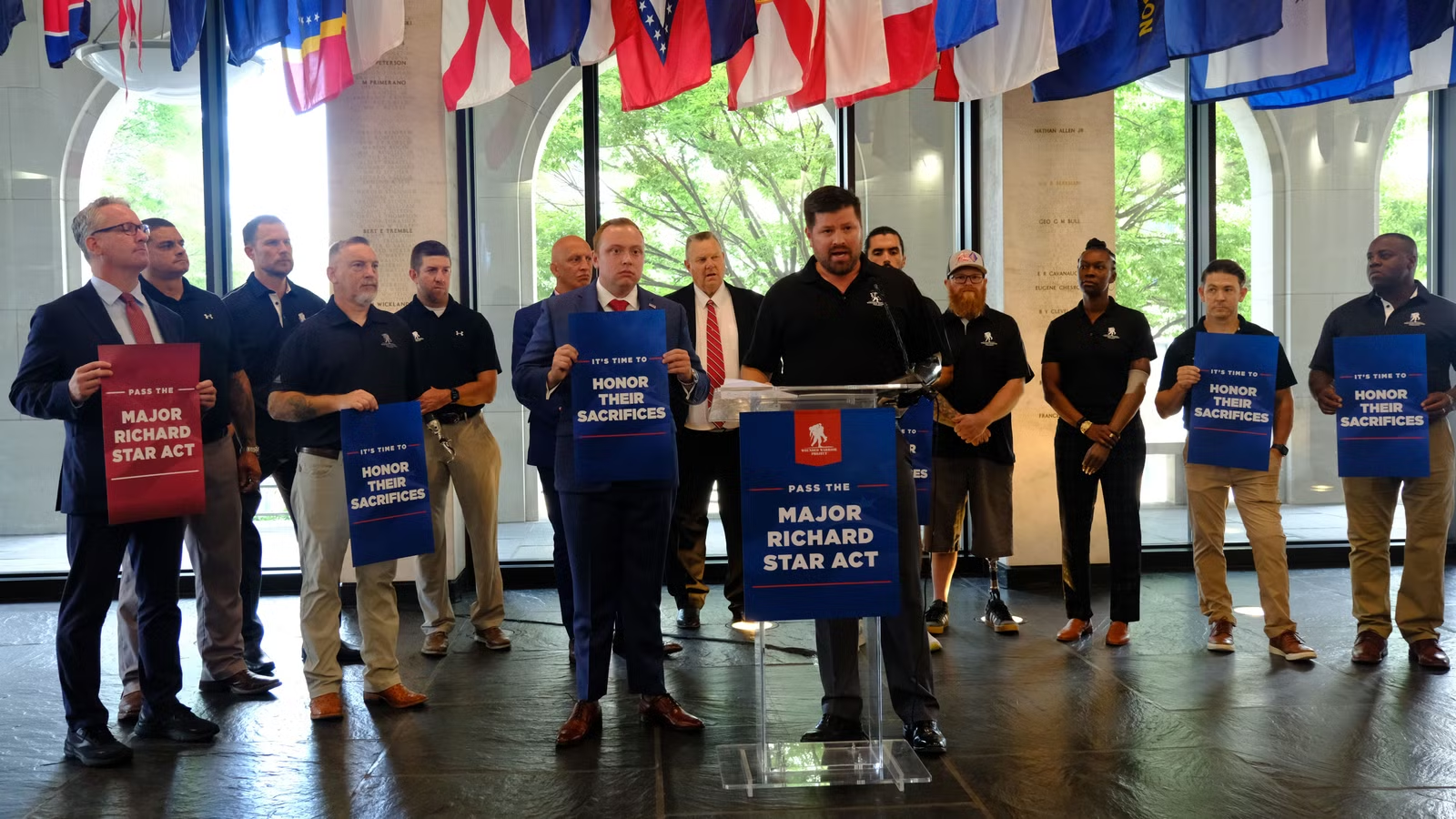
Veteran advocates met last month with legislators on a daunting yet important task: finding a way to reduce the veteran suicide rate. Representatives from the American Foundation for Suicide Prevention traveled to Washington D.C. for the 17th annual Advocacy Forum, taking place May 10-13, in which they advocated for two bills they hope to pass to reduce veteran suicide. “The numbers are dire,” Laurel Stine, executive vice president and chief policy and advocacy officer for the American Foundation for Suicide Prevention, told Military.com. “In addition to that, veterans face a 35% higher suicide rate in the 12 months after separation of active military service.” One piece of legislation includes the Daniel J. Harvey Jr. and Adam Lambert Improving Servicemember Transition to Reduce Veteran Suicide Act, which calls for expanding Veterans Affairs (VA) and Department of Defense (DoD) programs to help active-duty military members and veterans spot risk factors for suicide and reach out for mental health support. Another bill circulating through Congress is the Barriers to Suicide Act, which if passed would install suicide-deterrent barriers on bridges and non-bridge structures deemed high risk for suicide attempts. It would accomplish that by authorizing $10 million annually to construct the barriers between Fiscal Year 2026 and Fiscal Year 2030. Overall, suicide is the 10th leading cause of death in the U.S. with 48,824 people taking their own lives in 2024. For the veteran population, the numbers are even more staggering. Based on recent data from the VA, an average of 17.5 veterans die by suicide every day, along with 35.2 suicides per 100,000 veterans—almost double the suicide rate for non-veterans in the U.S. Last month’s Advocacy Forum brought together more than 200 advocates from across the country. Along with promoting laws to help veterans transition to post-service life, the group is also pushing for legislation that will build architectural barriers limiting suicide attempts.
Veterans are Dying at About 18 Per Day. New Legislation Aims to Change That
Advocates say proposals would bolster existing programs and call for barriers to prevent suicide attempts.
1,163 words~5 min read