Quick links.
Code: https://github.com/murf-ai/murf-cookbook/tree/main/examples/openclaw/food_ordering_agent
Configuration Deep Dive: https://dev.to/sanchita_sunil/notes-from-the-openclaw-voice-tutorial-4ngg
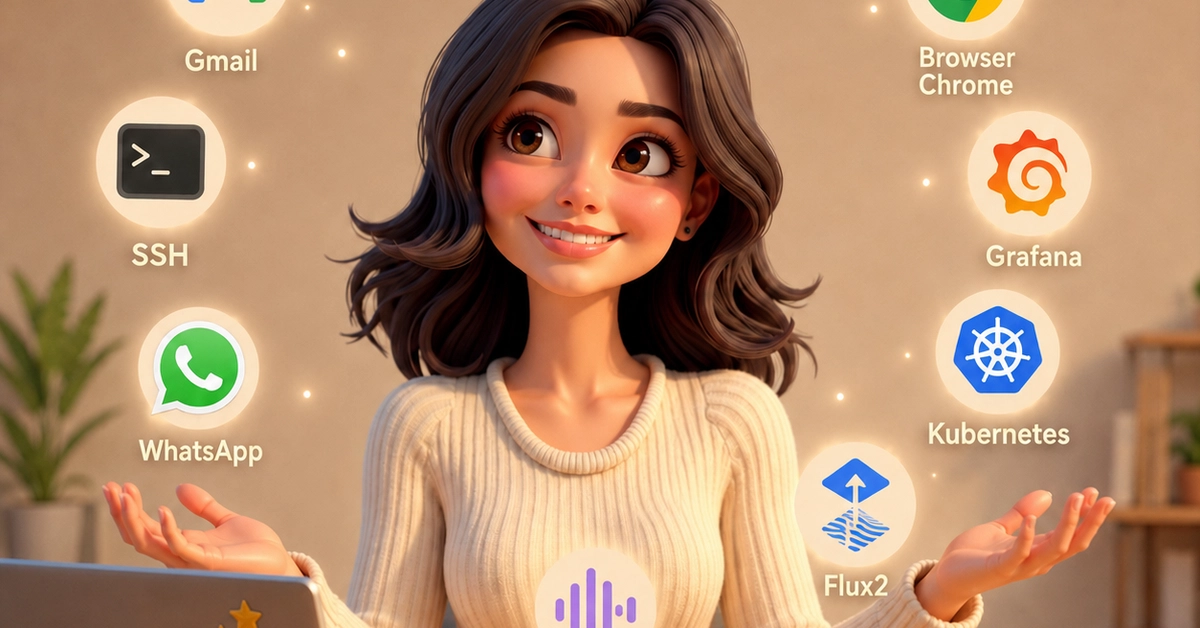
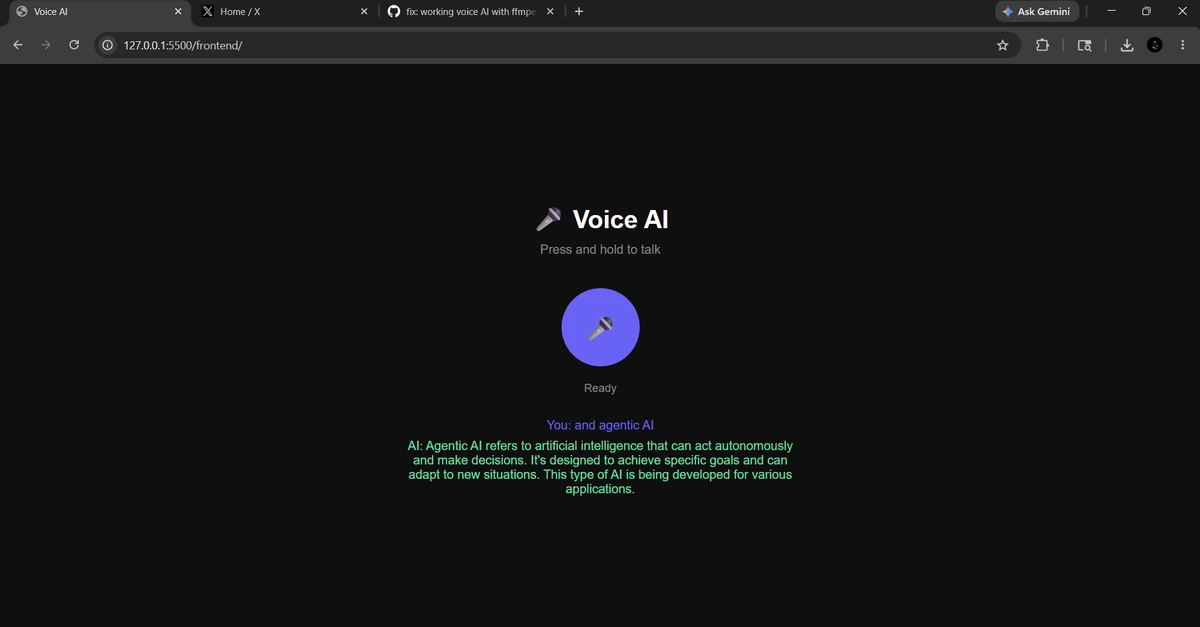
Building a working voice agent usually means stitching state across speech, logic, and external APIs by hand. OpenClaw gives you a runtime that handles most of that for you. To see how far that gets you in practice, I wired OpenClaw up to a microphone, a Murf Falcon voice, and a Swiggy account. In about 800 lines of TypeScript, I had an agent that could search restaurants, take add-to-cart instructions, and place a real order end to end.
This post is an architecture walkthrough. I'll explain what OpenClaw is doing under the hood, where I had to fight its defaults, and how the same blueprint applies to any voice agent you want to build.