Celia Griver’s son, Nathan, is 24 and has been unemployed since leaving sixth form with three A-levels in 2020.
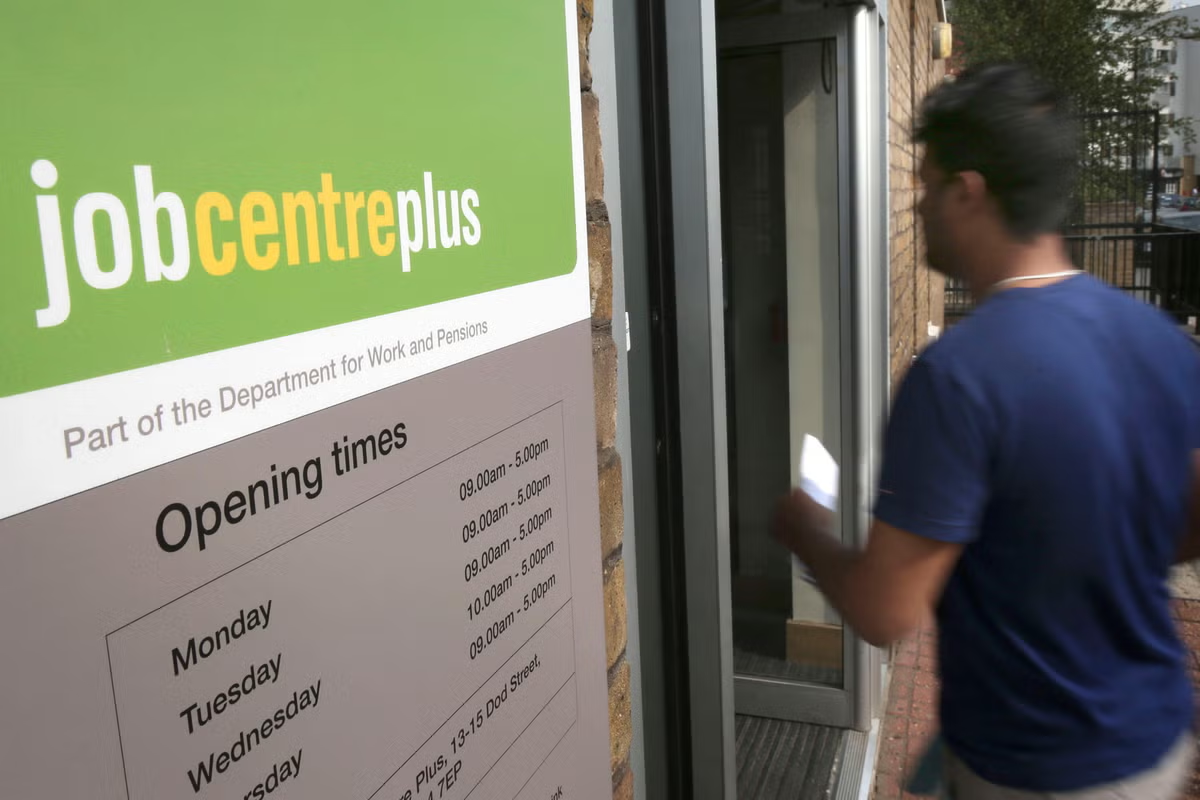
Nathan is one of a growing number of young people not in employment, education or training (Neet). A report published by the former health secretary, Alan Milburn, last week found that nearly one million young people aged 16 to 24 in the UK are Neets, and six in 10 Neets have never had a job, up from four in 10 in 2025.
“Nathan really wants to work, but has given up hope after countless rejections,” says Celia. “He has applied for hundreds and hundreds of jobs over the years. He’s really trying hard to find a job. My husband sits down with him every Friday morning to fill out job applications, and he completes more on his own during the rest of the week, but no matter what he tries, it’s impossible to find anything. The bar for even the most basic job is set so high.”
Nathan was diagnosed with autism and dyspraxia in 2020 at the start of the lockdown. However, accessing any support has been difficult, as he did not receive an EHCP, explains Celia.
“He still lives at home with us, and it’s an expense we hadn’t really anticipated still carrying at his age,” explains Celia. “Some of my friends are empty nesters, but I can’t anticipate being in a situation where that will happen to us. I can’t ever see Nathan being financially able to afford to move out.”