June 3, 2026 | 04:01 pm
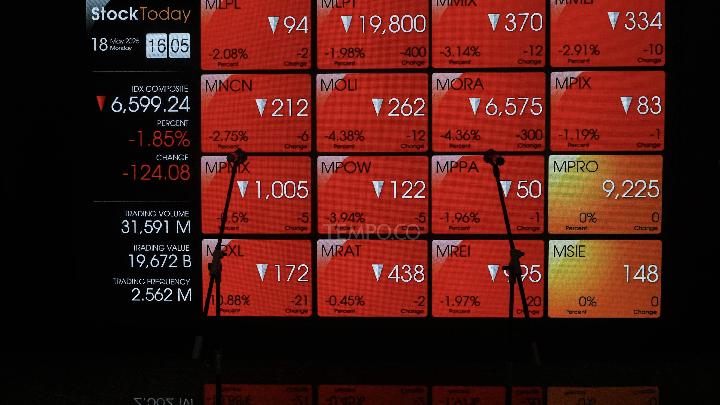
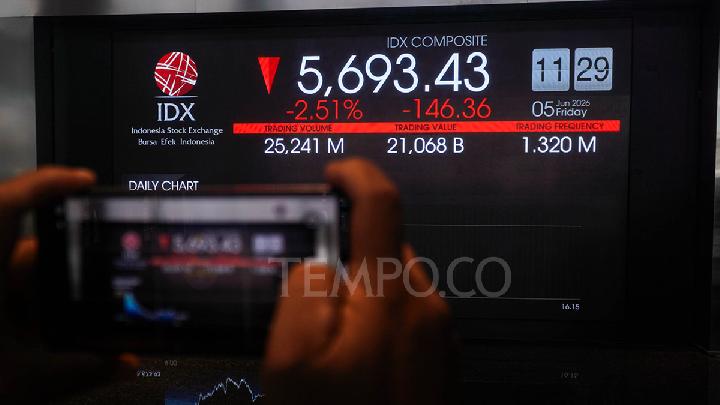
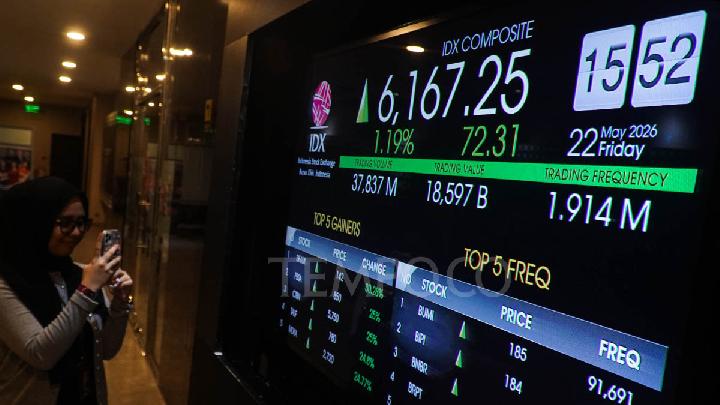
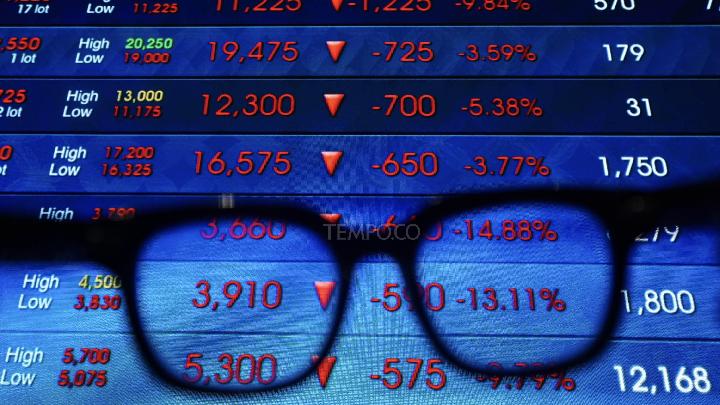
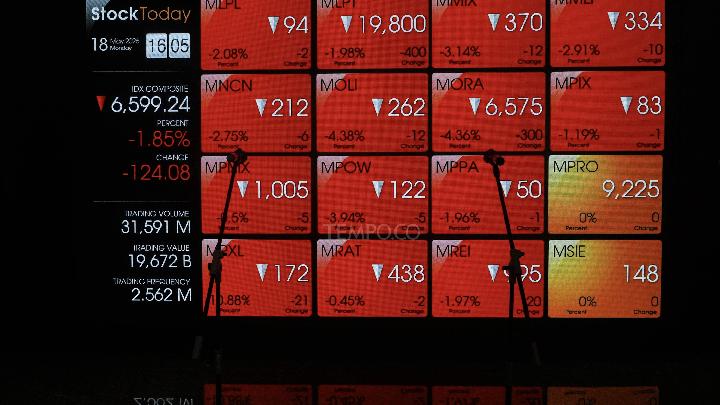
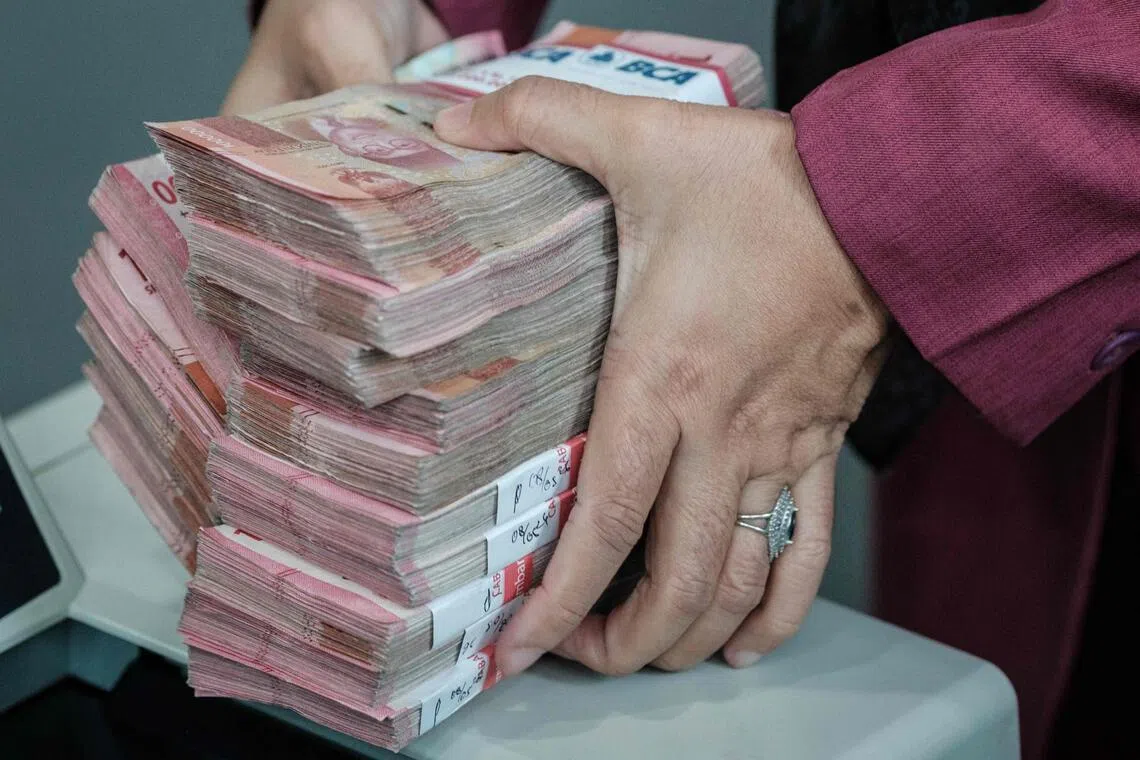
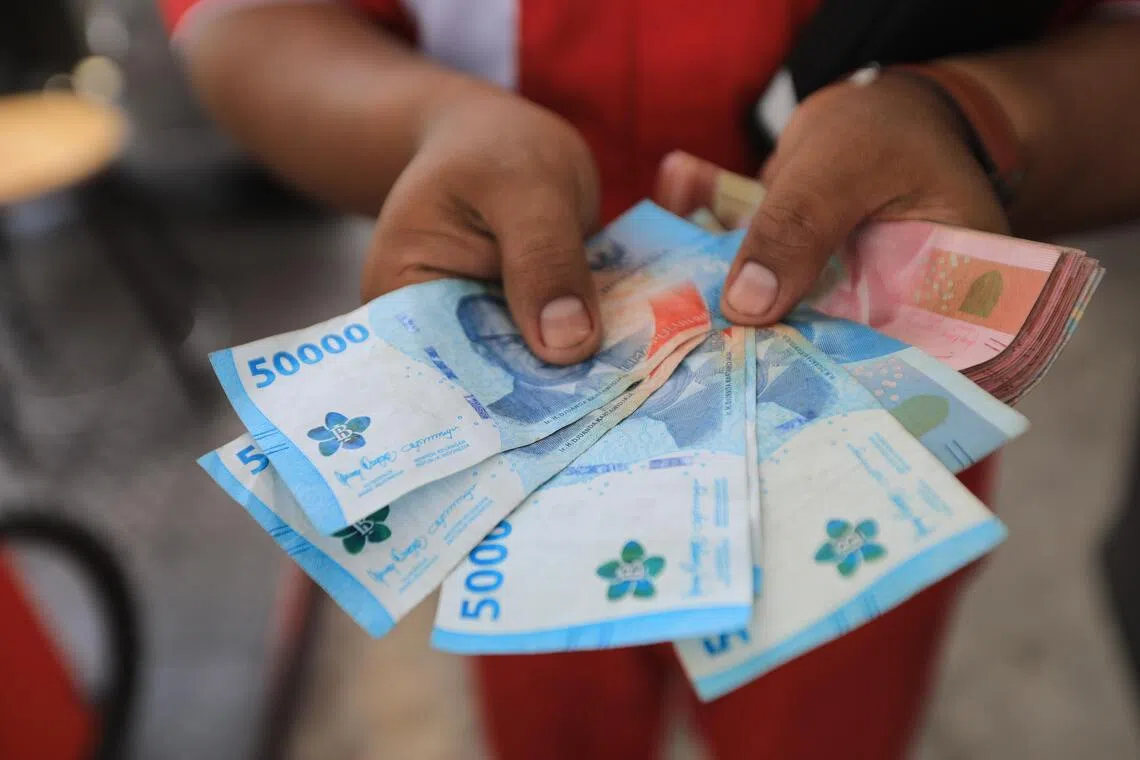
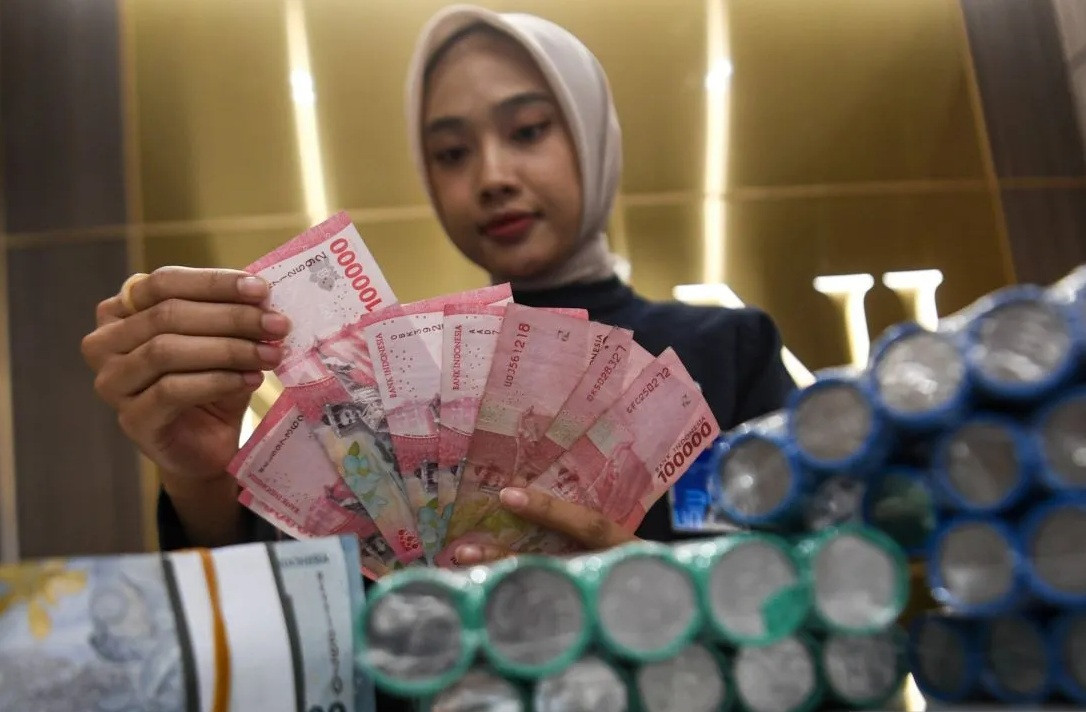
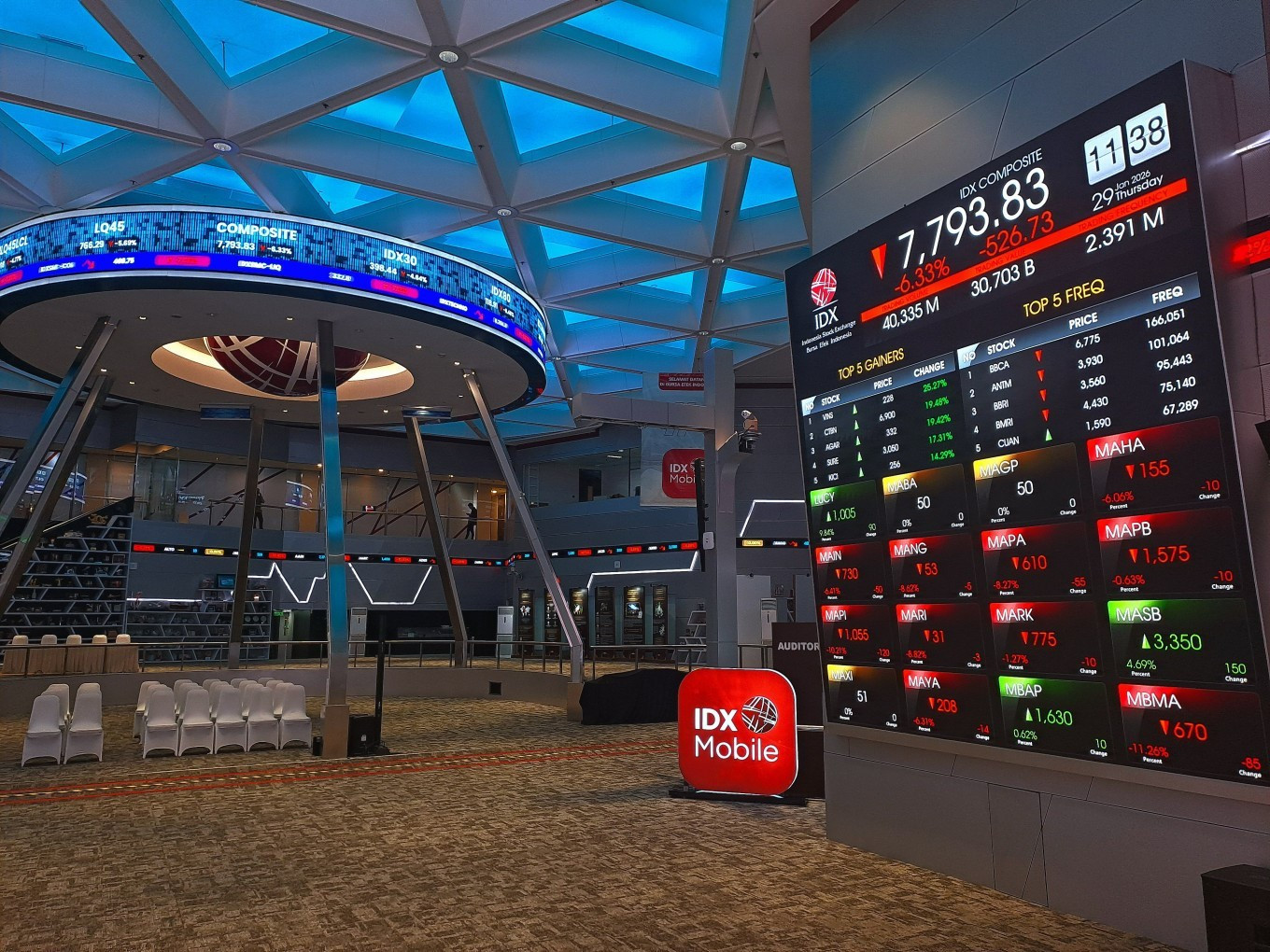
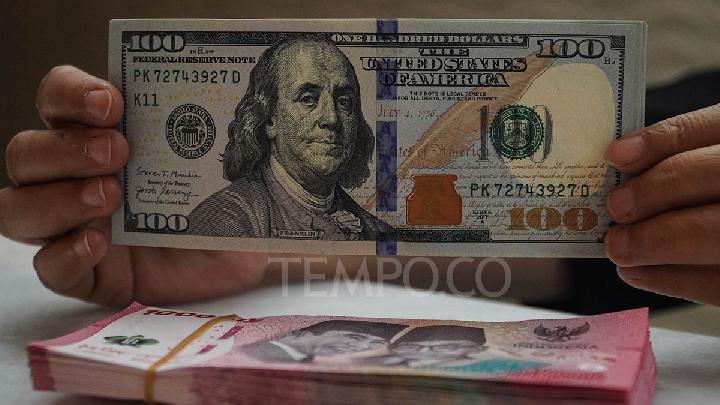
TEMPO.CO, Jakarta - Indonesia’s benchmark Jakarta Composite Index (JCI) plunged by as much as 5 percent during the first trading session on Wednesday, June 3, 2026, amid mounting concerns over the weakening rupiah and persistent external market pressures.By 11:53 AM Jakarta time, the JCI had fallen 5.01 percent to 5,885.1, triggering a sharp reversal after opening the day in positive territory at 6,207.1.David Kurniawan, an equity analyst at PT Indo Premier Sekuritas (IPOT), said the market’s near-term direction will largely depend on the stability of the rupiah exchange rate.“If the rupiah can show signs of stabilization over the next few weeks, market sentiment could improve and pave the way for the return of foreign capital to Indonesia’s stock and bond markets,” David said in a statement on Tuesday, June 2.According to David, investors are closely monitoring whether Bank Indonesia’s recent decision to raise its benchmark interest rate to 5.25 percent will be sufficient to curb rupiah volatility and stem capital outflows.Although the rate hike was intended to ease external pressures on the economy, he said market participants remain cautious and are waiting for clearer evidence of its effectiveness. Beyond domestic developments, investors are also paying close attention to the direction of U.S. monetary policy, which is expected to remain a key driver of global market sentiment this week.Meanwhile, the rupiah continued to weaken alongside the stock market. By 11:25 AM Jakarta time, the currency had fallen to Rp17,930 per U.S. dollar, extending its slide toward the psychologically important Rp18,000 level.Ibrahim Assuaibi, director of PT Trijaya Pratama Futures, said external pressures on the rupiah were largely driven by geopolitical tensions and uncertainty in global energy markets.He pointed to the ongoing deadlock in negotiations between the United States and Iran, which has fueled concerns over global oil supplies and pushed crude prices higher.“The rise in global oil prices has increased pressure on the rupiah,” Ibrahim said in a statement on Wednesday.On the domestic front, Ibrahim highlighted strong demand for U.S. dollars as another factor weighing on the Indonesian currency.“People are increasingly shifting their funds from conventional savings accounts into foreign currency-denominated deposits,” he said.Ibrahim assessed that the government needs to maintain economic stability and the purchasing power of the public. According to him, the government needs to ensure the availability of imported goods and provide stimulus to the public.Read: What Action Does BI Take as Rupiah Nears Rp18,000 per Dollar?