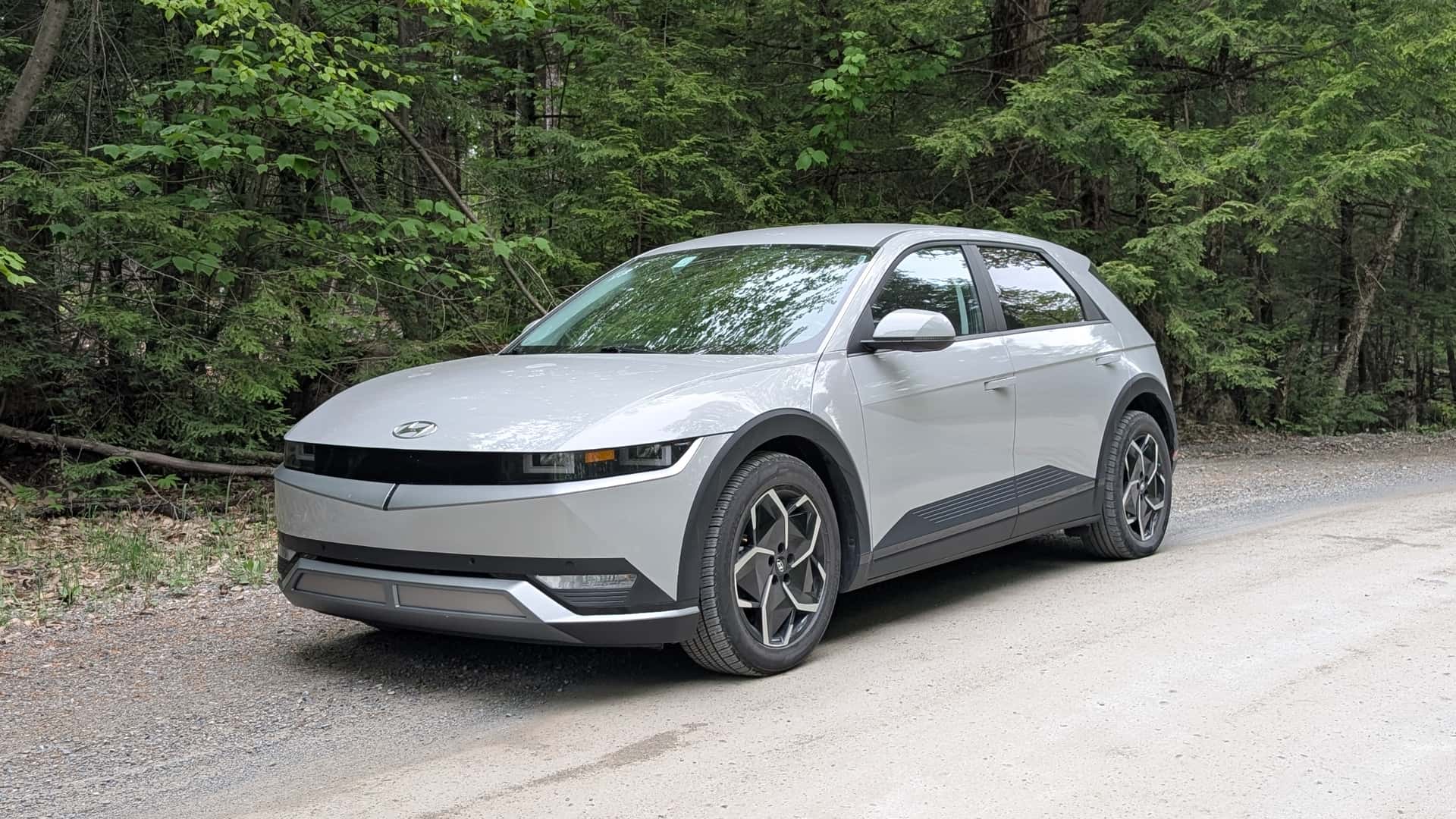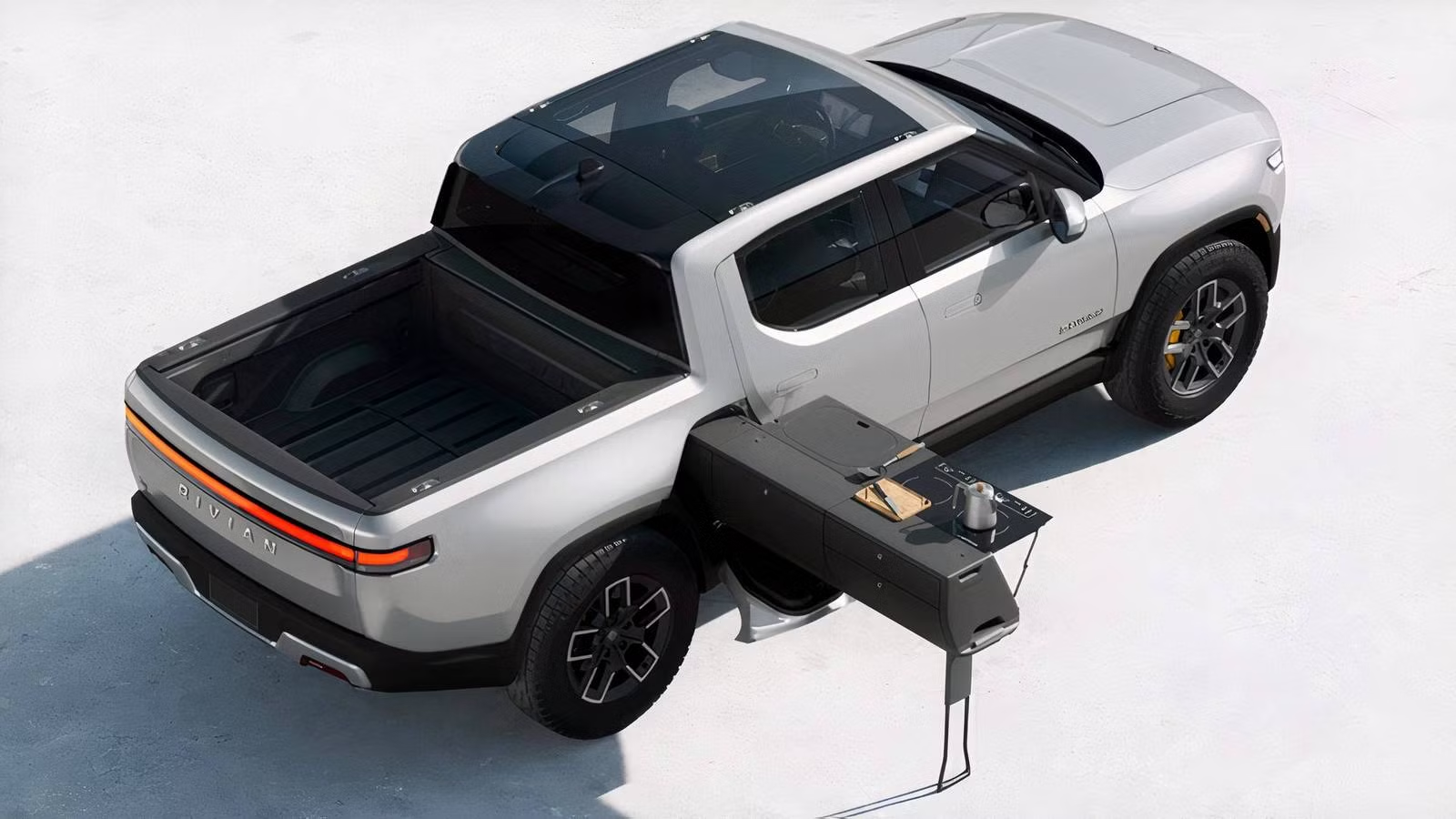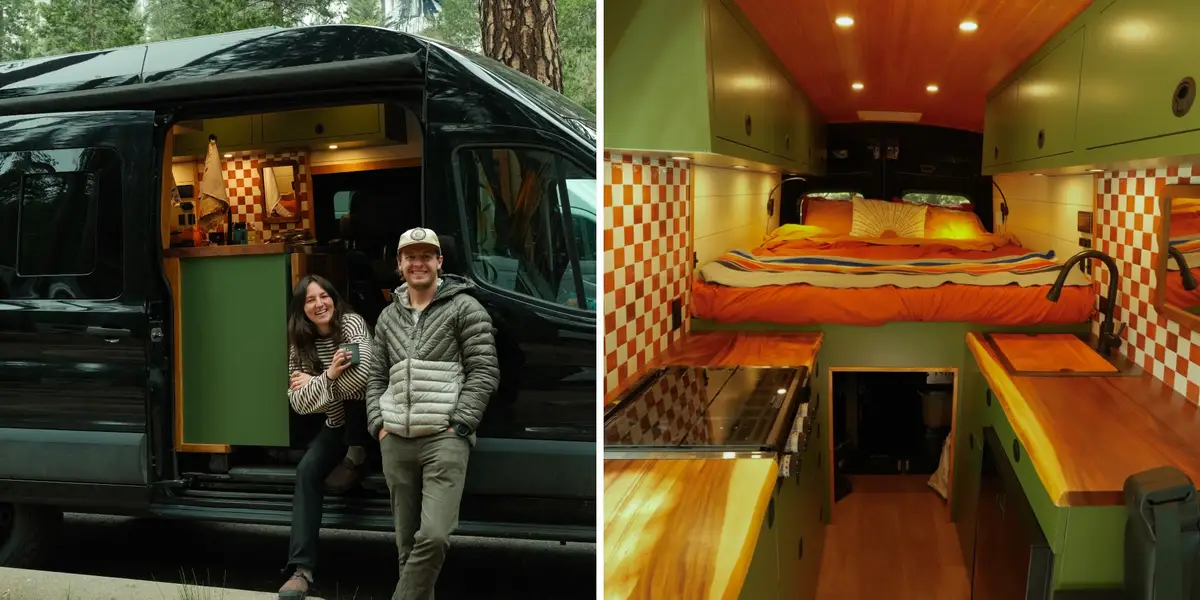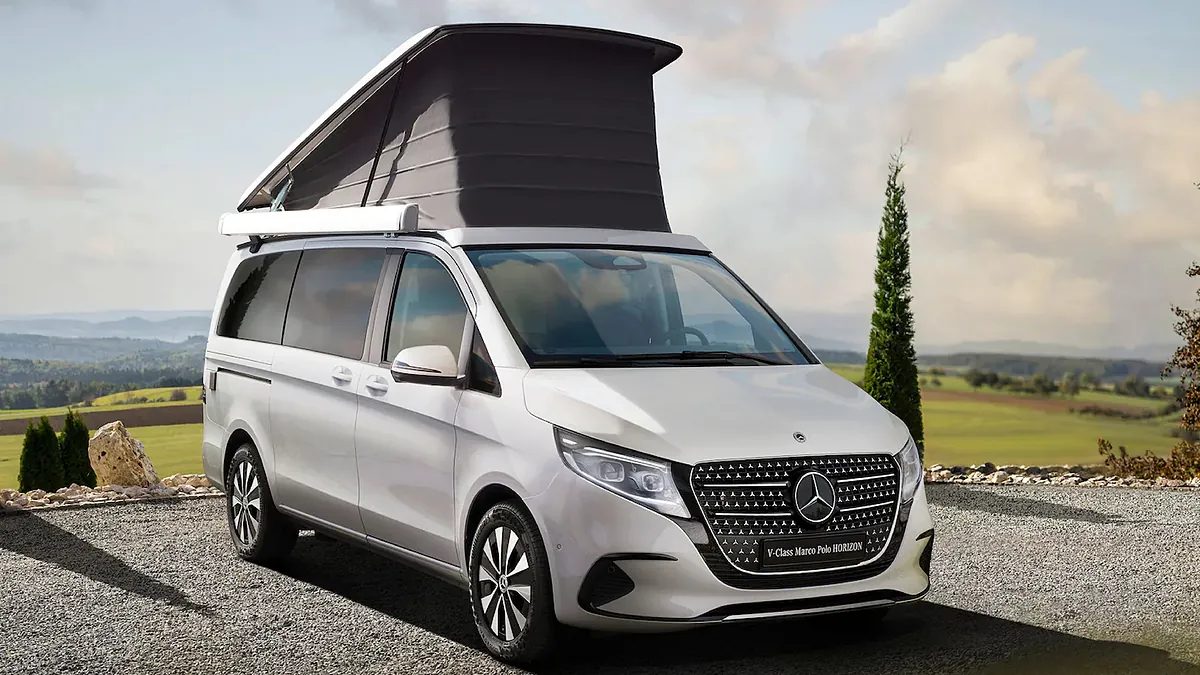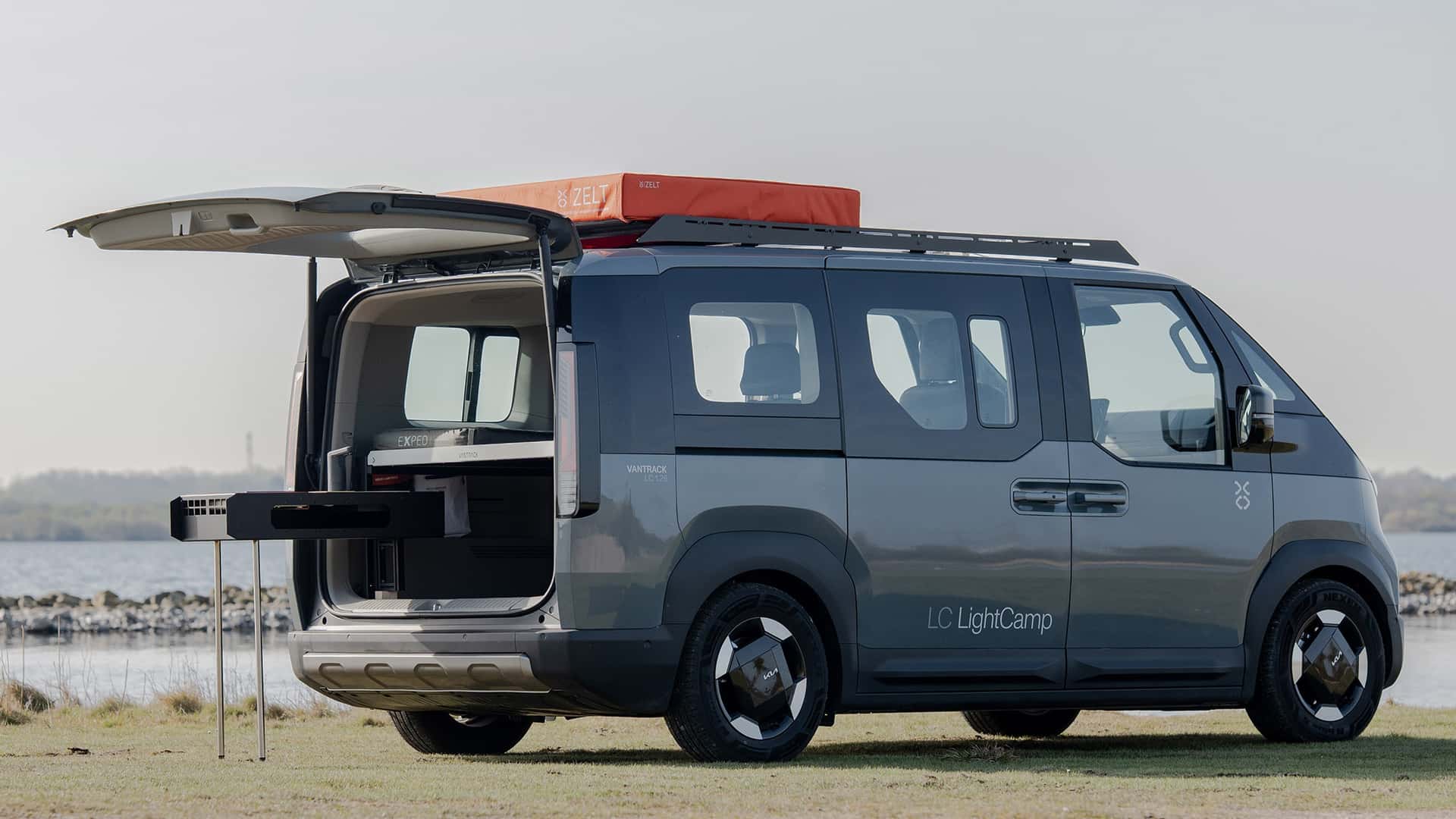
A good camping trip does not require a particular vehicle. It requires the right people, the right gear, and a way to get there without leaving half the kit behind. But the vehicle matters more than most campers admit, especially once the group grows, the destination moves off the paved road, or someone wants to haul a trailer rather than cram everything into the cargo hold. A truck bed that fits all the gear eliminates arguments at the trailhead. A minivan with a 3,500-pound tow rating opens up a weekend’s worth of equipment that simply doesn’t fit inside any SUV. And an EV with vehicle-to-load capability turns a campsite into a powered work area without the noise and fumes of a generator.
The best camping vehicles share a few measurable qualities: passenger space that doesn’t require leaving someone behind, cargo capacity that handles the gear for the conditions, tow ratings that match the trailer or equipment the trip demands, and features that make the drive more manageable. Fuel economy also factors in when the campsite is far from civilization, and the nearest gas station is two hours back. Ground clearance matters when the forest road turns rough. Onboard power systems matter when the campsite is off the grid.