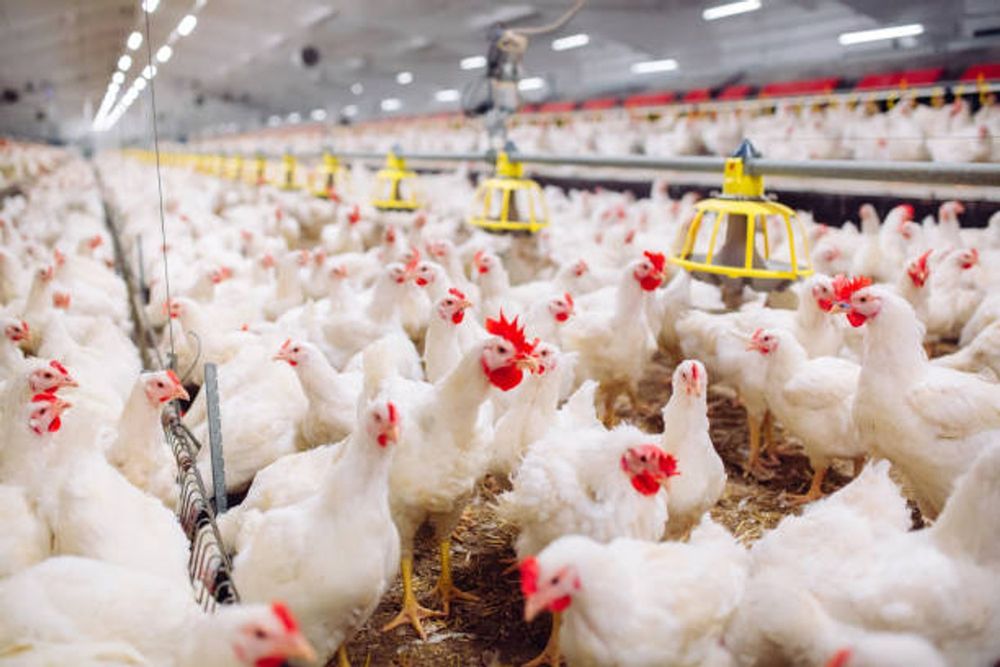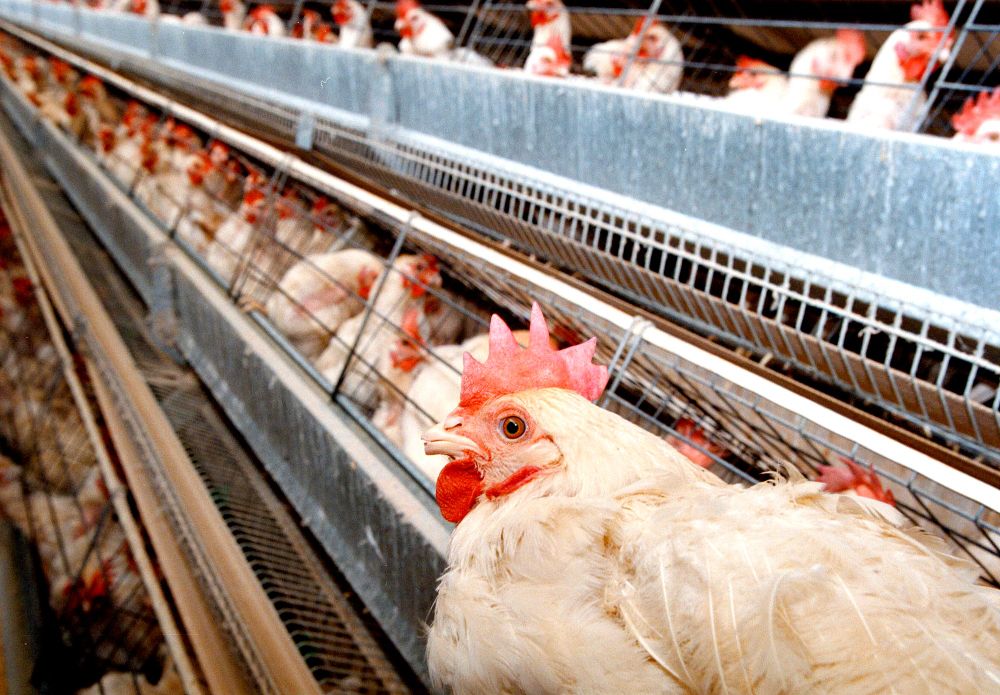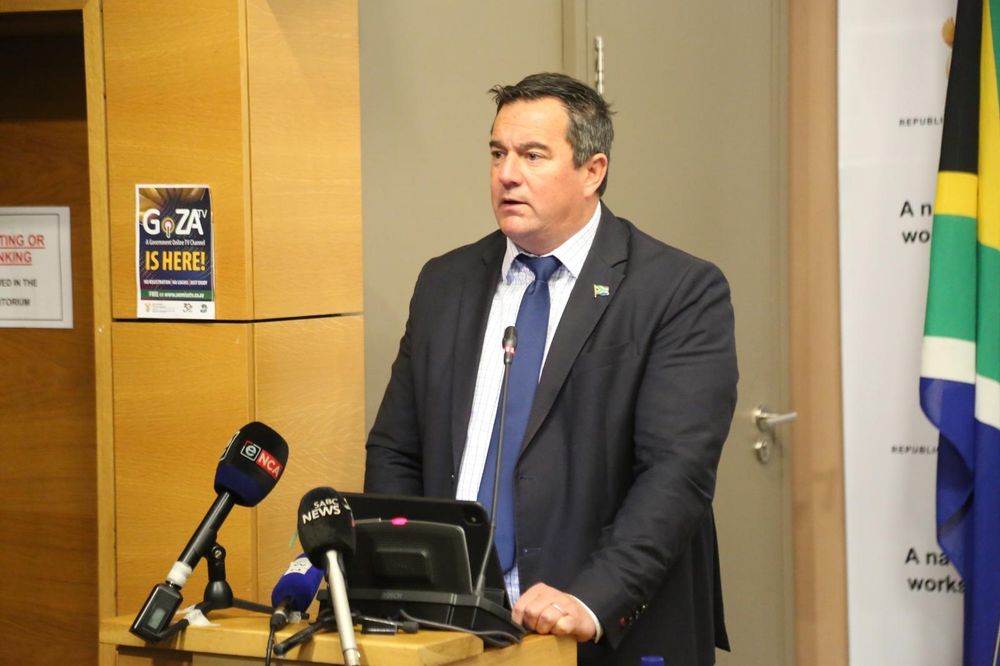
Agriculture minister John Steenhuisen has moved to amend animal disease regulations to allow the use of highly pathogenic avian influenza (HPAI) vaccinations in SA, in a policy shift aimed at reducing mass culling and giving poultry producers a legal tool to protect their flocks.The department of agriculture said on Wednesday that Steenhuisen amended the Animal Diseases Act to allow the introduction of HPAI vaccinations in the country.The decision follows a formal objection by the South African Poultry Association under section 23 of the Animal Diseases Act. According to the department, the association argued there had been a failure by the department’s directorate for animal health to provide a practical or affordable solution to bird flu outbreaks.Poultry producers told the department the existing system forced the mass culling of birds and left farmers without modern legal tools to protect their flocks.Steenhuisen reviewed the section 23 investigation committee’s report and accepted its recommendations to move the country’s HPAI response away from what the department described as the old “stamping-out” model. The model legally required the destruction of both healthy and infected birds in affected flocks. The new approach will move SA towards a state-regulated vaccination defence plan, alongside biosecurity and testing measures.“Our poultry farmers need direct support, and we are changing policy to give them a legal mechanism to protect their livelihoods,” Steenhuisen said.“The old regulations forced the industry to destroy flocks unnecessarily, which harmed agricultural businesses and raised food prices for consumers. By changing this policy, we are giving producers the legal right to use verified scientific tools to protect their farms, protect agricultural jobs and secure affordable food for the public.”Vaccination, biosecurity and testingThe department said the formalisation of an HPAI vaccination framework under the Animal Diseases Act would change how poultry operations manage outbreaks.Under the proposed framework, farmers will use vaccination, biosecurity and testing to reduce the need for widespread culling and limit financial losses.The department will amend the Animal Diseases Regulations or issue a formal section 9 control measure to create a legal framework for how poultry entities must respond once HPAI is identified on their farms.The department said the objective was to end inconsistent enforcement rules that had created confusion and weakened the ability to eradicate the disease quickly.The new rules are expected to apply to both large commercial producers and smallholder farmers, giving them room to respond to outbreaks in line with the new regulatory framework.The department will be responsible for national surveillance systems, laboratory testing and ensuring that poultry producers comply with regulations during outbreaks. It will also focus on maintaining international trade standards to protect market access.Steenhuisen has instructed the department to put interim control measures in place immediately while the policy shift is formalised through the required statutory instruments.The department said Steenhuisen had also given officials a deadline for the publication of the government gazette.SA’s poultry industry was hit hard by avian influenza outbreaks in 2023, which led to the culling of millions of chickens and contributed to pressure on egg and poultry supplies.The latest move follows earlier steps by the department to allow controlled vaccination against avian influenza. In 2025, the department issued its first permit to Astral Foods to vaccinate against HPAI at one of its broiler breeder farms.The policy shift comes as the poultry sector has continued to press for a more sustainable response to bird flu, arguing that vaccination, surveillance and biosecurity offer a better long-term approach than repeated mass culling.
Bird flu vaccine approved for SA poultry to cut ‘stamping out’ method
The policy shift aims to reduce mass culling and help poultry producers protect their flocks
572 words~3 min read