Back in September, at what would prove to be an infamous press conference, President Trump repeated a claim popular among vaccine critics: Autism “doesn’t exist with the Amish community, and they don’t take all of this junk,” he said, referring to vaccines.
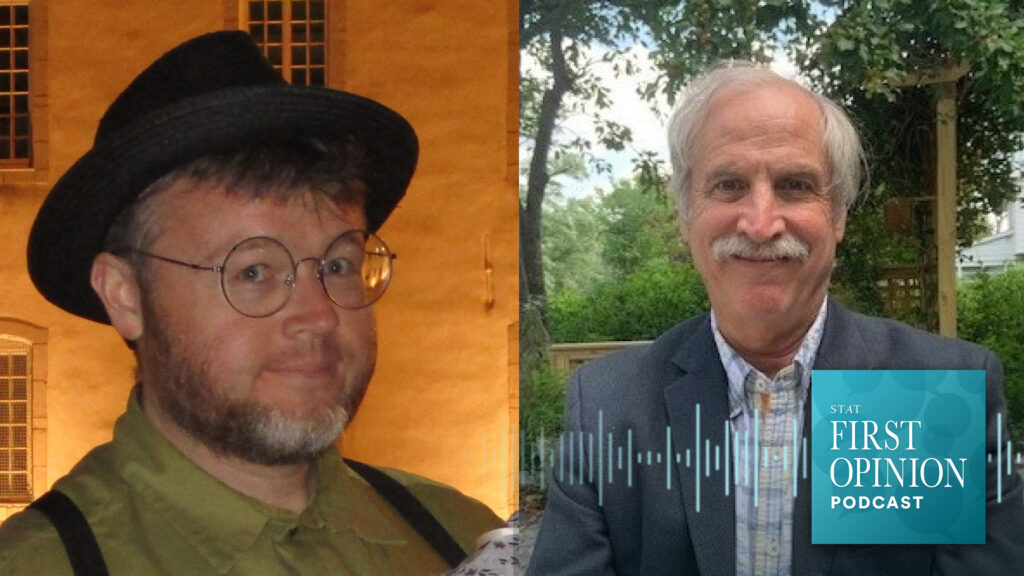
That’s not true, according to Braxton Mitchell, a professor of medicine at the University of Maryland School of Medicine, and Cory Anderson, who is a postdoctoral researcher in population health and demography at Pennsylvania State University’s Population Research Institute. Both have studied the Amish and public health — and, they say, vaccination and autism are not the only interesting and important topics here.
Far from being a dying way of life, as many people think, the Amish population is growing rapidly — doubling roughly every 20 years. “So public health is going to have to talk about the Amish more and more, especially if their health profiles are going to continue to differ from non-Amish populations,” said Anderson.
That means discussing communicable diseases — like many populations, the Amish, many of whom do vaccinate, have been increasingly hesitant since the Covid-19 pandemic — as well as genetic and other conditions. “We can learn an awful lot about some of the common conditions that the population suffers from [by] looking at groups with different lifestyles, because we know lifestyles are really important for heart disease risk, diabetes risk, hypertension, etc.,” said Mitchell.