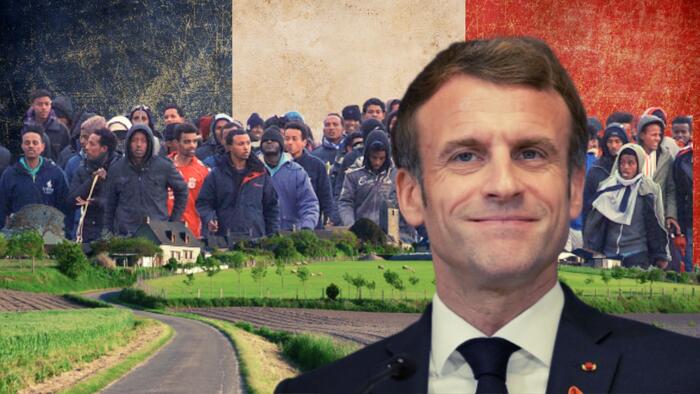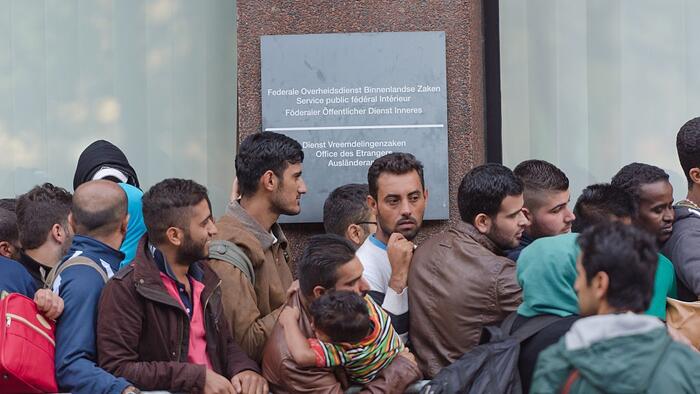
A people was there, stable, occupying the same territory for fifteen or twenty centuries. And suddenly, very quickly, in one or two generations, one or more other peoples substitute themselves for it. It is replaced, it is no longer itself.
Those are the words of Renaud Camus, France’s most controversial living intellectual. They describe a process he’s called “the Great Replacement.” He coined the term in 2010. Since then, the term has been bitterly disputed. Now, though, it’s becoming harder and harder to deny.
There are facts that most French people would agree on: that demographic change is happening in France, that it is substantial – greater than any other migration that has taken place since France’s beginning, more than a thousand years ago – and that it is having profound, irreversible effects on French life. But French law and custom prevents a full understanding of these changes. France doesn’t collect ethnic or racial data in her censuses or official statistics. This policy has its basis in Article 1 of the French Constitution, which describes the nation as an “indivisible” republic that guarantees equality for all citizens “without distinction of origin, race or religion.”