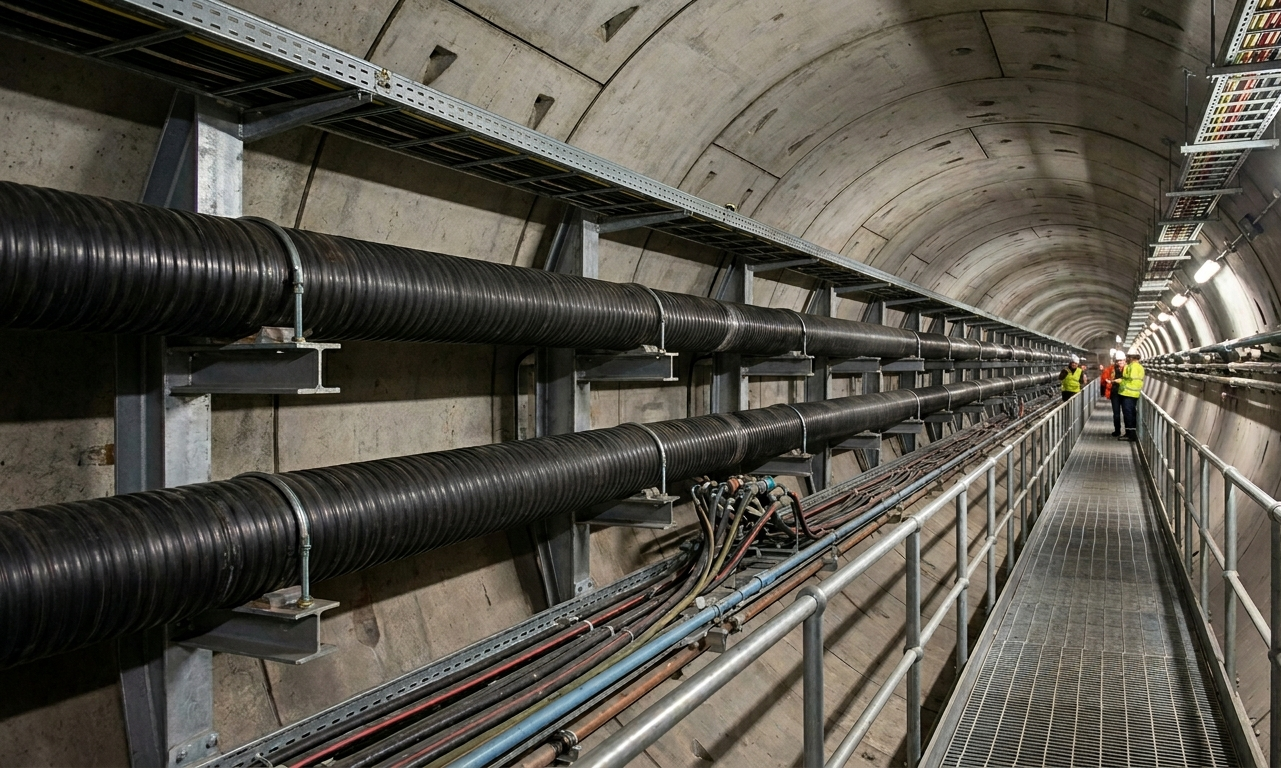
Since 2019, the intraday structure of the GB power market has changed materially. Midday gas generation has fallen sharply, while three north-west European interconnectors now import into Britain during solar hours before reversing direction overnight. The result is a persistent £22 ($29.5)/MWh spread between midday and evening power prices that current interconnector flow patterns do not fully arbitrage.
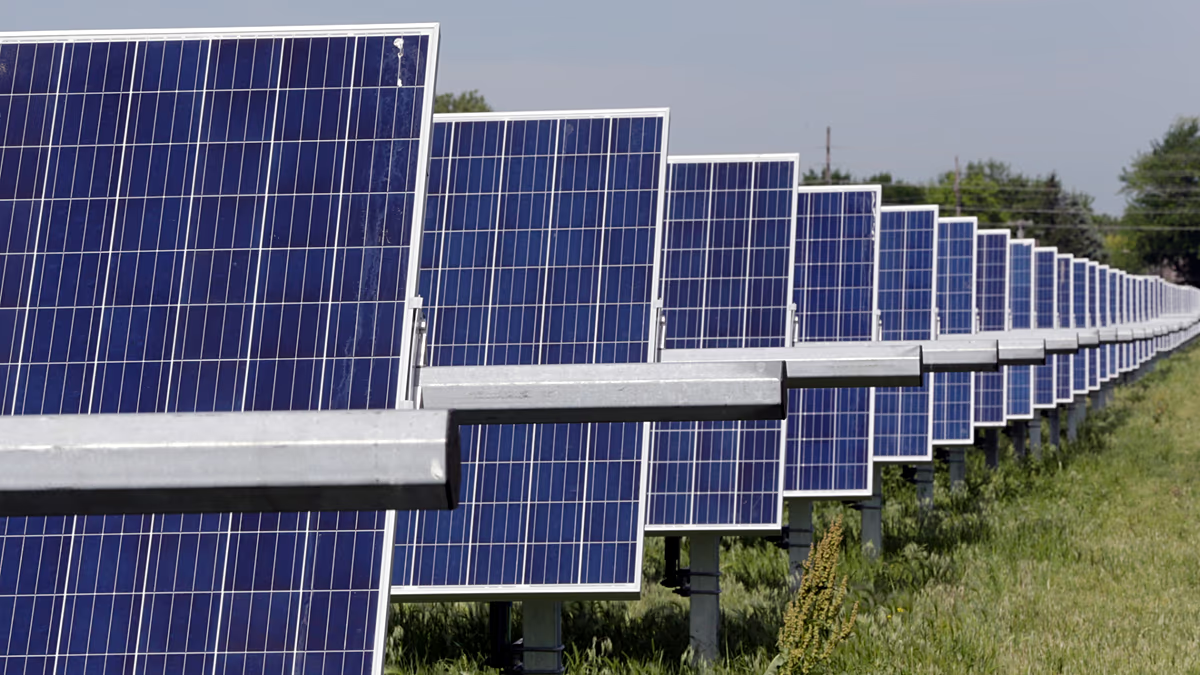
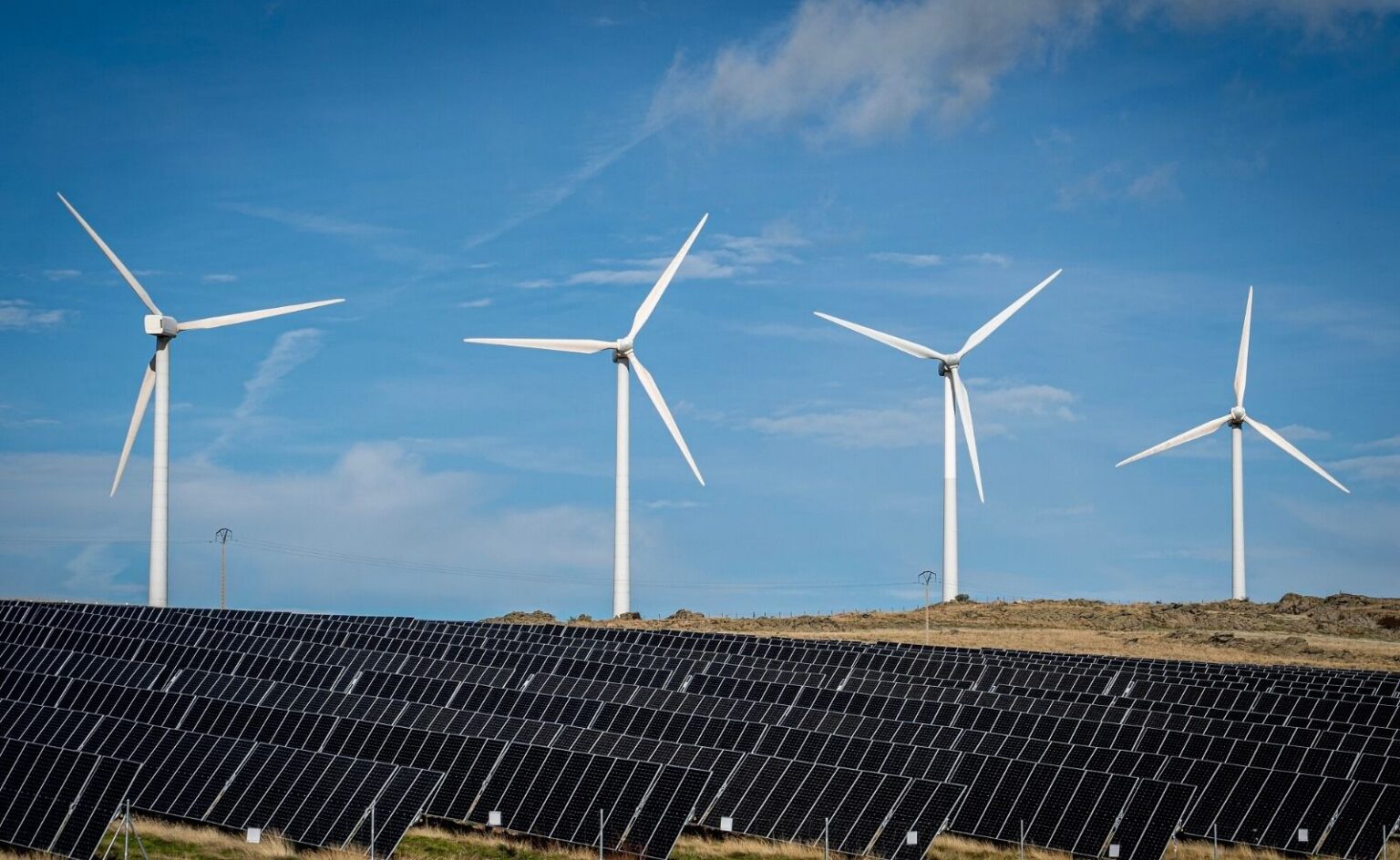
For most of the past two decades, gas-fired generation acted as the balancing fuel of Britain’s power system. Combined-cycle gas turbines ramped through the day and eased back overnight when demand was lowest. Between 2019 and 2025, UK gas generation fell by a third and coal generation disappeared entirely. Wind and solar now generate more electricity than gas. Midday has become the cheapest period of the trading day and the most likely to clear at negative prices, while evening prices continue to reflect thermal generation costs roughly £22/MWh higher. Britain has become a daytime sink for surplus continental solar, importing power through north-west European interconnectors during daylight hours and exporting wind-driven surplus back overnight. Britain’s wind fleet supplies the discharge half of that cycle. The combination is reshaping wholesale price formation in Britain and recalibrating the economics of assets that must clear in the market.