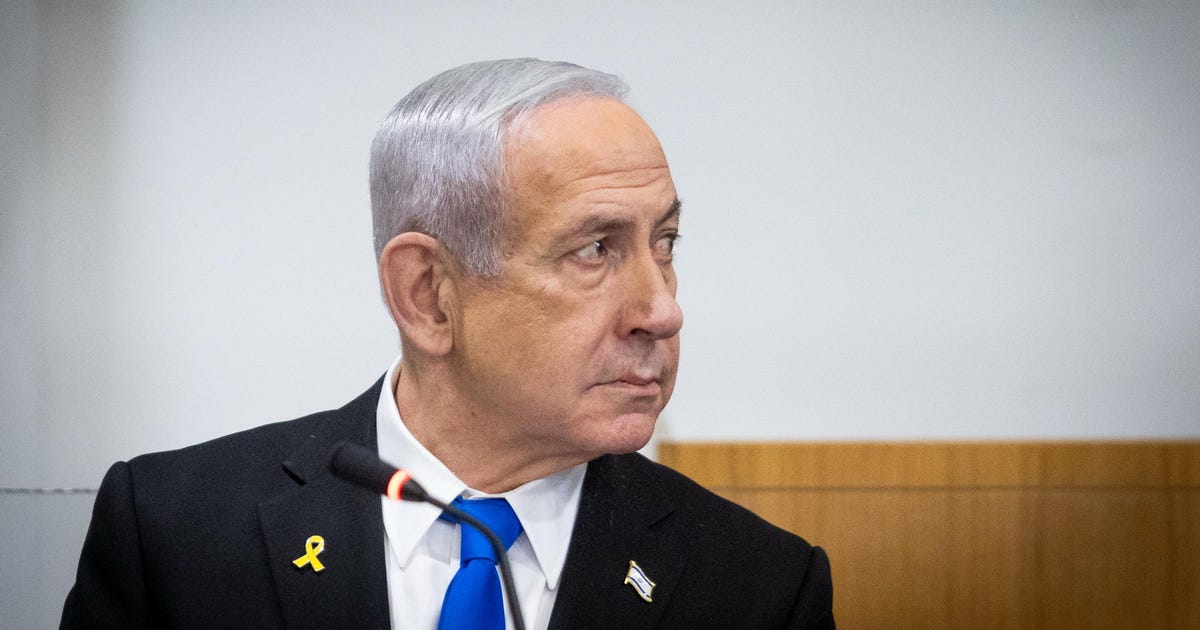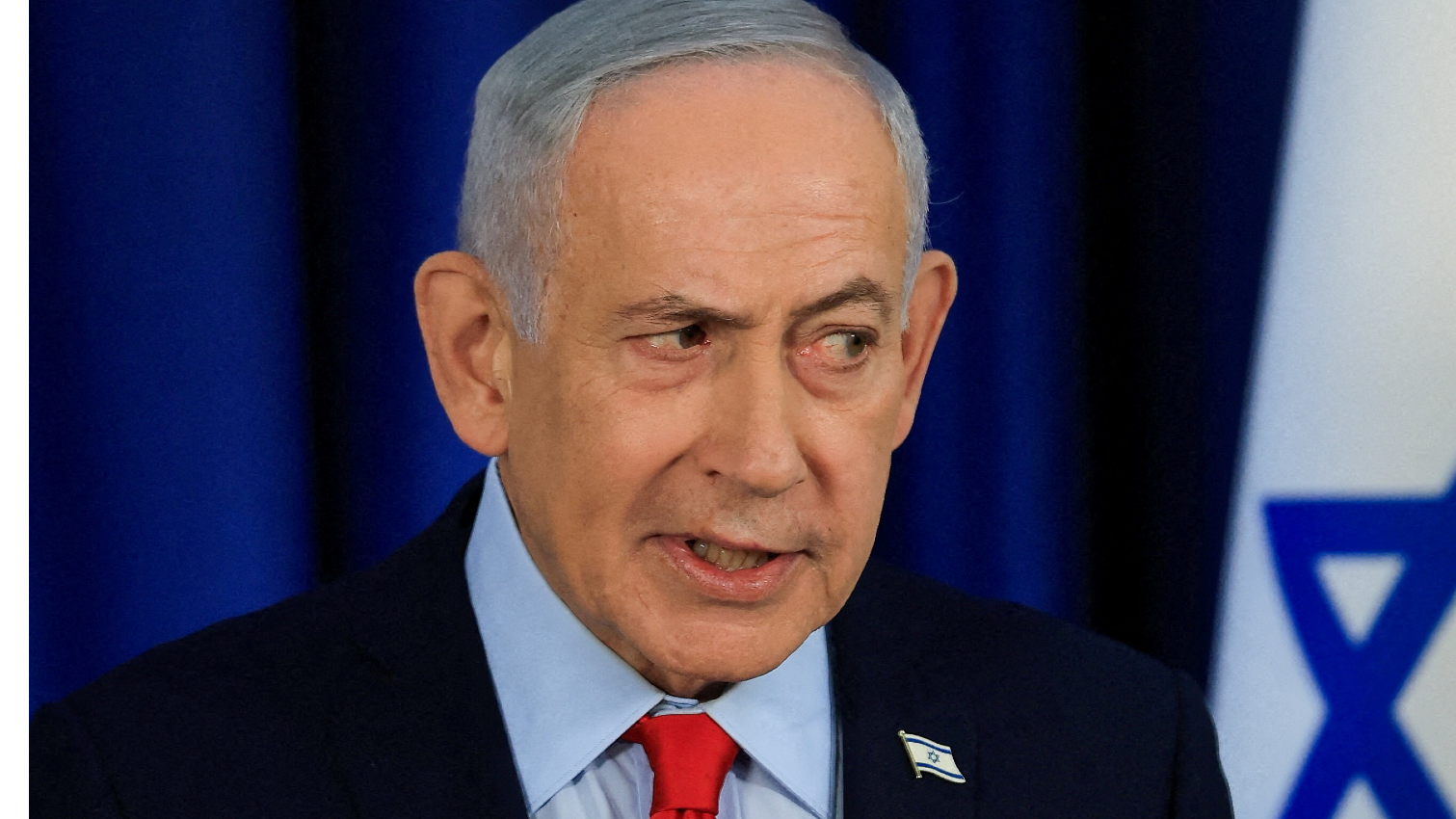
More than two decades ago, Benjamin Netanyahu, then Israel’s finance minister, told the Herzliya security conference that the primary demographic threat facing the country did not arise from the Palestinians living in the occupied West Bank and Gaza, but rather from “the Israeli Arabs” in 1948 territories.
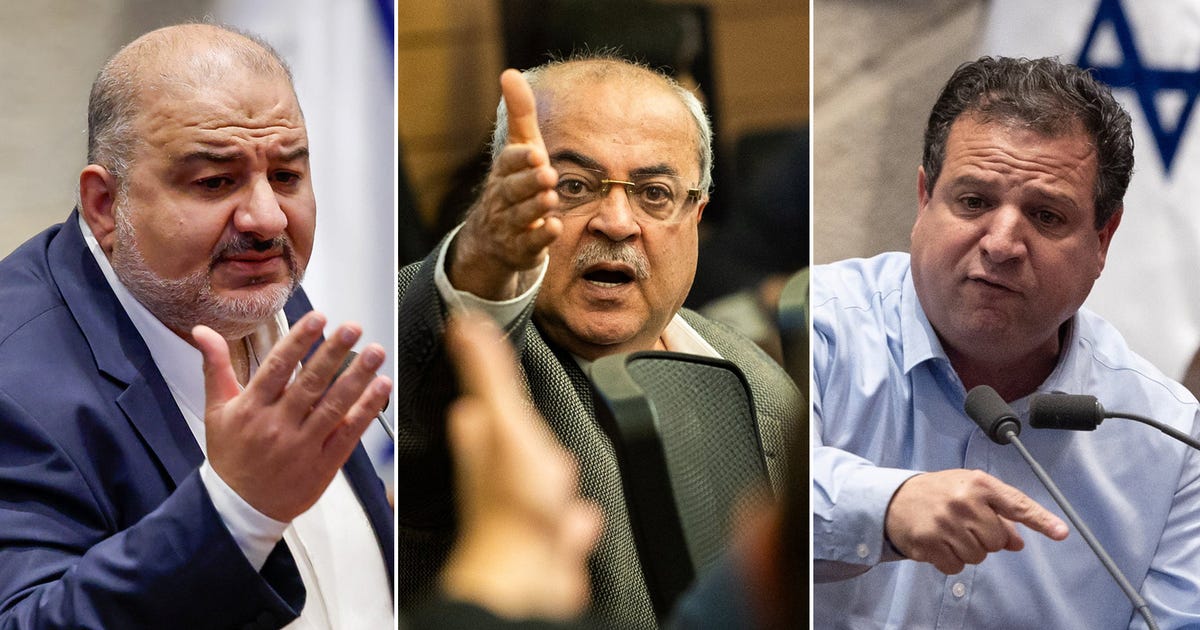
Today, after the dissolution of the Knesset and with fresh elections looming, this alleged threat continues to shape Netanyahu’s actions as prime minister. With negotiations underway among Arab parties to run on a joint ticket, he is reportedly moving to ban one of its prospective members - the United Arab List party and its chair, Mansour Abbas - from contesting the elections.
The United Arab List, also known as Ra’am, is among the four main Arab parties that earlier this year pledged to revive the Joint List, an electoral alliance initially formed in 2015 to run on a shared platform representing Palestinian citizens of Israel.
The push to bar Abbas comes as Israeli officials have reportedly been discussing a plan to designate the Islamic Movement’s southern branch, his party’s parent organisation, as a terrorist group.
These developments are bizarre, given that the United Arab List was the first Arab party to enter an Israeli government, during the brief Naftali Bennett-Yair Lapid coalition in 2021-22. Arab parties in Israel had traditionally viewed the prospect of entering government with great scepticism; as a way of legitimising, or even participating in, the mechanisms of the occupation.