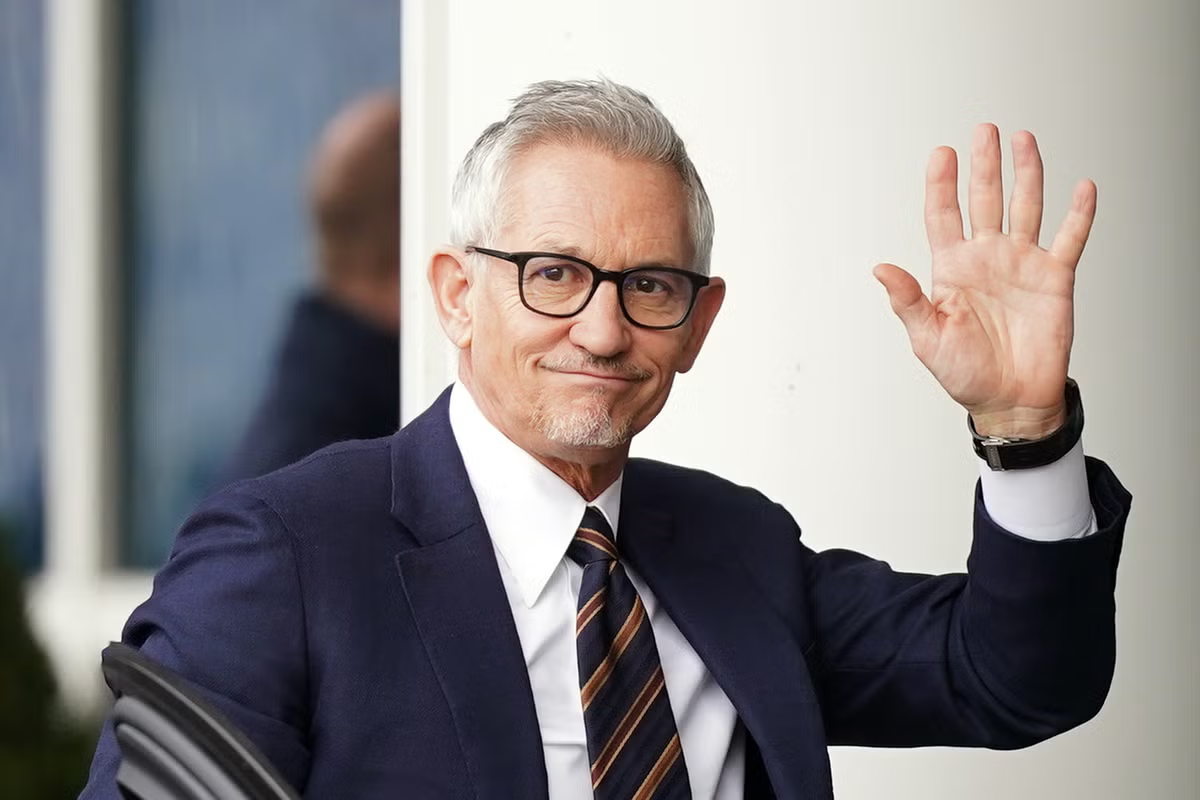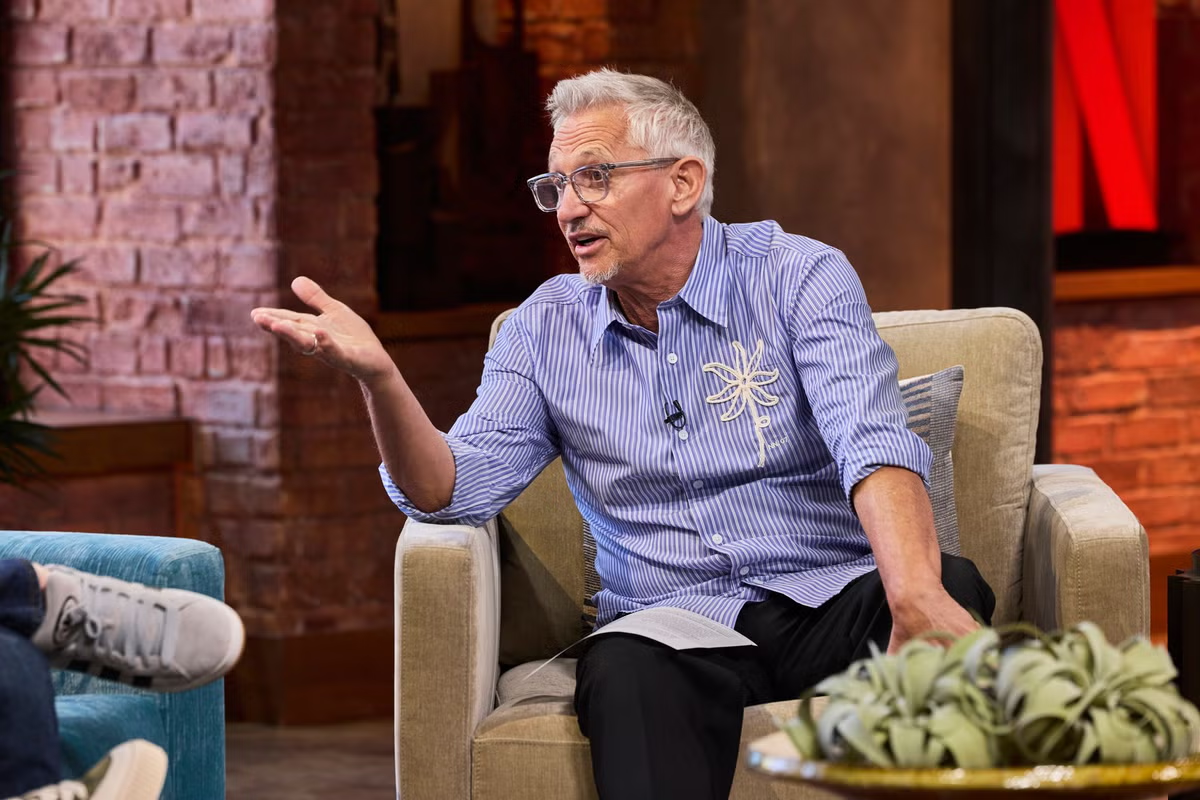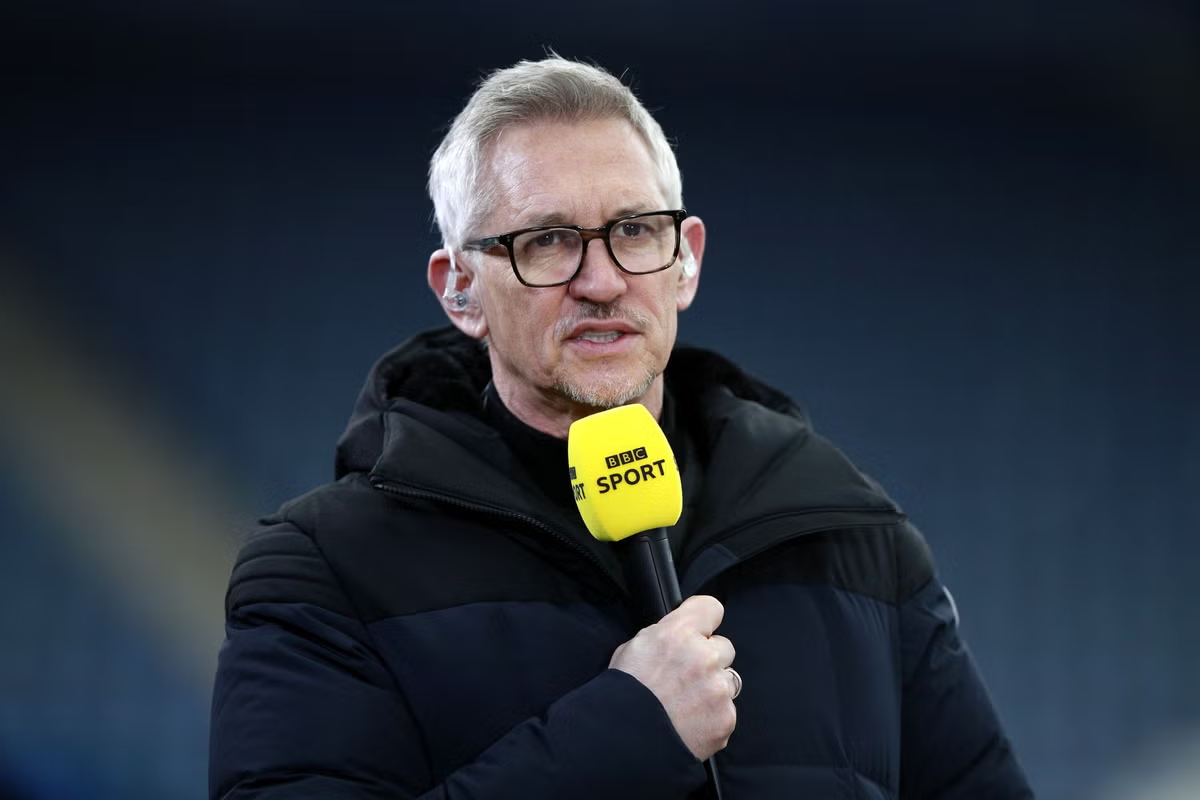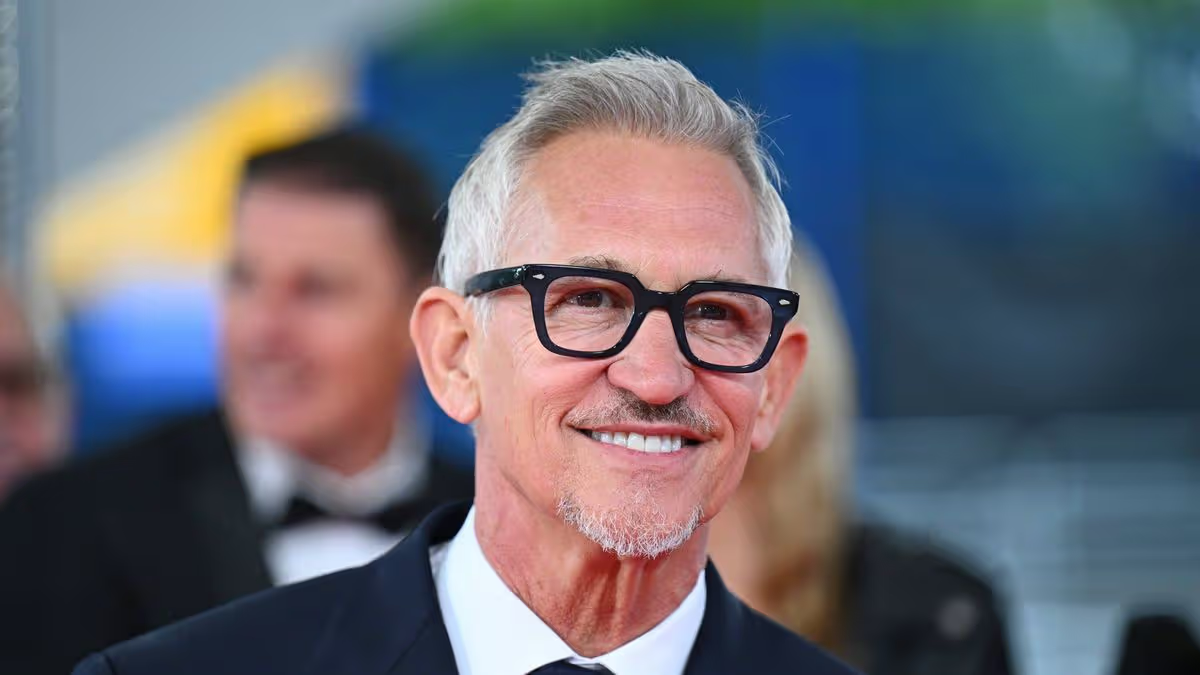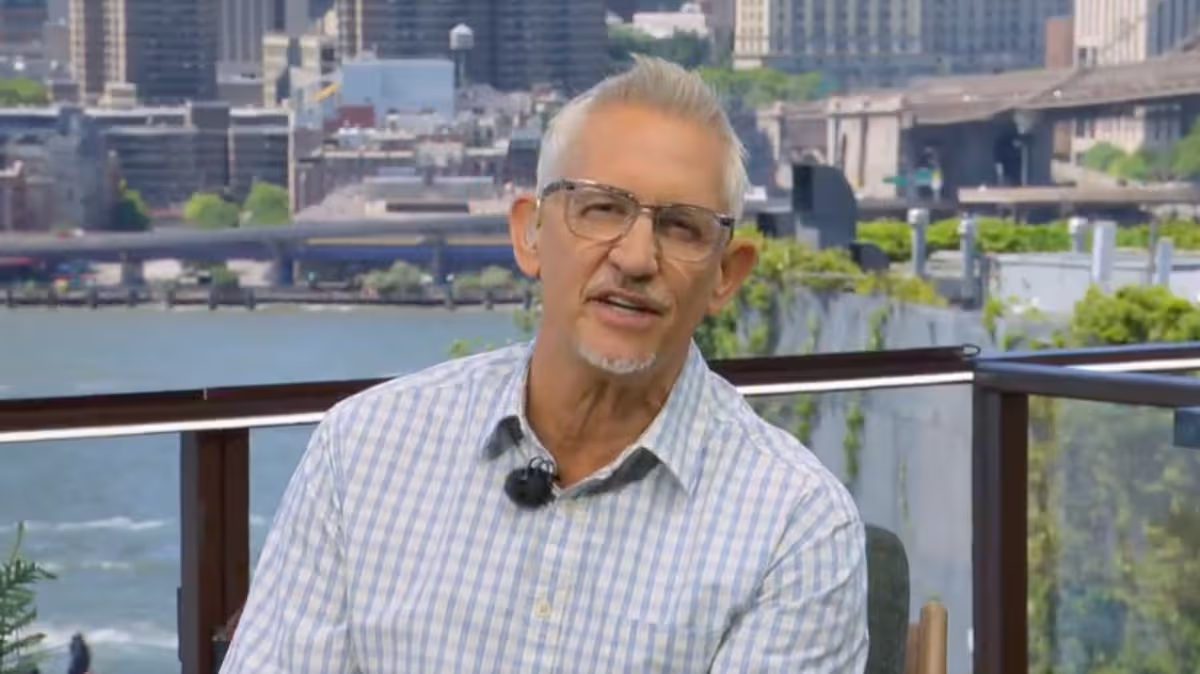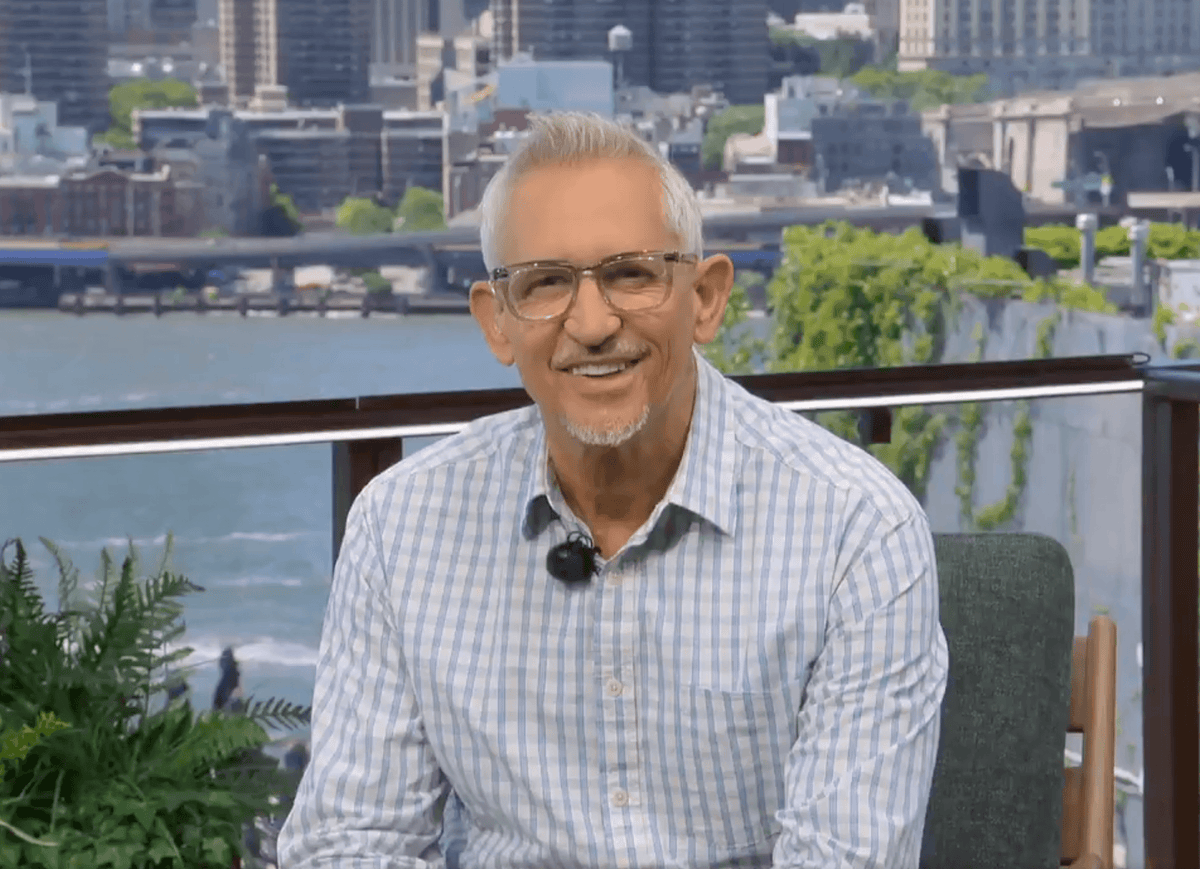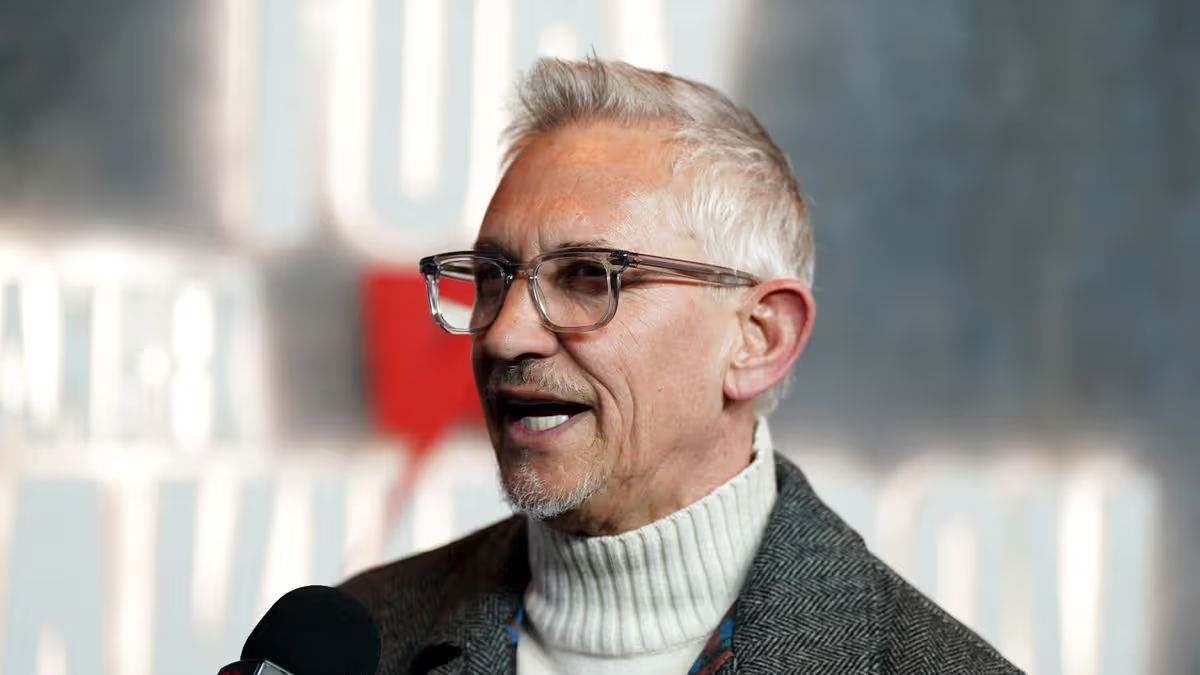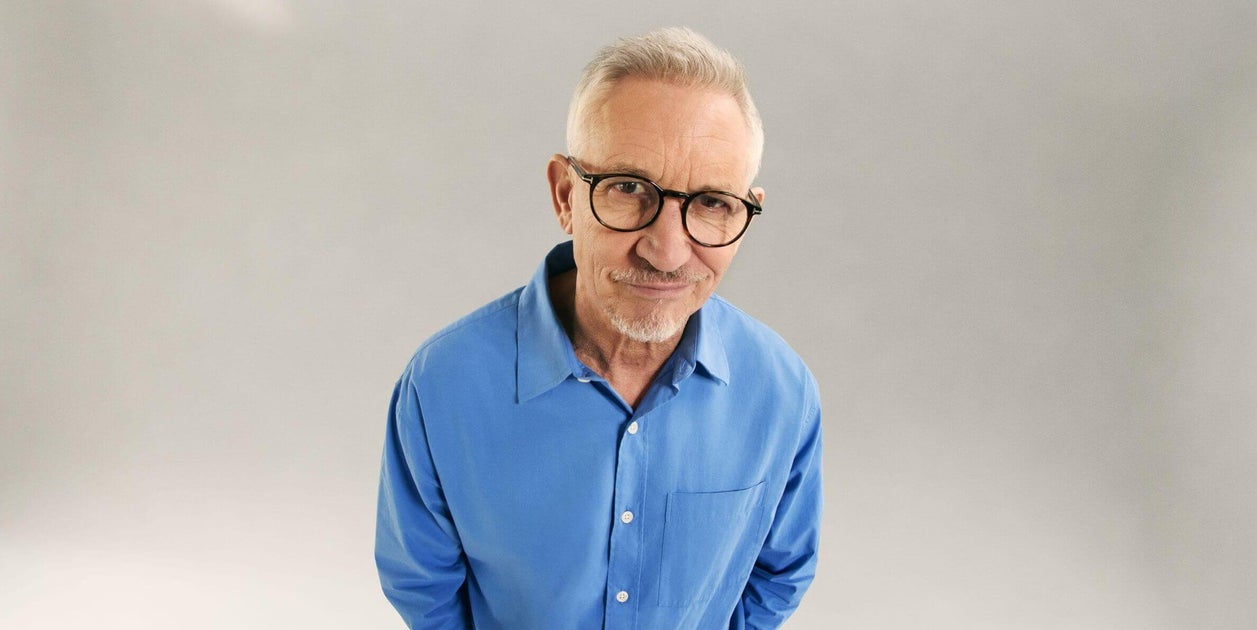
There is a giant chessboard on the ceiling above the coffee bar, black vines and forked lightning painted on the walls, and the meeting rooms are called things like Eleven, Hawkins, The Upside Down.This is the seventh floor of Netflix’s UK headquarters in London, where every floor has a design theme based on one of its hit shows, and it is an apt place for an interview with Gary Lineker, to whom stranger things have been happening for as long as anyone can remember.There is a parallel universe where the 65-year-old Englishman is fronting the BBC’s World Cup coverage this summer, as he has for the last six editions of the men’s tournament.But in our universe, just over a year ago, Lineker shared an Instagram post about Zionism that featured an emoji of a rat, an antisemitic trope. He said he would not have done so if he had spotted the emoji and he immediately deleted it when it was pointed out and apologised for the mistake. He did not, however, say sorry for “speaking out about humanitarian issues, including the tragedy unfolding in Gaza”.But it was one speaking-out-related furore too far for him and the BBC, and his planned farewell tour, which was meant to culminate in the U.S. this July, was abruptly cancelled.Things are rarely upside-down for long in Lineker’s life, though.Six months after leaving the BBC, he announced that Goalhanger, the independent media company he had started with former ITV Sport executive Tony Pastor to make football documentaries in 2014, had signed a £14million ($18.9m) deal with Netflix to stream daily versions of its hugely popular The Rest is Football podcast during the World Cup from a studio overlooking New York’s Times Square.A month after that, Los Angeles-based investment firm The Chernin Group (TCG) announced it had bought just under a quarter of Goalhanger, which now has 250,000 paying subscribers, as well as the millions of listeners who put up with a few adverts every 20 minutes or so.Neither party revealed how much TCG paid for its stake, but industry gossip suggests the deal valued what had once been a side hustle at well over £100million ($135m).“It’s great and it will help us grow, hopefully in America, as well,” says Lineker, who is nursing a sore tooth but otherwise looks as relaxed as the last time you saw him on a screen.“We’re growing so quickly anyway — it’s an amazing business. We’re just blagging it, we don’t know what we’re doing but somehow it’s working.”Working? I point out that as of the morning of our chat, Goalhanger podcasts — on subjects covering everything from football to politics, history to entertainment — were first, second, fourth and fifth in the Apple charts, with six more placed in the top 40. They had a similar hold over Spotify’s rankings.“Yeah, it’s pretty good, isn’t it?” he accepts. “But it’s normal now, particularly on the first two days of the week. Look, Tony and Jack (Davenport, an ex-BBC radio producer who joined Goalhanger when it pivoted to podcasts in 2022) run the company brilliantly. I just do a lot of podcasts and pop into the office every now and then.“It’s a bit like my whole life, really. Everyone else does all the work and I get the plaudits. It’s crazy.”It is a joke he has been making ever since John Barnes and Peter Beardsley set him up to score six goals for England at the 1986 World Cup in Mexico, enough to win that tournament’s Golden Boot. But it is one that explains a pattern running through Lineker’s life: he refuses to let himself be defined by other people’s low expectations of what he can and cannot do.Born into a family of greengrocers, he left school at 16 with a patchy report card that said he “concentrates too much on football” but “would never make a living from that,” which was not a terrible prediction at the time, as he was equally good at cricket.Despite that, he turned professional with his hometown club Leicester City, before moving on to Everton, Barcelona, Tottenham Hotspur and, finally, Japan’s Nagoya Grampus Eight. He never won a top-flight league title during his 16-year career — or received a yellow or red card — but claimed cups in England and Spain, received numerous individual awards and scored lots and lots of goals, including 48 for England.Lineker wins a penalty for England in the 1990 World Cup (Patrick Hertzog/AFP via Getty Images)A natural communicator, Lineker’s move into punditry was not a surprise but his appointment as the BBC’s lead football presenter in 1999 was, as this had previously been a job for long-standing broadcasters. Over the next quarter of a century, he branched out into golf, the Olympics and anything else the corporation could throw his way. He also became its highest-paid employee, earning £1.35m ($1.82m) a year in his final year.In the meantime, he fronted a consortium that saved Leicester from bankruptcy in 2002, became the face of the country’s leading crisp brand (chips, for American readers) and presented one episode of the BBC’s flagship Match of the Day programme in his underwear to honour a tweeted promise that said Leicester would not win the Premier League.That tweet, however, caused only mild repercussions compared to several he posted over the years that expressed disappointment and, at times, anger with government policy on immigration, the Middle East and other social issues. This put him in the unusual position of being both an embarrassment and a hugely valuable asset to the BBC, as well as the focus of frequent criticism from the UK’s right-leaning media, most of whom have a commercial interest in diminishing the BBC.
Gary Lineker interview: Why BBC ‘marriage’ ended, his World Cup fears – and one big regret
The footballer-turned-media-mogul is freed from the shackles of British television and is ready to speak to his mind
2,817 words~13 min read