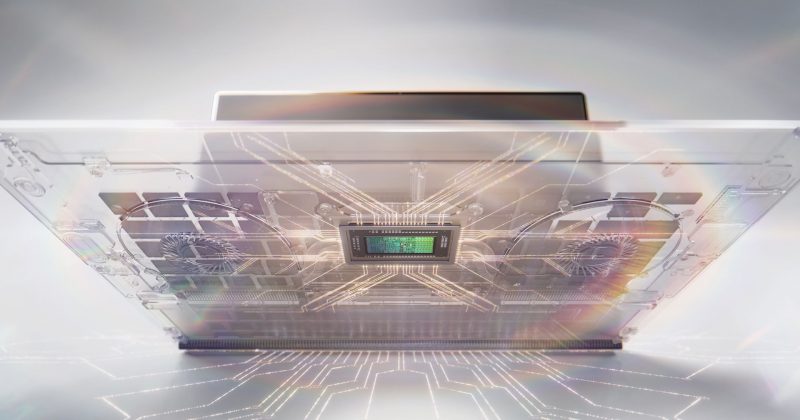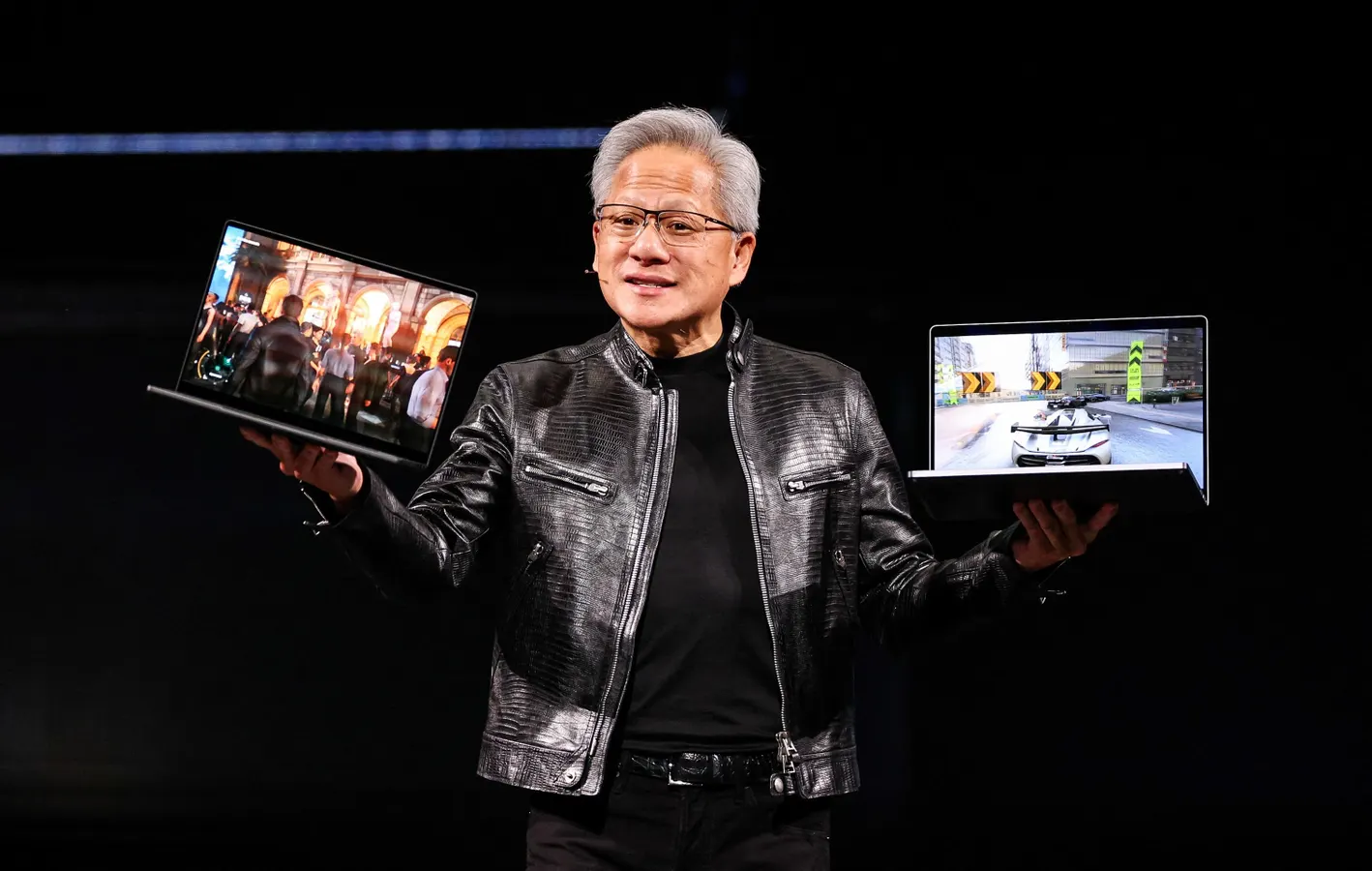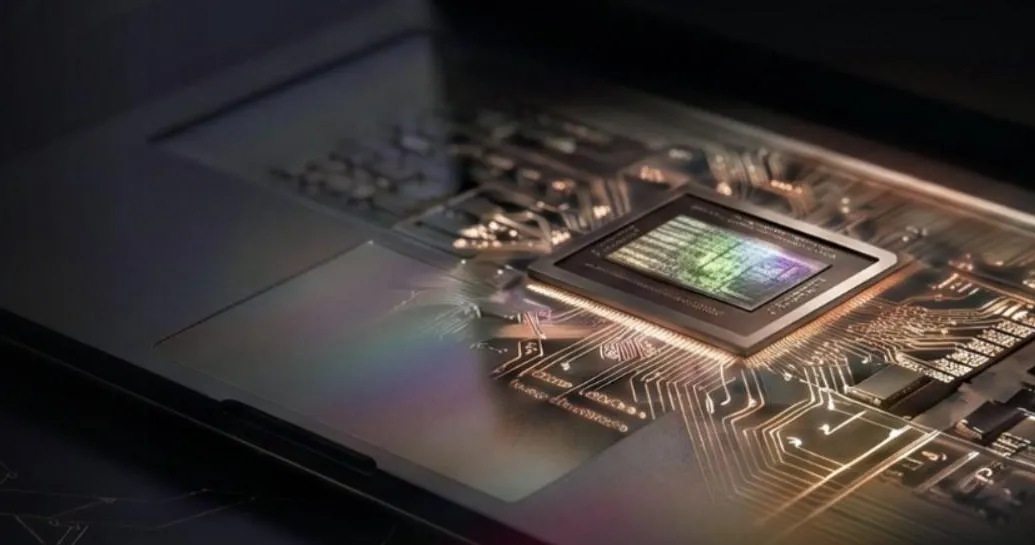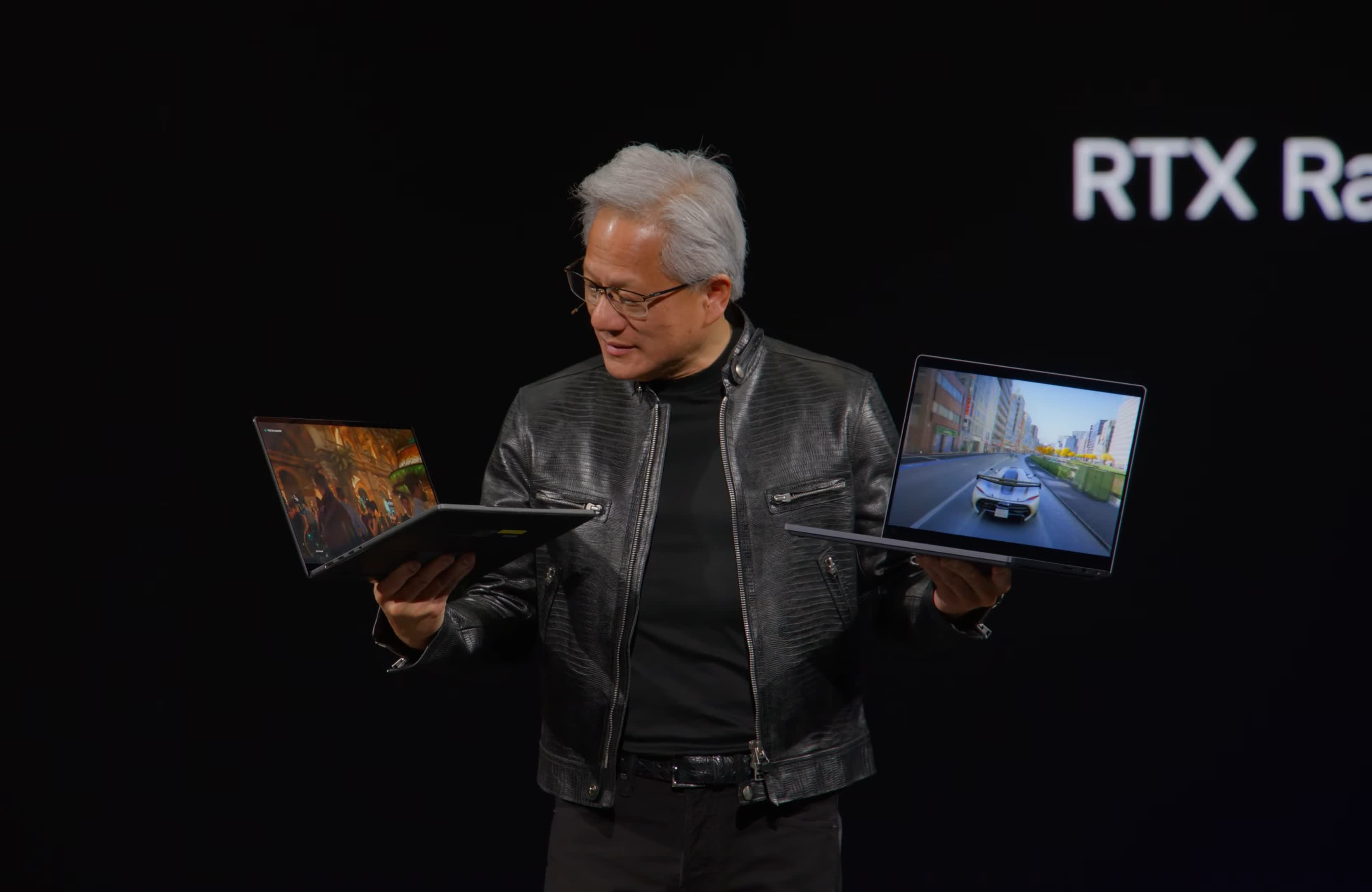
When Nvidia first revealed its new RTX Spark chip, built for graphically capable PCs, CEO Jensen Huang was his usual self, making sweeping statements that verge on ludicrous. The black-jacketed face of Nvidia proclaimed the following: “This computer literally runs everything the world has ever created, plus it runs [AI] agents.”
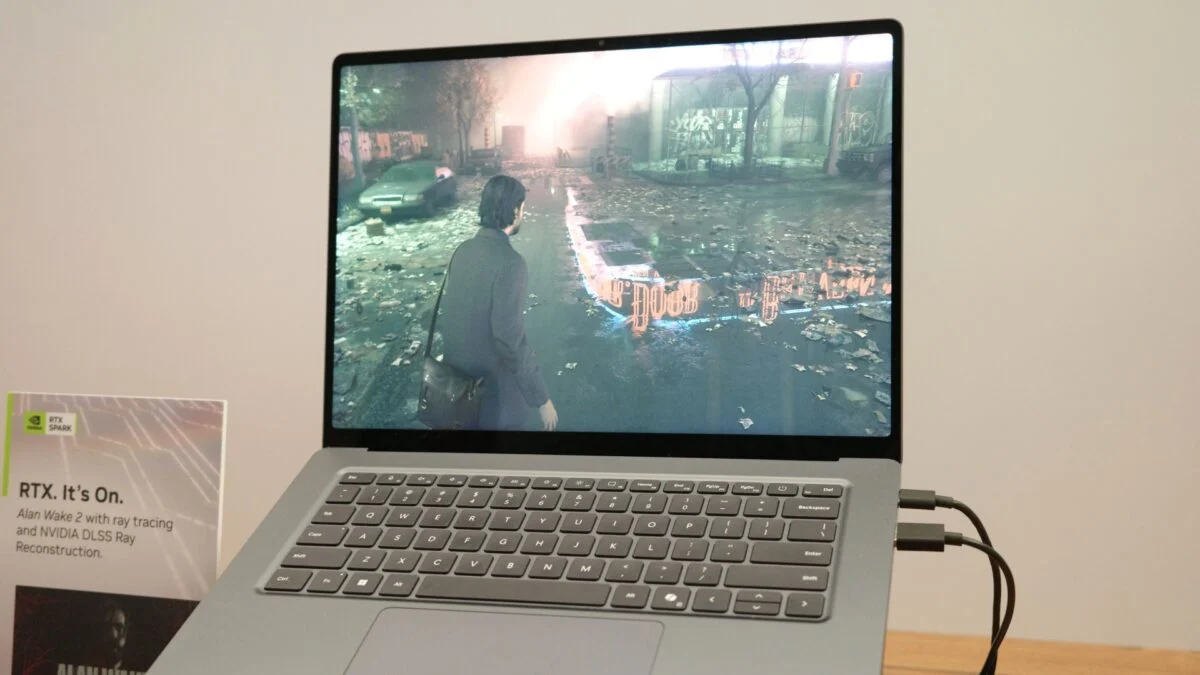
He was exaggerating a bit, of course: this year’s Windows machine will clearly not be starting up a spinning jenny to help with your rustic crochet hobby (yet). Still, Haung was adamant that the RTX Spark would be able to manage “every application that Windows has ever run.” The Nvidia CEO showed these systems running games on stage, such as Forza Horizon 6 and 007 First Light, but it was impossible to tell from across the auditorium how well they were actually performing. Huang’s claims, if true, would be significant. Nvidia’s new, seemingly powerful processors—co-designed with MediaTek—are based on ARM architecture. For years, ARM on PC seemed like a pipe dream given the massive task of translating decades’ worth of software and drivers from the age-old x86 architecture. And suddenly, Nvidia shows up and promises everything will be right as rain. But Huang’s keynote, somewhat conveniently, did not dive deeply into the extent to which ARM chips need to lean on emulation. Emulators eat up the headroom of a CPU and lead to worse performance than you would get normally. So I hope Nvidia can forgive me for feeling skeptical down to my bones, fully prepared for a subpar gaming experience, as I walked into Nvidia’s RTX Spark demo suite.