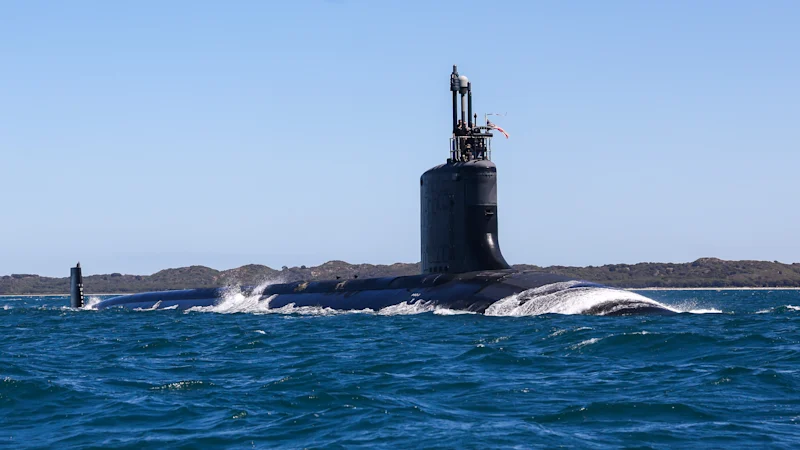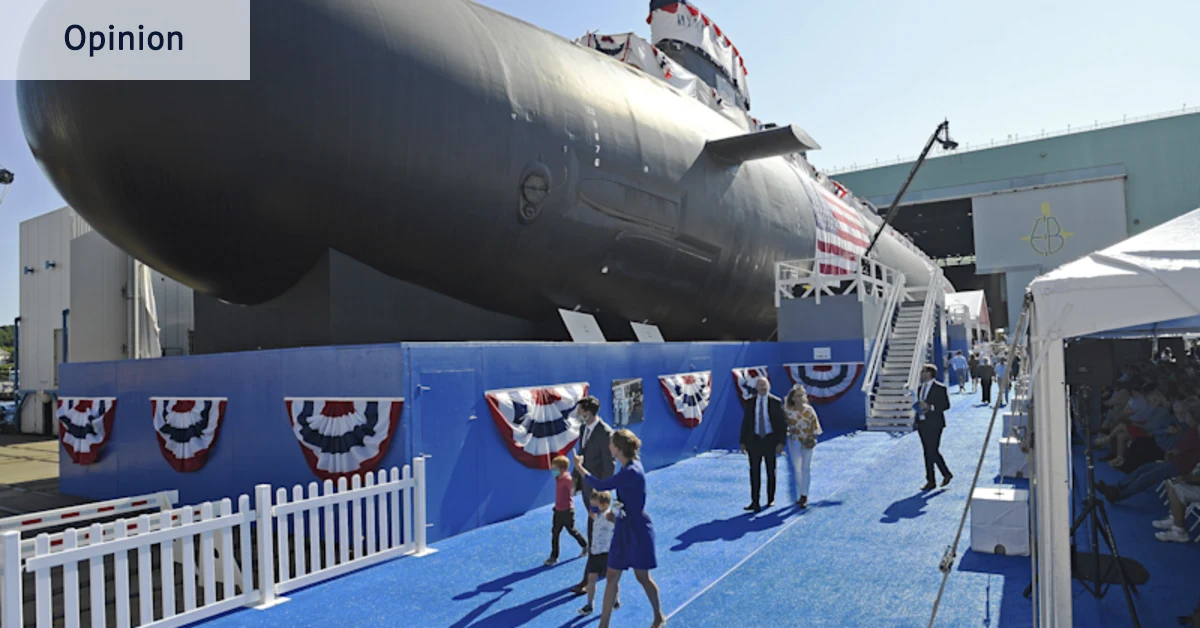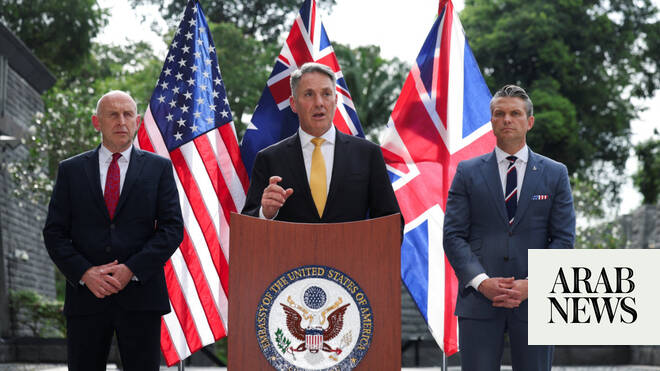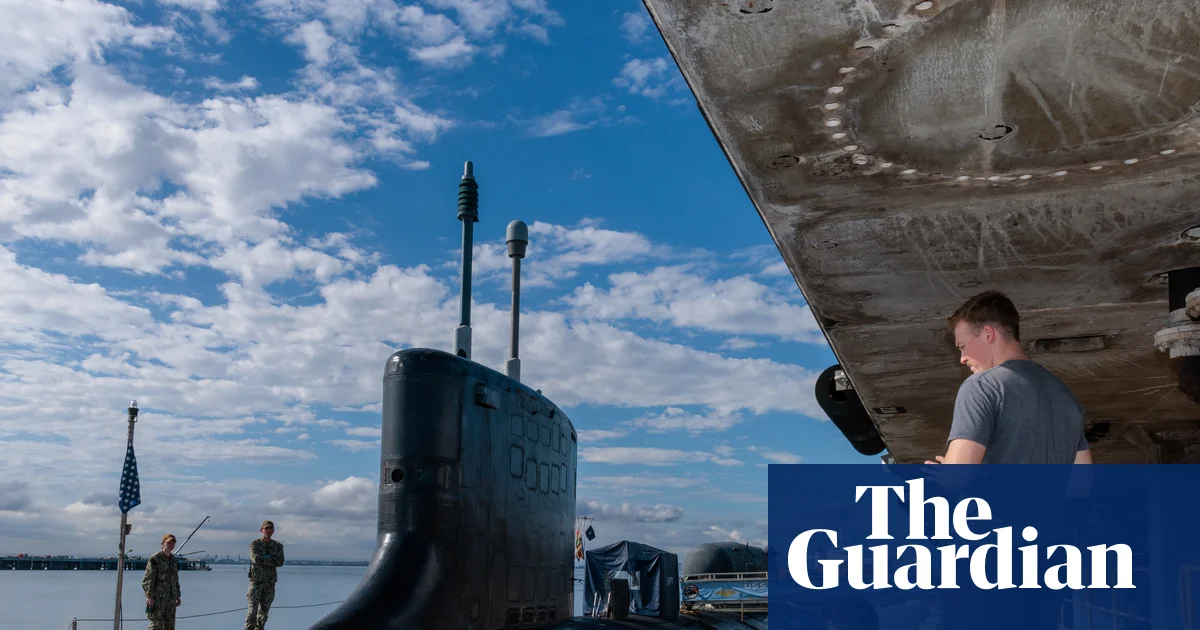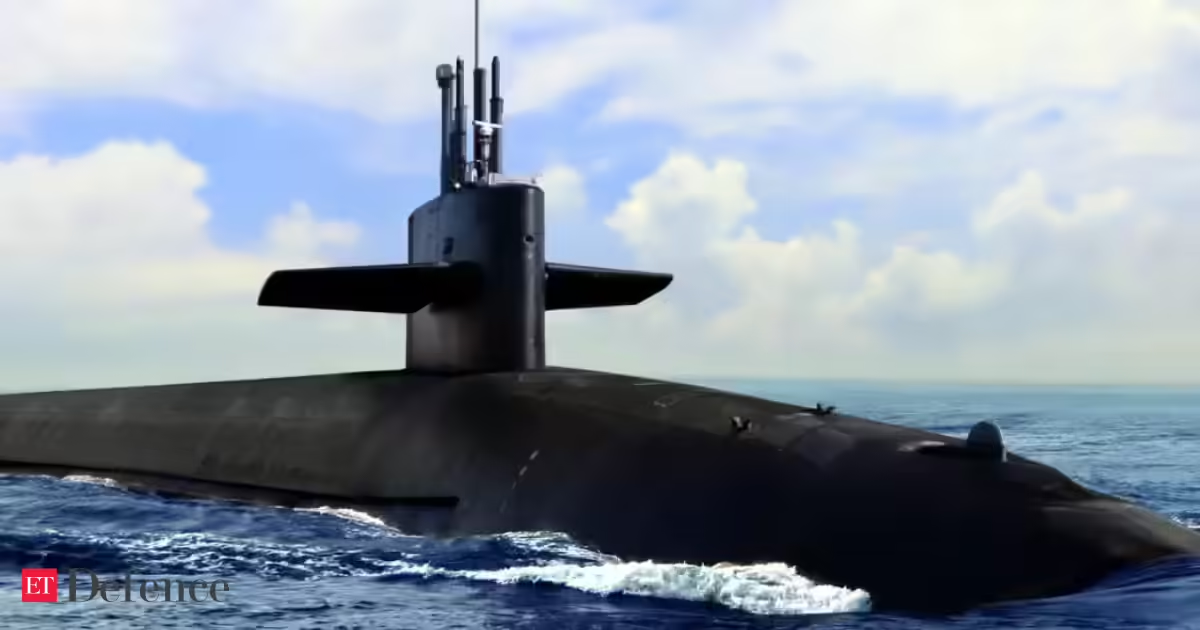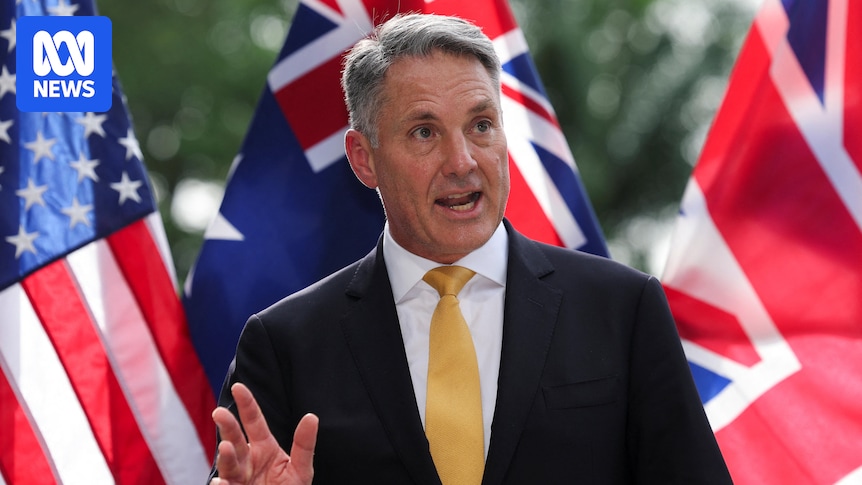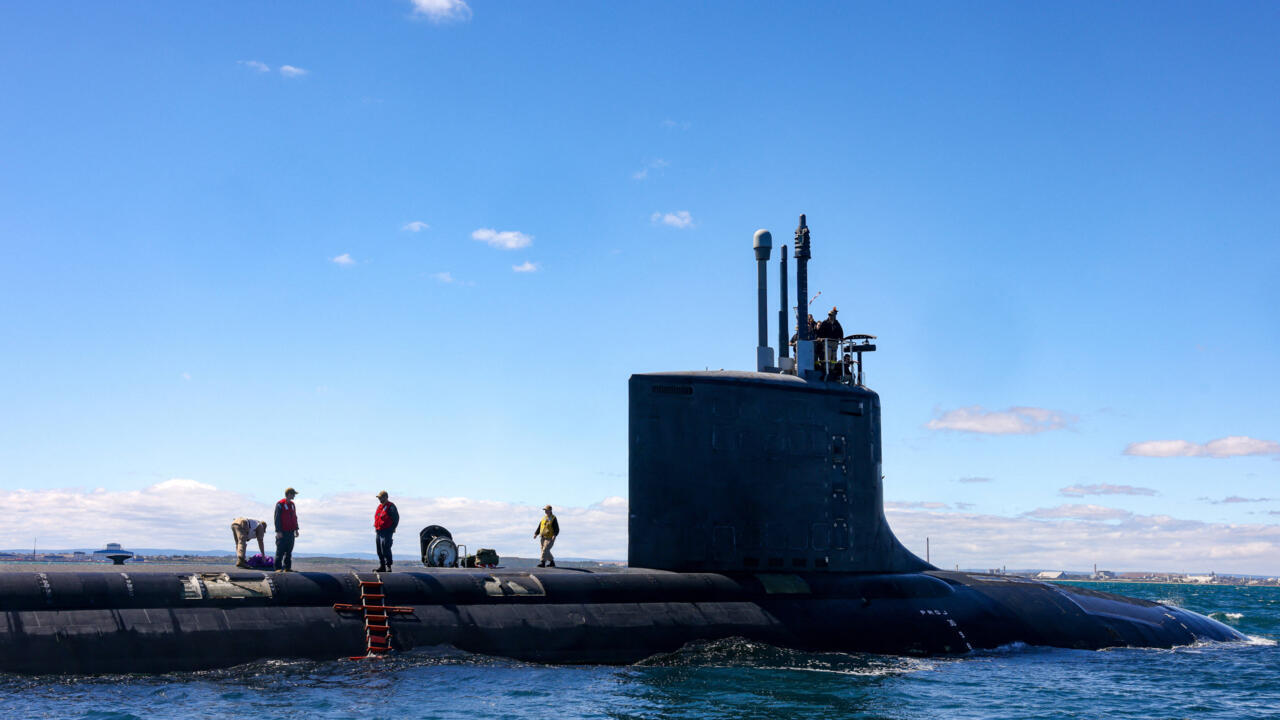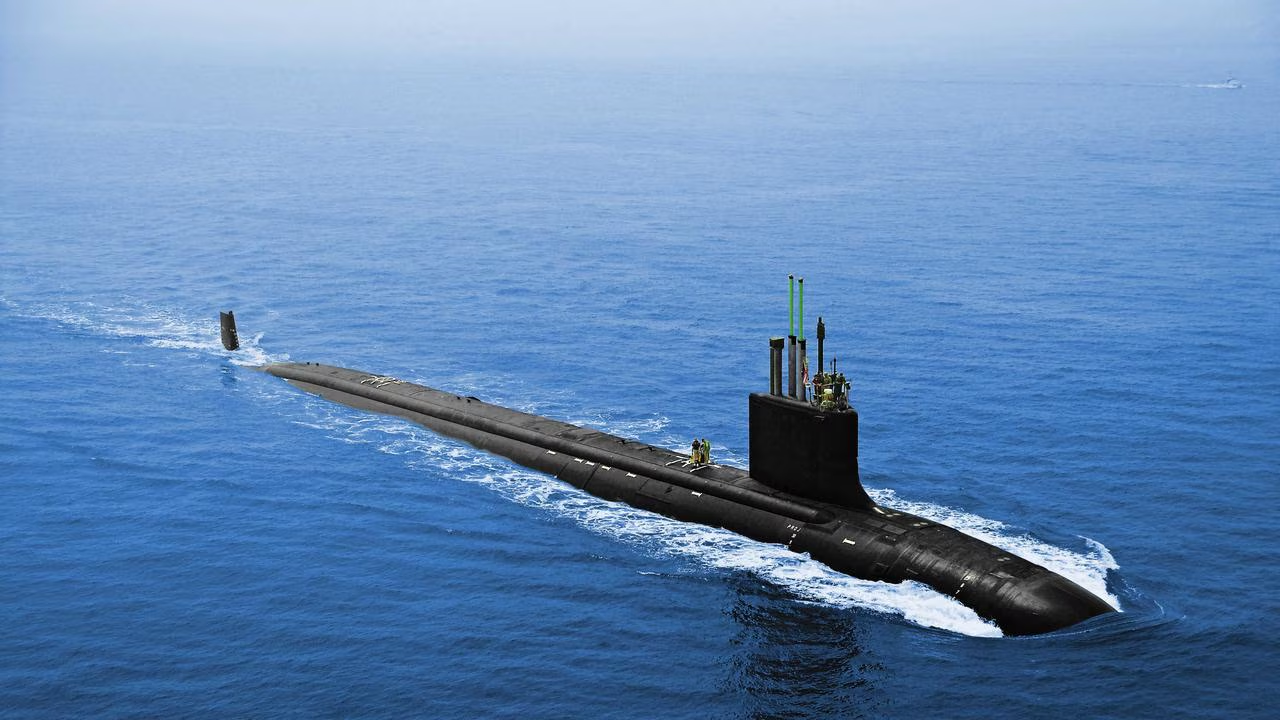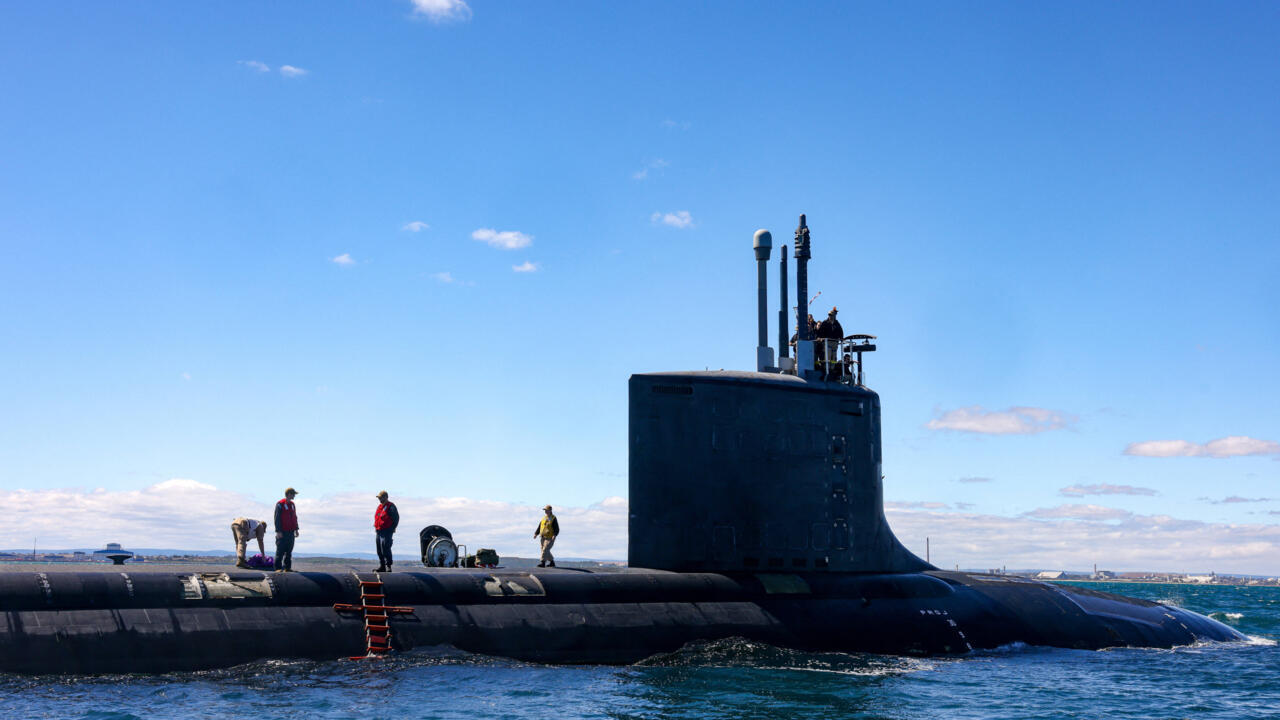
In BriefThe new deal means Australia will receive three 'in service' Block IV Virginia-class submarines, with costings still unclear.Critics say the change means Australia's investment in US ship-building is a "donation".The news that Australia will only receive "second-hand" Virginia-class submarines has become the latest fault line in the AUKUS debate, with critics questioning ballooning costs and questioning the value for money."You've paid for a Porsche, but they give you a compact two-seater," Albert Palazzo, adjunct professor at UNSW in Canberra and a former director of war studies for the Australian Army, told SBS News."If I was the consumer, I'd get angry. I paid for a Porsche, where's my Porsche?" Under the agreement made in 2023 with the United States and United Kingdom, Australia would buy three Virginia-class nuclear-powered submarines from the US — one newly built, and two already 'in service'. Last week, Defence Minister Richard Marles revealed that all three of the submarines would be in-service vessels from the US Navy. Marles said the new approach would be "cost-effective" and "streamline" the submarines' delivery.News that makes senseYour trusted source for staying up-to-date with the world around you. Get free daily news updates and analysis, straight to your inbox.Speaking to ABC radio on Wednesday, Defence Industry Minister Pat Conroy said the arrangement was always the government's wish, and that it would be "simpler, cheaper to manage, and that's been confirmed by the Pentagon overnight as well". So will the new deal be cheaper? And are there any other hidden costs? Will it be cheaper?Palazzo said there could be cost savings in having three identical submarines."The training requirements for the crews will be the same," he said.A Virginia-class submarine is expected to have three refurbishments in its 33-year lifespan. Jennifer Parker, a maritime security expert at the Australian National University Security College, said it's possible unforeseen costs could arise depending on the condition of the submarines. It's unclear whether the US would refurbish the submarines before giving them to Australia, but Parker said it's reasonable to assume they would."If it is already of the age that it needs to have gone through its first one, which is about the 10-year mark, then you would expect that we would get [a refit]," she told SBS News.Parker said it's a reassuring sign that Australia was receiving Virginia-class submarines, as opposed to the older Los Angeles-class submarines reaching the end of their life."I was a little bit surprised because I thought they might sell off the Los Angeles-class because they have less need for those," she said.But some critics don't believe all Virginia-class submarines are made equal.Are we 'dead ducks'?The 'in service' Virginia-class submarines Australia will receive are Block IV boats. They're 125m long and fitted with 12 missile launchers.The new submarine was originally set to be a brand-new Block VII.Later models of the Virginia-class submarine expanded their capability, with Block V growing to 140m in length and carrying 40 missiles. Palazzo said the difference between the Block IV and Block VII would be "not trivial".The Virginia-class nuclear-powered submarine (pictured) are the latest model in use by the US Navy. Source: AAP / Richard Wainwright"You build a warship for its killing power. You're sending it to war, and you want your crew to come bloated with weapons more numerous than your opposition."When you're out of missiles, you’re a dead duck."However, Parker said the difference between the two models isn't clear because the capabilities of the newest version aren't public. She said we know that Block VII will be smaller than its previous model because it won't have an extension called the Virginia payload module — which allowed its predecessor to carry extra missiles. "With no Virginia payload module, the Block VII would be a smaller boat," she said."But the capabilities here are not entirely clear."Where did our AUKUS money go?Under the AUKUS agreement, Australia invested $3.9 billion to increase America's ship-building capacity — with more to come. So far, it's made little difference.In Virginia, the state where the submarines are built, the delivery rate is stagnant at around 1.3 submarines per year. The goal is to increase the rate to 2.33 boats per year."We've been giving them billions of dollars to improve their capacity for an end point of one new boat," Palazzo said. "We gave this money away gratis with no restrictions, no guarantees and no refunds. And then they changed the deal," he said. "It's gone. It was a donation."However, Parker said the payment was never directly linked to receiving a new submarine. "It was a down payment on our submarines full stop — to invest in enhancing the ability of the US submarine industrial base," she said. Marles said there is no precedent for how the US will handle the technology around the transfer."There were challenges in the industrial base, as I said. It's why we did the extraordinary step of actually contributing money financially, significantly billions, to the American industrial base to increase their rate of production. Not just production, but sustainment as well."A symptom of a bad deal?Ultimately, Palazzo said this news is another blow for what he considers "the dumbest deal Australia has ever made"."It's just getting worse and worse."Parker said the "second-hand" submarines debate is a distraction from a program that is otherwise on track. "We don't need the best, newest Virginia-class submarine in the world," she said. "Our obsession with the fact we're getting second-hand instead of new, it's not seeing the forest through the trees."The Australian Submarine Agency has been contacted for comment.For the latest from SBS News, download our app and subscribe to our newsletter.
'Paid for a Porsche, got a compact two-seater': Is this AUKUS' hidden cost?
Experts say used submarines don't change Australia's AUKUS goals, but critics think we're getting ripped off.
931 words~4 min read