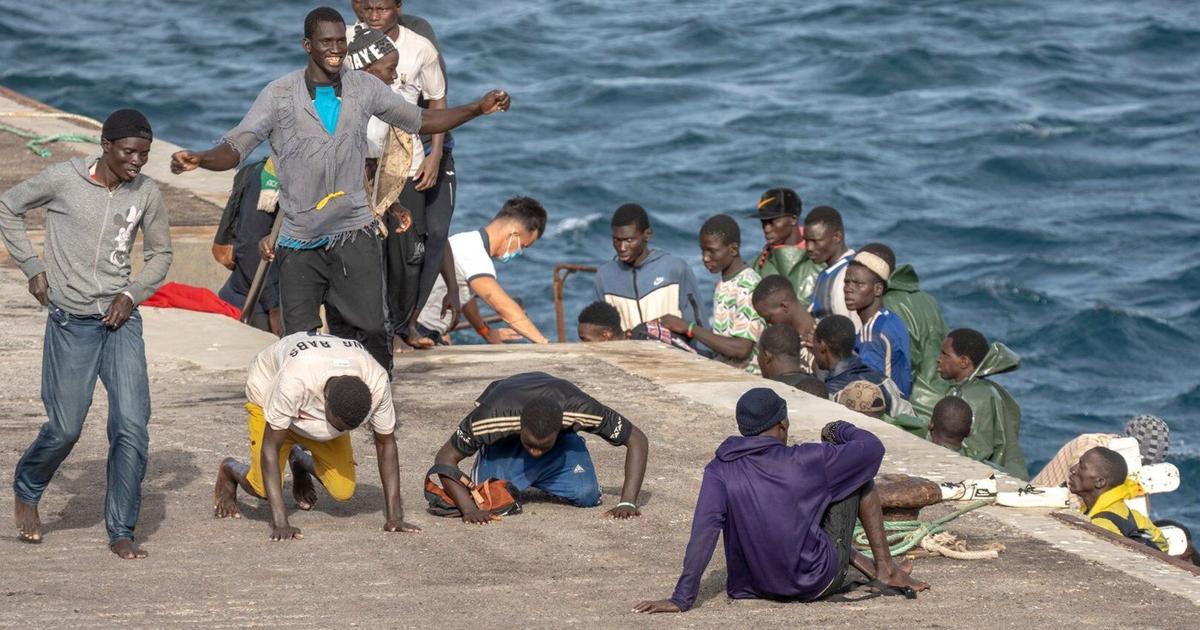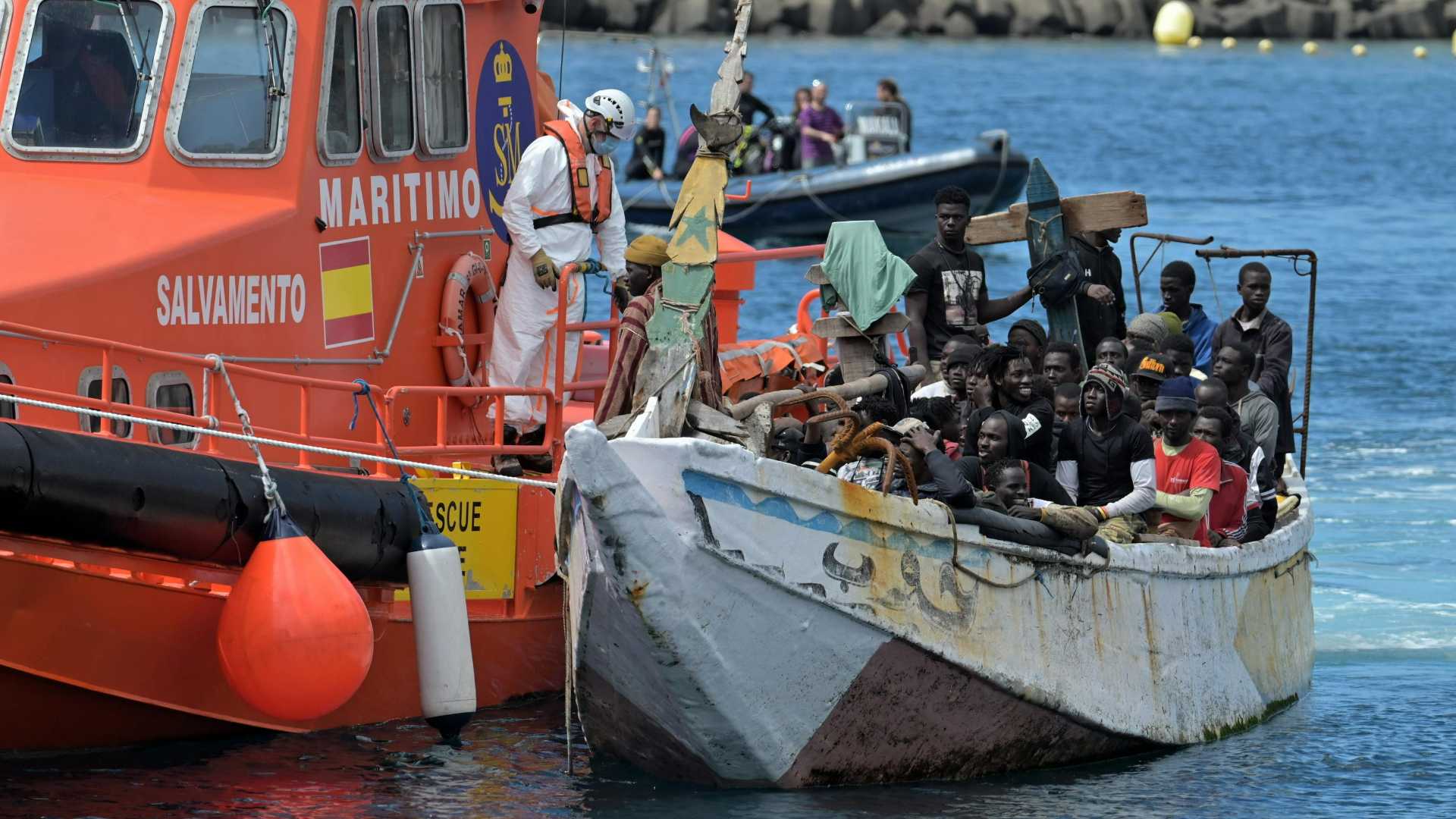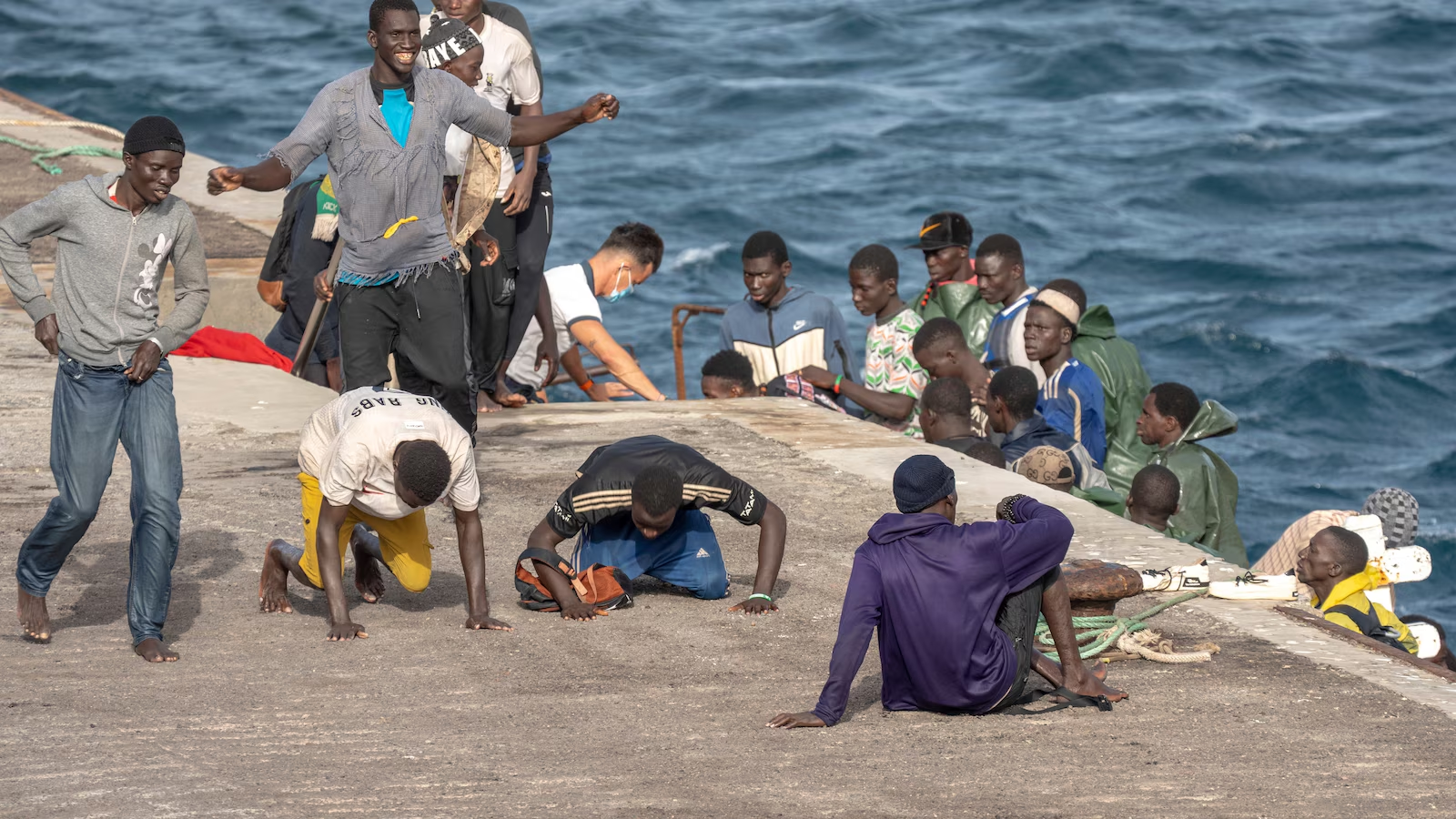
Las Palmas (Spain) (AFP) – Haruna Ndom, 18, set out two years ago on a days-long journey across the Atlantic in a fragile boat with dozens of other migrants.
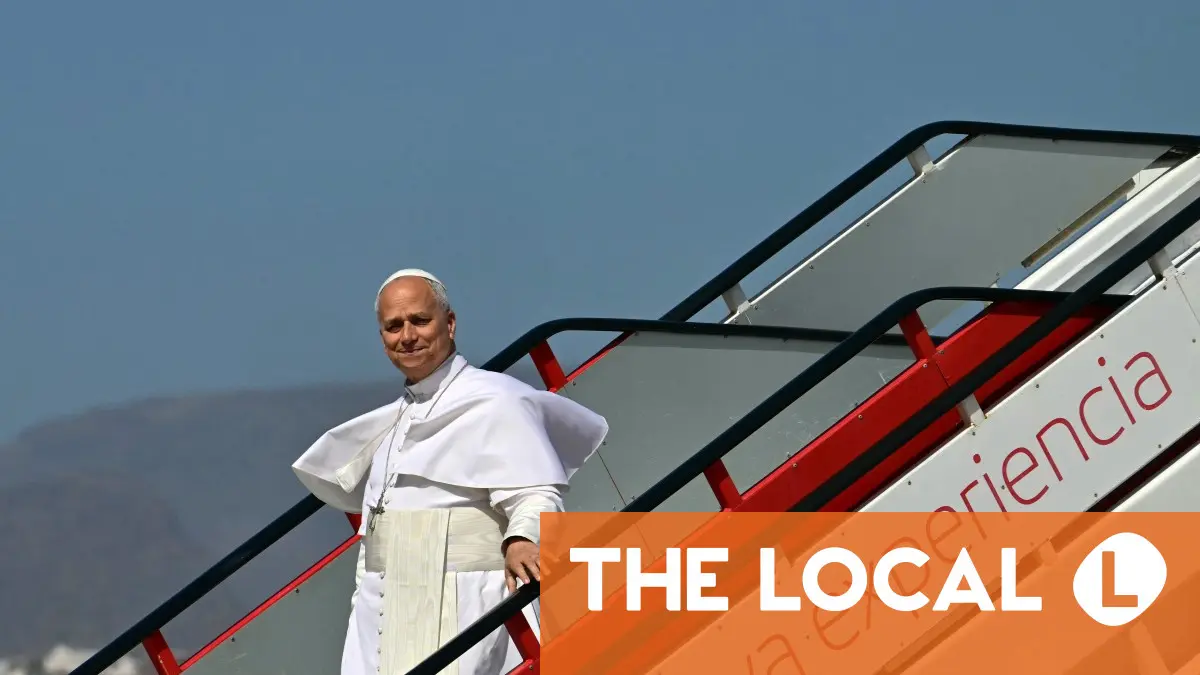
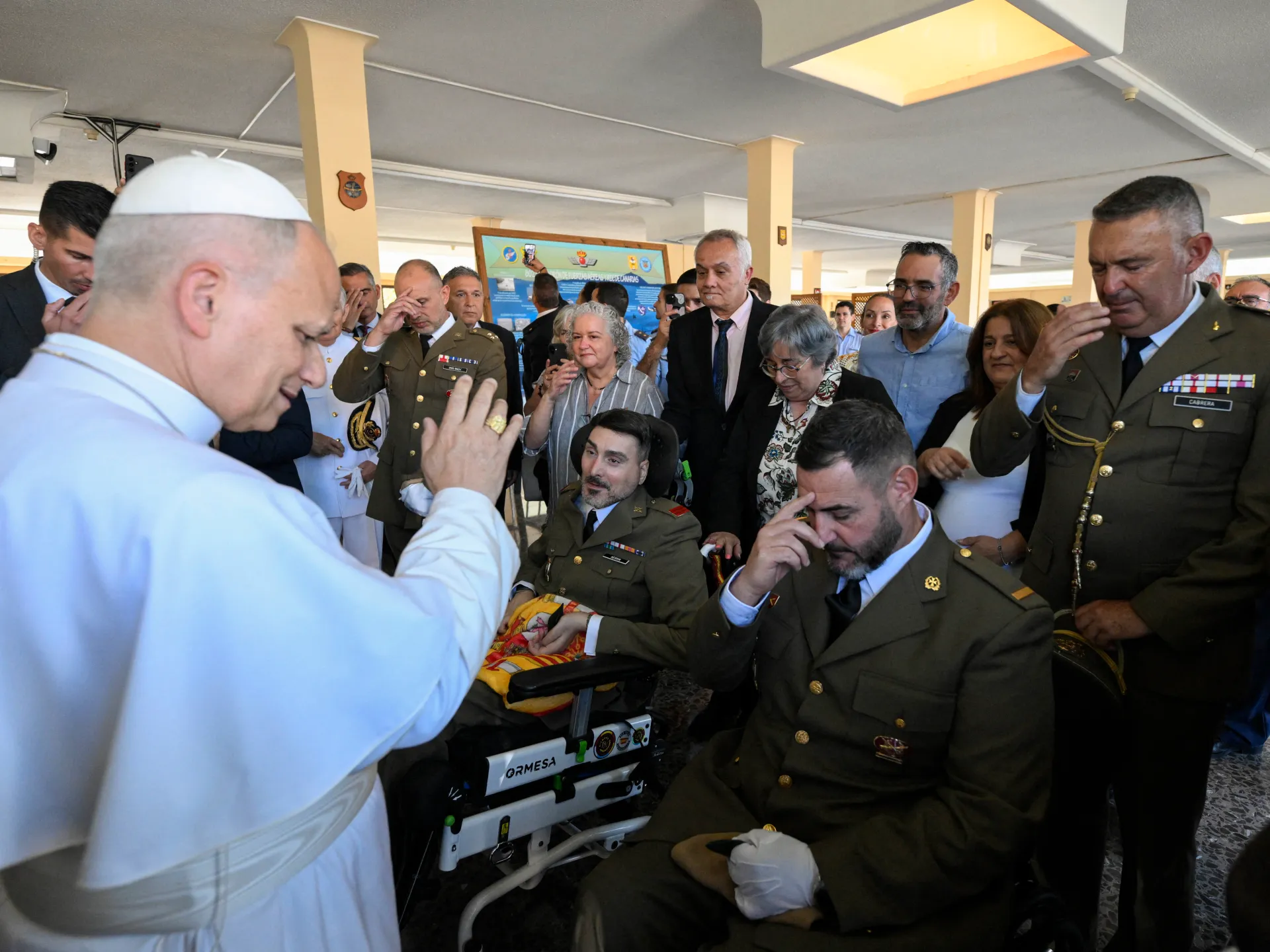
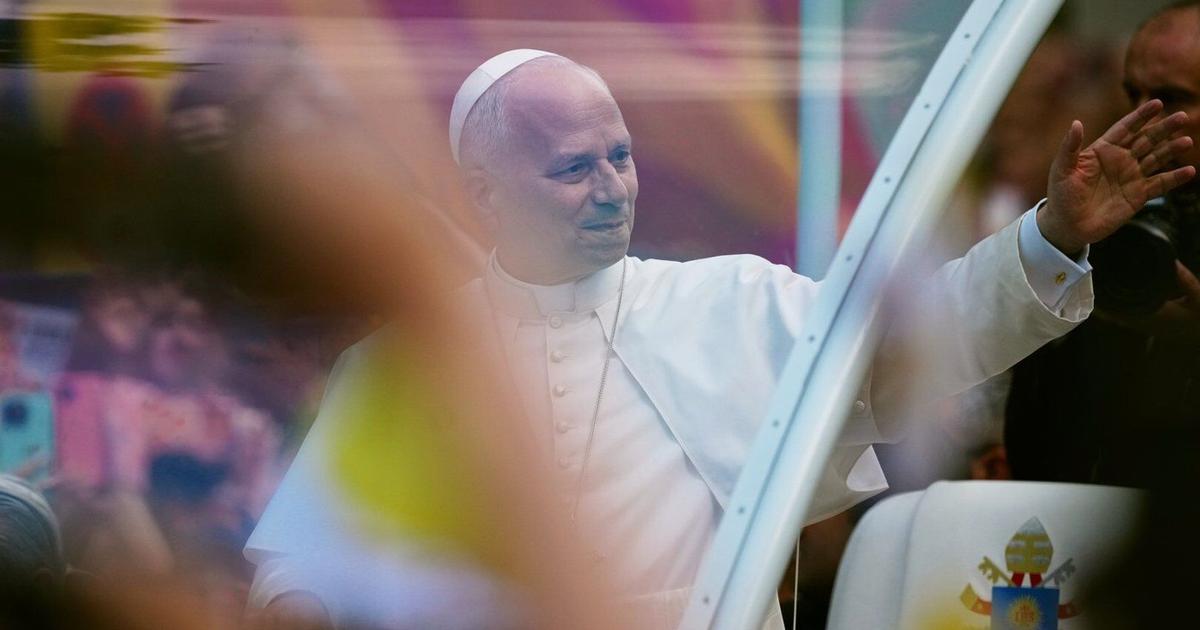
Now in Spain's Canary Islands, one of the main entry points into Europe for African migrants, he hopes to build a future that will allow him to support his family in Senegal.Ndom recalled being afraid during the roughly 1,000-kilometre (600-mile) Atlantic crossing to the archipelago off northwest Africa, one of the world's deadliest migration routes."At least I know how to swim," he told AFP, an advantage over many of the others aboard the boat.Like him, tens of thousands of migrants have arrived after navigating the perilous Atlantic route to the Spanish archipelago, which Pope Leo XIV will visit during a June 6-12 trip to Spain.The US-born pope, who has repeatedly called for compassion for those seeking a better life abroad, will spend the final two days of the trip on the islands of Gran Canaria and Tenerife, where he will meet migrants and organisations working to support them.Last year, 1,172 migrants died or went missing attempting to reach the Canary Islands, according to the International Organization for Migration (IOM).Wearing pink trainers, yellow socks and a beige-and-brown uniform, Ndom trained with a team of boys who arrived in the Canaries as unaccompanied minors.The initiative, run by professional football club UD Las Palmas and the non-profit association #UP2U in Las Palmas, aims to help integrate them into society."I like my teammates and I like the way we play as a team," Ndom told AFP, adding that he is studying to become an electrician so he can help his mother and two brothers in Senegal.'Build different lives'