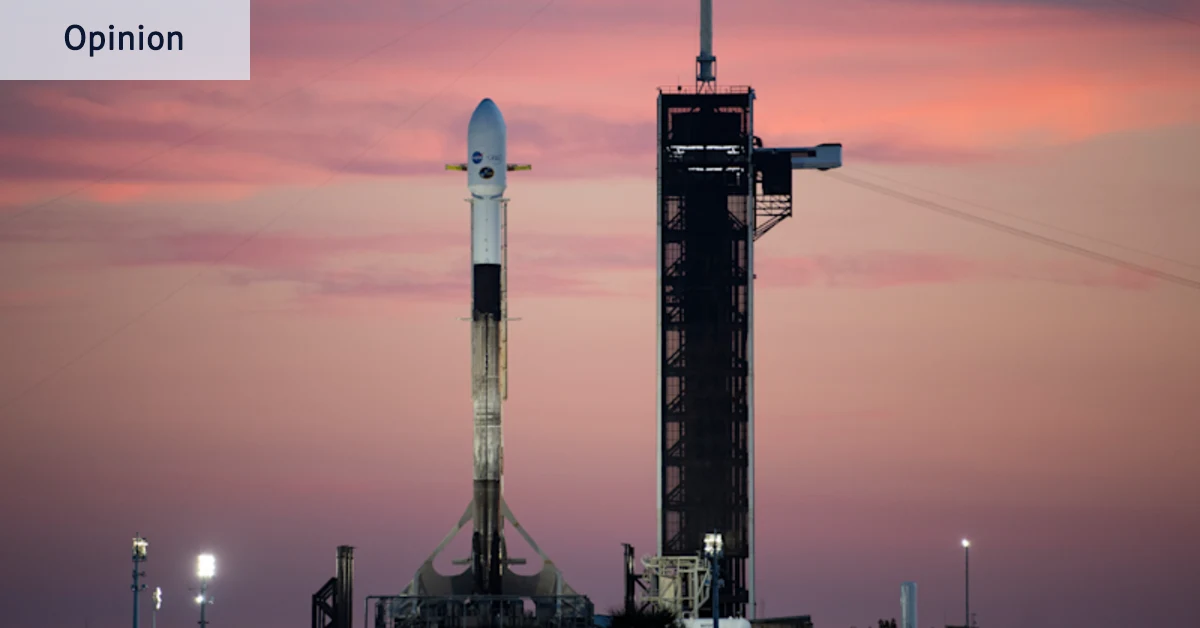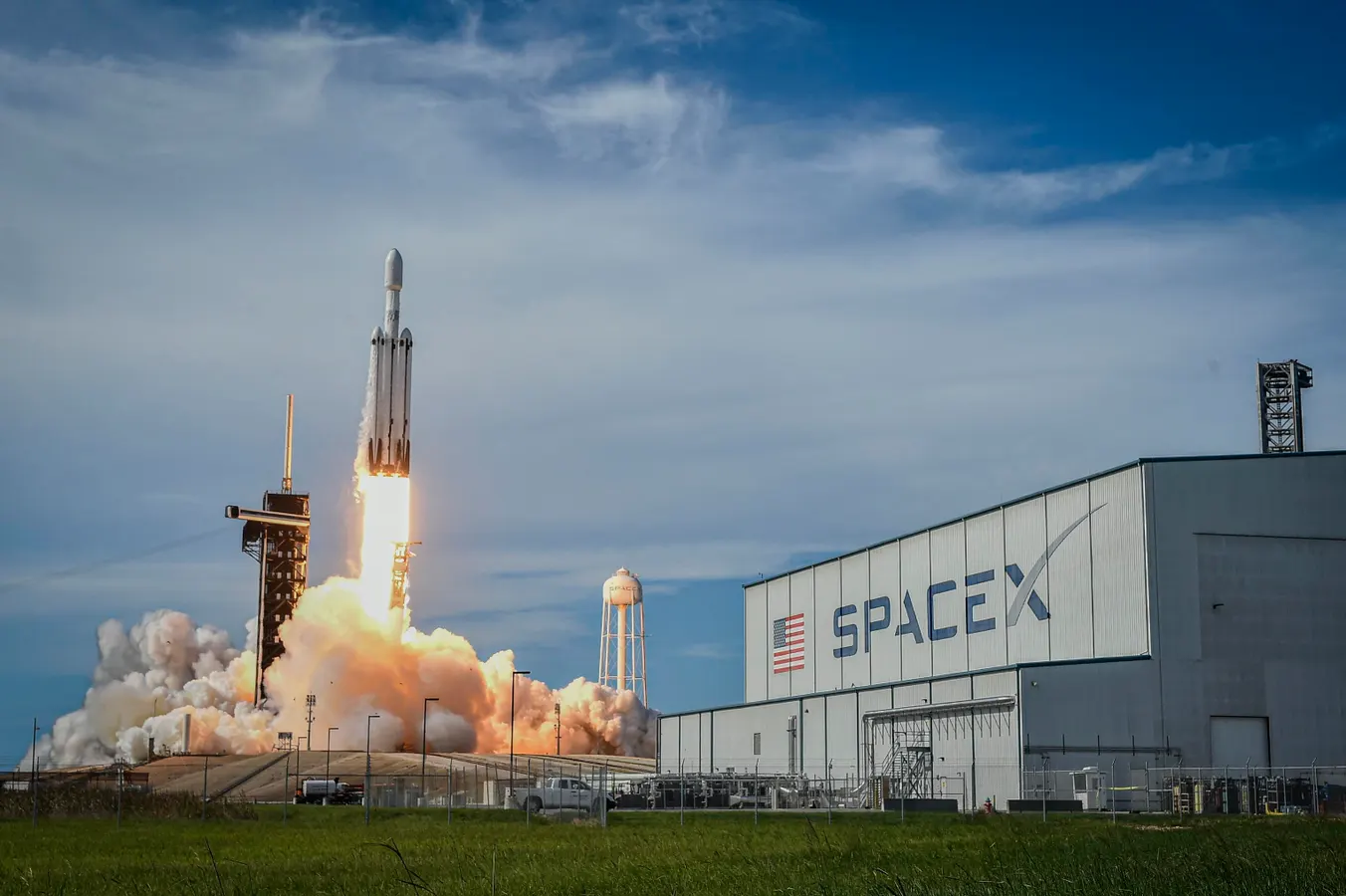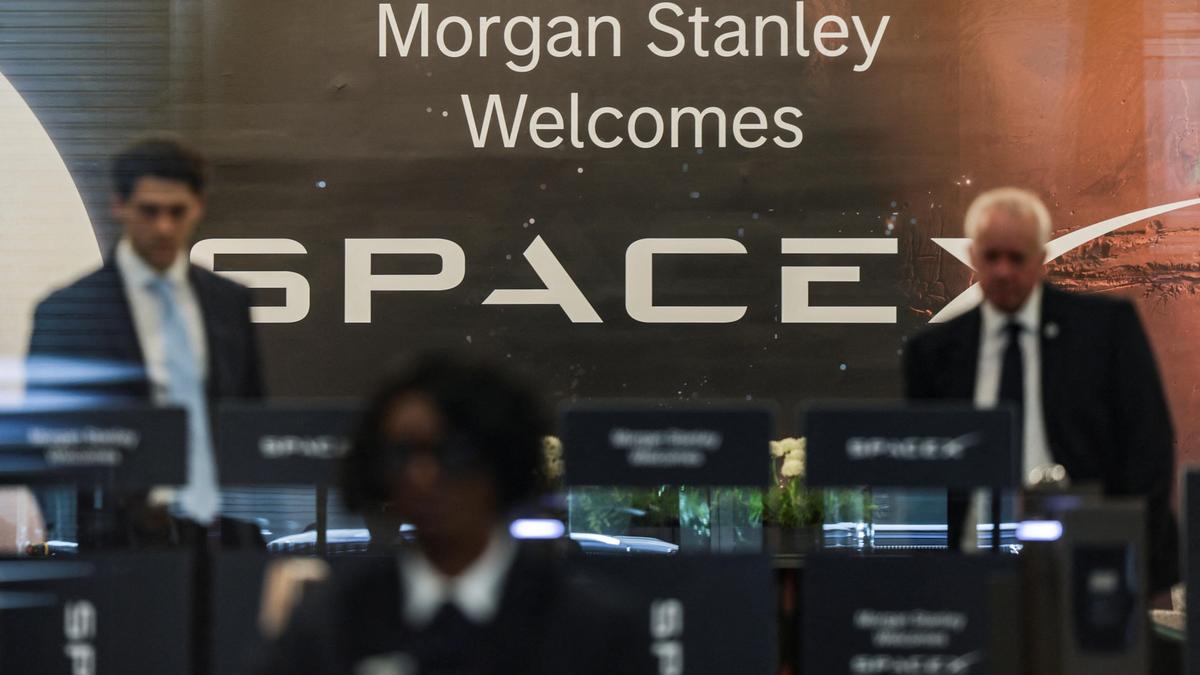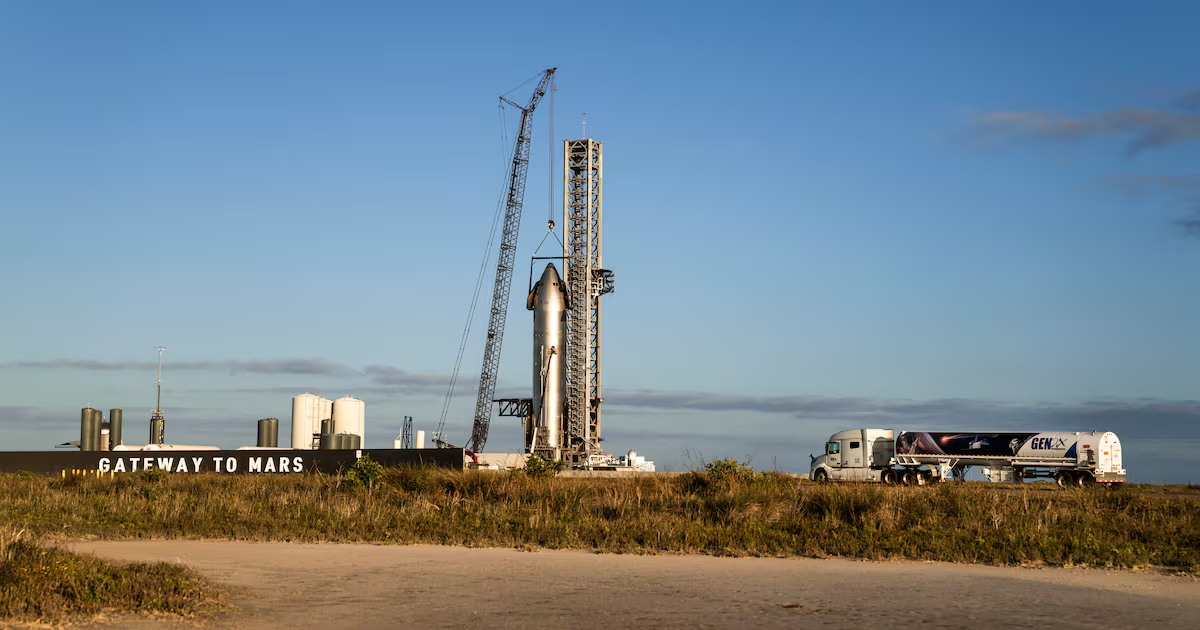
It seems hard to believe that what may shortly be the world’s most valuable listed company will have as its overarching goal to put a million people on Mars and in the process “to build the systems and technologies necessary to make life multiplanetary, to understand the true nature of the universe, and to extend the light of consciousness to the stars”. It says something about the state of our current home planet that this sort of values-free megalomaniacal nonsense is not laughed out of court. But Wall Street can see the money.Equally, it is hard to escape the rather queasy feeling that the authors might be serious. If all of that was not bad enough, the truly alarming thing is that anyone who has a pension invested in the stock market (pretty much everybody with a private pension) will be helping to fund this nonsense. More of that later. First SpaceX. As pretty much everybody knows, the rockets-to-nudifying business is being brought to the market by Elon Musk. It is an amalgam of several of his ventures, some successful, some simply barmy, and others probably dangerous. All else being equal, it will debut on the Nasdaq this month valued at somewhere between $1.75 trillion and $2 trillion (€1.5 trillion and €1.7 trillion). A trillion has 12 zeros, if you are wondering. The core of the company is Musk’s successful satellite internet business Starlink, which has almost total dominance in the market. It makes plenty of money. The second leg of the stool is his rocket business, SpaceX. It does not make money, but it is busy launching satellites for Starlink and also taking cargoes into space for other organisations such as Nasa.[ SpaceX, OpenAI and Anthropic: a mega-IPO wave is comingOpens in new window ]Rocket ships are inherently unprofitable, and prior to the advent of SpaceX and some less successful rivals such as Jeff Bezos’s Blue Origin, they had been the preserve of governments, and mostly still are. It remains one of the last unconquered territories of late-stage US capitalism. Wrapped up with these two businesses is Musk’s deeply unprofitable artificial intelligence business and associated social media company, X. The pitch is that through a combination of Starlink and the rocket business, SpaceX will build a network of solar-powered data centres in space that will lead to dominance of artificial intelligence. Will it work? Maybe. And why should we be concerned? Good for Musk if he can convince fools to part with their money for a stake in a company that overall does not make a profit, has $29 billion in debt and is held together by a rather strange individual’s messianic desire to conquer Mars.And it is very much the Elon Musk show. He will have 85 per cent of the voting power through “super-voting shares”. Shareholders will have no say in how the company is run. If and when he makes a mess of things, they will find it very hard to sue him because of various waivers. The board – that entity that is supposed to look out for shareholders - is loaded with Musk loyalists.The reason you should care is that even if you think SpaceX is a disaster waiting to happen, you should be aware that you probably have some skin in the game. The sheer size of the company means that pension funds – quite possibly yours – will be obliged to invest.[ SpaceX IPO prospectus raises more questions than answersOpens in new window ]Many pension funds adopt what are called a passive investment strategy. They invest in all the stocks listed on a particular market in proportion to their size. If a company accounts for 5 per cent of the market in terms of capitalisation, they invest 5 per cent of the fund in that company. It is a low-risk strategy well suited to managing people’s retirement nest-eggs. You may miss out on the highs, but you also avoid the lows. By some estimates, passive US investment funds will end up having to buy almost a quarter of the SpaceX shares that will be sold when it floats. Irish pension funds will be no different, but the impact will be diluted. Still, if you believe the maths, then between 0.04 per cent and 0.15 per cent of your pension could end up being invested in SpaceX. Might only be a few hundred euro, but it’s annoying all the same.To add insult to injury, the most likely sellers of SpaceX shares in the immediate aftermath of the flotation will be the various insiders who got shares before the IPO. They include employees and the private equity business that invested in the company.The SpaceX flotation is many things. Among them is the best example yet of how the investment markets have gone from being a way of channelling peoples’ savings into productive investment that benefits everyone and have become instead a one-sided racket in which the insiders hold all the cards. In this particular case, a low-risk investment strategy has been hijacked as an exit mechanism for insiders to cash out in the immediate aftermath of the flotation of a company that wants to build a colony on Mars. It’s genius, but evil genius.
Heavily in debt, loss-making, with eyes on sending people to Mars. Why invest in SpaceX?
If Elon Musk succeeds in listing SpaceX on the stock market, our pensions could be invested in this one-sided racket
870 words~4 min read