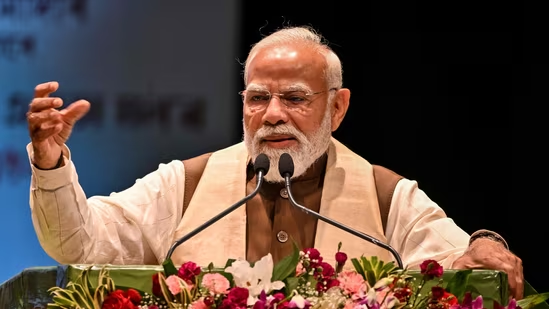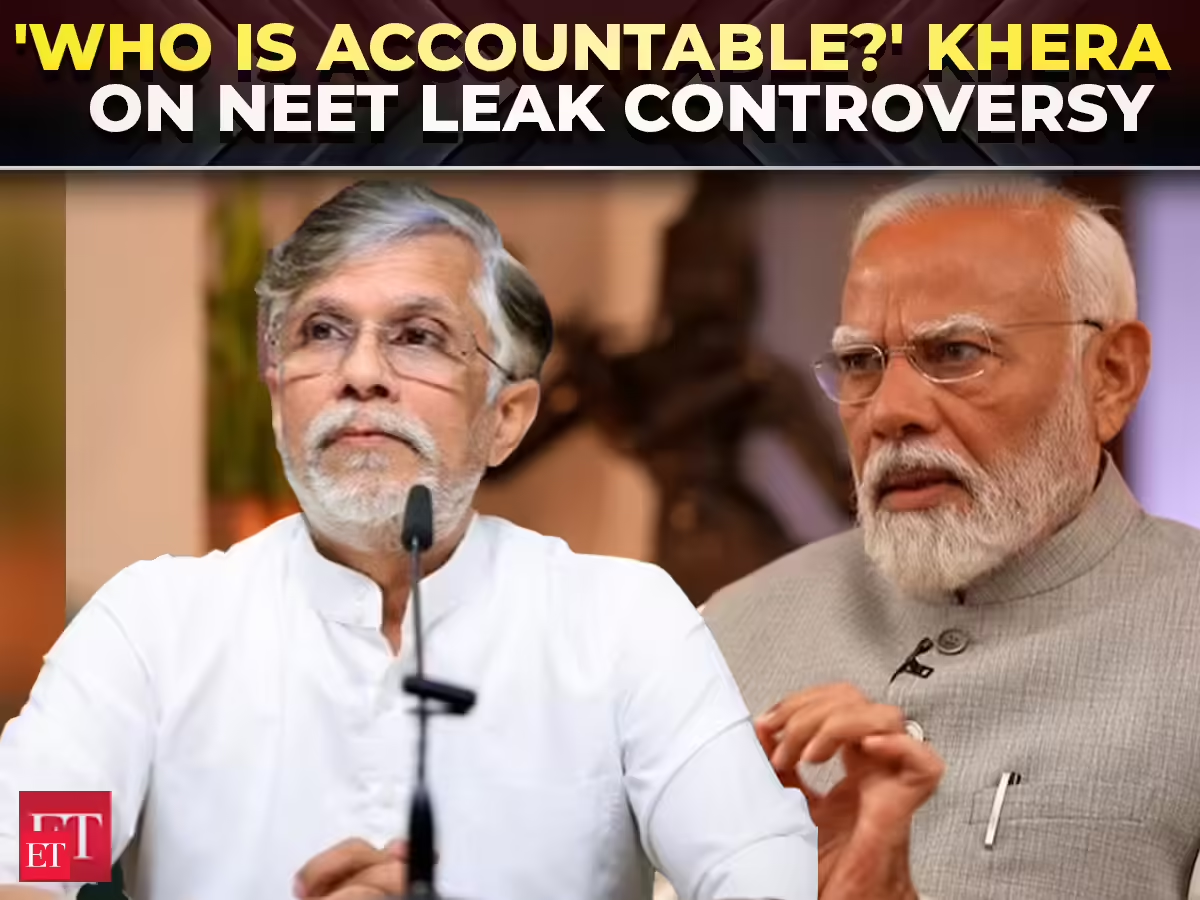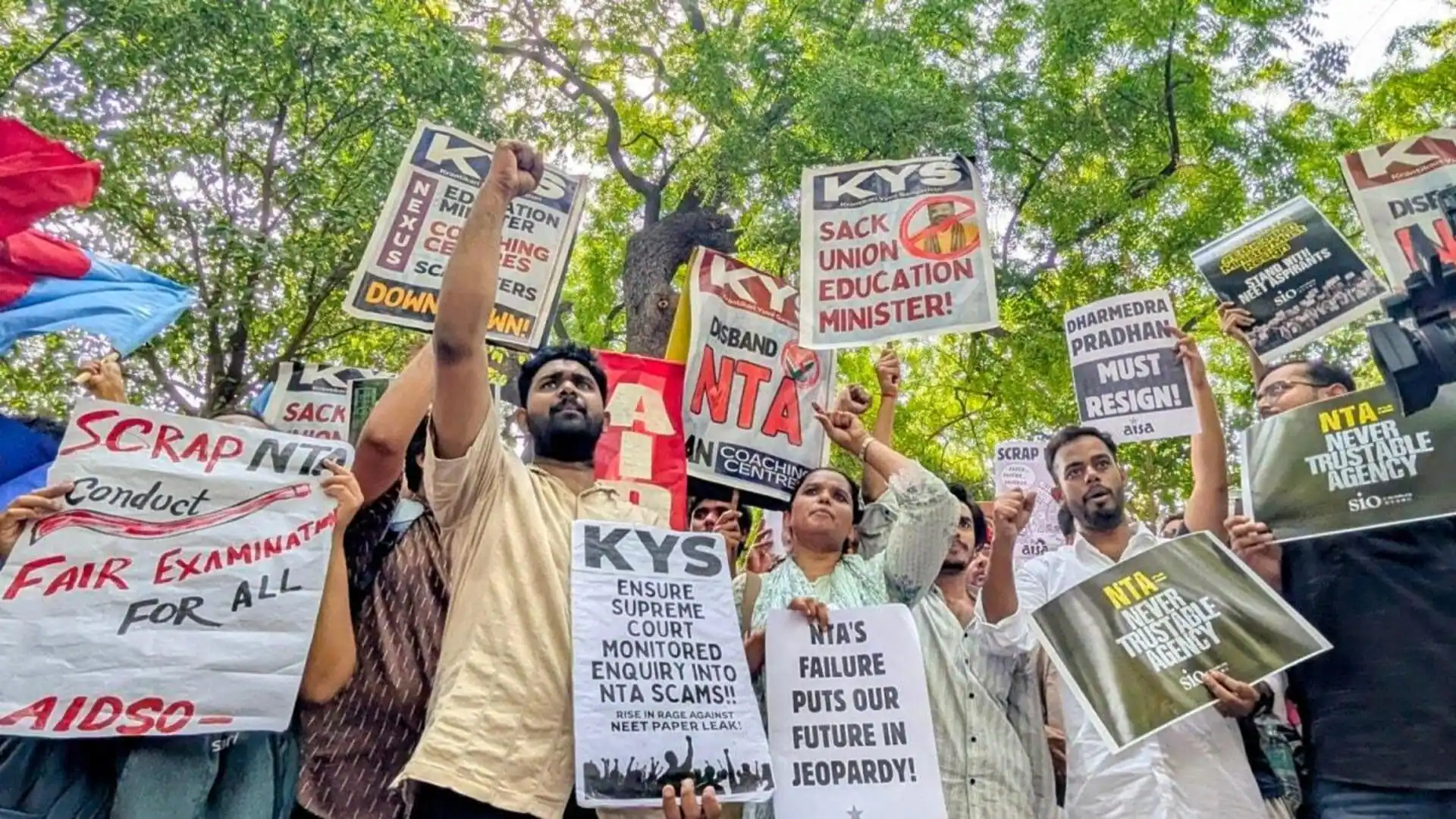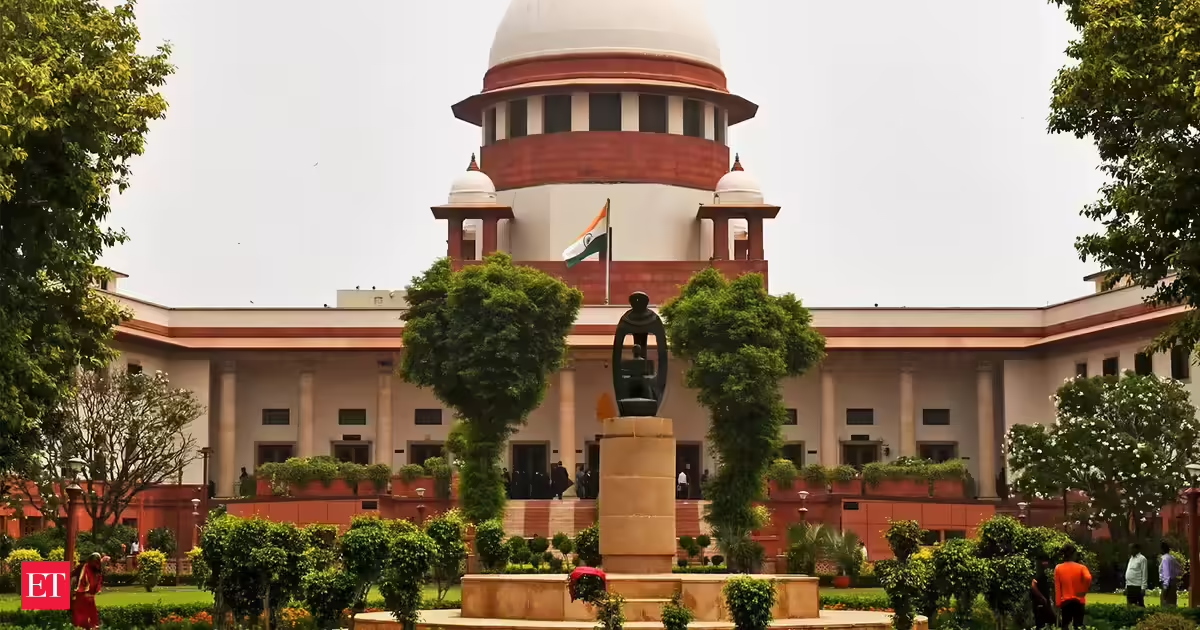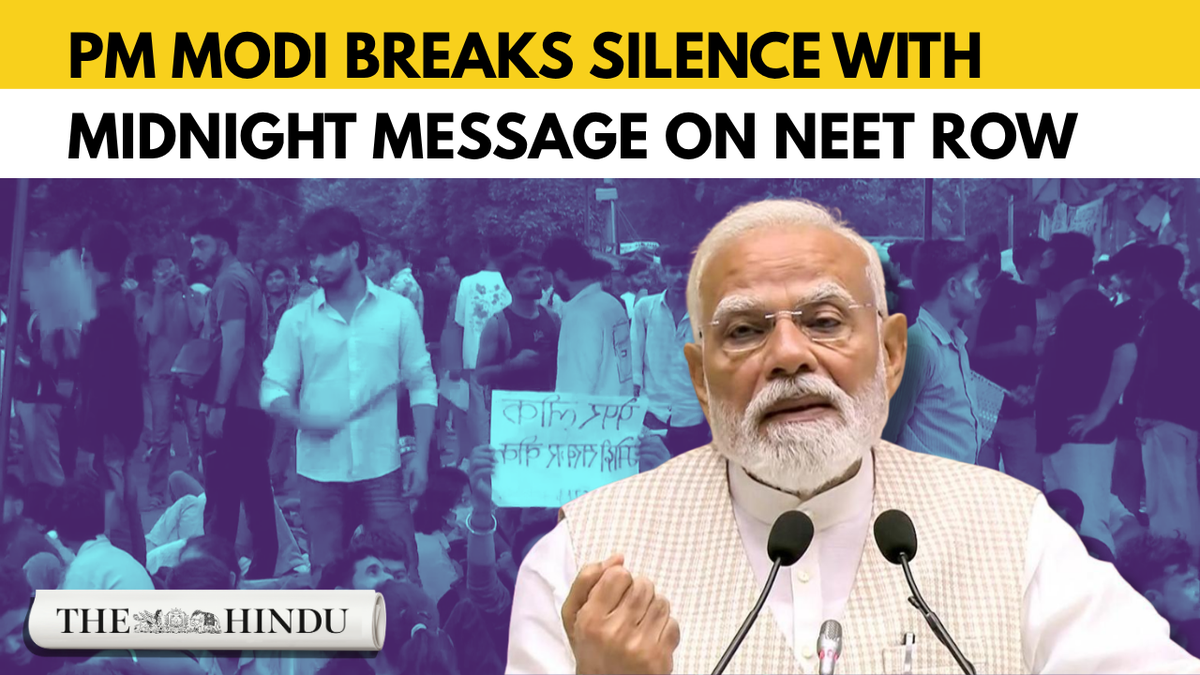
Under fire from the Supreme Court over NEET-UG paper leak, the government told the apex court last week that Prime Minister Narendra Modi was “personally supervising” this issue.
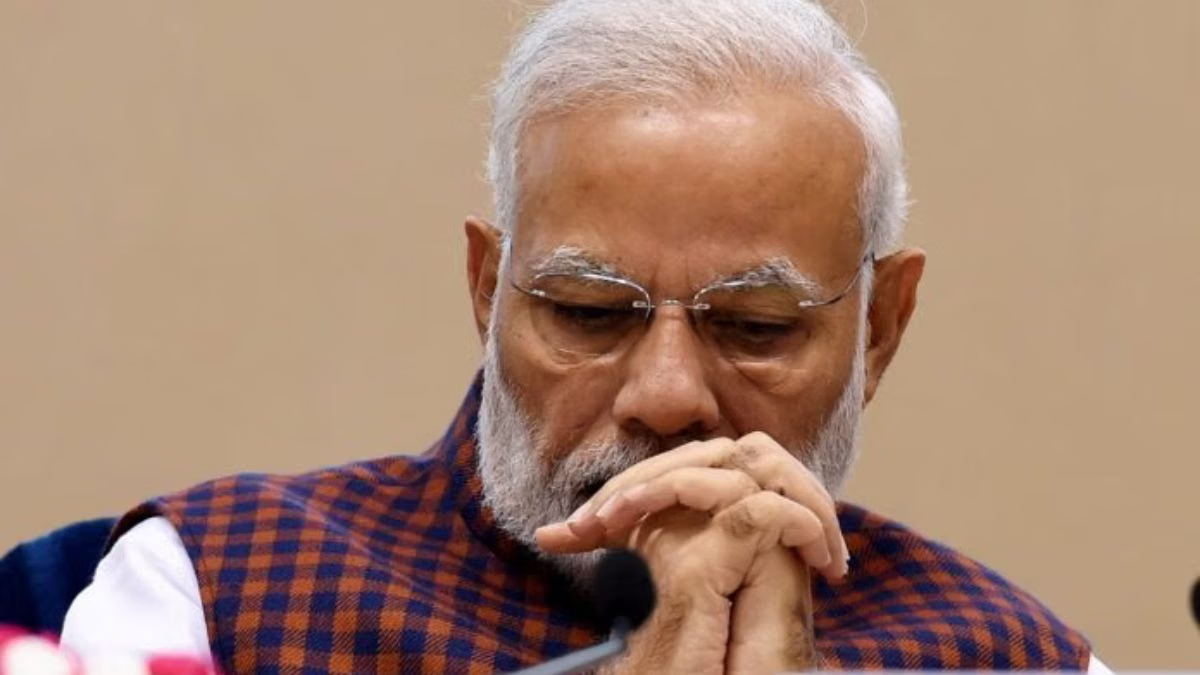
This formulation is problematic on three counts, even as the prime minister maintains a studied silence on this issue.First, it’s a rather predictable attempt to use PM Modi’s popularity and goodwill to counter what’s widely seen as a gross systemic failure. He may be coated with Titanium, but in politics, even super metals can corrode. There was a time when former Prime Minister Manmohan Singh was called Teflon-coated, given his untainted personal integrity amid a flurry of scams in his government. But that personal image couldn’t make up for his government’s failures in the 2014 general elections. Three years later, his successor was taking a jibe at him in the Rajya Sabha:
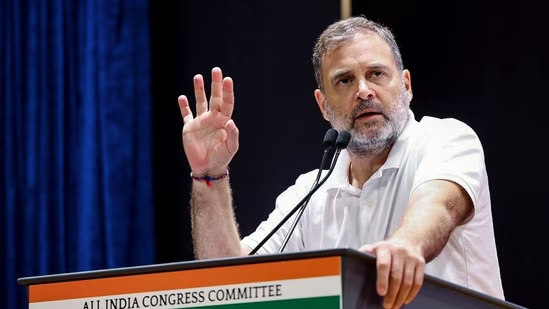
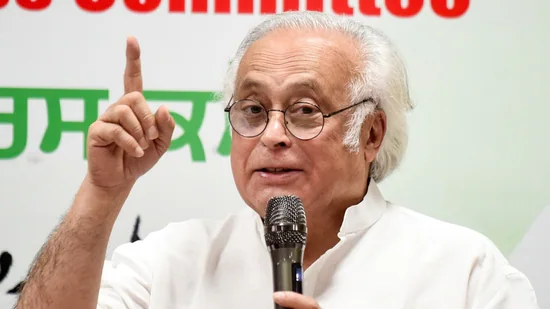
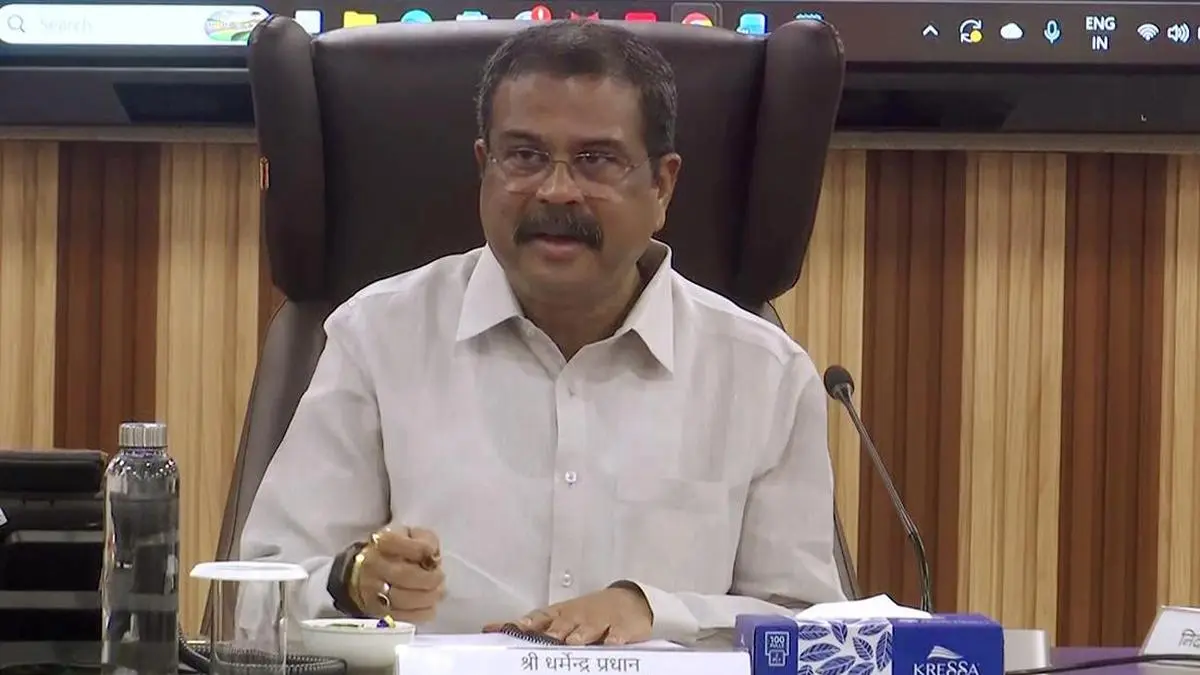
“Dr. Sahab is the only person who knows the art of bathing with a raincoat on,” Modi said.There is no comparison between the two, of course. The point here is that the UPA government’s failures ended up eroding Singh’s Teflon coating. Using PM Modi’s name to counter the public backlash over irregularities and lapses in examinations is, therefore, a desperate and risky strategy. Senior Congress leader and chairman of the parliamentary committee on education, Digvijaya Singh, said on Saturday that the Opposition was demanding education minister Dharmendra Pradhan’s resignation until now.“If the paper is leaked under the PM’s watch, we will have to ask for the PM’s resignation,” he said.The second problem with the government’s message on the NEET paper leak is that it would end up lending credence to the Opposition’s contention about Pradhan’s competence. Does PM Modi not trust his education minister to fix the problem? Given that Pradhan has been a part of the Modi Cabinet since May 2014, holding important portfolios, a sudden lack of confidence in his abilities comes as a surprise.That leads to the third problem. PM Modi is not known to give in to the Opposition and throw any of his Cabinet colleagues under the bus. If he has to personally supervise what his minister is entrusted to do, it makes the latter’s place in the Cabinet untenable. And if the prime minister starts holding his ministers accountable for their supervisory neglect and failures, where will the buck stop? There is a long list of such lapses—from train accidents killing hundreds of people to the economic mess, the Manipur crisis, you name it.To add just one more, if the JP Nadda-led health ministry hadn’t opposed the computer-based format for NEET-UG, the paper leak would probably not have happened. PM Modi would find it difficult to single out a hardcore loyalist such as Pradhan when many of his colleagues went scot-free for graver lapses.Lessons from 2011