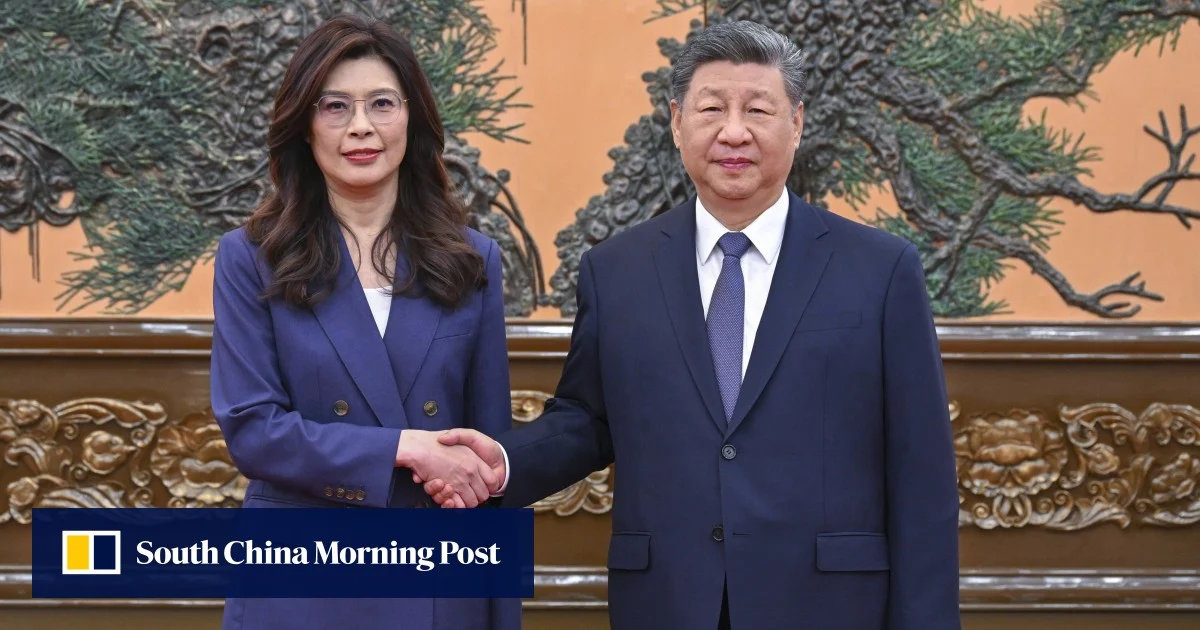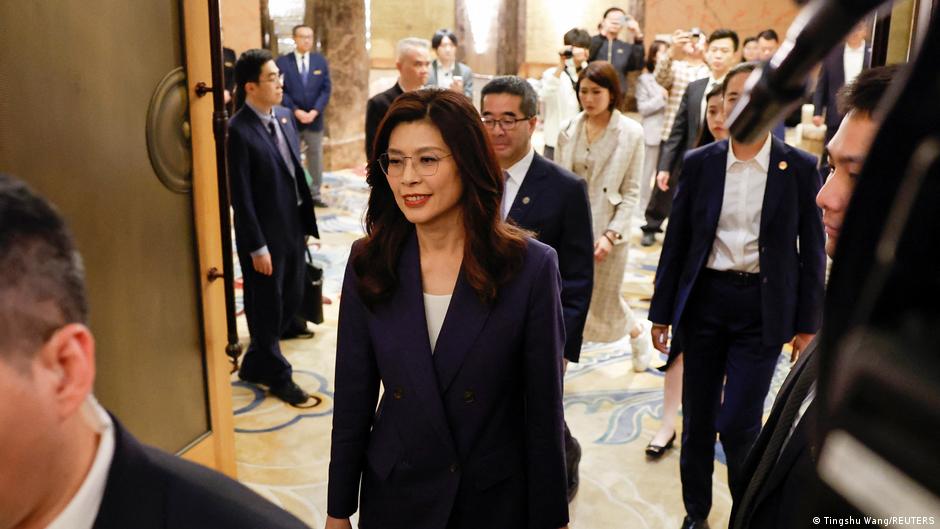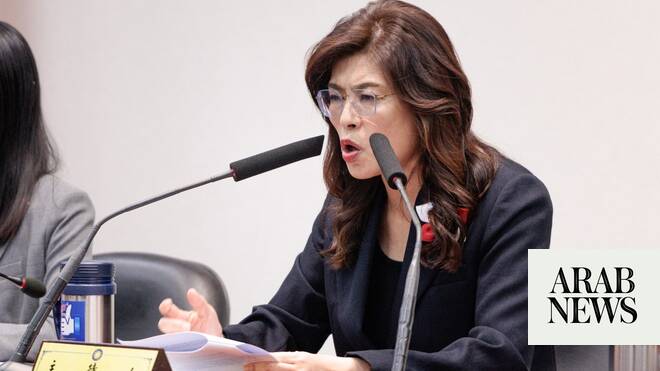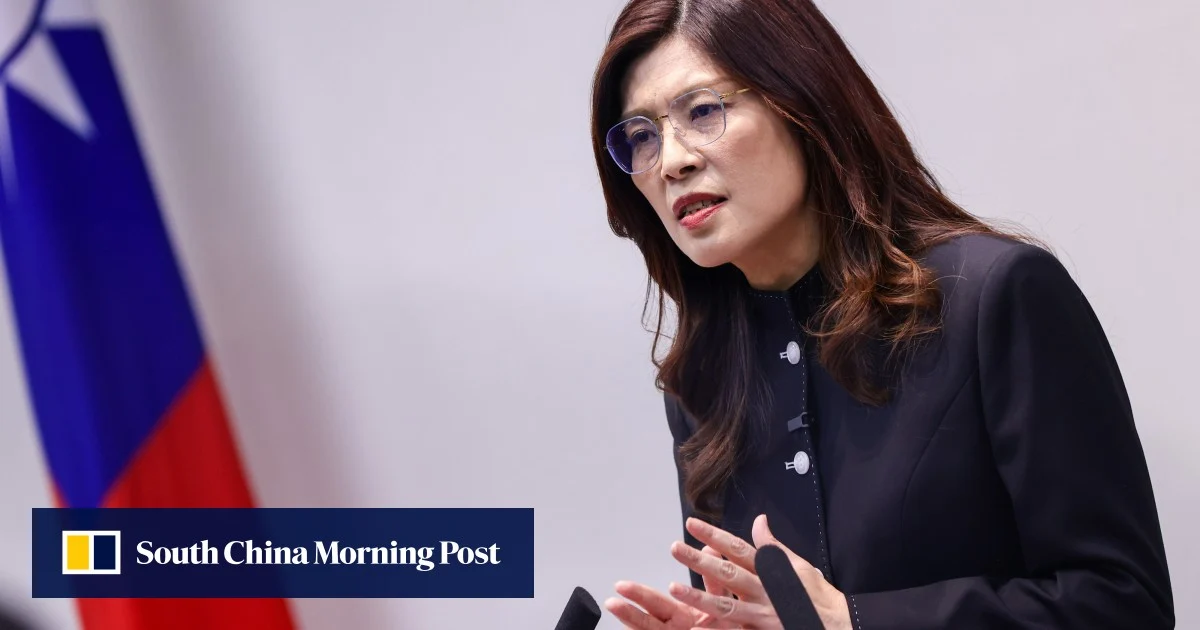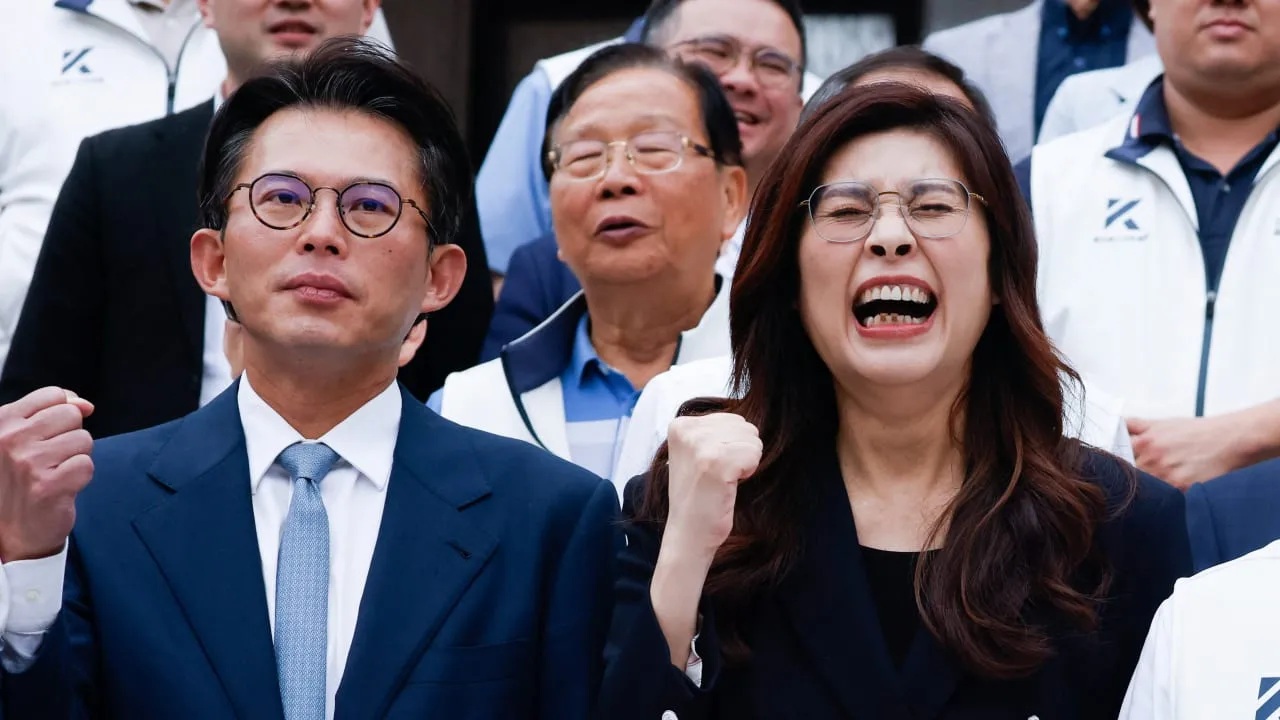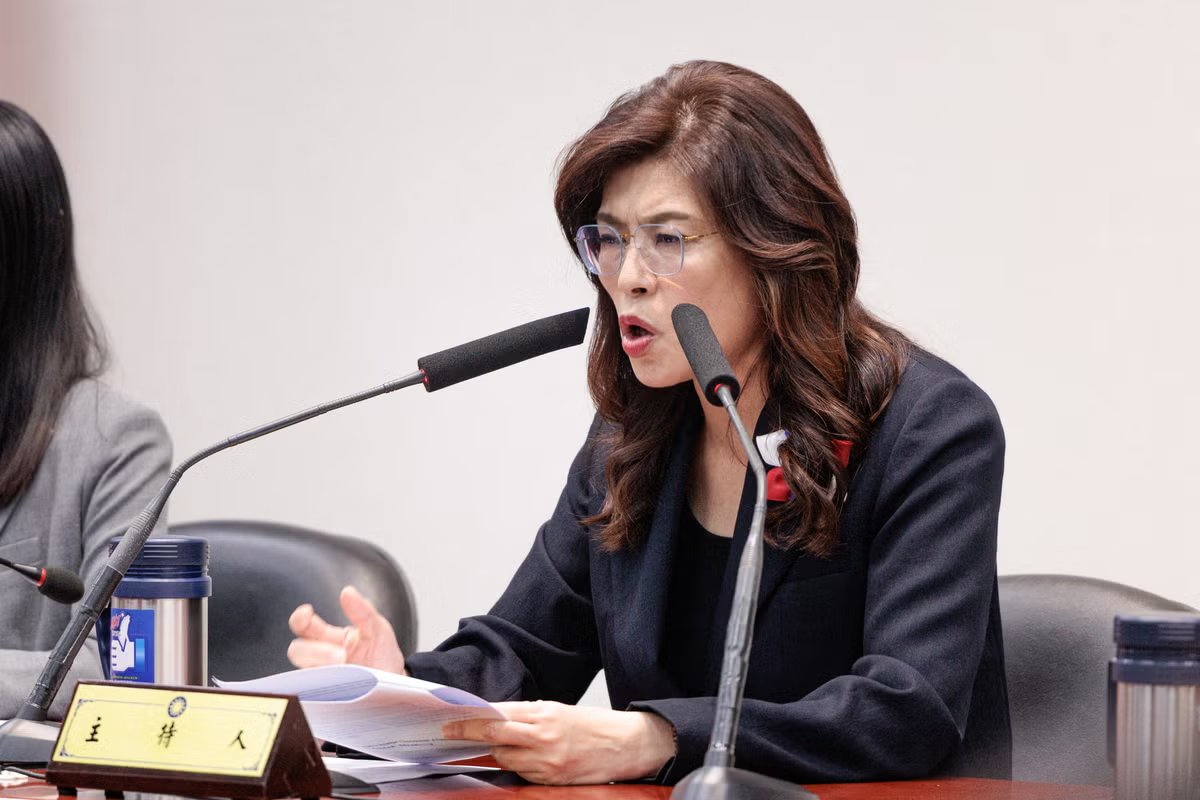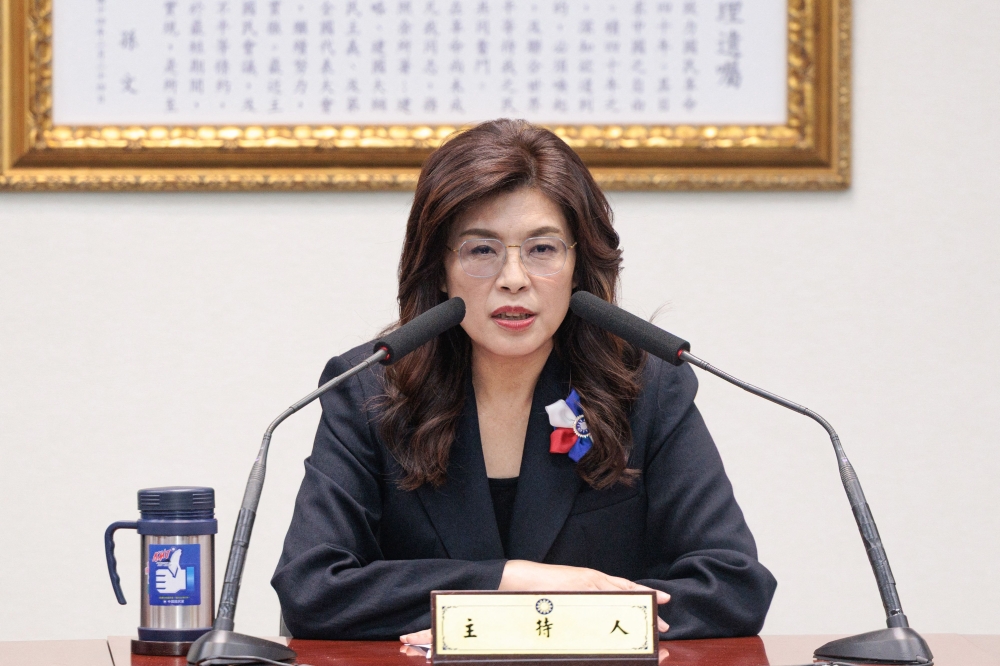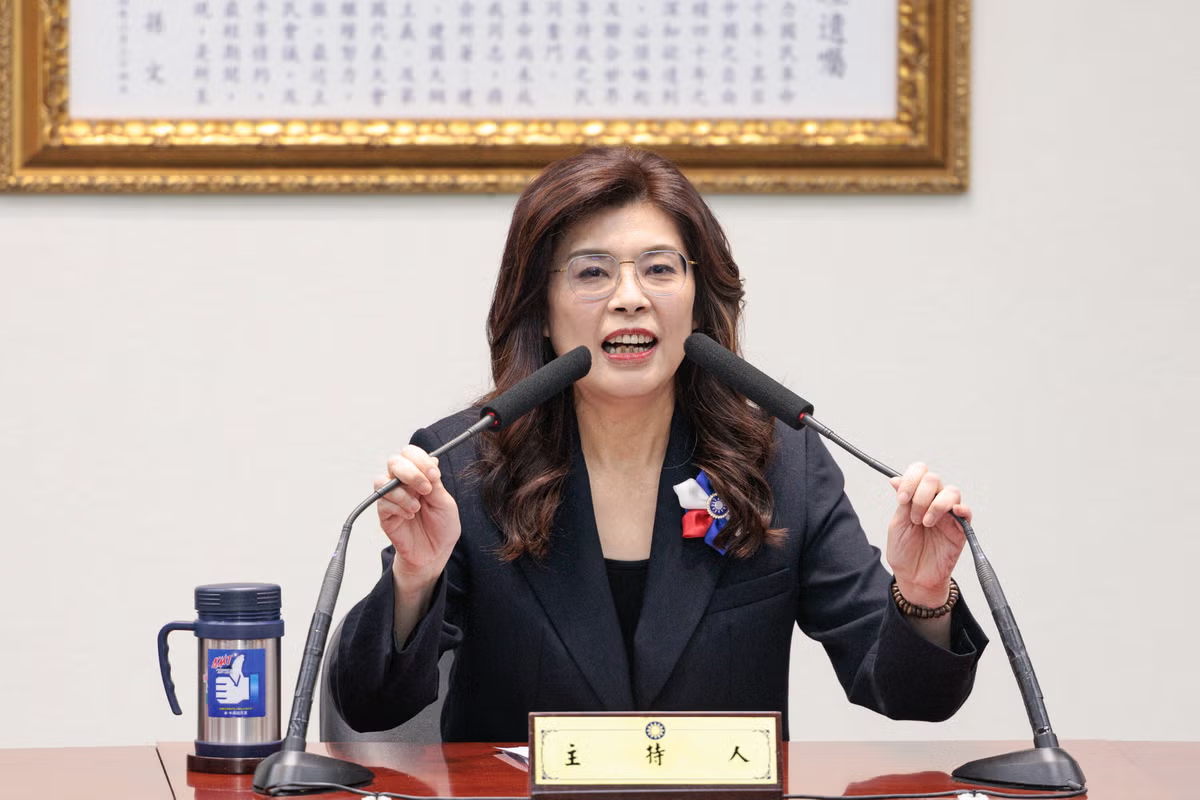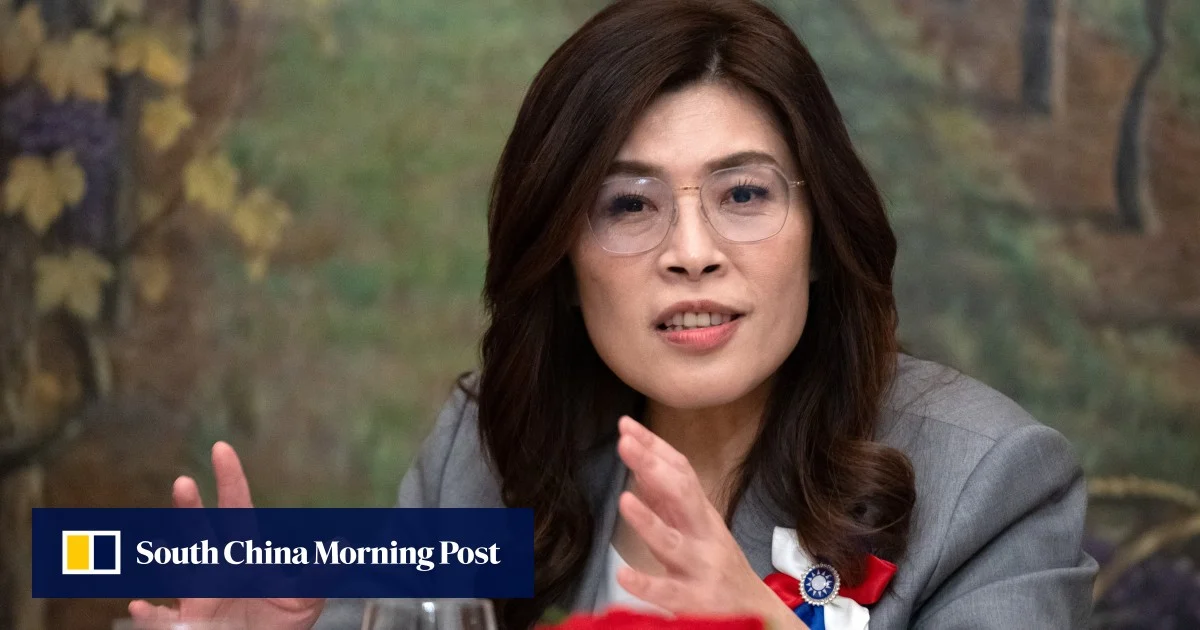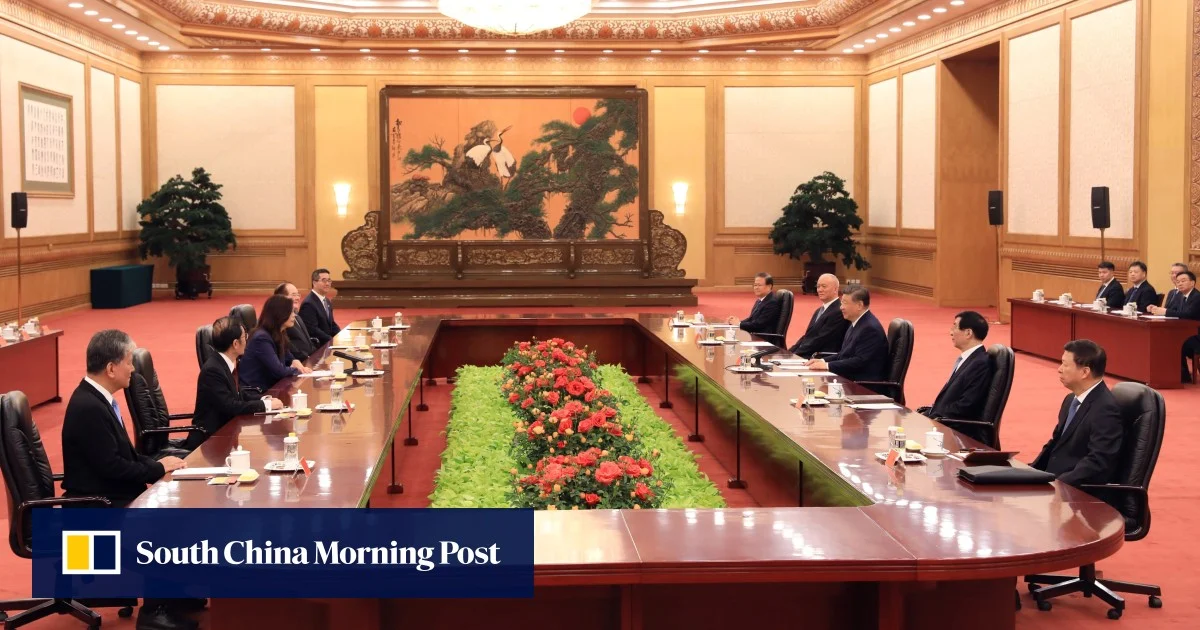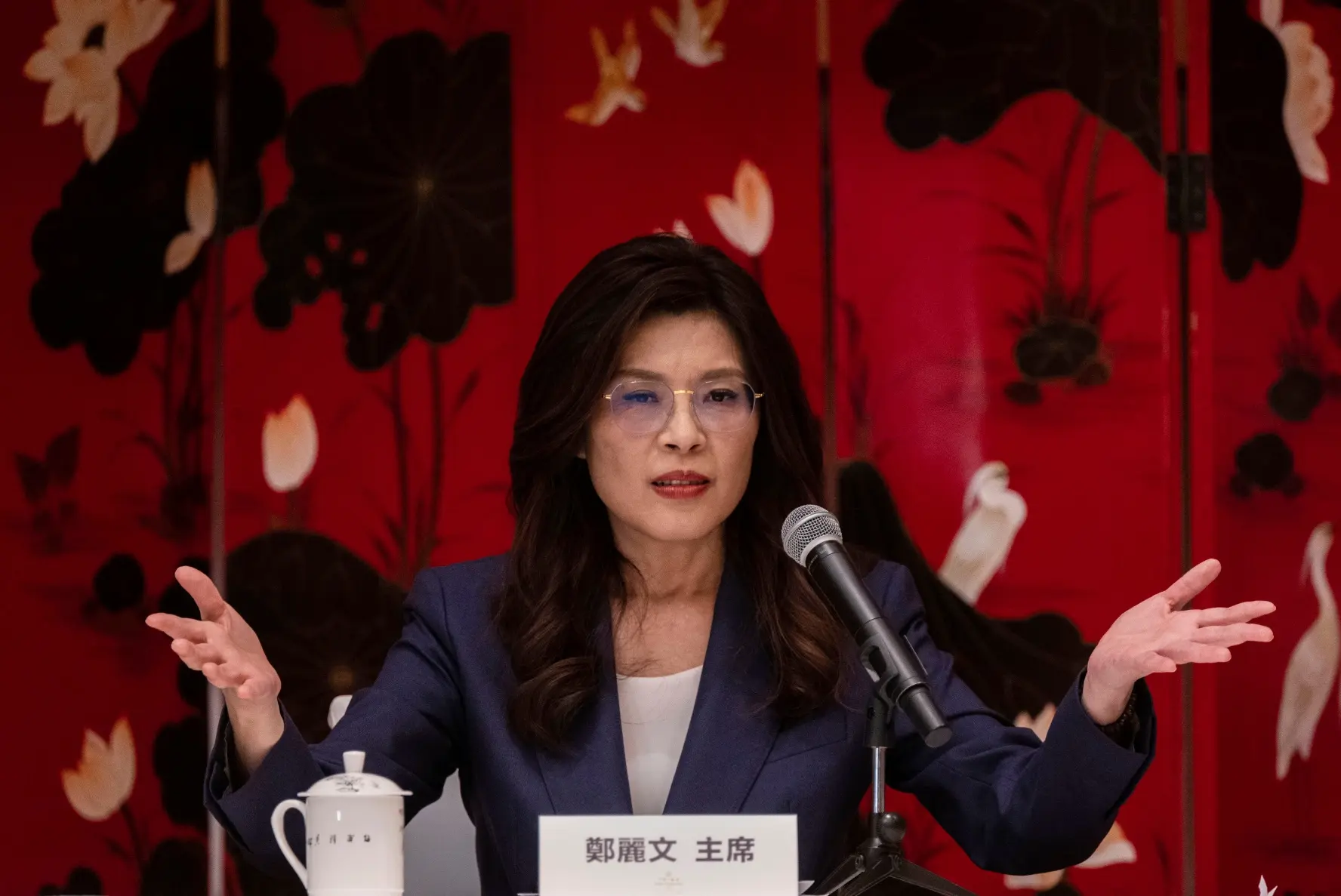
Kuomintang (KMT) Chairwoman Cheng Li-wun’s April 2026 visit to Beijing, which culminated in a landmark summit with Chinese President Xi Jinping, has profoundly reshaped Taiwan’s political landscape and the trajectory of cross-Strait relations. The engagement’s timing was particularly significant, occurring just one month prior to Xi’s summit with U.S. President Donald Trump and amidst a critical domestic window—seven months before Taiwan’s November 2026 local elections and 20 months before the 2028 general elections. Through a series of addresses delivered in Nanjing, at the Sun Yat-sen Mausoleum, at the Port of Shanghai, and during the summit itself, Cheng articulated a new strategic framework toward Beijing, which I characterize as Cheng’s “alternative approach” or “path” (鄭麗文路線).
Tactical successes and cross-Strait de-escalation
For Cheng, the summit constitutes a definitive personal and political triumph. Since assuming leadership in November 2025, Cheng—an unconventional KMT figure who began her career as a Democratic Progressive Party (DPP) activist—has contended with persistent intraparty skepticism regarding her unorthodox background and lack of a traditional political lineage. However, her direct engagement with Xi, a feat unparalleled by any KMT leader since 2016, has effectively neutralized her detractors. Empirical data indicates that her public standing improved across the Taiwanese electorate and saw a particularly sharp ascent among KMT supporters following her return from Beijing.