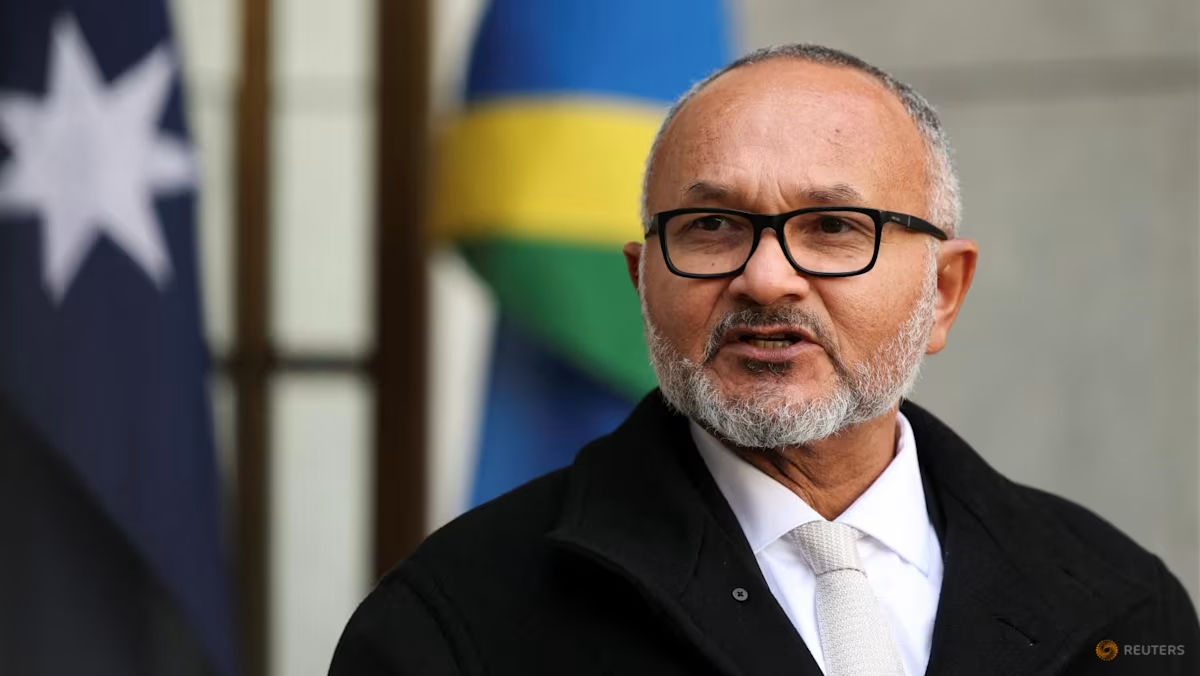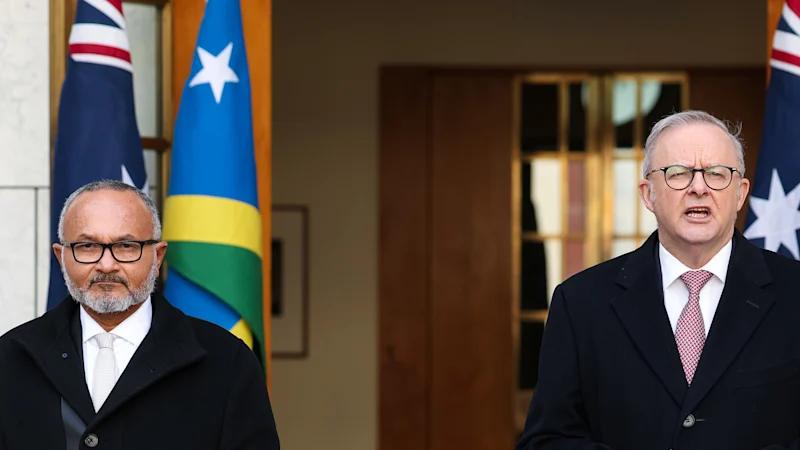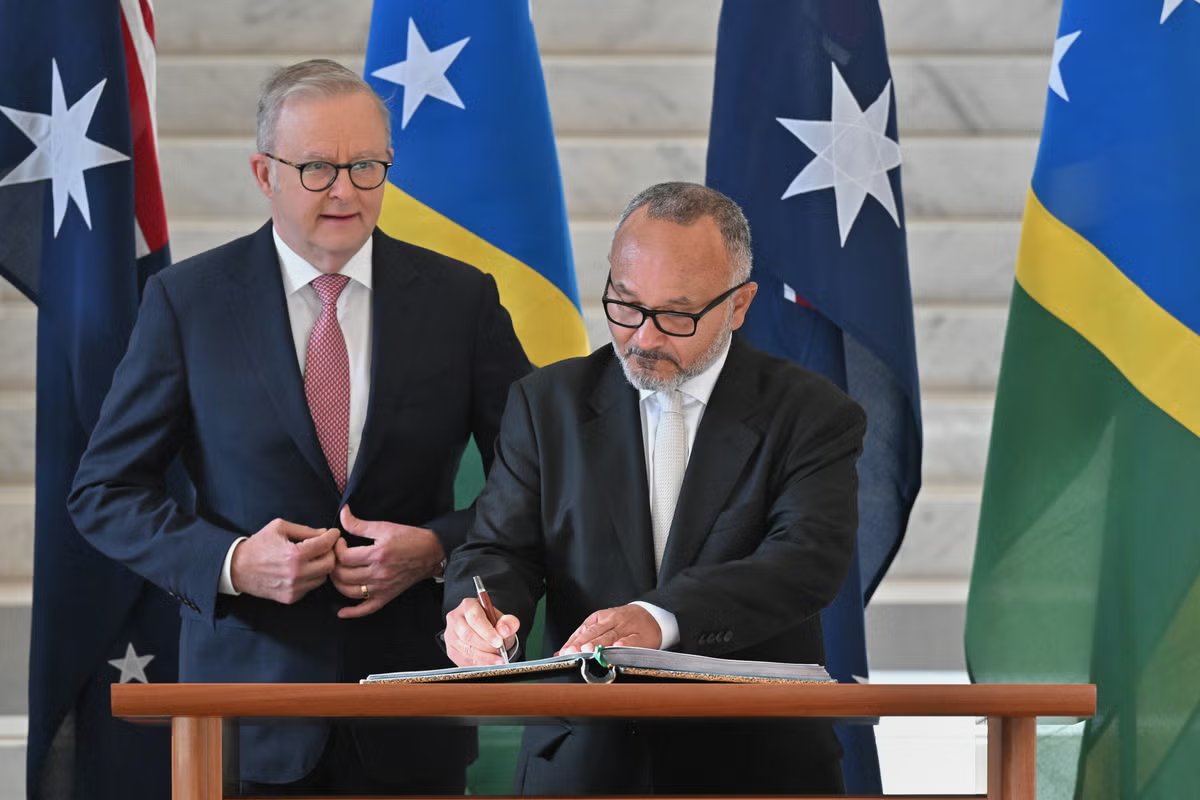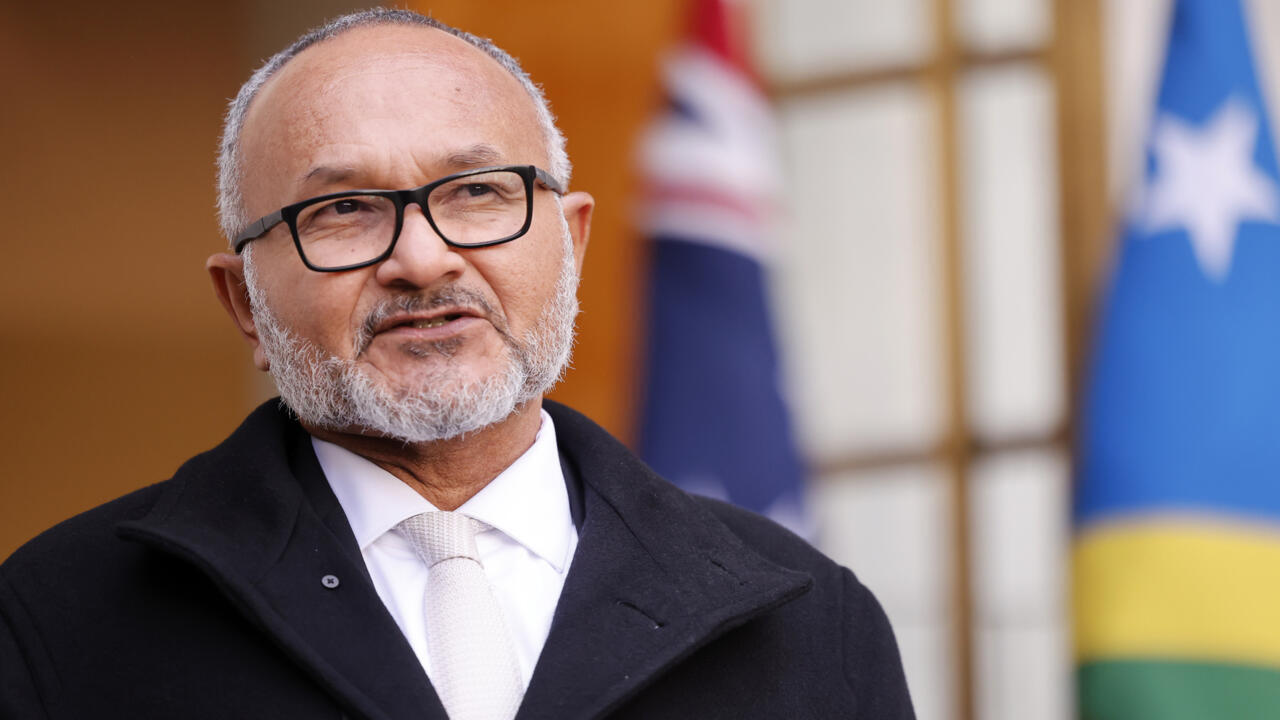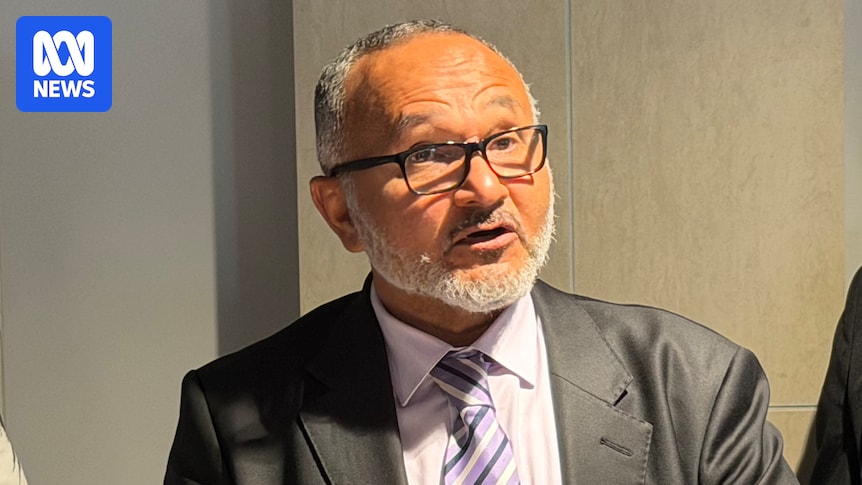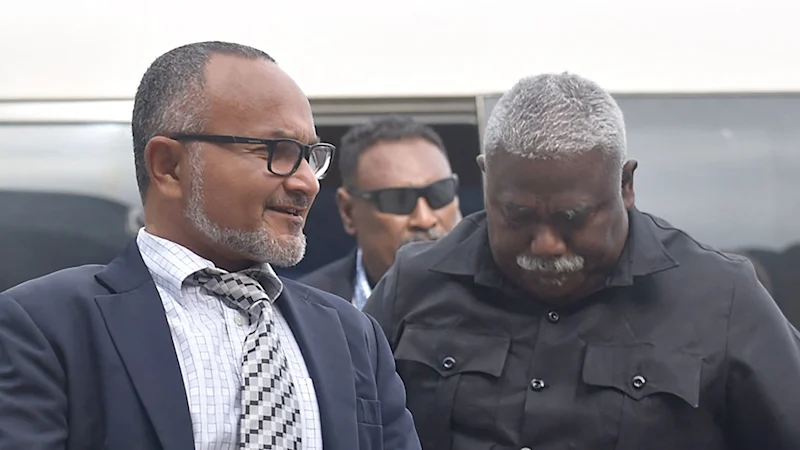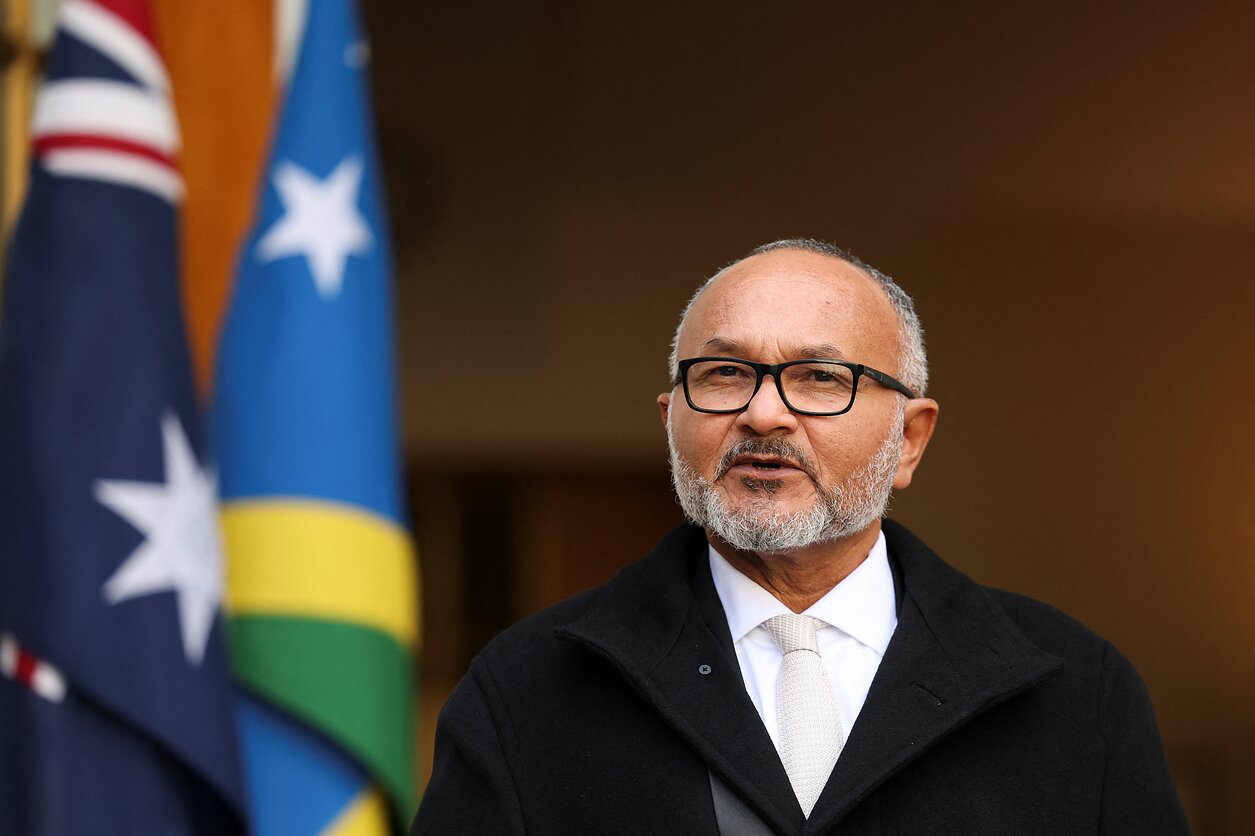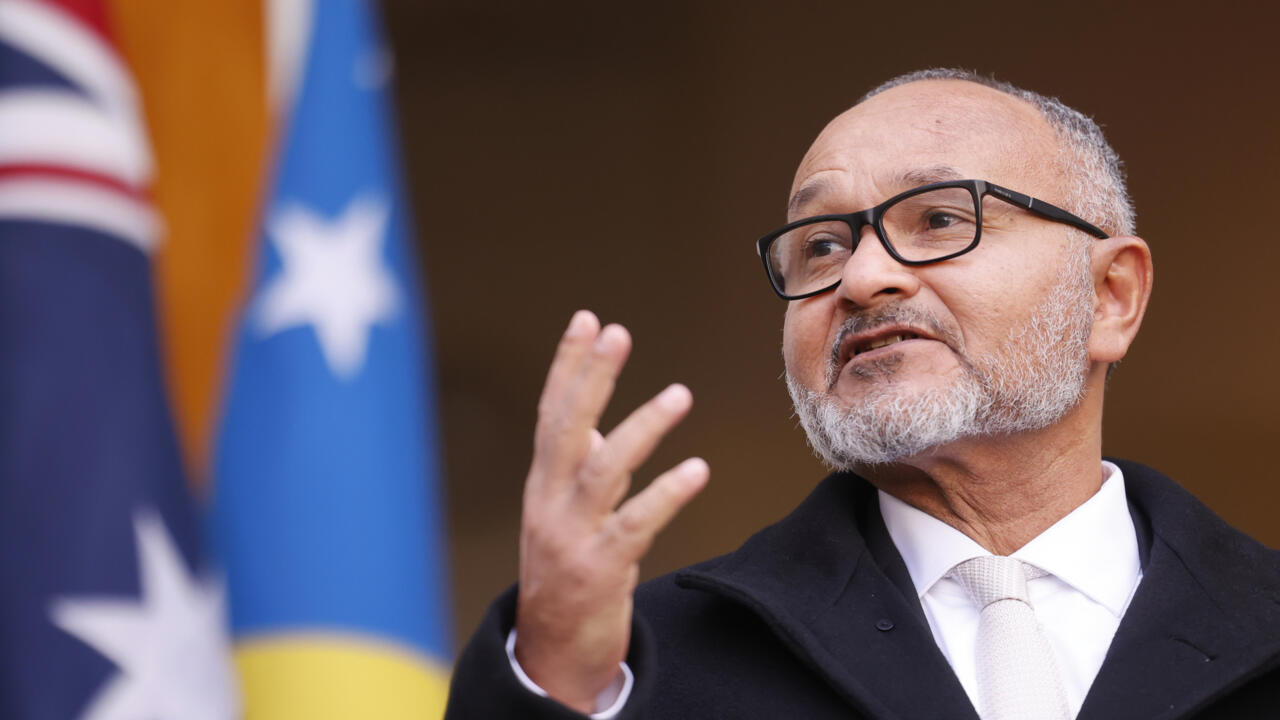
Asked about that pact alongside Australian Prime Minister Anthony Albanese, the Solomons leader -- who was elected last month -- said he had been "praying and fasting" about the Chinese security deal."We are going to be reviewing, as we are reviewing other security agreements that we have with many other countries," he said.Australia and the United States have been sharply critical of the deal over concerns it could allow a permanent Chinese navy presence in the South Pacific.It was signed under one of Wale's predecessors, Manasseh Sogavare, who was seen as Beijing's staunchest ally in the South Pacific. Wale said the deal contained a non-disclosure agreement and he had not seen it until just before his visit to Australia."I have had to remove certain people from key positions. I have not been afforded a copy, even, of that agreement, until a day before I left, so I have not had a good look at it," he told a news conference in Canberra.Australia is the largest aid donor to the country of 800,000 people that sits 2,000 kilometres (1,240 miles) to its north-east and historically provided police support during crises. After the Solomons switched diplomatic ties from Taiwan to Beijing in 2019 and struck the security pact, relations with Canberra and Washington deteriorated.China quickly became the strategically-located Pacific island state's largest bilateral creditor, with Solomon Islands debt to Chinese banks for infrastructure projects doubling last year.Seeking to counter Beijing's influence, Australia has seized the opportunity to rebuild ties, hosting Wale on his first international visit as leader.
Solomons PM says to review secretive security pact with China
New Solomon Islands Prime Minister Matthew Wale said Wednesday he would be reviewing a secretive 2022 security pact with Beijing, which rattled Canberra and Washington by opening the door to Chinese…
TL;DRAI
Solomon Islands PM Wale pledged to review China's security pact, reversing Beijing alignment as Australia reasserts regional sway. The shift determines whose infrastructure and data governance dominate the Pacific—critical for IT supply-chain risk and digital-sovereignty strategy.
499 words~2 min read