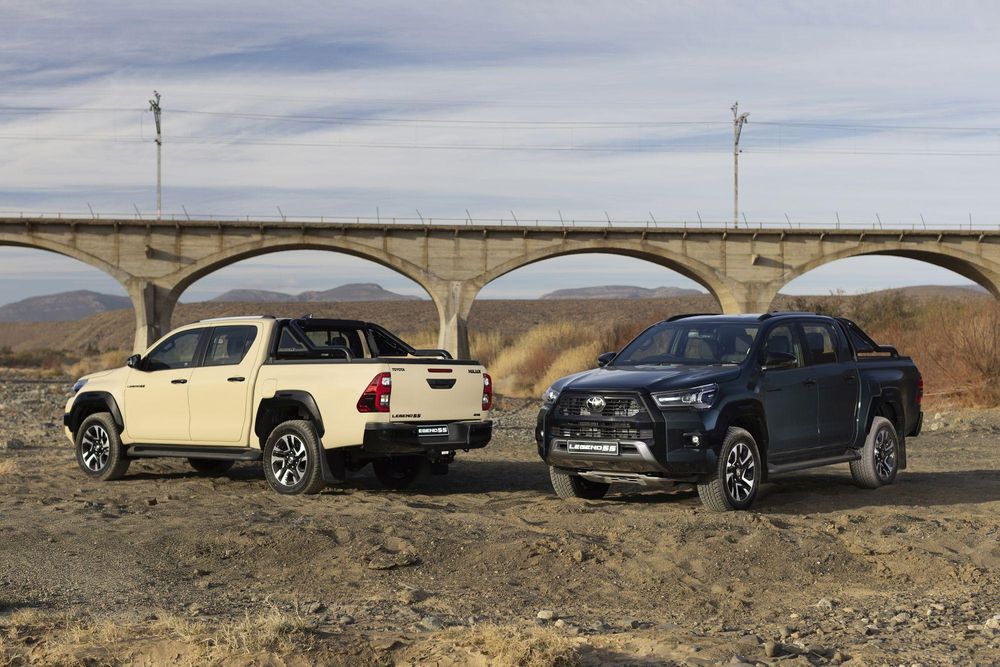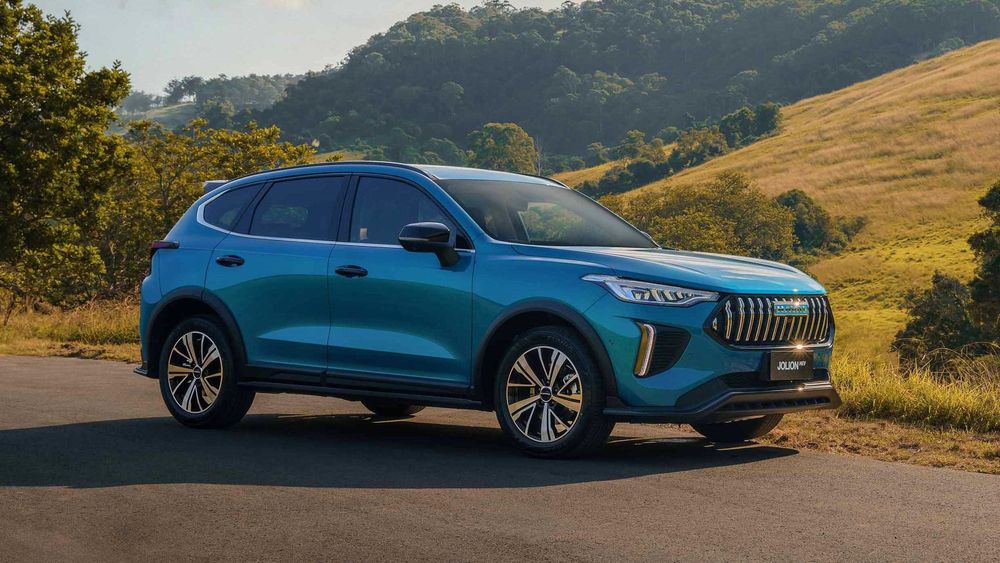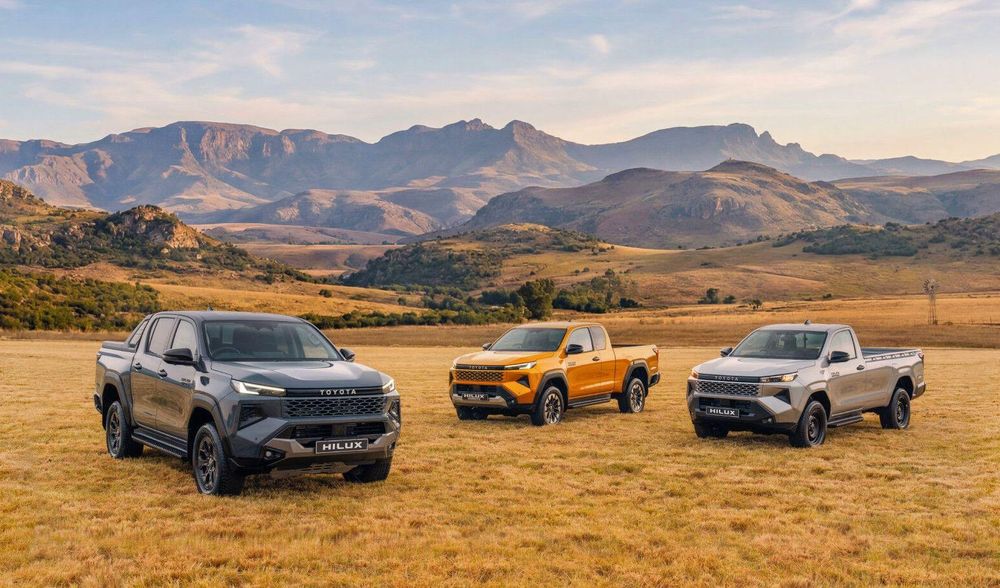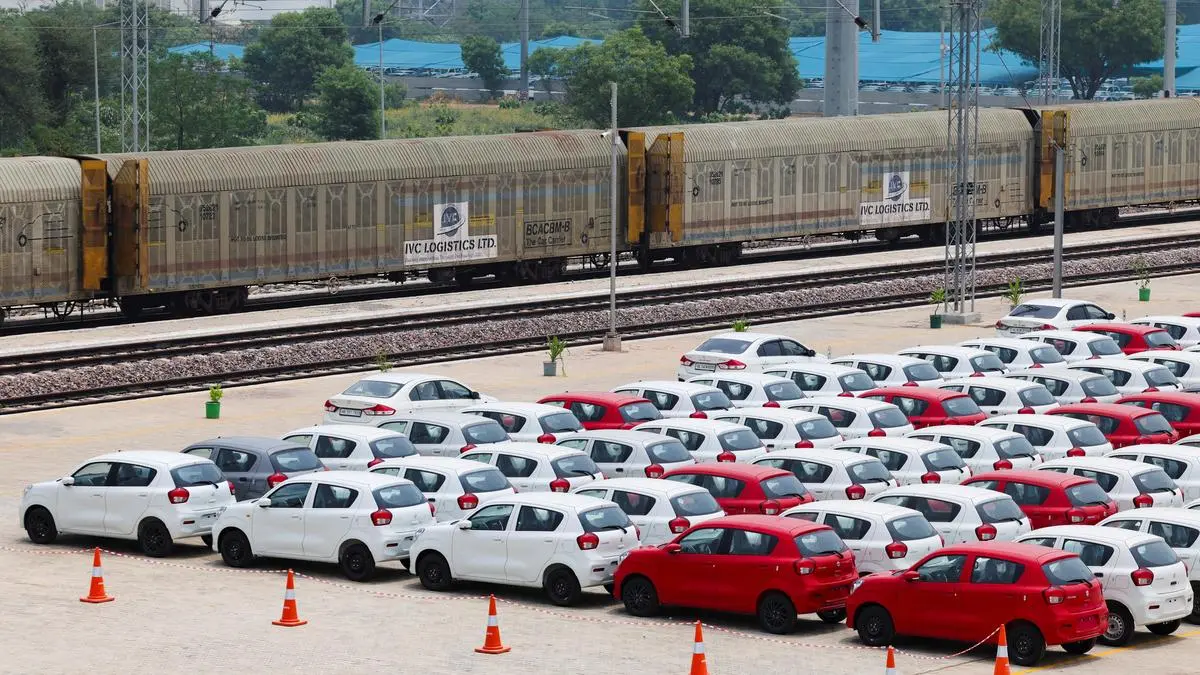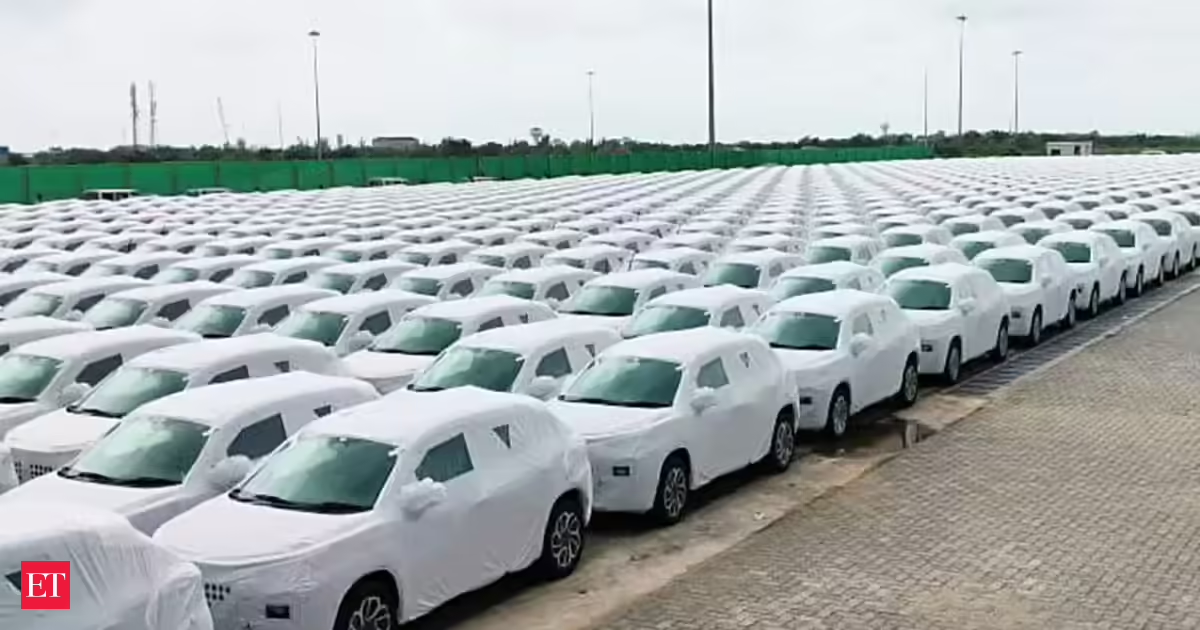
Japanese car manufacturer Toyota is fending off the onslaught from Chinese and Indian cars, holding on to its position as South Africa’s most popular brand as consumers shrugged off the record-high fuel prices in May, with new sales reaching a 13-year high.New-vehicle sales for May, released on Tuesday, showed a 12.8% increase from the comparative period a year earlier, with sales coming in at 51,071 units, the highest monthly total recorded since May 2013.About 90.1% of these sales flowed through South Africa’s retail dealer network, underlining the continued strength of consumer demand.Toyota sold 10,667 units locally, while Chinese and Indian brands sold a combined 9,992 units in the period.The data comes against a backdrop of increasing global volatility and mounting cost pressures, such as rising inflation risks, higher fuel prices and tighter financial conditions, as Chinese and Indian cars continue to reshape the market and drive down prices. The data shows that the new passenger car market sold 36,871 units last month, a 16.3% increase compared with the 31,701 new cars sold in May 2025. However, car exports remained under pressure with vehicle export sales reaching 29,392 units, down 1,467 units.“While the full effects of these pressures are likely to emerge over time, May’s sales performance suggests that the market continues to benefit from momentum established earlier in the year, even as a more uncertain macroeconomic environment is testing the foundations of that recovery,” the Automotive Business Council said.“Households remain mindful of affordability considerations [and] the overall market has demonstrated resilience, with consumers continuing to participate in the new-vehicle market across a range of segments. Purchasing decisions are increasingly informed by value, financing affordability, fuel efficiency, vehicle utility and long-term ownership considerations, reflecting a more measured and informed consumer.”Brandon Cohen, chair of the National Automobile Dealers Association, said rising new-vehicle sales in South Africa continue to confound industry commentators and many people actively involved in the vehicle industry.Market resilience“Given the recent interest rate increase, ongoing cost-of-living pressures and concerns around consumer affordability, many expected vehicle demand to come under greater pressure. Instead, the market continues to show surprising resilience, supported by replacement demand and consumers’ ongoing need for personal mobility,” Cohen said.“Customers are spending more time evaluating options, comparing finance offers and considering total cost of ownership before committing to a purchase. Dealers are having to work harder to convert inquiries into sales, but the demand is still there.”WeBuyCars, South Africa’s largest second-hand car showroom, last month said the used-car market is under mounting structural pressure as an aggressive wave of low-cost, technology-heavy vehicles from Asian manufacturers reshapes pricing, consumer behaviour and resale values, squeezing margins across the entire vehicle value chain.The disruption is largely driven by fast-expanding Chinese and broader Asian brands, which have rapidly increased their footprint in the local new-vehicle market, intensifying competition and narrowing the traditional price gap between new and used cars.According to industry data, Asian brands had captured about 17% of South Africa’s new-vehicle market by end-2025, with manufacturers such as Chery and Great Wall Motors (GWM) leading the expansion through lower entry pricing, long warranties and aggressive financing structures, Business Day previously reported.
Carmakers cash in as new-vehicle sales reach 13-year high
Toyota remains top-selling brand, while Chinese and Indian manufacturers expand
520 words~2 min read