All stakeholders must do more to contain the scourge
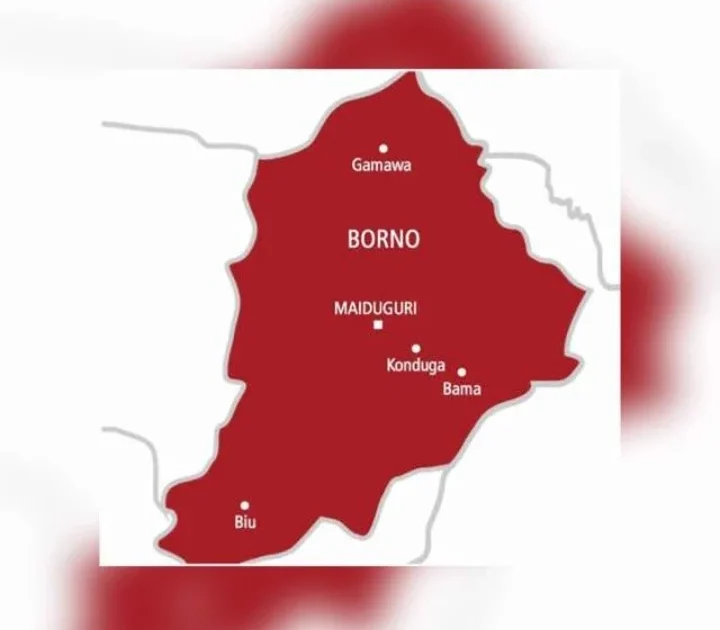
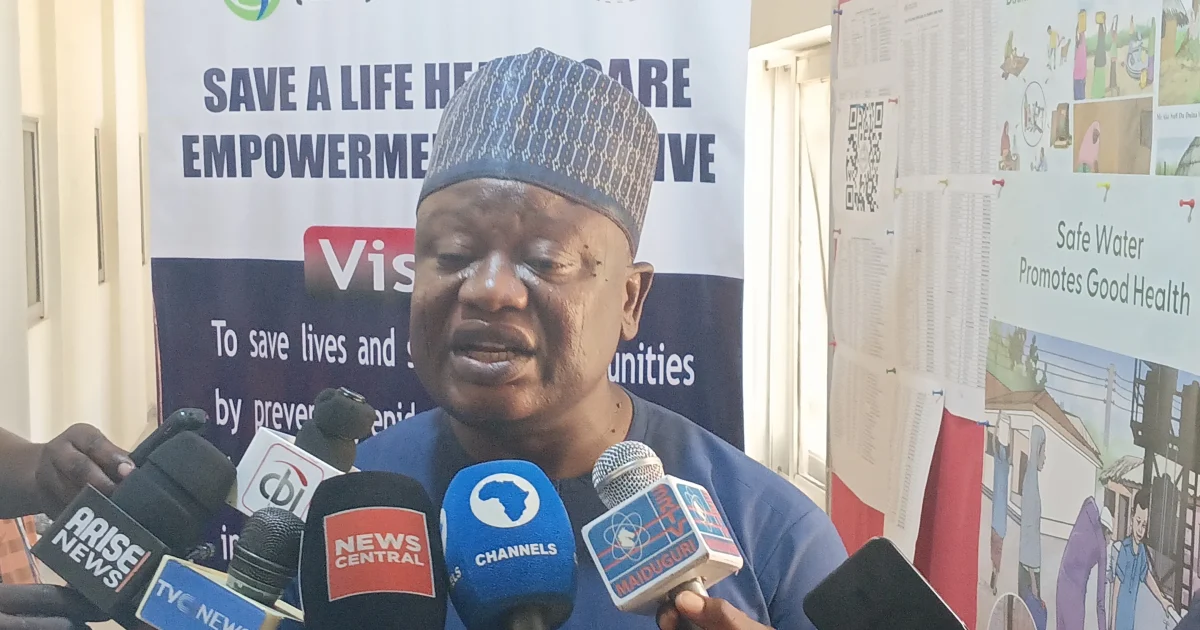
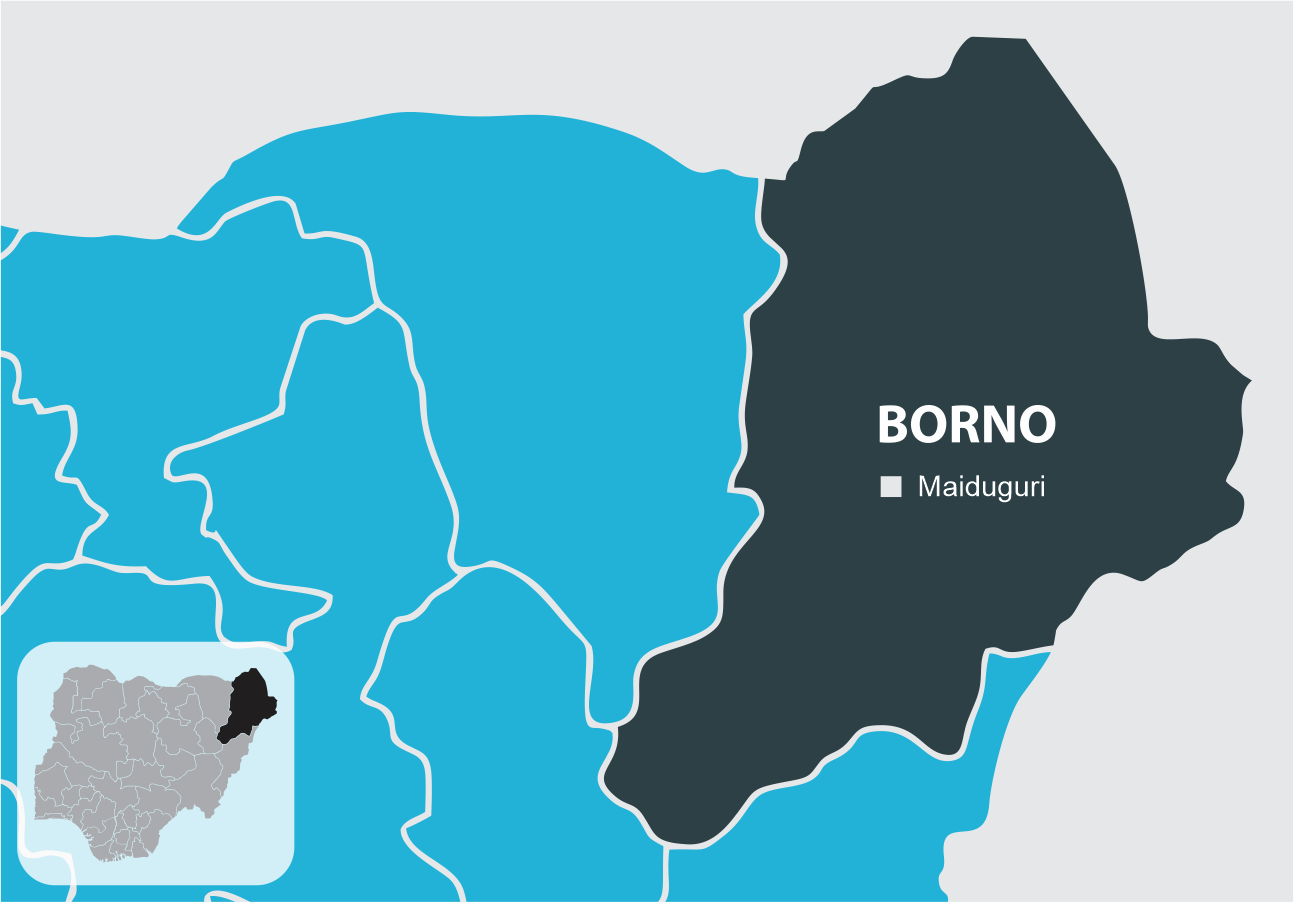
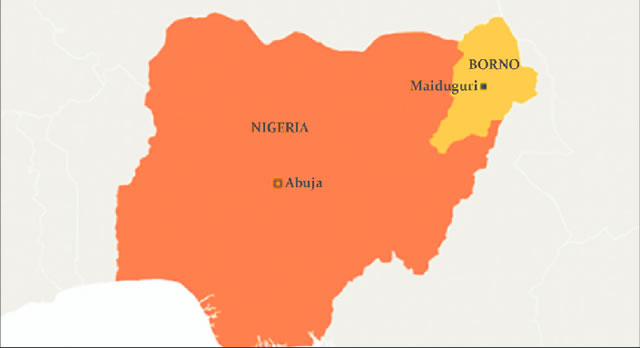
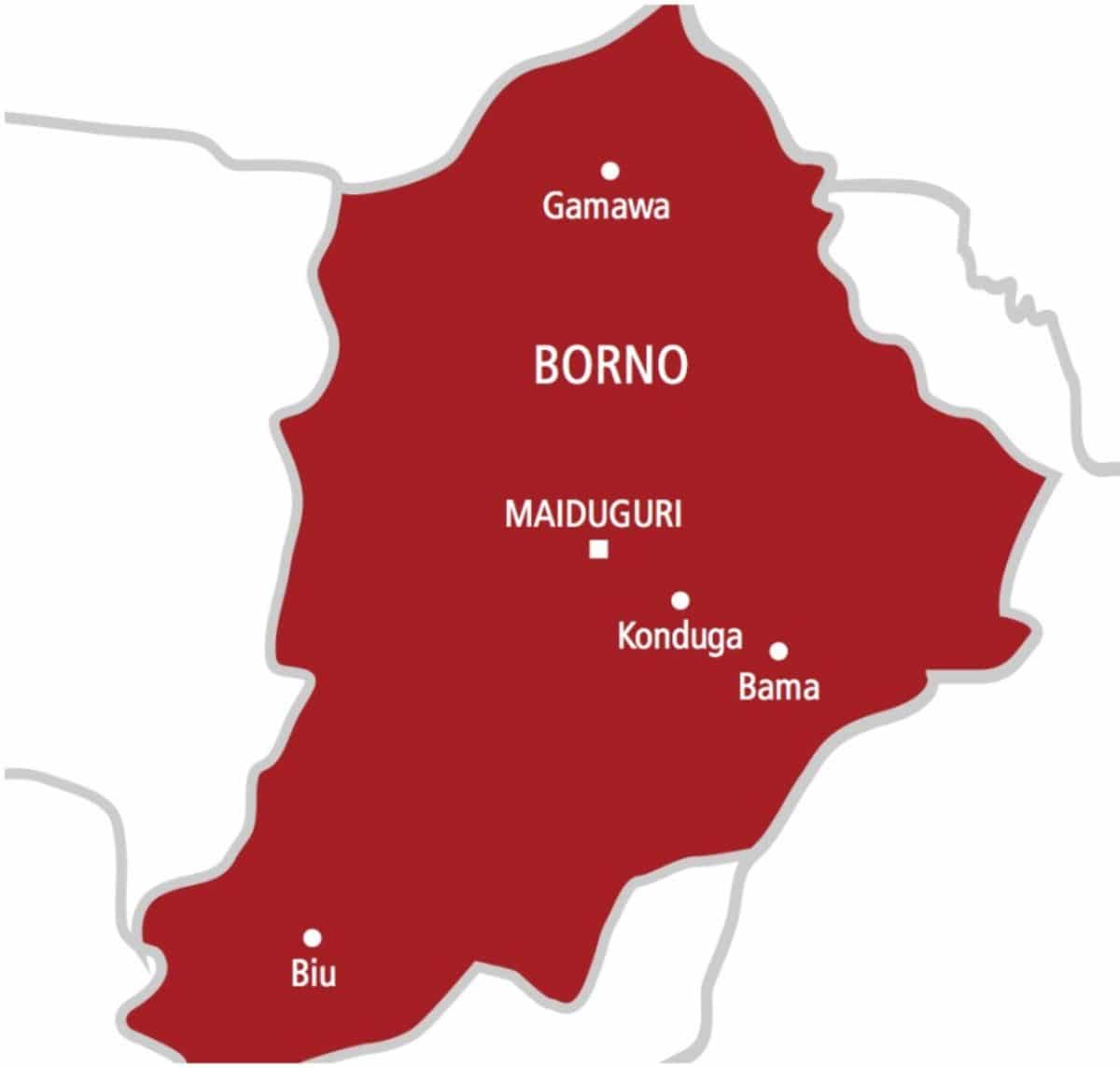
The latest report by the Nigeria Centre for Disease Control and Prevention (NCDC) on the cholera outbreak in Borno State, with more than 4000 suspected cases and 39 associated deaths across seven local government areas is worrying. But it does not even tell the complete story of the tragedy. The Borno State government has raised the alarm that more than 3,000 people have been affected with 37 lives already lost. A few weeks ago, the NCDC Director-General, Jide Idris, warned that the country has entered the seasonal window when cholera cases historically surge, with early surveillance data already showing increasing infections across several states. “These forecasts are particularly concerning because they coincide with the period when cholera transmission typically accelerates,” Idris said. “Flooding can contaminate water sources and disrupt sanitation systems, creating conditions for rapid spread.”
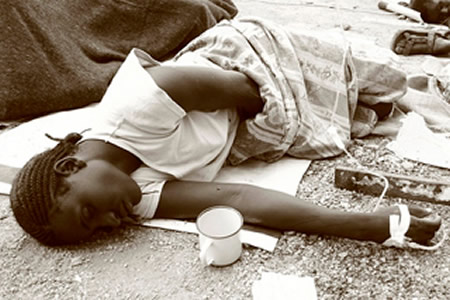
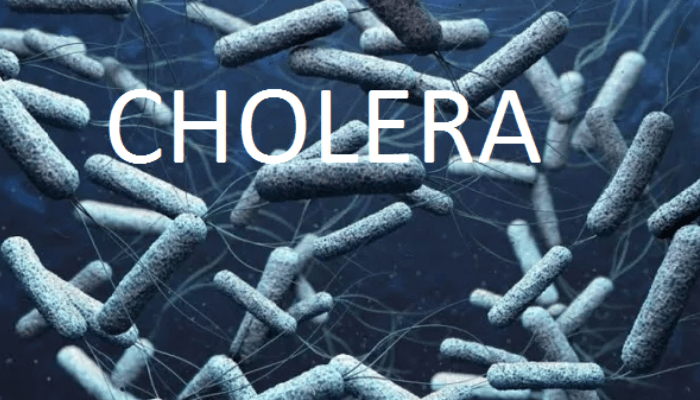
For more than four decades, cholera has not only been a recurring disease in Nigeria but has also led to the death of thousands of people, especially children. Mostly contracted through drinking contaminated water and eating waste products, cholera often leads to the infection of the small intestine. That Nigerians are still afflicted by such a disease in this age tells a compelling story about the state of the country. The sad part is that in many of our states, the villagers and rural dwellers are left to rely on streams as the only source of drinking water, and there are no adequate provisions for disposing waste. In most cases, the people even rely on stagnant water for washing their clothes and other items.