By
Updated on: June 2, 2026 / 9:28 PM EDT
/ CBS News
Add CBS News on Google
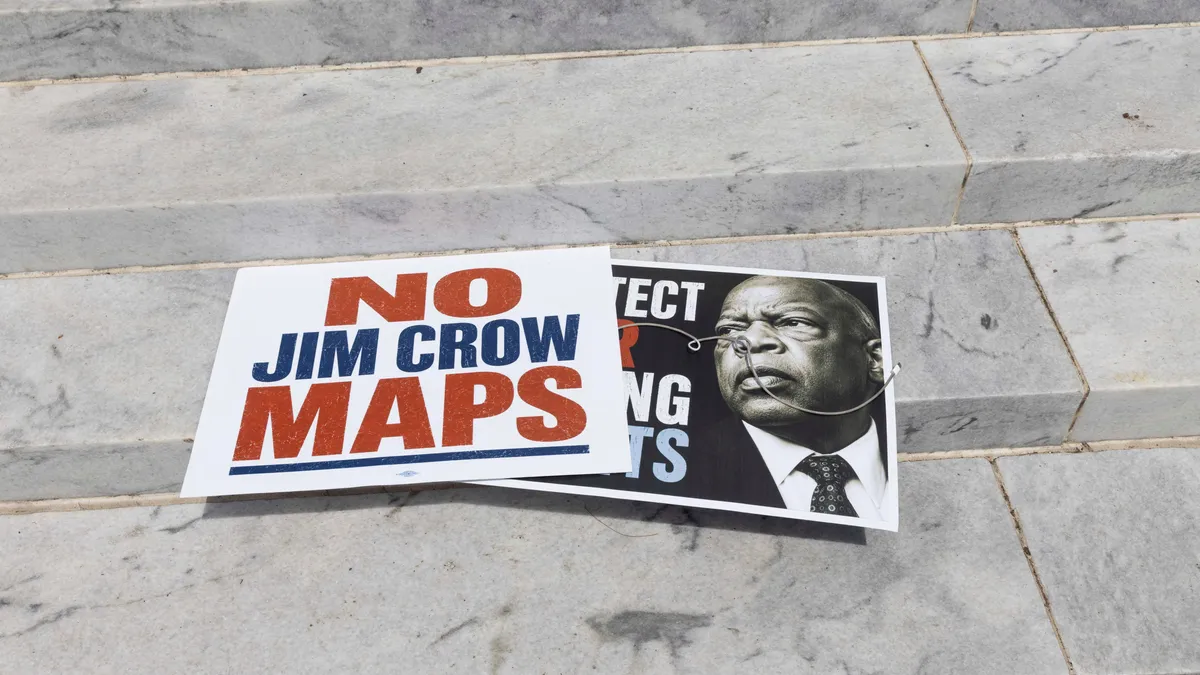
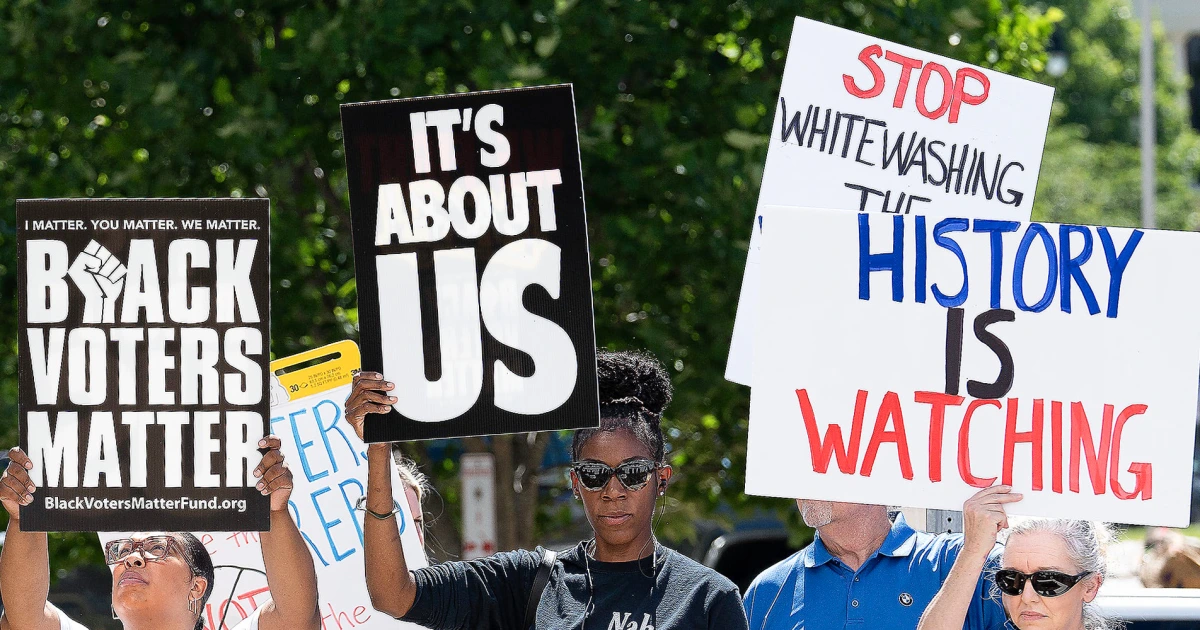
Washington — The Supreme Court on Tuesday cleared the way for Alabama to use a congressional map that is more favorable to Republicans in this year's midterm elections, despite a lower court finding that the plan intentionally discriminated against Black voters.In a divided order, the high court agreed to freeze the district court decision that prevented the state from using the map drawn by Republicans in 2023, which included one majority-Black congressional district out of Alabama's seven. The lower court had found that Alabama intentionally discriminated against Black voters when it crafted those House district lines three years ago.The lower court judges instead ordered the state to keep using a court-selected congressional map, which was in place for the 2024 elections, that includes two districts where Black voters have the opportunity to elect their preferred candidates. Under that map, the state's seven-member congressional delegation is divided between five Republicans and two Democrats.Now, under the 2023 plan that Alabama can swap in as a result of the Supreme Court's order, which reconfigures the district currently represented by Democratic Rep. Shomari Figures, Republicans are likely to be favored 6-1. A special primary for four House seats altered by the 2023 map is set for Aug. 11. Primaries for the other three districts were held May 19.Alabama GOP officials turned to the Supreme Court for emergency relief last week, after the district court's decision finding the 2023 map unlawful because it purposefully discriminates based on race. They said that when drawing the district lines, mapmakers aimed to help Republicans and keep the Gulf Coast region together in one congressional district.The Trump administration backed Alabama in its effort to put the congressional districts drawn in 2023 in place for the midterm elections, arguing that federal courts shouldn't interfere with elections or usurp states' role in drawing congressional districts.But a group of voters and voting rights groups pushed back on Alabama's assertion that it was seeking to achieve partisan goals when it drew the congressional map three years ago. In a filing with the Supreme Court, they said the legislature did not cite partisan goals at the time, and noted that the district court found "zero evidence" that mapmakers were motivated by party or incumbent protection.