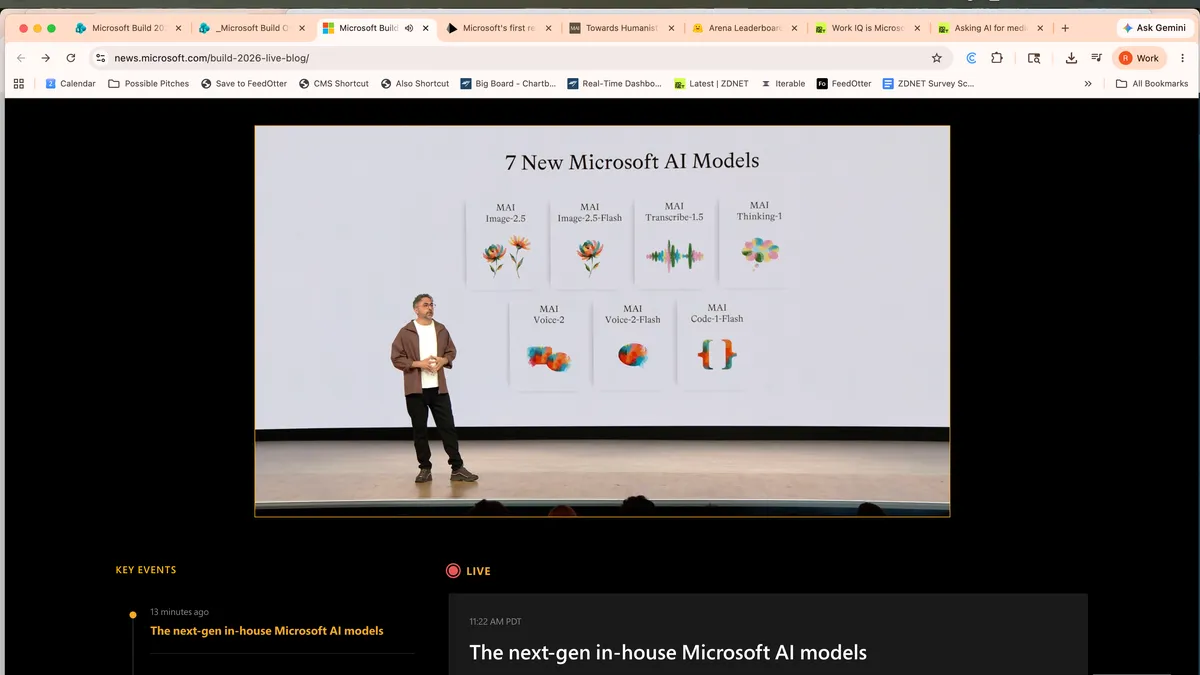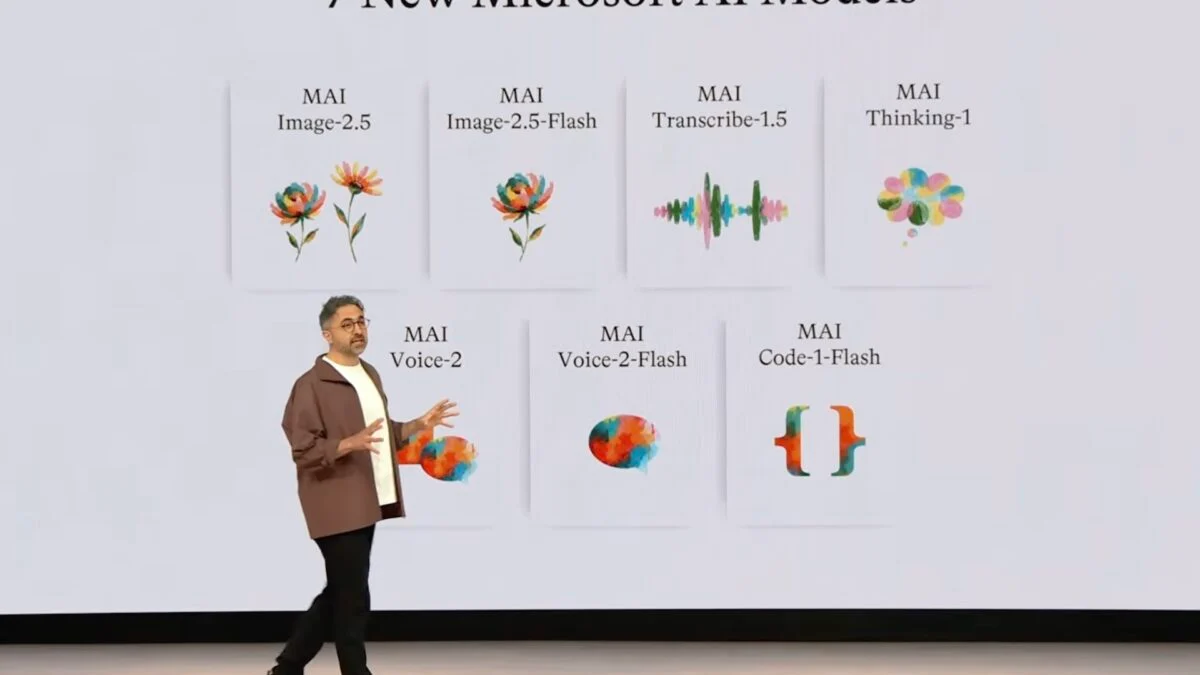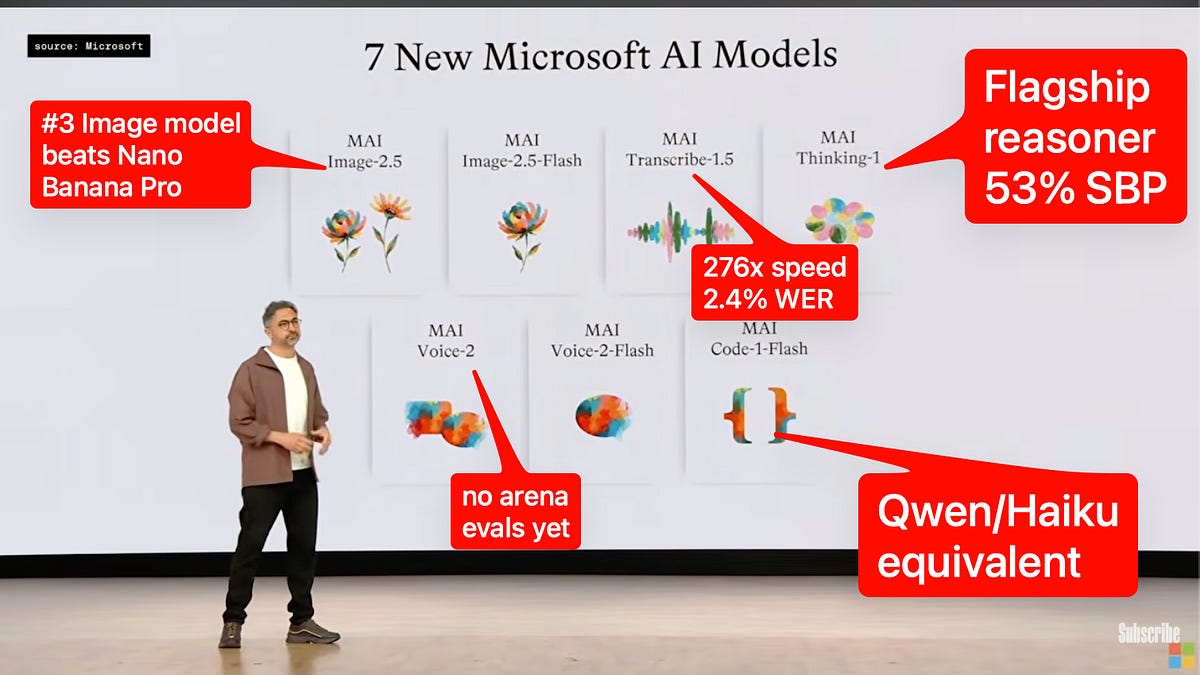
Microsoft launched seven new in-house AI models at Build 2026 on June 2, 2026, marking the company's most significant push yet to build its own frontier AI stack independent of OpenAI. The centerpiece is MAI-Thinking-1, Microsoft's first large-scale reasoning model, built from scratch on clean commercially licensed data using a sparse Mixture of Experts architecture. Alongside it: MAI-Code-1-Flash, a 5-billion-parameter coding model that outperforms Claude Haiku 4.5 by 16 percentage points on SWE-Bench Pro while using 60% fewer tokens on complex tasks. This is the complete developer guide to all seven MAI models, their specs, benchmarks, deployment paths, and what they mean for the AI development ecosystem.
Why Seven Models at Once?
The strategic context matters. For three years, Microsoft's AI product surface — GitHub Copilot, Azure AI, Bing Chat, Microsoft 365 Copilot — ran almost entirely on OpenAI models. The Build 2026 announcement is Microsoft's public declaration that it is building a parallel, proprietary model stack. Every new MAI model is trained from scratch using "clean and appropriately licensed data, without distillation from third-party models" — language that directly addresses the intellectual property concerns that have accompanied third-party model licensing.